


Have you ever wondered about the surprising stories behind different cultures? One question that often pops up is: Do they eat cats in Haitian culture?
It’s a topic that might catch you off guard and make you curious. You might even feel a bit uneasy or skeptical. But before jumping to conclusions, it’s important to understand the truth behind this idea. You’ll discover the real facts, clear up common myths, and learn what Haitian culture is really about.
Keep reading to get the full picture and satisfy your curiosity.

Credit: justcatsclinic.com
Cats In Haitian Society
Cats are mostly pets in Haitian homes, loved and cared for. Eating cats is rare and not common in Haitian culture. People usually see cats as companions, not food.
Cats hold a unique place in Haitian culture. They are not merely pets. Cats have a layered presence in society. These creatures symbolize various cultural beliefs and have roles in daily life.Cultural Symbolism
In Haitian culture, cats symbolize mystery and magic. They are often linked to folklore. People believe cats have supernatural powers. Cats feature in many Haitian tales. Some stories portray them as protectors. Others see them as signs of good fortune. Cats are also associated with voodoo practices. This makes them both revered and feared. Their presence evokes strong emotions among the locals.Role In Daily Life
Cats play practical roles in Haitian homes. They help control pests. Many households keep cats for this reason. Cats also provide companionship. In rural areas, they are common in family settings. Children often bond with them. Cats can be part of local community life. They wander freely, visiting neighbors. Despite myths, cats are not typically eaten in Haiti. Their presence is more symbolic and practical.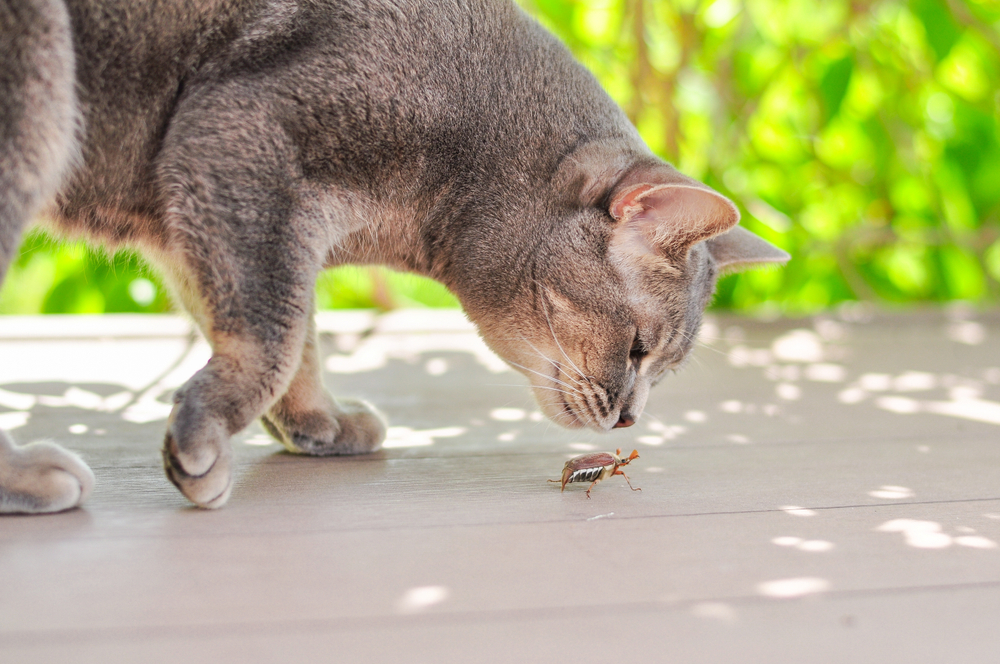
Credit: justcatsclinic.com
Common Haitian Food Practices
Haitian food practices reflect a rich cultural heritage influenced by African, French, and indigenous Taíno roots. The food is vibrant, flavorful, and deeply connected to family and community traditions. Understanding these practices helps you appreciate what is truly common on Haitian tables, beyond myths or misconceptions.
Popular Dishes
Haitian cuisine features a variety of hearty and savory dishes. You’ll often find Griot, which is fried pork marinated in citrus and spices. Another favorite is Rice and Beans, often cooked with coconut milk to add a creamy texture and rich flavor.
Try Soup Joumouif you want to taste a dish that symbolizes freedom and independence in Haiti. It’s a pumpkin-based soup filled with vegetables, beef, and pasta. These dishes represent the comfort and history behind every Haitian meal.
Traditional Ingredients
Haitian food relies heavily on fresh, local ingredients. Common staples include:
- Scotch bonnet peppers for heat
- Garlic and onions for depth of flavor
- Plantains, a versatile ingredient used fried, boiled, or mashed
- Root vegetables like yams and cassava
These ingredients come together in ways that celebrate the land and its people. Have you noticed how the use of spices in Haitian food tells a story of resilience and creativity?
Myths About Eating Cats
Many myths surround Haitian culture, especially about food habits. One common myth is that Haitians eat cats. This belief is not true and often causes misunderstandings. It is important to explore how these rumors started and how they affect the Haitian community today.
Origins Of The Rumor
The rumor about Haitians eating cats began long ago. Some travelers and outsiders misunderstood local customs. Stories grew exaggerated over time. These false tales mixed with negative stereotypes about Haiti. Media sometimes spread wrong information without checking facts. Fear and ignorance helped the myth survive. People unfamiliar with Haitian culture often believe these stories without proof.
Impact On Haitian Community
This myth hurts Haitians in many ways. It creates unfair judgments and stigma. Haitians face discrimination because of false ideas. The rumor damages the country’s image abroad. It distracts from real cultural traditions and achievements. Many Haitians feel frustrated when they hear this untrue claim. Fighting these myths is important to respect Haitian people and culture.
Animal Consumption In Haiti
Animal consumption in Haiti reflects a mix of tradition, necessity, and cultural preference. Food choices often depend on availability and local customs rather than exotic tastes. Understanding what animals are accepted for food offers insight into daily life and the values held by many Haitians.
Accepted Animals For Food
In Haitian culture, common animals eaten include:
- Chicken – a staple in many Haitian households
- Pork – frequently used in stews and celebrations
- Goat – often prepared for special occasions
- Fish and seafood – especially in coastal regions
These animals are part of everyday meals and festive gatherings. You rarely hear about cats being part of the diet here. Instead, cats are more often kept as pets or for pest control. This separation between pets and livestock is important in Haitian communities.
Legal And Ethical Views
Haiti has laws and social norms that protect certain animals from being consumed. Cats, for example, are not legally considered food animals. Eating cats is generally frowned upon and can be seen as disrespectful.
Ethically, many Haitians feel a connection to cats beyond food. They are companions or symbols of luck in some neighborhoods. So the question isn’t just about legality but also about respect and cultural values.
Have you ever thought about how cultural norms shape what you eat? In Haiti, the lines between food animals and pets are clear, guiding everyday choices in unexpected ways.
Cultural Sensitivity And Misconceptions
Understanding cultural sensitivity is crucial when discussing topics like whether cats are eaten in Haitian culture. Misconceptions can easily spread, causing harm and misunderstanding. It’s important to look beyond stereotypes and consider the real cultural context.
Media Influence
Media often shapes how we see different cultures. Sensational stories about unusual eating habits can create false impressions. You might have seen headlines or videos that suggest Haitians eat cats, but these are rarely accurate.
These portrayals often ignore the diversity within Haitian communities and fail to differentiate between myths and facts. Have you ever questioned how much trust you put in viral content about other cultures?
When media focuses on shock value, it can overshadow the genuine traditions and values held by people. This can lead to unfair judgments and stigma.
Promoting Respectful Dialogue
Talking about cultural practices requires respect and an open mind. Instead of assuming or spreading rumors, ask questions and seek reliable sources. This approach helps build understanding rather than division.
You can contribute by challenging stereotypes you encounter and sharing accurate information. Think about how your words might affect someone’s sense of identity and pride.
Encouraging respectful dialogue allows you to learn and also teach others about the richness of Haitian culture beyond misconceptions. What steps can you take to ensure your conversations about culture are thoughtful and informed?
Credit: www.lemonde.fr
Frequently Asked Questions
Do Haitians Eat Cats As Part Of Their Cuisine?
No, eating cats is not part of Haitian culture or cuisine. Haitian food mainly includes rice, beans, and meats like chicken and pork. Cats are generally considered pets, not food, in Haiti.
Is Cat Meat Common In Haitian Traditional Dishes?
No, cat meat is not common or traditional in Haitian dishes. Haitian cuisine focuses on local ingredients like plantains, seafood, and spices. Cats are not used as a food source.
Are There Cultural Beliefs About Cats In Haiti?
Yes, cats in Haiti are often associated with folklore and spirituality. They are sometimes linked to mystical beliefs but not consumed as food. Cats hold symbolic rather than culinary significance.
Why Do Some Myths Say Haitians Eat Cats?
Such myths likely stem from misunderstandings or stereotypes about Haitian culture. There is no evidence supporting the practice of eating cats in Haiti. These myths are inaccurate and misleading.
Conclusion
Cats are not a common food in Haitian culture. People in Haiti love and care for their cats as pets. Eating cats is rare and mostly linked to myths or misunderstandings. Haitian cuisine focuses on other traditional foods like rice, beans, and seafood.
Respect for animals is important in Haitian society. Knowing this helps clear up wrong ideas and shows true Haitian traditions. Culture is rich and unique, with many interesting customs to explore. Keep learning and enjoy discovering different cultures with an open mind.
