

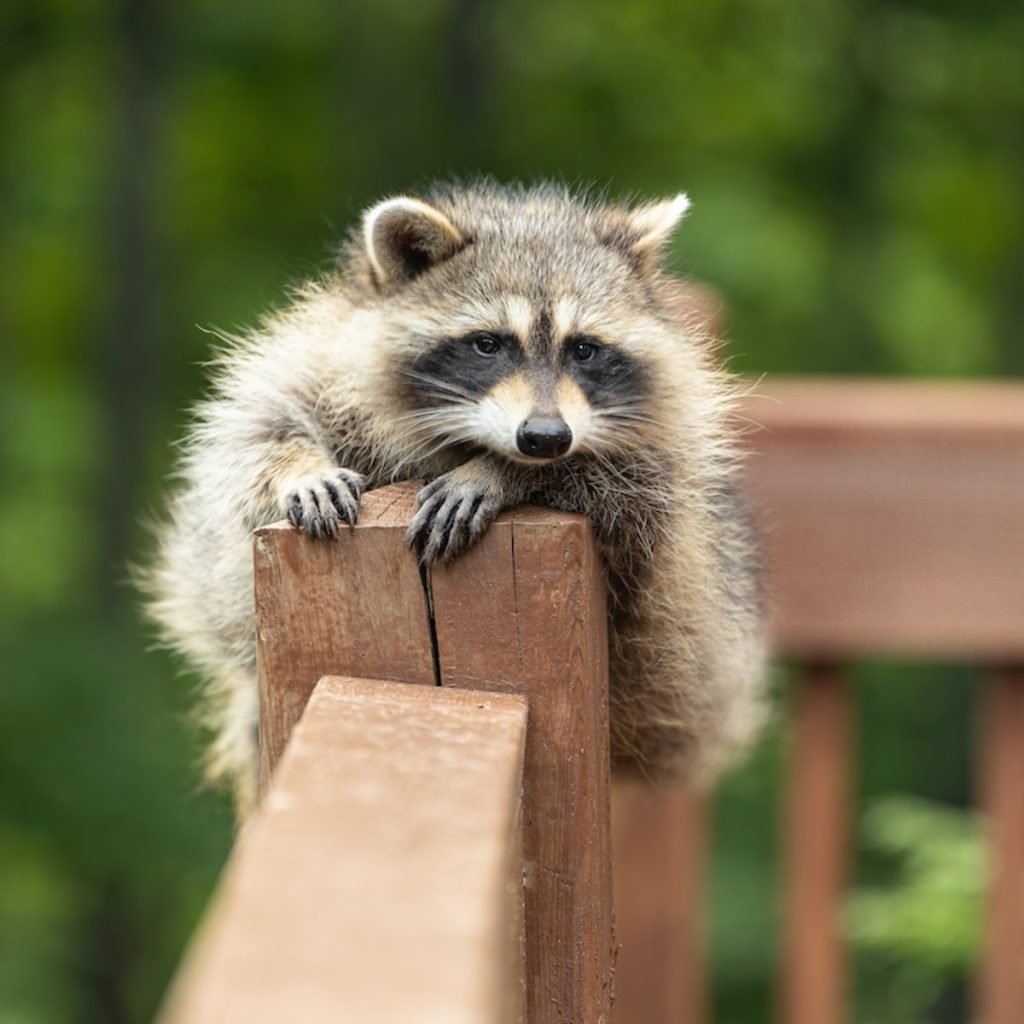
Have you ever wondered if raccoons pose a real threat to your cat? You might have heard stories or seen strange animal encounters and felt concerned for your furry friend’s safety.
Understanding whether raccoons actually eat cats can help you protect your pet better. You’ll discover the truth behind raccoon behavior, what risks they really pose, and practical tips to keep your cat safe. Keep reading to clear up the mystery and give your pet the protection it deserves.
Credit: paradepets.com
Raccoon Diet Basics
Raccoons have a varied diet. They adapt to their surroundings. These adaptable creatures are known for their resourcefulness. They find food in urban and wild environments alike.
Understanding their diet helps explain their behavior and interactions. Do raccoons eat cats? This question arises from observing their eating habits.
Common Foods Raccoons Eat
Raccoons are omnivores. They eat both plants and animals. Their diet includes fruits, nuts, and seeds. They also consume insects and small animals.
Urban raccoons might raid trash cans. They find leftovers and scraps. These clever creatures can open containers. They are always on the hunt for an easy meal.
Opportunistic Feeding Habits
Raccoons are opportunistic feeders. They eat what is available to them. This trait helps them survive in various habitats. They adapt to food changes quickly.
They may eat small mammals if necessary. This includes rodents and birds. But, they usually prefer easier food sources. Cats are not their primary food choice.
Raccoons And Cats: Typical Interactions
Raccoons and cats often share the same outdoor spaces. Their encounters can be curious or tense. Understanding their typical interactions helps keep both animals safe.
Raccoons are wild animals, mostly active at night. Cats are curious and can be both indoor and outdoor pets. Their paths cross in backyards, alleys, and parks.
Behavior Around Domestic Cats
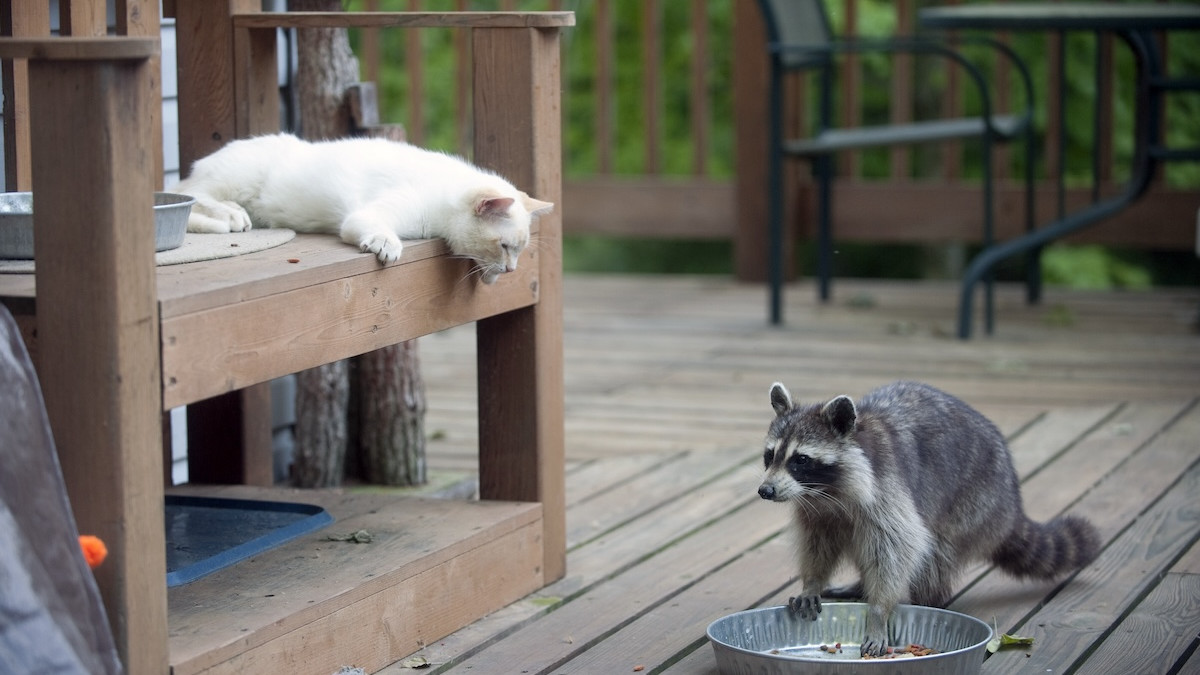
Raccoons usually avoid direct contact with cats. They are cautious and prefer to stay hidden. Sometimes, raccoons watch cats from a distance.
Cats may hiss or swat to warn raccoons away. Most cats act defensively rather than aggressively. Raccoons are not natural hunters of cats.
Both animals may share food sources like trash bins. This can increase their chances of meeting. Raccoons often scavenge, while cats hunt small prey.
Territorial Conflicts
Raccoons and cats can compete over space and food. Territorial disputes happen mostly at night. Raccoons are strong and can be aggressive if threatened.
Cats defend their territory with loud meows and posturing. Raccoons use growls and physical displays to scare off rivals. Injuries can occur during these fights.
Owners should secure food and trash to reduce conflicts. Keeping cats indoors at night lowers risks. Clear boundaries help both animals avoid stress.
Can Raccoons Attack Cats?
Raccoons and cats may cross paths, especially in areas where wildlife and homes meet. Understanding whether raccoons can attack cats is important for pet safety. Raccoons are wild animals that can be unpredictable. Their behavior depends on the situation and environment.
Situations Leading To Aggression
Raccoons usually avoid cats. They attack only when they feel threatened or cornered. Food competition can also trigger aggression. If a raccoon finds a cat near its food source, it may act defensively. Mothers with babies nearby are more protective and aggressive. Sudden movements or loud noises might provoke an attack too.
Risk Factors For Cats
- Outdoor cats roaming near raccoon habitats face higher risks.
- Cats that chase or provoke raccoons increase chances of fights.
- Nighttime encounters are more common, as raccoons are nocturnal.
- Small or sick cats are more vulnerable to attacks.
- Unsupervised pets near garbage or food attract raccoons.

Credit: www.yahoo.com
Evidence Of Raccoons Preying On Cats
Seeing raccoons near your home can be unsettling, especially if you have cats. You might wonder if these masked creatures pose a real threat to your furry friends. Understanding the evidence around raccoons preying on cats can help you take the right precautions to keep your pets safe.
Reported Incidents
There have been documented cases where raccoons attacked cats, particularly in areas where food is scarce. Some pet owners share stories of their cats returning with scratches or bite marks, suggesting close encounters. Wildlife rescue centers occasionally report raccoons preying on small or injured cats, especially at night when both animals are active.
However, these incidents are relatively rare compared to raccoons scavenging for food like garbage or pet food left outside. Most raccoons avoid direct confrontations with healthy adult cats. Still, young kittens or sick cats can be vulnerable targets.
Expert Opinions
Wildlife experts generally agree that raccoons are opportunistic feeders, meaning they will eat whatever is easily available. Cats are not a preferred food source, but raccoons may attack if they feel threatened or desperate. Veterinarians advise keeping cats indoors at night to reduce any chance of dangerous encounters.
Animal behaviorists point out that raccoons usually prefer scavenging over hunting, but competition for food can increase aggressive behavior. Experts recommend securing trash cans and removing outdoor pet food to discourage raccoons from lingering near your home. Are you providing safe outdoor spaces where your cats can roam without risk?
Preventing Conflicts Between Raccoons And Cats
Preventing conflicts between raccoons and cats is crucial for keeping your furry friend safe and your property secure. Raccoons can be curious and sometimes aggressive, especially when food is involved. Taking simple, effective steps can reduce encounters and protect both animals.
Securing Food Sources
Raccoons are attracted to easy meals, so managing food sources is key. Avoid leaving pet food outdoors overnight; raccoons can smell it from a distance. Store trash cans in secure bins with tight lids to block access.
You might find that raccoons visit less frequently if you remove bird feeders or clean up fallen seeds regularly. Feeding your cat indoors or only during supervised times also minimizes temptation for raccoons. Have you noticed raccoons rummaging through your garbage? That’s a clear sign to tighten your food storage.
Safe Outdoor Practices
Letting your cat roam freely at night increases the risk of raccoon encounters. Consider keeping your cat indoors during dusk and dawn when raccoons are most active. If your cat enjoys the outdoors, create a secure cat enclosure that keeps raccoons out but still allows fresh air and sunshine.
Using motion-activated lights or sprinklers can also deter raccoons from coming close to your home. Regularly check your yard for openings where raccoons could enter and block them. Think about how your outdoor space can be a safe zone rather than a raccoon playground.
What To Do If Your Cat Encounters A Raccoon
Raccoons can be curious and sometimes aggressive around cats. Knowing what to do if your cat meets a raccoon helps keep your pet safe. Quick and calm actions reduce risks and protect your cat from harm.
Immediate Actions
- Keep calm and stay close to your cat.
- Call your cat inside gently but firmly.
- Do not try to touch or catch the raccoon.
- Check your cat for visible injuries or scratches.
- Clean any wounds with mild soap and water.
- Keep your cat indoors to prevent further encounters.
When To Seek Veterinary Care
- Look for bleeding, swelling, or limping in your cat.
- Watch for unusual behavior like hiding or lethargy.
- Visit a vet immediately if your cat has bite wounds.
- Raccoons can carry diseases like rabies and parasites.
- Follow the vet’s advice on vaccinations and treatments.
- Keep your cat calm and comfortable during the visit.

Credit: www.reddit.com
Frequently Asked Questions
Do Raccoons Attack Cats Frequently?
Raccoons rarely attack cats. They prefer scavenging food and avoid confrontations. Attacks usually happen only if raccoons feel threatened or cornered.
Can Raccoons Carry Diseases Harmful To Cats?
Yes, raccoons can carry diseases like rabies and parasites. These illnesses can be harmful or fatal to cats if transmitted.
How To Protect Cats From Raccoon Encounters?
Keep cats indoors at night. Secure trash bins and remove food sources outside. Use deterrents like motion-activated lights to keep raccoons away.
Do Raccoons See Cats As Prey?
Raccoons do not typically see cats as prey. They are omnivores and mostly eat plants, insects, and small animals like rodents.
Conclusion
Raccoons usually do not eat cats. They mostly eat plants, fruits, and small animals. Cats are quick and can defend themselves well. Still, raccoons might fight if they feel scared or threatened. Keep your cat safe by watching it outside.
Make sure trash is secure to avoid attracting raccoons. Understanding raccoon behavior helps protect your pets. Stay aware and take simple steps to keep both animals safe. Safe pets, happy homes.
