

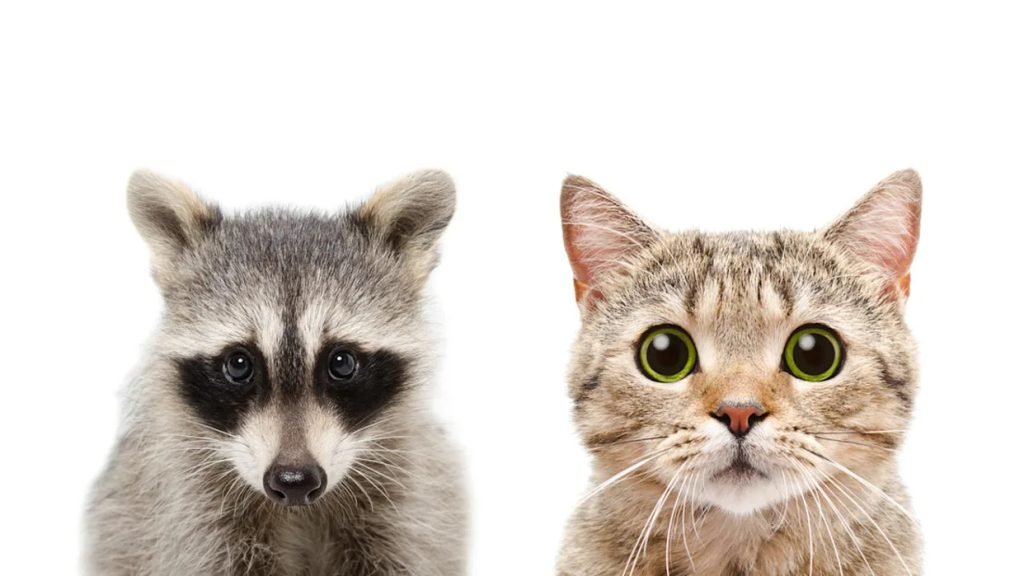
Have you ever wondered if raccoons pose a real threat to your house cat? If your furry friend spends time outdoors, it’s natural to worry about unexpected encounters with wildlife.
Raccoons are clever and curious creatures, but do they actually attack house cats? Understanding what might happen if these two cross paths can help you protect your pet and keep your home safe. Keep reading to discover the facts, learn how to spot danger, and find out what you can do to keep your cat out of harm’s way.

Credit: savearlingtonwildlife.org
Raccoon Behavior Near Homes
Raccoons are curious creatures. They often explore areas near homes. These masked mammals thrive in urban settings. Their adaptable nature lets them find food and shelter easily. Understanding their behavior can help protect your pets.
Raccoon Habits At Night
Raccoons are nocturnal. They become active after sunset. During the night, they search for food. Garbage bins attract them. They also explore gardens and yards. Their night vision helps them spot easy meals. Cats may cross paths with them.
Attraction To Residential Areas
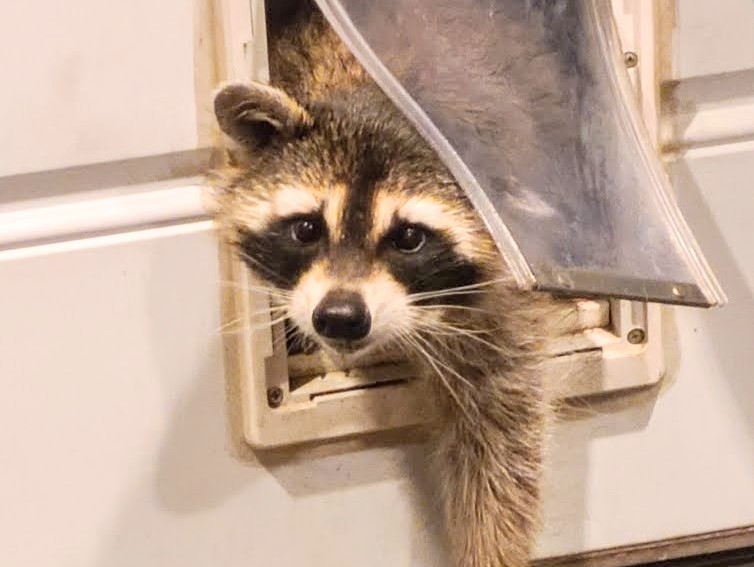
Raccoons are drawn to human habitats. They find food scraps and pet food. Bird feeders also attract them. They seek warm places for shelter. Attics and basements are ideal for nesting. Secure your home to prevent unwanted visits.
Credit: www.skedaddlewildlife.com
Raccoon And Cat Interactions
Understanding how raccoons and house cats interact can help you protect your pets and avoid unnecessary conflicts. These encounters vary widely depending on the situation, environment, and behavior of both animals. Knowing what to expect can prepare you to act quickly and keep your cat safe.
Typical Encounters
Raccoons and cats often cross paths in neighborhoods, especially at night when both are active. Many times, their meetings are brief and non-confrontational, such as when a raccoon rummages through trash and a cat curiously watches from a distance.
Sometimes, raccoons are attracted to pet food left outside, which can lead to closer contact with your cat. If your cat is outdoors, you might notice them staring, hissing, or even chasing the raccoon away. However, most encounters involve cautious posturing rather than physical fights.
Have you ever seen your cat silently observing a raccoon nearby? That moment of tension can quickly escalate if one feels threatened or cornered. Paying attention to these subtle signs helps you step in before things get dangerous.
Aggressive Vs Defensive Actions
Raccoons rarely attack unless they feel threatened or are protecting their young. Their aggressive actions may include growling, showing teeth, or lunging. These are warning signs rather than outright attacks, signaling they want to avoid a fight.
Cats, on the other hand, might hiss, arch their backs, or swipe with claws when scared or challenged. These defensive moves are meant to protect themselves rather than provoke. If your cat displays these behaviors, it’s a clear sign to remove them from the area immediately.
- Aggressive signs in raccoons:Raised fur, loud vocalizations, lunging.
- Defensive signs in cats:Hissing, puffed-up tail, defensive swipes.
- What to do:Avoid intervening physically; instead, use noise or water to scare the raccoon away.
Have you noticed how your cat reacts to a raccoon’s presence? Understanding these signals can prevent injuries and stressful situations for both animals. Remember, keeping your cat indoors or supervised outside reduces the chances of risky encounters.
Reasons For Raccoon Attacks
Raccoons don’t usually go out of their way to attack house cats. However, there are certain situations where conflicts arise, leading to aggressive behavior. Understanding the reasons behind these attacks can help you protect your pets better and avoid unnecessary encounters.
Territorial Disputes
Raccoons are territorial animals and tend to defend their space fiercely. If a cat wanders too close to a raccoon’s den or frequently visits an area the raccoon considers its own, tensions can flare. You might notice your cat avoiding certain spots after a raccoon has marked its territory there.
Food Competition
Both raccoons and cats are opportunistic feeders, often hunting or scavenging in the same neighborhoods. When food sources are limited, raccoons may see cats as rivals and become aggressive. If you leave pet food outside, it’s like sending an open invitation for these face-offs to happen.
Protecting Offspring
Mother raccoons are highly protective of their young. If your cat unknowingly approaches a raccoon’s den, the mother may attack to defend her babies. This instinctual behavior isn’t personal—it’s survival. Have you ever wondered how close your cat gets to hidden wildlife spots in your yard?
Signs Your Cat Has Been Attacked
Recognizing the signs that your cat has been attacked by a raccoon can make a huge difference in how quickly you get them the help they need. Cats often hide pain and injuries, so it’s important to be alert to subtle clues. Knowing what to look for can protect your furry friend from serious complications.
Physical Injuries To Watch For
Check your cat carefully for any visible wounds after outdoor time. Raccoons have sharp claws and strong jaws, so bites, scratches, and puncture marks are common. These injuries can become infected quickly if untreated.
Swelling and redness around the wound site are warning signs. You might notice limping or difficulty moving if the attack caused muscle or joint damage. Also, keep an eye out for unusual discharge or bleeding.
- Open wounds or punctures
- Swelling and redness
- Bleeding or discharge
- Limps or stiffness
Behavioral Changes In Cats
Your cat’s behavior can reveal a lot about hidden pain or fear. After an attack, many cats become withdrawn or unusually aggressive. They might hide more often or refuse to eat, which are red flags.
Some cats might vocalize more with hissing or growling, signaling stress or discomfort. Have you noticed your cat suddenly avoiding you or other pets? Changes in sleeping patterns or grooming habits can also indicate trouble.
- Hiding or avoiding interaction
- Increased aggression or vocalizing
- Loss of appetite
- Changes in grooming or sleep
Have you ever found your cat acting out of character after being outside? Paying attention to these signs can help you act fast and get veterinary care before an infection or injury worsens.
Preventing Raccoon Conflicts
Preventing conflicts between raccoons and house cats is key to keeping both safe. Raccoons are curious and can become aggressive if threatened or hungry. Taking simple steps around the home reduces the chance of dangerous encounters.
Securing Trash And Food Sources
Raccoons are attracted to easy food. Leaving trash cans open invites them close to your home. Use sturdy bins with tight lids to keep raccoons out. Avoid leaving pet food outside overnight. Clean up fallen fruit or birdseed from the yard. These small actions limit raccoon visits and reduce risks for your cats.
Safe Outdoor Spaces For Cats
Allow cats outside only in controlled areas. Enclosed patios or catios keep cats safe from raccoons. Supervised outdoor time is best to watch for wild animals. Provide hiding spots and elevated places for cats to escape threats. These safe zones help cats enjoy outside without danger from raccoons or other wildlife.
What To Do If An Attack Occurs
Knowing what to do if a raccoon attacks your house cat can make a huge difference in your pet’s recovery. Quick action is key to minimizing injury and preventing infections. Being prepared helps you stay calm and act effectively when every second counts.
Immediate First Aid Steps
First, separate your cat from the raccoon carefully to avoid further harm to both animals and yourself. Use a thick towel or blanket to gently pick up your cat, protecting yourself from bites or scratches.
Check your cat’s wounds closely. Clean any visible scratches or bites with warm water and mild soap to remove dirt and bacteria. Avoid using hydrogen peroxide or alcohol as they can damage tissue further.
If bleeding is heavy, apply gentle pressure with a clean cloth to stop it. Keep your cat calm and in a quiet place to reduce stress and shock.
When To Seek Veterinary Care
Even if wounds seem minor, consult your vet immediately. Raccoons carry diseases like rabies and parasites that can be transmitted to your cat through bites or scratches.
Watch for signs of infection such as redness, swelling, pus, or your cat acting lethargic and refusing to eat. These symptoms require prompt medical attention.
Your vet may prescribe antibiotics or rabies vaccinations. Delaying care can lead to serious complications, so don’t hesitate to call your vet as soon as possible.
Raccoon Myths And Facts
Raccoons often get a bad reputation when it comes to their interactions with house cats. Many stories and warnings circulate about aggressive raccoons attacking pets, but how much of this is true? Understanding the myths and facts can help you better protect your cat and remain calm in situations involving these curious creatures.
Common Misconceptions
One common myth is that raccoons actively hunt and attack house cats. Most raccoons are nocturnal and prefer to avoid confrontations with larger animals, including cats.
People often assume raccoons carry rabies at high rates, making every encounter dangerous. While raccoons can carry rabies, not every raccoon is infected, and aggressive behavior is a more reliable sign of illness than just their presence.
Another misconception is that raccoons are always aggressive. In reality, raccoons usually display defensive behavior only when cornered or threatened.
Real Risks To Pets
Despite myths, raccoons can pose real risks to your cat, especially if they compete over food or territory. Raccoons are strong and can injure cats during fights, particularly if your cat ventures outdoors at night.
Raccoons can carry parasites and diseases like roundworms and leptospirosis that may affect your pet’s health. It’s important to keep your cat’s vaccinations and parasite prevention up to date.
Have you noticed your cat acting stressed after an outdoor encounter? Monitor any changes in behavior or wounds, and consult your vet promptly if you suspect contact with a raccoon.

Credit: www.yahoo.com
Frequently Asked Questions
Do Raccoons Often Attack House Cats?
Raccoons rarely attack house cats unless threatened or cornered. Most encounters involve avoidance, as raccoons prefer to scavenge quietly.
Can Raccoons Harm Cats Outdoors?
Yes, raccoons can harm cats outdoors if provoked. They may bite or scratch during territorial disputes or fights.
How To Protect Cats From Raccoon Attacks?
Keep cats indoors at night, secure trash, and remove attractants. Supervise outdoor cats to minimize risky encounters with raccoons.
Why Do Raccoons And Cats Fight?
Fights usually occur over food or territory. Both animals feel threatened, leading to defensive or aggressive behavior.
Conclusion
Raccoons can sometimes be aggressive toward house cats. They usually avoid fights but may attack if they feel threatened. Keep your cats indoors at night to stay safe. Watch your pets during outdoor playtime. Secure trash cans to prevent raccoons from coming close.
Knowing this helps protect your furry friends. Stay alert and take simple steps to avoid trouble. Peace of mind matters for every pet owner.
