

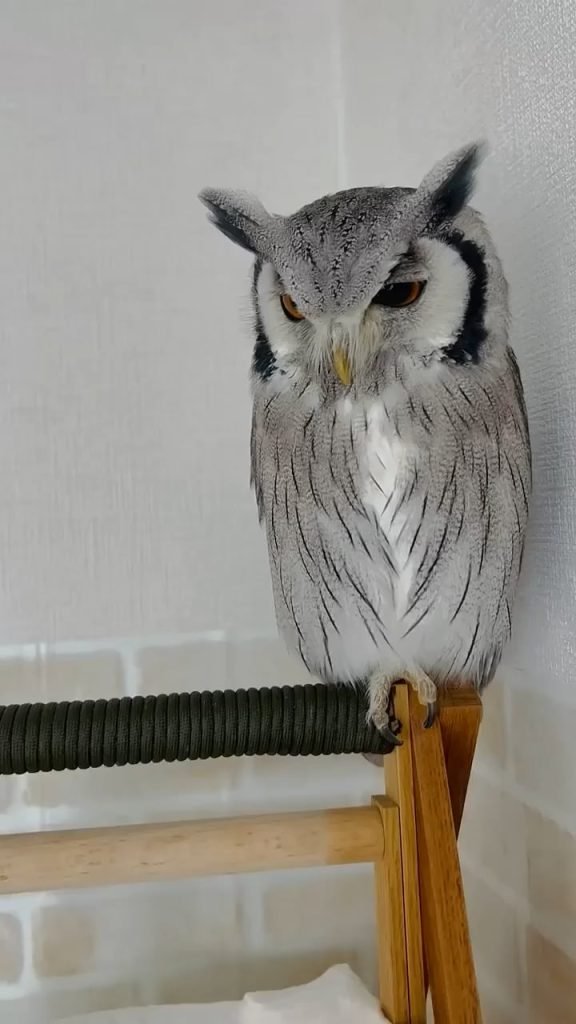
Have you ever wondered if owls see your cat as a meal? It’s a question that worries many pet owners, especially those who let their cats roam outside.
You want to keep your furry friend safe, but the mystery of what owls really hunt can leave you feeling uneasy. You’ll discover the truth about whether owls prey on cats and what you can do to protect your beloved pet.
Stay with me, because understanding this will give you peace of mind and help you make smart choices for your cat’s safety.
Owls As Predators
Owls are skilled predators that hunt mostly at night. They have sharp eyes and ears that help them find prey in the dark. Owls use stealth and speed to catch small animals. Their role as hunters makes them important in nature’s balance.
Hunting Techniques
Owls use silent flight to sneak up on prey. Special feathers reduce noise during flight. They listen carefully to locate animals under leaves or snow. Owls strike quickly with strong talons to catch their food. They can turn their heads up to 270 degrees to scan their surroundings.
Dietary Preferences
Most owls eat small mammals like mice, rats, and rabbits. They also hunt birds, insects, and frogs. Owls rarely attack larger animals. Cats are usually too big and alert to be prey. Young or very small cats might be at risk in rare cases. Owls prefer easy and safe prey to avoid injury.
Owls’ Natural Habitat
Understanding owls’ natural habitat is key to grasping their behavior and hunting patterns. These birds thrive in environments that provide ample cover and abundant prey. Their choice of habitat directly affects their interaction with other animals, including domestic pets like cats.
Typical Environments
Owls are adaptable but prefer areas where they can easily hunt and nest. Dense forests, woodlands, and marshlands often serve as their homes. Some species, like the Barn Owl, are comfortable near farmlands and open fields, where small mammals are plentiful.
Have you noticed owls near your neighborhood woods or parks? These spots offer the quiet and shelter owls need to spot their prey. Urban settings with large trees and green spaces can also attract owls, especially at night when their hunting begins.
Interaction With Other Species
Owls coexist with many species, balancing the local ecosystem. They primarily hunt small mammals, birds, and insects, rarely targeting larger animals. While owls may see small cats or kittens as potential prey, adult cats are usually too large and agile to be hunted.
Consider how owls hunt silently and use their sharp talons for capturing prey. This skill makes them effective nocturnal hunters but also means they avoid risky targets. If you let your cat roam outdoors, especially at night, it’s worth being aware of owl activity in your area.
Instances Of Owl Attacks On Cats
Many cat owners worry about owls swooping down and attacking their pets. While such incidents are rare, they do happen and are worth understanding. Knowing the details behind these attacks can help you protect your furry friends better.
Documented Cases
There are several documented cases where owls have attacked cats, mostly involving young or small cats. In some wildlife rehabilitation centers, reports mention injuries caused by owls’ sharp talons and beaks. These attacks often occur at dusk or during the night when owls are most active and cats may be outside.
One cat owner shared how their kitten was found with deep scratches after a night outside, which a vet later attributed to an owl attack. Such stories remind us that while uncommon, these predators can pose a real threat under certain conditions.
Factors Influencing Attacks
- Size and age of the cat:Smaller and younger cats are more vulnerable to owl attacks due to their size and limited ability to defend themselves.
- Time of day:Owls hunt mainly at night, so cats roaming outside after dark face higher risks.
- Location:Areas close to woodlands or open fields where owls nest tend to have more incidents.
- Hunger and environment:Scarcity of natural prey can push owls to target unusual prey like cats.
Have you noticed your cat behaving unusually cautious at night? That might be a sign they sense the presence of predators nearby.
By understanding these factors, you can decide the best times to keep your cat indoors or create safer outdoor spaces. Would you consider adjusting your cat’s routine to lower the risk of such encounters?

Credit: www.kansascity.com
Why Cats Might Be At Risk
Owls are fascinating predators, but if you own a cat, you might wonder if your furry friend could be in danger. Understanding why cats might be at risk helps you take steps to keep them safe. It’s not just about the size of the owl or the cat, but also how your cat behaves and where it roams.
Size And Vulnerability
Owls, especially larger species like the Great Horned Owl, can be surprisingly strong. Their talons are sharp enough to catch small mammals, and cats, particularly kittens and smaller breeds, can fall within their prey range.
Your cat’s size matters. A full-grown Maine Coon might seem too big to be threatened, but smaller cats or young kittens are more vulnerable. This risk increases if your cat is outdoors during dusk or night when owls hunt.
Behavior Patterns
Owls hunt mostly at night, which overlaps with when many cats are also active outside. If your cat likes to roam after dark, it might unknowingly put itself in the owl’s line of sight.
Cats that are curious and bold can attract predators. If your cat spends time in wooded areas or near open fields, it becomes an easier target. Does your cat come home with scratches or missing fur? That could be a sign of a close encounter with a wild predator.
Consider adjusting your cat’s outdoor time or providing a safe, enclosed space to reduce risks. Have you noticed any unusual behavior in your cat after outdoor visits at night? Paying attention to these details can make all the difference.
Protecting Cats From Owls
Protecting cats from owls is important, especially for outdoor cats. Owls are strong hunters with sharp talons and excellent night vision. They may see small cats as potential prey. Taking steps to keep cats safe can prevent unfortunate encounters. Safe environments and careful supervision help reduce risks. Understanding how to protect cats from owls keeps pets secure and happy.
Preventive Measures
- Keep cats indoors during dawn, dusk, and night. Owls hunt mostly at these times.
- Use bright outdoor lights to discourage owls from approaching your yard.
- Install motion-activated lights or alarms to scare away nighttime visitors.
- Supervise cats when they play outside, especially in areas with owl activity.
- Remove food sources like rodents that attract owls near your home.
- Use reflective tape or owl decoys to create a visual deterrent.
Safe Habitats For Cats
Create secure outdoor spaces where cats can play without risk. Enclosed cat patios or “catios” allow fresh air and sunshine safely. These areas keep cats protected from birds of prey and other dangers.
Ensure hiding spots and shelters are available in the yard. Cats feel safer with places to retreat if they sense danger. Dense bushes or small shelters work well.
Avoid open fields or tall grass near wooded areas. These places attract owls and make cats vulnerable. Keeping cats close to the house reduces chances of owl encounters.

Credit: www.reddit.com
Expert Insights
Experts provide valuable insights about owls and their hunting behavior. Understanding their nature helps clarify if owls hunt cats. These insights come from wildlife biologists and veterinarians who study animal interactions closely.
Wildlife Biologists’ Perspectives
Wildlife biologists explain that owls mainly hunt small animals. Their typical prey includes rodents, insects, and small birds. Owls rarely target animals as large as domestic cats. Most owls prefer prey they can easily carry and eat.
Large owls like the Great Horned Owl might attack small pets. But such cases are very rare. Biologists say owls avoid confrontations with bigger animals. They focus on prey that poses less risk to themselves.
Veterinarian Advice
Veterinarians note that owls do not commonly harm cats. Injuries from owl attacks on cats are uncommon. They advise keeping cats indoors at night for safety. Outdoor cats may attract owls searching for food.
Vets recommend monitoring cats for signs of injury after dusk. Owls are more active during nighttime hours. Being cautious helps protect pets from potential wildlife threats.

Credit: www.allaboutbirds.org
Frequently Asked Questions
Do Owls Hunt Domestic Cats Regularly?
Owls rarely hunt domestic cats. Most owls prefer small mammals like mice and rabbits. Large owls may attack kittens but it’s uncommon.
Can Large Owls Kill Adult Cats?
Large owls, such as great horned owls, can kill small adult cats. However, such attacks are rare and usually happen at night.
Are Cats At Risk From Owls In Urban Areas?
Cats in urban areas face low risk from owls. Owls mostly hunt in forests or rural regions, avoiding busy human environments.
How Can I Protect My Cat From Owls?
Keep cats indoors at night and supervise outdoor time. Installing outdoor lights may deter owls from approaching your yard.
Conclusion
Owls rarely hunt cats because cats are too big and fast. Most owls prefer small animals like mice or birds. Cats usually stay safe by being alert and quick. Still, it’s good to watch your cat outdoors at night. Owls live mostly in forests and open fields, not busy areas.
Understanding owl behavior helps keep pets safe and happy. Keep your cat close during dark hours to avoid any risks. Nature has its balance, and both owls and cats have their places. Stay aware, and your cat will enjoy a safe life outside.
