

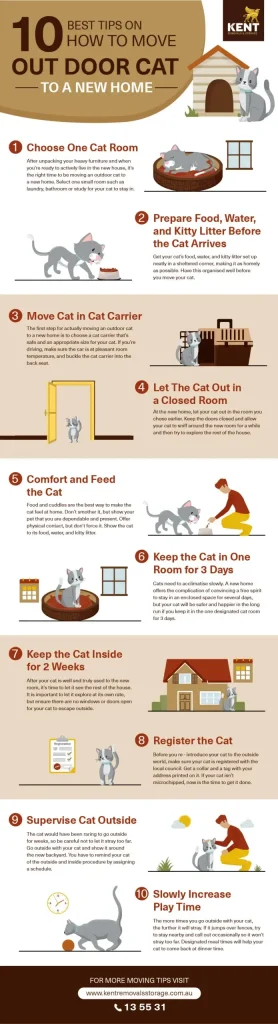
Do you have an outdoor cat and wonder if it really needs a litter box? You might think that since your furry friend spends most of its time outside, a litter box isn’t necessary.
But is that really true? Understanding whether your outdoor cat needs a litter box can save you from unexpected messes and keep your pet healthier and happier. Keep reading to discover what experts say and what’s best for your cat’s comfort and your peace of mind.

Credit: www.outdoorbengal.com
Understanding Outdoor Cats
Outdoor cats have unique habits that differ from indoor cats. They explore larger areas and face different challenges. Understanding their nature helps decide if they need a litter box outside.
Characteristics Of Outdoor Cats
- They roam freely in gardens, streets, or parks.
- Often hunt small animals and insects.
- Have thicker fur to protect from weather.
- More alert and cautious of dangers.
- Mark territory with scent and scratches.
Behavioral Patterns
- Use natural spots like soil or grass to relieve themselves.
- Prefer quiet, hidden places for privacy.
- Return to familiar areas regularly.
- May avoid crowded or noisy spots.
- Often create small holes to bury waste.
Natural Habits
Cats have natural habits that guide their behavior outdoors. These habits influence how they find places to relieve themselves. Understanding these instincts helps decide if outdoor cats need a litter box.
Instinctual Behaviors
Cats instinctively bury their waste. This helps hide their scent from predators and other animals. Wild cats dig shallow holes to cover their feces and urine. This behavior keeps them safe and clean. Domestic cats, even outdoors, usually keep this habit. They look for soft soil, sand, or loose dirt to dig.
These instincts reduce the need for a man-made litter box outside. Cats prefer natural surfaces that feel familiar to them. They avoid hard or rough areas when eliminating waste. This instinct drives outdoor cats to find suitable spots on their own.
Outdoor Elimination Practices
Outdoor cats typically use the environment to relieve themselves. They search for quiet, hidden spots away from people and other animals. Grass, soil, and garden beds are common choices. Cats often return to the same spots repeatedly. This keeps their territory marked and helps them feel secure.
Some cats may avoid certain areas due to smell or disturbance. Rain and weather can change where cats choose to go. Unlike indoor cats, outdoor cats rarely need a litter box. They rely on natural spaces to meet their needs.
Benefits Of A Litter Box
Providing a litter box for outdoor cats offers several important benefits. It helps maintain cleanliness and supports their well-being. Setting up a litter box outdoors can create a controlled environment. This makes life easier for both cats and their owners.
Health And Hygiene
A litter box keeps the area clean and free from waste. It reduces the risk of parasites and infections. Cats prefer a clean spot to relieve themselves. This encourages good bathroom habits and prevents messes. Regular cleaning of the litter box stops odors and bacteria build-up.
Safety And Security
A litter box offers a safe place for cats to go. It protects them from dangers like traffic or predators. Cats feel more secure with a familiar bathroom spot. This can reduce stress and anxiety in outdoor cats. A litter box also helps owners monitor their cat’s health by checking waste regularly.
Selecting The Right Litter Box
Choosing the right litter box for your outdoor cat can make a big difference in how comfortable and willing they are to use it. The right box fits your cat’s size and habits while blending well with your outdoor space. Picking the perfect litter and design can help keep your yard clean and your cat happy.
Size And Design Considerations
Your cat needs enough room to move around and dig comfortably. A litter box that’s too small can discourage use or cause messes outside the box. Think about the size of your cat and add a few extra inches to make sure they don’t feel cramped.
Design matters too. Covered litter boxes can protect the litter from rain and keep odors contained, but some cats dislike the enclosed feeling. Open boxes are easier to clean and more inviting for some cats, especially if they are shy or nervous outdoors.
Have you noticed if your cat prefers privacy or an open space? Tailoring the design to their personality can improve success dramatically. Also, consider durability since outdoor boxes face weather and animals; sturdy materials like heavy plastic or resin work well.
Choosing Appropriate Litter
The type of litter you choose affects odor control and how easy it is to clean. Clumping litter helps you remove waste quickly without changing all the litter, which is useful outdoors. But some clumping litters can harden when wet from rain, so look for water-resistant options.
Natural or biodegradable litters like wood pellets or corn-based ones are eco-friendly and break down safely outside. These types also tend to attract fewer bugs, which is a big plus for outdoor setups. Avoid dusty litters as they can irritate your cat’s lungs and get messy in the wind.
What kind of litter do you think your cat would prefer? Trying a couple of options can help you find the best fit. Remember, a happy cat is more likely to use the box consistently, keeping your yard cleaner and your pet healthier.
Training Outdoor Cats
Training outdoor cats to use a litter box requires patience and consistency. Cats are creatures of habit and need clear signals to understand new routines. Outdoor cats may not naturally take to a litter box, but with careful introduction, they can learn to use it regularly.
Introducing The Litter Box
Place the litter box in a quiet, accessible outdoor spot. Choose a location sheltered from rain and wind. Use litter that feels natural to cats, such as sand or soil-based litter. Let the cat explore the box without pressure. Gently place the cat inside the box after meals or naps. This helps the cat associate the box with bathroom time.
Encouraging Consistent Use
Keep the litter box clean by scooping daily. Cats prefer cleanliness and avoid dirty boxes. Praise the cat softly after using the box. Use treats to reward successful use. Observe your cat’s habits to adjust the box’s location if needed. Consistency builds trust and helps the cat develop a routine.
Addressing Common Challenges
Outdoor cats bring a unique set of challenges when it comes to using a litter box. Unlike indoor cats, they have access to a wide outdoor space, which can make introducing a litter box tricky. Addressing these challenges thoughtfully can make a big difference in your cat’s comfort and your home’s cleanliness.
Dealing With Resistance
Outdoor cats often resist using a litter box because they are used to the freedom of choosing their own spots outside. You might notice your cat ignoring the box or going elsewhere. Patience and consistency are key here.
Try placing the litter box in a quiet, sheltered outdoor area. Make sure it’s easily accessible but not in a high-traffic spot. You can also experiment with different types of litter to find what your cat prefers.
Have you observed your cat’s favorite outdoor bathroom spots? Try placing the box nearby to gently guide them towards it. Remember, sudden changes can cause stress, so introduce the box slowly and reward your cat for using it.
Maintaining Cleanliness
Keeping a litter box clean outdoors is more challenging than inside. Dirt, leaves, and weather can quickly dirty the box, which might discourage your cat from using it. Regular cleaning is essential to keep the box inviting.
Set a schedule to scoop the litter at least once a day. You may also want to rinse and replace the litter completely every week. Using a covered litter box can help protect it from rain and debris.
Consider placing a mat under the litter box to catch stray litter and reduce mess. This simple step can save you time and keep the area tidy. How often do you currently check your outdoor cat’s litter spot? Increasing the frequency might improve your cat’s habits and your yard’s cleanliness.
Expert Tips For Success
Providing a litter box for outdoor cats can be a game-changer, but success depends on more than just placing a box outside. You need to create a space that feels safe and natural for your cat. Plus, keeping an eye on their health ensures they use the litter box comfortably and regularly.
Environmental Enrichment
Outdoor cats need stimulation to feel at ease and use the litter box consistently. Adding natural elements like soft soil or sand near the litter box mimics their preferred digging spots. You might notice your cat prefers one texture over another—pay attention to these preferences.
Shade and shelter nearby can make the litter box inviting. Cats avoid places exposed to harsh weather or predators. A quiet corner with some plants or a small covered area encourages your cat to visit the box regularly.
Try placing toys or scratching posts close to the litter spot. It creates a positive association, making your cat more likely to return. Have you ever seen your cat ignore a litter box? The environment might be the reason.
Monitoring Cat Health
Outdoor cats can develop health issues that affect their bathroom habits. Watch for signs like straining, frequent urination, or avoiding the litter box. These symptoms often indicate urinary tract infections or other problems that need vet attention.
Regularly check your cat’s fur and paws for cleanliness and injuries. Dirt or debris stuck around their bottom can discourage them from using the litter box. Keeping their coat clean helps maintain comfort and hygiene.
Notice changes in appetite or energy levels. A sick cat may stop using the litter box altogether. Early detection of health issues keeps your cat comfortable and helps maintain litter box success.
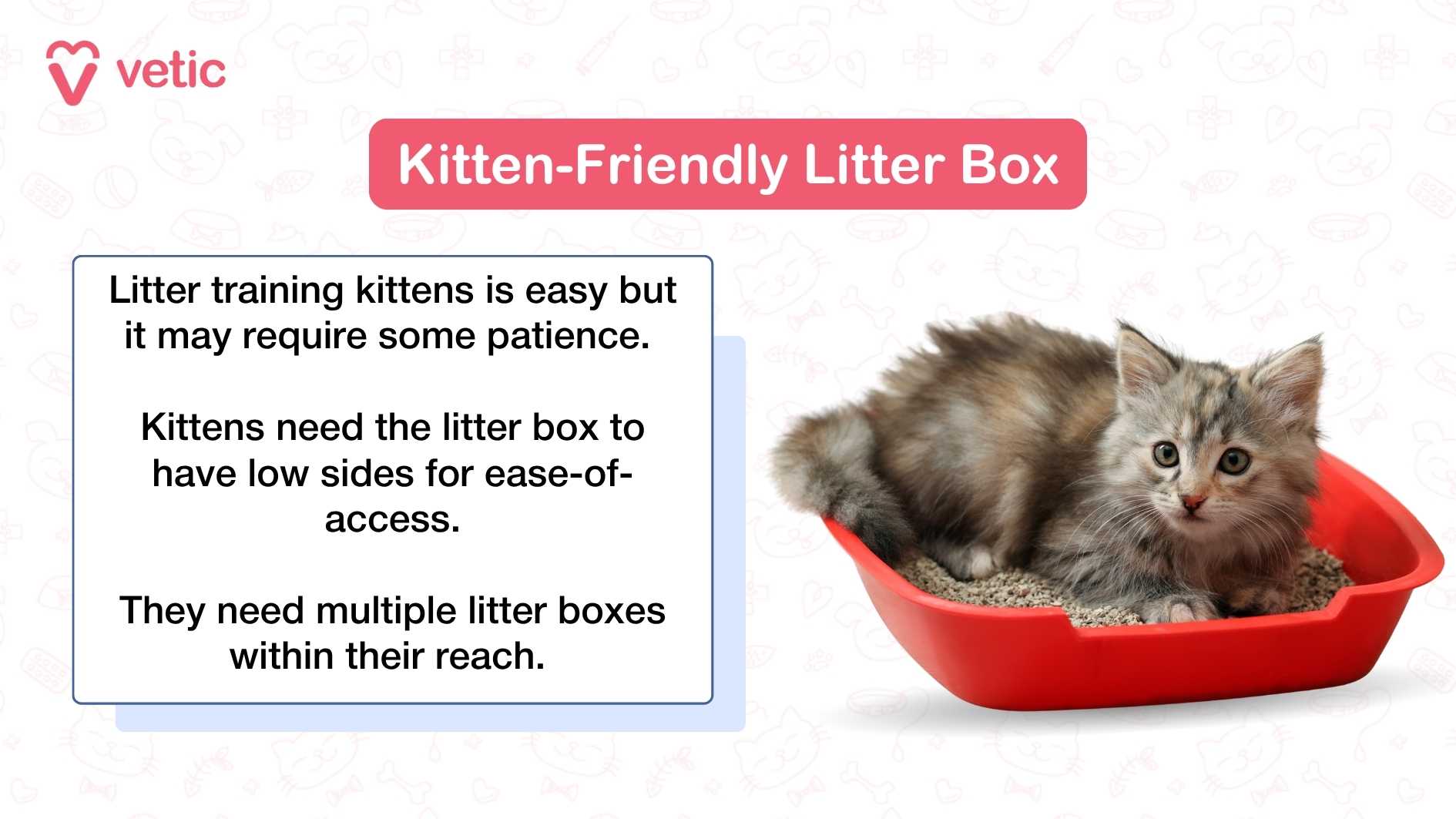
Credit: vetic.in

Credit: www.amazon.ca
Frequently Asked Questions
Do Outdoor Cats Need A Litter Box At All?
Outdoor cats usually don’t need a litter box. They prefer natural soil or grass to eliminate waste. However, a litter box can help if they spend time indoors or in confined outdoor spaces.
Can Outdoor Cats Use A Litter Box Effectively?
Yes, outdoor cats can use a litter box if introduced properly. It provides a clean, convenient spot for elimination. This is helpful during bad weather or if the outdoor area is unsuitable.
What Are Benefits Of Providing A Litter Box Outdoors?
A litter box outdoors keeps the area clean and reduces odors. It prevents cats from digging in unwanted spots. It also helps monitor their health through waste observation.
How To Encourage Outdoor Cats To Use A Litter Box?
Place the litter box in a quiet, accessible spot. Use familiar litter and keep it clean. Reward cats with treats to build positive associations and consistency.
Conclusion
Outdoor cats may not always need a litter box. They often find places outside to do their business. Still, a litter box can help keep your yard clean. It also gives your cat a safe spot during bad weather. Think about your cat’s habits and your outdoor space.
Choose what works best for both of you. Clean the litter box regularly to avoid smells. Simple steps can keep your cat happy and your yard neat.
