

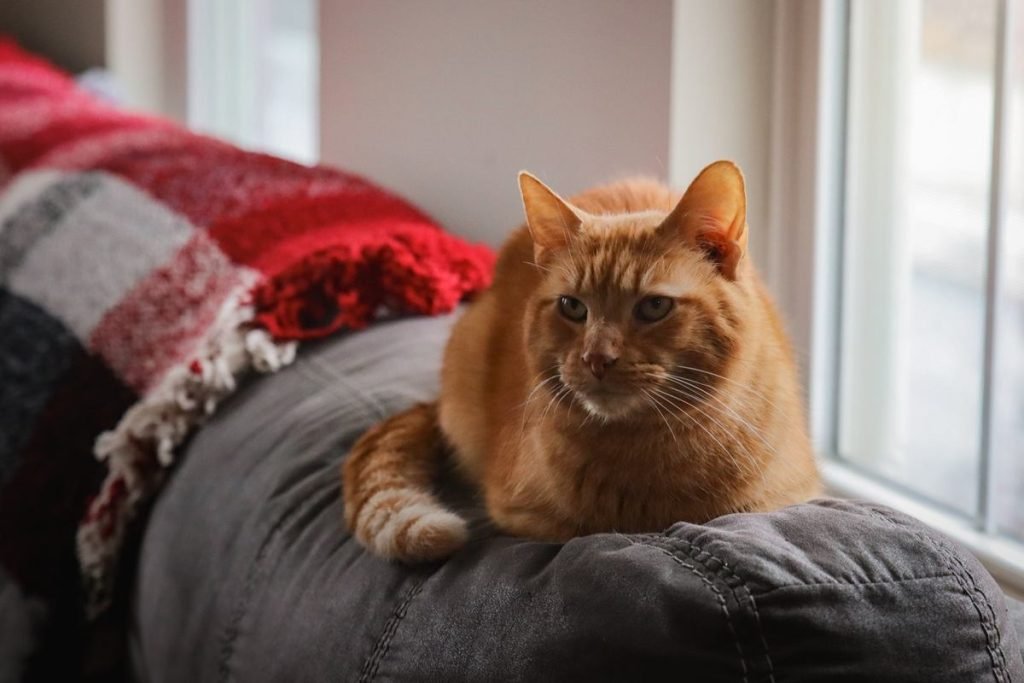
Have you ever wondered if your orange cat might face more health problems than other cats? If you’re a proud owner of a ginger feline or thinking about bringing one home, this question is probably on your mind.
Knowing the truth can help you keep your furry friend healthier and happier. You’ll discover surprising facts about orange cats and their health risks. Understanding these can make a big difference in how you care for your pet. Keep reading to find out what you need to watch for and how to give your orange cat the best life possible.
Orange Cat Genetics
Understanding orange cat genetics helps you see if their color links to health issues. Their bright coats come from specific genes that also influence other traits. Knowing these can guide you in caring for your orange feline friend better.
Genetic Traits Of Orange Cats
The orange color in cats is caused by the “O” gene, which is sex-linked. This means it is found on the X chromosome, making male cats more likely to be orange since they have only one X chromosome.
This gene changes black pigment to orange, but it does not affect other aspects of health directly. However, because the gene is linked to sex chromosomes, male orange cats are more common and may show different health patterns due to gender, not color.
Have you noticed your orange male cat behaves differently or has unique health needs? This could be partly because of these genetic connections.
Color And Breed Connections
Orange coloring appears in many breeds like the Domestic Shorthair, Maine Coon, and British Shorthair. The breed, not just the color, plays a bigger role in health problems.
Some breeds have genetic conditions that orange cats might inherit if they belong to those breeds. For example, Maine Coons can have heart disease, but this is unrelated to their orange color.
Knowing your cat’s breed alongside its color helps you predict and manage potential health risks. Are you aware of your orange cat’s breed background? This knowledge can be powerful in keeping your pet healthy.
Common Health Issues In Cats
Cats, regardless of their color, face certain health challenges throughout their lives. Understanding these common issues can help you recognize symptoms early and seek proper care. Let’s look closely at some of the health concerns that affect cats in general and those rooted in genetics.
General Cat Health Concerns
Every cat owner should watch for signs of common illnesses like dental disease, obesity, and urinary tract infections. These problems can affect any cat and often worsen if left untreated. Regular check-ups and a balanced diet are essential to keep your feline friend healthy.
- Dental Disease:Causes bad breath and can lead to pain or tooth loss.
- Obesity:Increases the risk of diabetes and joint problems.
- Urinary Tract Infections:Can cause discomfort and serious kidney issues.
Have you noticed your cat drinking more water or hiding more than usual? These could be subtle signs of health problems that need attention.
Genetic Disorders In Cats
Some health issues are linked to a cat’s genetic makeup. Certain breeds are more prone to specific disorders, but even mixed-breed cats can inherit problems.
For example, hypertrophic cardiomyopathy (a heart condition) is common in some breeds but can affect any cat. Orange cats, often males, do not have unique genetic diseases tied to their color, but they can inherit general feline genetic disorders.
- Hypertrophic Cardiomyopathy:Thickening of the heart walls that can lead to heart failure.
- Polycystic Kidney Disease:Causes cysts in kidneys, affecting function.
- Progressive Retinal Atrophy:Leads to vision loss over time.
Are you aware of your cat’s breed background? Knowing this can help you anticipate possible genetic health issues and prepare for them.
Health Problems Linked To Orange Cats
Orange cats are often admired for their vibrant coats and friendly personalities. But you might wonder if their color affects their health. Let’s take a closer look at what health issues, if any, are linked specifically to orange cats.
Research On Orange Cat Health
Scientific studies show that coat color alone doesn’t cause health problems. However, genetics tied to certain colors can sometimes play a role. For orange cats, no major health risks are directly linked to their fur color.
Some research points to male orange cats being more common due to genetics, but this doesn’t mean they have more health issues. Instead, their health depends on breed, environment, and care. Have you noticed if your orange cat seems healthier or less healthy than others?
Myths Vs Scientific Findings
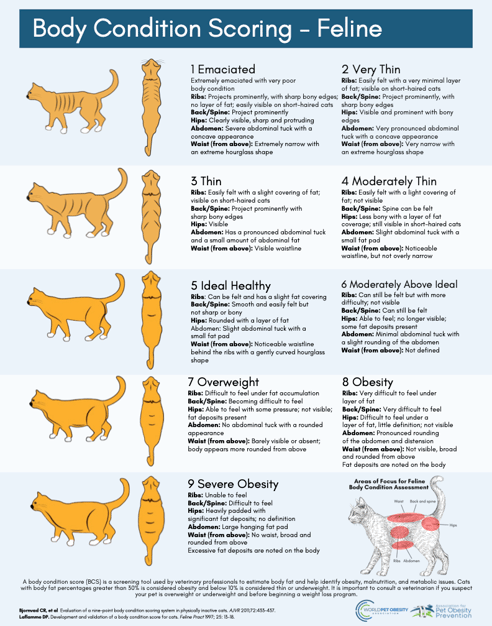
Many people believe orange cats have more health problems like obesity or diabetes. These ideas come from observation, but science doesn’t fully back them up. Factors like diet and lifestyle are more important than fur color.
It’s easy to confuse personality traits with health risks. Orange cats are often described as friendly and food-motivated, which might lead to overeating if not managed. This can increase health risks—but it’s not because they are orange.
- Myth:Orange cats get sick more often.
- Fact:No evidence shows orange cats have more diseases.
- Myth:Their color causes genetic disorders.
- Fact:Health issues depend on breed and care, not color.
Do you monitor your orange cat’s diet closely? This simple step can prevent many problems often mistakenly linked to their coat color.
Credit: www.preventivevet.com
Behavior And Lifestyle Factors
Behavior and lifestyle play a big role in the health of orange cats, just like with any pet. How active they are, their stress levels, and the environment they live in can all affect their well-being. Understanding these factors helps you spot potential health risks early and keep your furry friend happy.
Impact Of Behavior On Health
Orange cats often have distinct personalities that influence their health. Some are very playful and energetic, which can keep them fit and prevent obesity. Others might be more laid-back or even prone to anxiety, which can lead to issues like weight gain or digestive problems.
Think about your cat’s daily habits. Does your orange cat enjoy climbing and exploring, or does it prefer long naps in one spot? Cats that stay active tend to have better cardiovascular health and fewer joint problems.
Stress is another factor linked to behavior. Cats that feel anxious or bored may develop unhealthy habits such as over-grooming or scratching. These behaviors can cause skin problems or injuries that lead to infections.
Owner Care And Environment
Your role as an owner greatly affects your orange cat’s health. Providing a safe, stimulating environment helps reduce stress and encourages healthy behaviors. Simple things like interactive toys, scratching posts, and regular playtime make a big difference.
Consider the space your cat lives in. A cramped or noisy area can increase stress levels, impacting their immune system. On the other hand, a calm, clean space with plenty of natural light supports better health.
Nutrition and regular vet visits are part of care too. Feeding your cat a balanced diet and watching for changes in behavior or appetite can catch health problems early. Are you observing your orange cat’s daily routine closely enough to notice when something feels off?
Comparing Orange Cats To Other Cats
Orange cats are popular for their bright, warm fur. Many wonder if their health differs from other cats. Comparing their health helps understand if color affects well-being. Different coat colors may link to different health risks.
Health Statistics By Coat Color
Studies show some health trends in cats with specific coat colors. Orange cats often appear strong and healthy. Yet, some research hints at slight risks for certain issues.
Here is a simple overview of health by coat color:
- Orange Cats:Slightly higher risk of obesity and diabetes.
- Black Cats:Generally healthy with fewer noted risks.
- White Cats:More prone to deafness and sun-related skin problems.
- Gray Cats:Average health with no major color-linked risks.
These trends are general and do not predict individual cat health. Genetics and care play bigger roles than color alone.
Risk Factors Across Cat Types
Health risks depend more on breed and lifestyle than coat color. Some breeds have inherited conditions unrelated to fur color. Orange cats often belong to various breeds, making it hard to generalize.
Key risk factors across all cats include:
- Diet quality and obesity
- Exposure to outdoor dangers
- Access to regular veterinary care
- Genetic predispositions within breeds
Orange cats do not have unique risks beyond those common to many cats. Proper care and attention remain the best way to keep any cat healthy.

Credit: www.sciencenews.org
Tips For Orange Cat Care
Taking care of orange cats requires special attention to keep them healthy. These cats can face common health issues like obesity and dental problems. Proper care helps them live a long, happy life.
Preventive Health Measures
Regular vet visits catch health problems early. Vaccinations protect against diseases. Keep an eye on your cat’s weight and behavior. Check their teeth and gums often. Use flea and tick prevention year-round. Groom your cat to spot skin issues. Clean their ears to avoid infections.
Nutrition And Exercise
Feed high-quality cat food made for their age and health needs. Avoid giving too many treats or human food. Fresh water should always be available. Encourage play to keep your cat active. Use toys like balls, feathers, or laser pointers. Set aside daily time for exercise. A healthy diet and activity prevent obesity and related problems.
Credit: pethelpful.com
Frequently Asked Questions
Do Orange Cats Have More Genetic Health Issues?
No, orange cats do not have more genetic health problems. Their color is linked to a specific gene, not health risks. Health depends more on breed, diet, and care than fur color. Proper veterinary care keeps any cat healthy regardless of color.
Are Orange Cats Prone To Specific Diseases?
Orange cats are not specifically prone to unique diseases. Their health risks are similar to other cats of the same breed. Regular check-ups and vaccinations are essential to prevent common feline illnesses. Fur color does not determine disease susceptibility.
Does Fur Color Affect A Cat’s Lifespan?
Fur color does not impact a cat’s lifespan. Lifespan depends on genetics, environment, nutrition, and healthcare. Orange cats can live just as long as cats of other colors with proper care. Focus on overall health rather than coat color.
Is Orange Fur Linked To Behavioral Health Problems?
Orange fur is not linked to behavioral health issues. Behavior is influenced by genetics, socialization, and environment, not color. Orange cats are often described as friendly and affectionate. Regular mental stimulation and social interaction promote good behavior.
Conclusion
Orange cats do not have more health problems than other cats. Their coat color does not affect their health. Like all cats, they need regular vet check-ups. Good food, exercise, and love keep them healthy. Watch for common cat illnesses and act fast.
Each cat is unique, so care matters most. Enjoy your orange cat’s bright personality and charm. Health depends on care, not fur color. Keep your cat happy and safe every day.
