

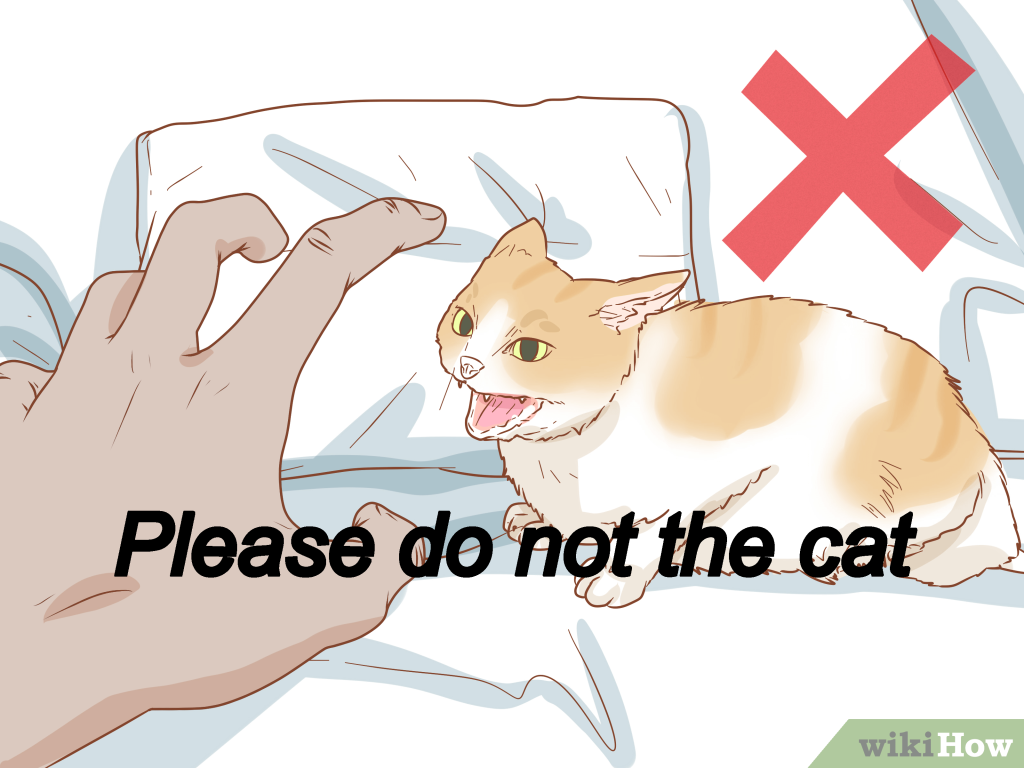
Have you ever noticed how a simple phrase can spark curiosity and make you pause? “Do Not the Cat” might sound puzzling at first, but it holds a surprising lesson that can change how you see things around you.
If you’re wondering what this means and why it matters to you, keep reading. This article will uncover the hidden message behind those words and show you how understanding it can make a real difference in your daily life. Don’t miss out—your perspective is about to shift in a way you won’t forget.

Credit: www.reddit.com
Cat-proofing Your Home
Keep harmful plants, small objects, and open wires out of reach to protect your cat. Secure cabinets and cover trash bins to avoid accidents. Create safe spaces where your cat can explore without danger.
Cat-proofing your home keeps your feline friend safe. Cats are curious creatures. They explore every corner of your house. This can lead to accidents if your home isn’t safe. Creating a cat-friendly environment is essential. It prevents potential hazards that could harm your pet. Let’s explore some key areas to focus on.Hazardous Plants To Avoid
Some plants are toxic to cats. Keep these out of your home:- Lilies
- Poinsettias
- Philodendrons
Safe Cleaning Products
Many cleaning products contain harmful chemicals. Cats may walk on cleaned surfaces. They then lick their paws, ingesting the toxins. Use pet-safe alternatives:- Vinegar and water solution
- Baking soda
- Castile soap
Securing Windows And Balconies
Cats love high places. Windows and balconies pose a risk. Ensure they are secure. Install screens on windows. This prevents accidental falls. On balconies, consider using netting. It keeps your cat from slipping through the rails. Safety measures reduce the risk of injury. Your cat can explore safely.Nutrition And Hydration
Nutrition and hydration are crucial for your cat’s health and happiness. Cats need a diet that meets all their nutritional needs. Proper feeding supports strong muscles, a shiny coat, and good energy. Hydration helps keep their kidneys and organs working well. Pay close attention to what your cat eats and drinks to keep them healthy.
Balanced Diet Essentials
Cats are carnivores. They need meat as the main part of their diet. Proteins and fats provide energy and help build muscles. Vitamins and minerals support the immune system and overall health. A balanced diet includes:
- High-quality animal protein
- Essential fatty acids like omega-3
- Vitamins A, D, and E
- Minerals such as calcium and phosphorus
Commercial cat foods labeled “complete and balanced” usually cover these needs well.
Safe Treats And Foods To Avoid
Treats can be a nice reward. Choose small amounts of safe options like cooked chicken or small pieces of cheese. Avoid harmful foods such as:
- Onions and garlic
- Chocolate
- Grapes and raisins
- Alcohol and caffeine
- Raw dough or bones
These can cause serious health problems. Always check before giving new treats.
Importance Of Fresh Water
Water is vital for cats. It helps digestion and keeps organs healthy. Cats often drink less water than needed. Provide fresh, clean water every day. Use a clean bowl and refill it regularly. Some cats prefer running water, so a cat water fountain can encourage drinking. Proper hydration prevents urinary and kidney issues.
Regular Vet Care
Keeping your cat healthy means regular visits to the vet. These check-ups catch issues early and keep your furry friend feeling their best. You might think your cat looks fine, but subtle changes can point to bigger problems only a vet can spot.
Vaccination Schedule
Vaccinations protect your cat from serious diseases like rabies and feline leukemia. Your vet will recommend a schedule based on your cat’s age, lifestyle, and health. Kittens usually start vaccines at 6-8 weeks old, then get boosters every few weeks until they’re about 16 weeks.
Adult cats typically need yearly boosters. Missing vaccines can leave your cat vulnerable. Have you checked your cat’s vaccination record lately?
Parasite Prevention
Parasites such as fleas, ticks, and worms can cause discomfort and illness. Your vet can suggest the right treatments to keep these pests away. Many options come as monthly pills or topical drops, which are easy to apply.
Think about where your cat spends time—outdoors or indoors—and ask your vet about the best parasite prevention plan. Have you noticed any scratching or unusual behavior in your cat that might hint at parasites?
Dental Health Tips
Dental disease affects many cats but is often overlooked. Regular vet dental check-ups help spot problems early before pain or tooth loss occurs. You can help at home by brushing your cat’s teeth with vet-approved toothpaste.
Dental treats and special diets also support oral health. Have you tried brushing your cat’s teeth yet? It can be easier than you think with a little patience and the right tools.
Credit: www.redbubble.com
Safe Outdoor Exploration
Letting your cat enjoy the outdoors can be a rewarding experience, but safety should always come first. Outdoor exploration provides mental and physical stimulation for your feline friend, but it must be done carefully to prevent accidents or harm. Here’s how you can make outdoor time safe and enjoyable for your cat.
Supervised Outdoor Time
Keep a close eye on your cat whenever they are outside. Supervision lets you quickly intervene if they approach dangerous areas or animals. It also helps you observe how your cat reacts to the environment, so you can adjust the experience to their comfort level.
Try sitting outside with your cat or walking alongside them in the yard. This creates a bonding experience and keeps your pet safe from sudden threats like cars or aggressive wildlife. Have you noticed how your cat’s behavior changes when you’re nearby?
Using Harnesses And Leashes
A harness and leash can give your cat freedom to roam with controlled safety. Unlike collars, harnesses distribute pressure evenly, reducing injury risks during sudden movements. Make sure to choose a harness designed specifically for cats to ensure comfort and security.
Start by letting your cat wear the harness indoors to get used to it. Gradually introduce outdoor walks in quiet areas, keeping sessions short at first. This approach helps your cat associate the harness with positive experiences instead of fear.
Risks Of Unsupervised Outdoor Access
Allowing your cat outside without supervision comes with serious risks. Cars, predators, toxic plants, and even other animals can pose immediate dangers. Cats can also get lost or injured without anyone nearby to help.
Think about your neighborhood’s environment before deciding on unsupervised access. Are there busy roads or stray dogs? Is the area safe from harmful chemicals or plants? Taking these factors into account will protect your cat from unnecessary harm.
Mental And Physical Stimulation
Mental and physical stimulation are crucial for your cat’s happiness and health. Without enough activity, cats can get bored, stressed, or even develop bad habits. Giving your cat plenty of ways to stay active keeps their mind sharp and their body strong.
Interactive Toys
Interactive toys engage your cat’s curiosity and hunting instincts. Toys like feather wands, laser pointers, and puzzle feeders challenge their brain and encourage movement.
Try switching toys regularly to keep your cat interested. Have you noticed your cat’s excitement when a new toy arrives? That’s their mind waking up.
Climbing And Scratching Posts
Climbing structures and scratching posts provide both exercise and stress relief. Cats love to climb high spots to observe their surroundings and sharpen their claws.
Adding vertical space with shelves or tall posts can transform your home into a playground. Do you see your cat spending more time exploring when you add these features?
Playtime Benefits
Regular playtime improves your cat’s behavior and strengthens your bond. Active cats are less likely to be destructive or anxious.
Spend at least 10-15 minutes daily playing with your cat. You’ll notice they’re calmer and more affectionate afterward.

Credit: www.amazon.com
Emergency Preparedness
Emergencies can strike without warning, and your cat’s safety depends on how prepared you are. Knowing what to look for and how to respond quickly can make all the difference. Let’s break down essential steps to keep your furry friend safe when the unexpected happens.
Recognizing Signs Of Illness
Not every illness shows obvious symptoms at first. Watch for changes in your cat’s behavior, such as hiding more, eating less, or unusual vocalizations. Sudden lethargy, difficulty breathing, or vomiting are urgent signs that need immediate attention.
Have you noticed your cat grooming less or scratching excessively? These subtle clues can indicate skin issues or allergies. Keep a close eye on their eyes and nose—discharge or redness could signal infection.
First Aid Basics
Knowing basic first aid can save your cat’s life before you get to the vet. Learn how to stop bleeding by applying gentle pressure with a clean cloth. If your cat is choking, try to carefully remove the object if visible, but don’t force anything.
Keep your cat calm and warm during any emergency. Never give human medication without consulting a vet—it can be toxic. Always have your vet’s emergency number handy.
Creating A Pet Emergency Kit
Your pet emergency kit should be ready and easy to grab. Include essentials like:
- Copies of medical records and vaccination history
- Any medications your cat needs
- Leash, carrier, and a familiar blanket or toy
- Disposable gloves and basic first aid supplies
- Water and non-perishable cat food
Have you tested your kit? Once you assemble it, check expiration dates and replace items regularly. Being prepared means you can act fast, reducing stress for both you and your cat.
Frequently Asked Questions
What Does “do Not The Cat” Mean?
“Do Not the Cat” is a phrase warning against disturbing or provoking a cat. It suggests respecting a cat’s space to avoid stress or aggression. This advice helps maintain a calm environment for both cats and humans.
Why Should I Avoid Disturbing My Cat?
Disturbing a cat can cause stress and anxiety. Cats need quiet time to relax and feel safe. Respecting their space prevents behavioral problems and strengthens your bond with your pet.
How Can I Tell If My Cat Is Stressed?
Signs of cat stress include hiding, excessive grooming, and aggression. Changes in appetite or litter box habits also indicate distress. Observing these signs helps you address your cat’s needs promptly.
What Are Safe Ways To Interact With Cats?
Approach cats calmly and let them come to you. Use gentle petting and avoid sudden movements. Respect their boundaries to build trust and ensure positive interactions.
Conclusion
Cats bring joy and mystery into many homes. They need care, respect, and gentle handling. Remember, they show love in their own way. Treat your cat with kindness every day. Enjoy their playful nature and quiet moments too. A happy cat makes a happy home.
Keep learning about your cat’s needs often. Small efforts lead to a strong bond. Never rush or force your cat’s trust. Patience and love build the best connection. Keep your cat safe, healthy, and loved always.
