

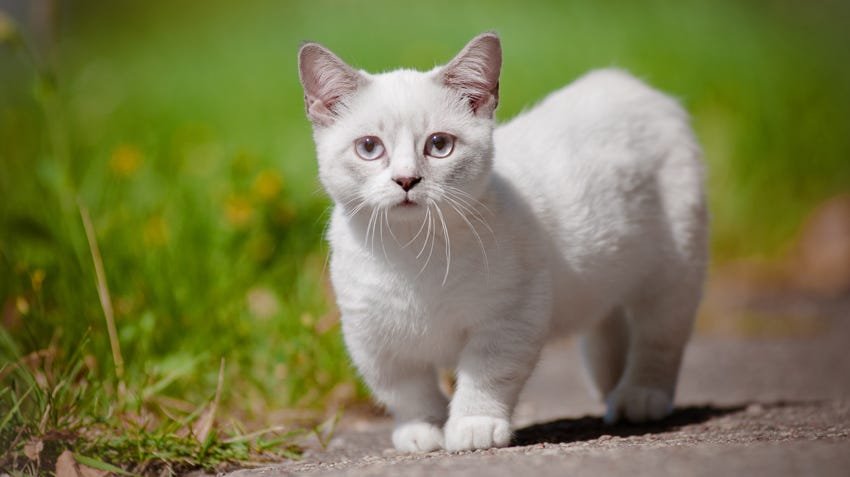
Are you curious about Munchkin cats and whether they come with health risks you should know about? If you’re thinking about bringing one of these adorable short-legged cats into your home, it’s important to understand the potential health challenges they might face.
Knowing this can help you keep your furry friend happy and healthy for years to come. Keep reading to discover what health problems Munchkin cats may have and how you can protect your new companion.
Munchkin Cat Origins
The Munchkin cat is famous for its short legs and playful nature. Its origins tell a unique story about how this unusual breed came to be. Understanding where Munchkin cats come from helps us learn about their health and traits.
Breed History
The Munchkin breed started in the early 1990s. A female cat with short legs was found in Louisiana, USA. Breeders were curious and began to study her and her kittens. They worked to keep the short-legged trait while making sure the cats stayed healthy. The breed quickly gained attention for its cute, small legs and lively personality. The name “Munchkin” comes from the small people in “The Wizard of Oz.”
Genetic Mutation
The short legs of Munchkin cats come from a genetic mutation. This mutation affects the bones in their legs, making them shorter than normal. It is a dominant gene, so only one copy is needed for the trait to show. This gene is unique and not found in many other cat breeds. The mutation does not affect the cat’s size or weight, only the length of the legs. Scientists study this mutation to understand its effects on the cat’s health better.
Common Health Concerns
Munchkin cats are known for their distinctive short legs, which give them a unique and adorable appearance. However, this physical trait can sometimes come with specific health challenges. Understanding these common health concerns helps you care better for your furry friend and catch any issues early.
Spinal Issues
The short legs of Munchkin cats are due to a genetic mutation affecting their bone growth. This can sometimes lead to spinal problems, especially in the lower back.
Some Munchkins experience lordosis, where the spine curves downward more than usual. This condition can cause discomfort and affect their mobility over time.
Watch for signs like reluctance to jump, stiffness, or unusual posture. Early veterinary check-ups can help you identify and manage these issues before they worsen.
Joint Problems
Because of their unique body structure, Munchkin cats may be more prone to joint problems such as arthritis or hip dysplasia as they age.
You might notice your cat moving slower or showing stiffness after resting. Regular gentle exercise and maintaining a healthy weight can ease joint stress.
Supplements like glucosamine, discussed with your vet, can also support joint health and keep your cat active and happy.
Obesity Risks
Obesity is a common concern for many cat breeds, but it’s especially important for Munchkins. Their shorter legs mean carrying extra weight puts more strain on their joints and spine.
Feeding a balanced diet and avoiding overfeeding are key to preventing obesity. Pay attention to portion sizes and limit treats.
Keeping your Munchkin active with playtime not only helps control weight but also improves their overall well-being. Have you noticed how much your cat enjoys chasing toys or climbing? That’s a great way to keep them fit.
Genetic Testing And Screening
Genetic testing and screening play a crucial role in understanding the health risks that Munchkin cats may face. Since these cats have a unique body structure caused by a genetic mutation, knowing their genetic background can help prevent future health problems. Testing offers valuable insights that guide breeders and owners in making informed decisions.
Importance Of Testing
Genetic testing helps identify potential hereditary diseases early. This allows you to take preventive measures or plan for proper veterinary care.
For Munchkin cats, screening can detect issues related to their shortened legs, such as joint or spinal problems. Knowing your cat’s genetic health status reduces surprises and helps ensure a better quality of life.
Are you prepared to invest in your cat’s long-term health by prioritizing genetic screening?
Available Tests
There are several tests designed to detect common genetic conditions in Munchkin cats:
- PKD (Polycystic Kidney Disease) Testing:Identifies risk of kidney cysts that can impair function.
- Spinal Dysraphism Screening:Checks for spinal cord malformations often linked to limb deformities.
- Hip Dysplasia Evaluation:Assesses joint health, important given their unique leg structure.
- General Genetic Panels:These cover multiple inherited diseases and provide a broad health profile.
Consult your vet about which tests fit your cat’s specific needs. Many breeders now require these screenings before breeding to reduce health risks.

Credit: www.yahoo.com
Lifespan And Longevity
The lifespan and longevity of Munchkin cats is a key concern for many potential owners. These cats have a unique body structure due to their short legs, which can raise questions about their overall health and life expectancy. Understanding their typical lifespan helps you prepare for the long-term care they need.
Lifespan Expectancy Of Munchkin Cats
Munchkin cats usually live between 12 to 15 years, which is similar to many other domestic cat breeds. Their shorter legs don’t necessarily shorten their life, but the genetic factors behind their stature require some attention. Regular vet check-ups are important to catch any health issues early and help your cat live a full life.
Factors Influencing Longevity
- Genetics:The gene responsible for their short legs can sometimes cause spinal problems or arthritis, affecting mobility as they age.
- Diet and Exercise:Maintaining a balanced diet and encouraging gentle play helps keep your Munchkin healthy and active.
- Preventive Care:Vaccinations, dental care, and parasite control contribute significantly to longer life.
Signs Of Aging To Watch For
As your Munchkin cat grows older, watch for changes in mobility or behavior. Stiffness, reluctance to jump, or changes in appetite can indicate joint or spine issues. Early intervention with your vet can improve quality of life and potentially extend your cat’s years.
Have you noticed your Munchkin slowing down or acting differently? Monitoring these signs closely can make a big difference in how well they age. Your attention and care directly impact how long and happily your furry friend will live.
Preventive Care Tips
Taking care of your Munchkin cat’s health means more than just love and attention. Preventive care plays a vital role in keeping them happy and avoiding common health problems. Simple daily actions can make a big difference in their well-being.
Diet And Nutrition
Your Munchkin cat’s diet needs to support their unique body structure and metabolism. Feeding them high-quality cat food rich in proteins and essential nutrients helps maintain strong bones and muscles.
Watch the portion sizes carefully to prevent obesity, which can strain their short legs and spine. Have you noticed how your cat’s energy levels change with different foods? Tracking this can guide you to the best diet choices.
Exercise And Activity
Regular activity strengthens your Munchkin’s muscles and keeps their joints flexible. Short-legged cats may not jump as high, but they love interactive play like chasing toys or running tunnels.
Try setting aside 15 minutes daily for play sessions. This not only keeps them fit but also reduces stress and boredom, which can lead to behavioral issues.
Regular Vet Visits
Routine vet check-ups help catch potential health issues before they become serious. Your vet can monitor common problems in Munchkins like spinal issues and arthritis.
Don’t wait for visible symptoms; schedule visits at least twice a year. Have you ever been surprised by a vet’s advice that changed how you care for your cat? Those insights are invaluable for prevention.
Responsible Breeding Practices
Responsible breeding practices are crucial to ensure the health and well-being of Munchkin cats. These practices help minimize health problems that can arise from poor breeding choices. If you’re considering bringing a Munchkin cat into your home, understanding how responsible breeders operate will help you make informed decisions.
Breeder Selection
Choosing a reputable breeder is the first step to avoid health issues in Munchkin cats. Look for breeders who prioritize the cat’s health over appearance or profit.
Good breeders:
- Provide health clearances for both parents.
- Allow you to meet the kittens and their parents.
- Answer your questions honestly and provide support after adoption.
Have you ever asked a breeder about their health testing protocols? It’s a simple question that can reveal a lot about their commitment to responsible breeding.
Avoiding Genetic Disorders
Munchkin cats are prone to certain genetic issues, especially related to their unique short legs. Responsible breeders test for these problems to reduce risks.
Tests often include:
- Screening for lordosis and pectus excavatum, which can affect the spine and chest.
- Genetic testing to identify carriers of harmful mutations.
- Regular veterinary checkups to monitor overall health.
By avoiding breeding cats with these conditions, breeders help create healthier generations. This also means fewer medical expenses and less heartache for you as an owner.
Signs To Watch For
Munchkin cats are known for their short legs and playful nature. These unique features can sometimes come with health challenges. Watching for early signs of trouble helps keep your cat healthy. Pay close attention to any unusual behavior or physical changes. Quick action can prevent serious problems.
Behavioral Changes
Behavior often shows early signs of illness. A normally active munchkin might become quiet or withdrawn. Loss of appetite or refusal to eat signals possible pain or discomfort. Look for increased hiding or unusual aggression. Changes in grooming habits, like excessive licking or neglect, may indicate stress or injury.
Mobility Issues
Munchkin cats may face mobility problems due to their short legs. Watch for limping, stiffness, or difficulty jumping. Trouble climbing stairs or reluctance to move can be warning signs. Sudden changes in walking or balance need immediate attention. Early detection helps manage joint or spine issues effectively.

Credit: www.fidobiotics.com

Credit: purebredkitties.com
Frequently Asked Questions
Do Munchkin Cats Have Genetic Health Issues?
Yes, Munchkin cats can have genetic health problems, mainly related to their short legs. They may develop spinal issues like lordosis or arthritis. Responsible breeding helps reduce such risks. Regular vet check-ups are essential to monitor their overall health and catch any problems early.
Are Munchkin Cats Prone To Arthritis?
Munchkin cats are somewhat prone to arthritis due to their unique bone structure. Their short legs can cause joint stress over time. Early signs include limping or stiffness. Providing a healthy diet and regular exercise can help manage and prevent arthritis symptoms.
Can Munchkin Cats Develop Spinal Problems?
Yes, spinal problems like lordosis and scoliosis are possible in Munchkin cats. These conditions affect the spine’s shape and function. Not all Munchkins will have these issues, but responsible breeders screen for them. Early diagnosis and treatment improve the cat’s quality of life.
How Long Do Munchkin Cats Typically Live?
Munchkin cats usually live between 12 to 15 years. Their lifespan is similar to other domestic cats when properly cared for. Regular veterinary care, a balanced diet, and a safe environment contribute to their longevity and overall well-being.
Conclusion
Munchkin cats can have some health issues, but many live well. Their short legs may cause joint or spine problems. Regular vet visits help catch problems early. Proper care and a good diet support their health. Understanding their needs keeps them happy and active.
Think about these factors before choosing a Munchkin cat. They make loving pets with the right attention. Always watch for signs of discomfort or illness. Healthy cats mean joyful companions for many years.
