


If your male cat has just been neutered, you’re probably wondering if he really needs to wear a cone afterward. You want to make sure he heals quickly and stays comfortable, but the thought of him with a cone might feel a little overwhelming.
What’s best for your furry friend? Should you protect him with that plastic collar, or is it unnecessary? Keep reading to find out exactly why a cone might be important for your cat’s recovery—and how it can help you avoid common problems that could slow down healing.
Your cat’s comfort and health matter, and the answer might surprise you.

Credit: www.reddit.com
Importance Of Post-surgery Care
Post-surgery care is vital for a male cat’s quick and safe recovery after neutering. Proper care reduces risks of infection and other complications. It also helps the wound heal faster and keeps the cat comfortable.
Neglecting care can lead to serious health problems. Taking the right steps ensures your cat stays healthy and happy after surgery.
Monitoring The Surgical Site
Check the wound daily for redness, swelling, or discharge. Any unusual signs can mean infection. Keeping the area clean prevents germs from entering the wound.
Preventing Licking And Scratching
Licking or scratching the wound slows healing and can cause infection. A cone or collar stops your cat from reaching the area. This simple tool protects the surgery site effectively.
Providing A Calm Environment
Keep your cat in a quiet, comfortable space. Limit jumping and running to avoid stress on the wound. Rest helps the body focus on healing.
Following Veterinary Instructions
Give medicines exactly as prescribed. Follow feeding guidelines and activity restrictions. Vet advice is key to avoiding complications and speeding recovery.
Credit: www.aspca.org
Role Of The Cone
The cone plays a vital role after a male cat undergoes neutering. It acts as a protective barrier, stopping the cat from licking or biting the surgery area. This helps keep the wound clean and prevents infection. The cone also limits the cat’s movements around the healing site, which aids in faster recovery.
Without the cone, cats may irritate their stitches. This can cause swelling, bleeding, or even reopen the wound. The cone ensures the cat stays safe during this sensitive time.
The Cone Prevents Licking And Biting
Cats often lick or bite their wounds. This can delay healing and lead to infections. The cone physically blocks the cat’s mouth from reaching the surgery site. This simple barrier protects the stitches and skin.
Supports Proper Wound Healing
The cone helps maintain a clean wound area. It reduces the risk of dirt and bacteria entering the site. This support allows the body to heal naturally and quickly.
Limits Risk Of Complications
Using a cone lowers the chance of complications after surgery. It stops the cat from scratching or rubbing the wound. These actions could cause pain or require additional vet visits.
Helps Monitor Recovery
The cone makes it easier to watch the healing progress. It keeps the cat calm and less active. This controlled environment helps owners notice any issues early.
Benefits Of Using A Cone
Using a cone after neutering helps protect male cats during recovery. The cone stops them from licking or biting the surgery site. This reduces the risk of infections and other complications. It also helps the wound heal faster and cleaner. Cats heal best when the area stays safe and untouched.
Prevents Licking And Biting
Cats often lick or bite their wounds. This can cause irritation or infection. A cone blocks access to the surgery site. It keeps cats from disturbing the area. This simple barrier protects the healing skin.
Reduces Risk Of Infection
Licking wounds can introduce bacteria. Bacteria cause infections and slow healing. The cone stops the cat’s mouth from touching the wound. This lowers the chance of infection. A clean wound heals better and faster.
Promotes Faster Healing
When cats leave wounds alone, healing improves. The cone helps keep the area clean and dry. It prevents scabs from being pulled off. This allows new skin to grow properly. Faster healing means less discomfort for your cat.
Protects Stitches And Bandages
Stitches can come loose if the cat bites or scratches. Bandages may also be removed by the cat’s tongue or paws. The cone stops this from happening. It keeps stitches and bandages safe until removed by a vet.
Alternatives To The Cone
After neutering, protecting your male cat’s surgical site is crucial to prevent infection and ensure quick healing. While the traditional cone, or Elizabethan collar, is effective, it’s not always the most comfortable choice for your furry friend. Luckily, there are several alternatives that can keep your cat safe without compromising their comfort or mobility.
Soft Fabric Collars
Soft fabric collars are gentler than plastic cones and often more comfortable for cats. They create a barrier around the neck to stop your cat from reaching the surgery area.
These collars are lightweight and flexible, allowing your cat to eat, drink, and rest more easily. If your cat tends to get stressed with hard cones, this can be a better option to keep them calm and still protected.
Inflatable Collars
Inflatable collars look like neck pillows and limit your cat’s head movement rather than blocking the view completely. This allows your cat to see and navigate their surroundings without feeling trapped.
They also reduce the risk of bumping into furniture, which often happens with traditional cones. However, keep an eye on your cat to make sure they don’t manage to reach the surgery site.
Recovery Suits Or Bodysuits
Recovery suits cover your cat’s body, protecting the surgical site without restricting their head or neck. These suits are usually made from soft, breathable fabric that fits snugly but comfortably.
They prevent licking and scratching while letting your cat move freely. Many cat owners find these suits less stressful for their pets, especially if the cat dislikes collars altogether.
Bandages And Dressings
In some cases, a well-applied bandage or dressing can protect the neutering site. This option requires careful monitoring to ensure it stays clean and dry.
It’s important to have your vet show you the correct way to apply and change these dressings. Bandages are less restrictive but might not be enough if your cat is persistent about licking.
Supervision And Distraction
Sometimes, the best alternative is close supervision combined with keeping your cat busy. Engaging your cat with toys and affection can keep their mind off the surgery site.
While this method doesn’t physically block access, it reduces the chance of licking or biting. Do you have time to watch your cat closely? This approach works best when you’re home often.
Signs Of Complications
After your male cat’s neutering surgery, it’s crucial to watch for signs that might indicate complications. Early detection can prevent serious problems and ensure a smooth recovery. Knowing what to look for helps you decide if a visit to the vet is necessary.
Swelling And Redness Around The Surgery Site
Some swelling and redness are normal right after surgery, but if it gets worse or spreads, this could mean infection. You might notice the area becoming hot to the touch or your cat feeling more pain than usual. Pay attention if your cat is constantly licking or biting the spot despite wearing a cone.
Unusual Discharge Or Bleeding
Clear fluid can be normal, but thick, yellow, green, or bloody discharge is a red flag. It often signals an infection or poor wound healing. If you see oozing that doesn’t stop or increases over time, you should contact your vet immediately.
Excessive Lethargy Or Loss Of Appetite
Your cat may be tired after surgery, but if he’s unusually lethargic or refuses to eat for more than a day, this is concerning. These signs can indicate pain, infection, or other complications. Keep a close eye on energy levels and eating habits during recovery.
Difficulty Urinating Or Defecating
If your cat strains or seems uncomfortable when urinating or pooping, this needs quick attention. Pain or swelling from surgery can sometimes block normal elimination. Watch for signs like repeated trips to the litter box with little result or vocalizing in pain.
Behavioral Changes And Excessive Scratching
Sudden aggression, hiding, or constant scratching at the surgery site might show your cat is in distress. These behaviors can mean he’s experiencing discomfort or irritation. Notice if your cat won’t settle even with a cone or after pain medication.

Credit: www.reddit.com
Monitoring Recovery
Monitoring your male cat’s recovery after neutering is essential for a smooth healing process. It helps you spot any signs of trouble early and ensures your pet stays comfortable. Paying close attention to his behavior and physical condition can make a big difference.
Checking The Incision Site Daily
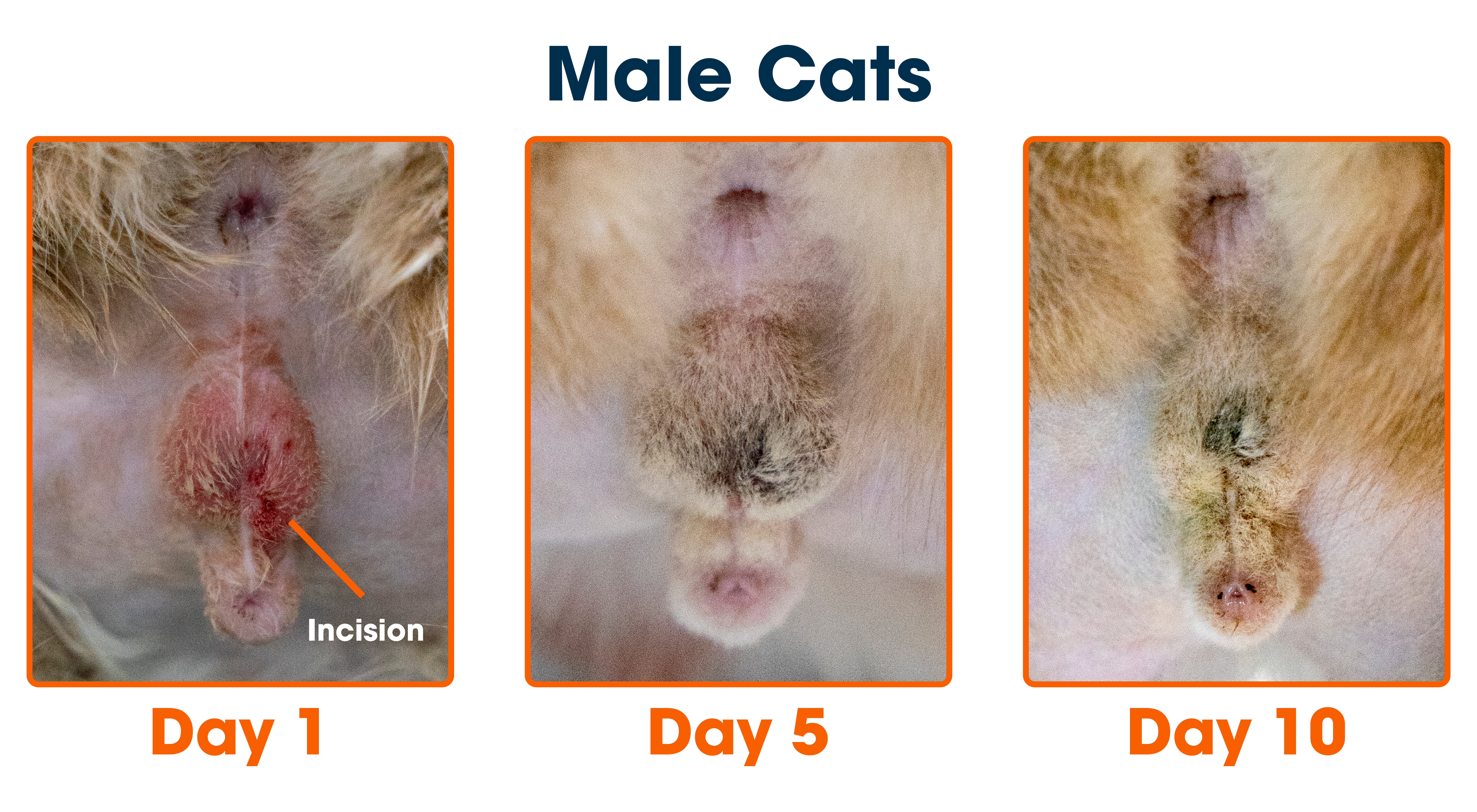
Look at the surgery area every day. The skin should be clean and slightly pink, without swelling or discharge. If you notice redness, pus, or a bad smell, it might mean infection. Your cat might also lick or scratch the spot more than usual, which can delay healing.
Observing Your Cat’s Behavior
Does your cat seem restless or unusually quiet? Changes in appetite or energy can signal discomfort or pain. Keep an eye on how often he eats, drinks, and uses the litter box. If he’s hiding or avoiding you, these might be signs to call the vet.
Managing Activity Levels
After surgery, your cat should rest to heal properly. Too much jumping or running can open the incision. You might need to limit his access to high places or busy areas. Creating a calm, cozy spot for him encourages rest and reduces injury risk.
Using The Cone Effectively
If your vet recommends a cone, make sure it fits well and your cat tolerates it. Some cats resist at first but get used to it quickly. The cone stops them from licking or biting the wound, which is crucial to avoid infection. Check under the cone regularly to ensure it’s not causing irritation.
When To Contact Your Veterinarian
Be ready to reach out if you see unusual swelling, bleeding, or if your cat develops a fever. Persistent vomiting or diarrhea also needs attention. Trust your instincts—if something feels off, don’t hesitate to get professional advice.
Promoting A Comfortable Environment
Creating a comfortable environment for your male cat after neutering is key to a smooth recovery. Your cat’s comfort influences how quickly he heals and adjusts to wearing a cone if needed. Small changes in his surroundings can make a big difference in reducing stress and encouraging rest.
Providing A Quiet And Safe Space
Your cat needs a calm spot away from noise and other pets. Choose a quiet room with soft bedding where he can relax without interruptions. This helps lower stress and keeps him from overexerting himself.
Keeping Essentials Close
Place food, water, and a litter box nearby so your cat doesn’t have to move much. If your cat wears a cone, reaching these essentials can be tricky. Make sure everything is easy to access and at a comfortable height.
Monitoring Temperature And Lighting
Keep the room warm but not too hot, as a cozy temperature aids healing. Avoid bright lights that might annoy him, especially if he’s feeling sensitive. Soft natural light or a dim lamp works well.
Offering Gentle Attention
Spend quiet time sitting near your cat without forcing interaction. Let him come to you when he feels like it. Your calm presence can be reassuring without causing unnecessary stress.
Adjusting The Cone For Comfort
If your cat must wear a cone, check it often to ensure it fits right—not too tight or loose. Padding the edges with soft fabric can prevent rubbing and irritation. Ask yourself: is the cone helping more than it’s bothering him?
Encouraging Gentle Activity
After neutering, your male cat needs time to heal, but that doesn’t mean he should stay completely inactive. Encouraging gentle activity helps keep his muscles from stiffening and prevents boredom. It also supports his overall mood and speeds up recovery without risking injury.
Creating A Calm Play Environment
Set up a quiet space with soft toys that don’t require vigorous chasing. Toys like feather wands or small balls encourage mild movement without overexertion. Watch how your cat reacts—if he seems restless or stressed, slow down the pace.
Short, Frequent Play Sessions
Instead of long playtimes, offer several short sessions throughout the day. This approach keeps your cat engaged but avoids tiring him out. You might notice he enjoys these bursts more and stays interested.
Using Food Puzzles To Stimulate Movement
Food puzzles or treat dispensers encourage your cat to move gently while thinking. These activities provide mental stimulation and light physical activity simultaneously. It’s a smart way to distract him from licking the surgery site.
Monitoring Activity Levels Closely
Keep a close eye on your cat’s behavior during play. Does he stop suddenly or favor one side? These signs could mean discomfort. Adjust the activity accordingly and consult your vet if you notice anything unusual.
Encouraging Rest When Needed
Even gentle activity needs to be balanced with plenty of rest. Create cozy spots around your home where your cat feels safe and relaxed. Remember, healing happens mostly during rest, so don’t push him too hard.
Dietary Considerations Post-surgery
After neutering, a male cat’s diet needs careful attention. Proper nutrition helps healing and keeps your pet strong. Adjusting food and water intake supports recovery and prevents health issues.
Hydration Is Key
Encourage your cat to drink plenty of water. Hydration helps flush out toxins and supports kidney function. Wet food can increase water intake and ease eating.
Choose Easily Digestible Foods
Soft, bland foods reduce stress on the digestive system. Avoid rich or spicy foods that may upset your cat’s stomach. Small, frequent meals aid digestion and energy levels.
Monitor Calorie Intake
Neutered cats burn fewer calories. Overfeeding can lead to weight gain and other health problems. Follow your vet’s advice on portion sizes and feeding frequency.
Consider Nutritional Supplements
Supplements like omega-3 fatty acids can reduce inflammation and aid healing. Always consult your vet before adding supplements. Balanced nutrition supports a healthy immune system.
When To Consult A Vet
After neutering your male cat, you might wonder when it’s necessary to seek veterinary advice. Not every little hiccup requires a vet visit, but some signs suggest your cat needs professional care promptly. Knowing these signals can protect your furry friend from complications and ensure a smooth recovery.
Signs Of Infection Or Complications
If you notice redness, swelling, or discharge around the surgery site, it’s time to contact your vet. These symptoms could indicate an infection that needs prompt treatment. Also, if your cat constantly licks or bites the area despite wearing a cone, this behavior can worsen the wound.
Unusual Behavior Or Pain
Watch for signs like excessive crying, hiding, or reluctance to move. These behaviors might mean your cat is in pain or uncomfortable. If your cat refuses to eat or drink for more than 24 hours, don’t wait—reach out to your vet immediately.
Problems With The Cone
Sometimes, the cone meant to protect your cat can cause stress or difficulty eating. If your cat manages to remove the cone repeatedly or seems distressed by it, you should consult your vet. They can suggest alternative protective gear or strategies to keep your cat safe.
Difficulty Urinating Or Defecating
Post-surgery, your cat should maintain normal bathroom habits. If your male cat strains, cries, or shows discomfort during urination or defecation, this is a red flag. Contact your vet as it may signal complications that require urgent attention.
When To Schedule A Follow-up Visit
Even without obvious issues, a follow-up visit is crucial. Your vet can check healing progress and remove stitches if necessary. Don’t hesitate to schedule this appointment if you have any concerns or questions about your cat’s recovery.
Frequently Asked Questions
Do Male Cats Always Need A Cone After Neutering?
Not all male cats need a cone after neutering. It depends on their tendency to lick or chew the incision site. Vets often recommend cones to prevent infection and promote healing. Monitoring your cat closely helps decide if a cone is necessary.
How Long Should A Male Cat Wear A Cone?
Typically, male cats wear cones for 7 to 10 days post-neutering. This period allows the incision to heal fully. Removing the cone too early can cause licking, infection, or wound reopening. Always follow your vet’s specific guidance on cone duration.
Can A Cone Prevent Infection After Neutering?
Yes, a cone helps prevent infection by stopping cats from licking or biting their wounds. It keeps the incision clean and reduces irritation. Proper cone use supports faster healing and lowers the risk of complications after neutering surgery.
Are There Alternatives To Cones For Neutered Male Cats?
Alternatives like soft collars or recovery suits can protect the wound. These options might be more comfortable but may not be as effective as cones. Consult your vet to choose the best protective method for your cat’s recovery.
Conclusion
Male cats often need a cone after neutering to protect their wounds. The cone stops them from licking or biting the surgery area. Without it, healing might slow down or get infected. Some cats tolerate the cone well, while others find it annoying.
Watch your cat closely during recovery. Keep the cone on until the vet says it’s safe to remove. This simple step helps your cat heal faster and safer. Taking care now prevents problems later. Your cat will thank you with a healthy, happy life.
