

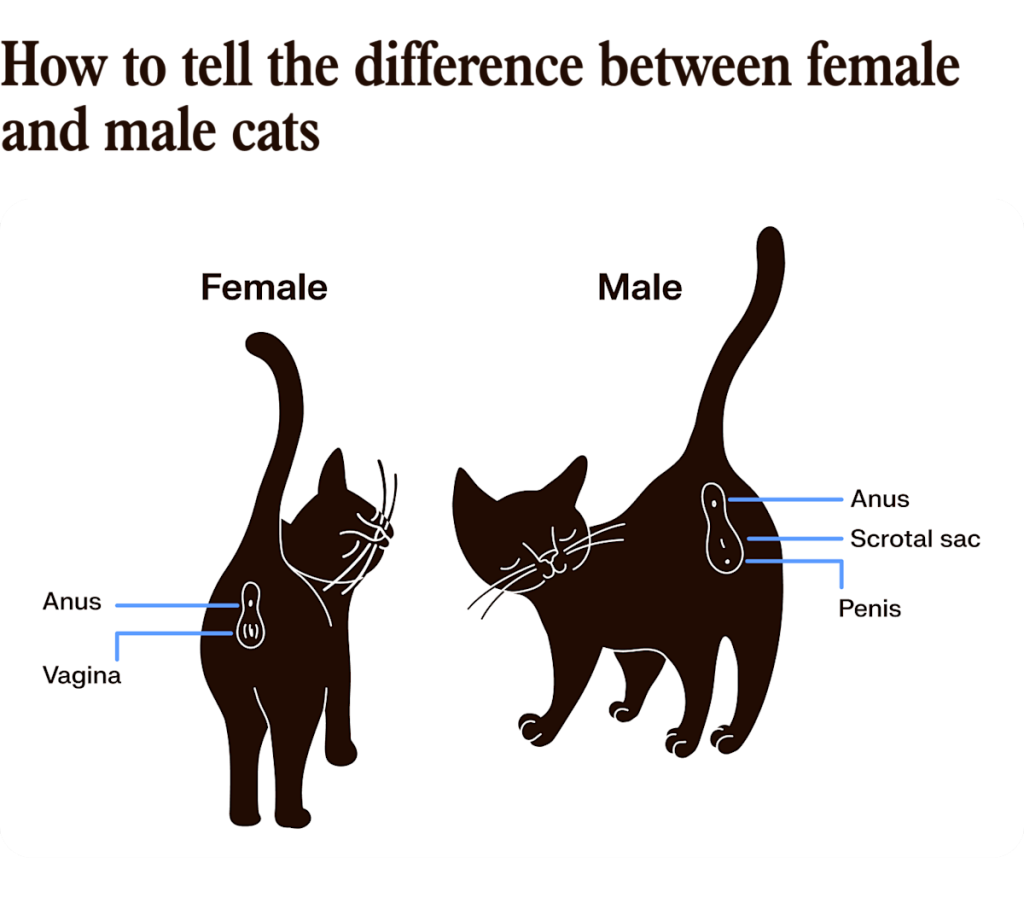
Have you ever wondered if male cats go through heat like females do? If you’re a cat owner, this question might have crossed your mind more than once.
Understanding your furry friend’s behavior can be tricky, especially when it comes to their natural instincts. You’ll discover the truth about male cats and heat cycles, why they act the way they do, and what it means for you and your pet.
Keep reading to learn the surprising facts that will help you care for your cat better and strengthen your bond.

Credit: felinefancy.co.uk
Male Cat Reproductive Cycle
The reproductive cycle of male cats is quite different from females. Male cats do not go through heat like females. Instead, their reproductive behavior is driven by hormones and external cues. Understanding this cycle helps in managing their behavior and health.
Hormonal Changes In Male Cats
Testosterone is the key hormone affecting male cats. It starts rising when they reach puberty, around six months old. This hormone triggers mating behaviors and territorial marking. The hormone levels remain high during breeding seasons.
Signs Of Sexual Maturity
Male cats show clear signs when they become sexually mature. They may spray strong-smelling urine to mark territory. They also become more aggressive and restless. These behaviors are natural and linked to their reproductive cycle.
Behavior During Breeding Season
During breeding periods, male cats become very active in seeking females. They may roam far from home. Fighting with other males to win mates is common. Vocalizations increase to attract females.
Impact Of Neutering On The Cycle
Neutering reduces testosterone levels significantly. This lowers mating behaviors and aggression. Neutered males usually stop roaming and marking territory. Early neutering helps prevent unwanted litters and health issues.
Myths About Male Cats In Heat
Many people believe male cats go through heat just like females. This idea is common but not true. Male cats do not experience heat cycles. Understanding the facts helps cat owners care for their pets better.
Do Male Cats Experience Heat Cycles?
Male cats do not have heat cycles. Heat is a female cat’s reproductive phase. Males remain ready to mate any time once they reach maturity. Their behavior changes for other reasons, not heat.
Why Male Cats Show Restless Behavior
Restlessness in male cats often confuses owners. It can happen due to stress or desire to find a mate. Unneutered males may roam or mark territory more. This is not because they are in heat.
Common Signs Mistaken For Heat In Males
- Loud yowling is often linked to mating calls in males.
- Spraying or marking territory is a dominance behavior.
- Increased aggression can result from hormones.
These signs do not mean a male cat is in heat.
The Role Of Neutering In Male Cat Behavior
Neutering reduces hormone-driven behaviors. It lowers roaming, marking, and aggression. Neutered males are calmer and less likely to show mating behaviors. This is why neutering is recommended.
Behavioral Changes In Male Cats
Male cats do not experience heat like females, but they go through distinct behavioral changes influenced by hormones, especially if they are unneutered. These changes can affect your home environment and how your cat interacts with you and other pets. Understanding these behaviors helps you manage them better and maintain a harmonious household.
Territorial Marking
Male cats often start marking their territory by spraying urine on walls, furniture, or even your belongings. This behavior is a way to signal ownership and ward off other males. If your male cat suddenly begins marking indoors, it might be his way of saying, “This is my space.”
You can reduce this by keeping your cat indoors and considering neutering. Providing multiple scratching posts and clean litter boxes can also discourage marking on inappropriate surfaces.
Increased Aggression
Unneutered male cats tend to become more aggressive, showing hostility towards other cats and sometimes even humans. This aggression is driven by testosterone and the instinct to compete for mates. Have you noticed your cat suddenly growling or swatting more often? That could be the cause.
Calming your cat with interactive play and mental stimulation can help manage aggression. Neutering is a reliable way to lower testosterone levels and reduce aggressive behavior over time.
Vocalizations And Roaming
Male cats may become louder, with persistent yowling or caterwauling, especially during mating season. These vocalizations serve as calls to females or warnings to rival males. Your peaceful nights might turn noisy if your cat is roaming and making these sounds outdoors.
To keep your cat safe and reduce roaming, provide engaging indoor activities and consider supervised outdoor time using a leash or enclosed area. Neutering also reduces the urge to roam and decreases loud vocalizations significantly.
Credit: animals.howstuffworks.com
Factors Influencing Male Cat Behavior
Understanding what influences male cat behavior can help you better manage your pet and recognize normal versus unusual actions. Male cats don’t experience heat like females, but their behavior changes significantly based on several factors around them. These influences can shape how your cat acts, reacts, and interacts with his environment and other animals.
Presence Of Female Cats
The presence of female cats in heat nearby can drastically alter a male cat’s behavior. You might notice your male cat becoming more vocal, restless, or even attempting to escape the house in search of a mate.
Male cats have a strong biological drive triggered by the scent of females in heat. This can cause them to spray urine to mark territory or become aggressive toward other males. Have you ever seen your cat suddenly become more territorial or anxious? This is often linked to nearby females.
Environmental Influences
Your male cat’s surroundings also play a big role in how he behaves. Changes like moving to a new home, the arrival of new pets, or even loud noises can stress him out and cause unusual behaviors.
Outdoor access or lack thereof can influence his activity levels and mood. Cats with outdoor freedom tend to be more exploratory and may show more dominant behaviors, while indoor-only cats might become bored or restless.
Ask yourself: does your cat have enough mental and physical stimulation? Providing toys, climbing spaces, and regular interaction can help keep his behavior balanced regardless of other environmental changes.
Comparing Male And Female Feline Heat
Male and female cats experience changes related to reproduction, but these changes differ greatly. Understanding these differences helps clarify common myths about male cats “going into heat.”
Female cats have a clear heat cycle with visible signs. Male cats do not go through heat in the same way. Instead, their changes are mostly behavioral, driven by hormones.
Physical Vs. Behavioral Changes
Female cats show physical signs during heat. These include:
- Loud vocalizing or yowling
- Restlessness and pacing
- Rubbing against objects or people
- Swelling of the genital area
Male cats, on the other hand, do not show these physical signs. Their changes are mostly seen in behavior, such as:
- Increased roaming or trying to escape
- Marking territory with strong-smelling urine
- More aggressive or dominant actions
- Heightened alertness and restlessness
Hormonal Differences
Female cats have a hormonal cycle that prepares them for mating. Estrogen levels rise and fall, causing heat. This cycle repeats every few weeks during breeding season.
Male cats produce testosterone continuously after puberty. This hormone drives their mating behavior. Unlike females, males do not have a cycle of highs and lows. Instead, their hormone levels stay steady.
Neutering reduces male testosterone, which often calms their behavior. Female cats spayed early do not go into heat at all.
Managing Behavioral Changes
Male cats do not go through heat like females, but they still show strong behavioral changes. These changes often include increased aggression, loud yowling, and a strong urge to roam. Managing these behaviors helps create a calmer home environment. Understanding how to handle these changes benefits both the cat and the owner.
Neutering Benefits
Neutering male cats reduces hormone-driven behaviors. It lowers aggression and decreases the urge to roam. Neutered cats tend to be calmer and less likely to mark territory with urine. This surgery also helps prevent some health problems. Early neutering leads to fewer behavioral issues later.
Environmental Enrichment
Providing a stimulating environment keeps male cats happy and busy. Toys, scratching posts, and climbing trees offer outlets for their energy. Regular play sessions strengthen the bond between cat and owner. Safe outdoor enclosures allow exploration without risk. Enrichment reduces stress and helps stop unwanted behaviors.
Common Misconceptions
Many people misunderstand how male cats behave during the breeding season. Unlike female cats, male cats do not go through a heat cycle. These misconceptions often cause confusion about their behavior and needs.
Heat Cycle Misunderstandings
Female cats experience heat cycles, which cause specific behaviors. Male cats do not have these cycles. Instead, they react to females in heat nearby. Their behavior changes due to hormones, not a heat cycle.
Male cats may become restless, vocal, or roam more. These actions are triggered by the presence of females. This is different from the female’s heat cycle, which repeats regularly.
Influence Of Popular Culture
Movies and cartoons often show male cats acting like females in heat. This portrayal is not accurate. It can lead to wrong ideas about male cat behavior.
People might expect male cats to have heat cycles or similar symptoms. This causes confusion about why male cats behave a certain way. Understanding the real biology helps in caring for male cats properly.

Credit: www.youtube.com
Frequently Asked Questions
Do Male Cats Experience Heat Cycles Like Females?
No, male cats do not have heat cycles. Heat, or estrus, is specific to female cats during their reproductive phase. Males instead show behaviors linked to mating instincts, such as marking territory and increased vocalization.
How Do Male Cats Behave During Mating Season?
Male cats become more territorial, vocal, and restless during mating seasons. They may spray urine to mark territory and search actively for females in heat. These behaviors are driven by hormonal changes, not a heat cycle.
Can Neutering Affect Male Cat’s Mating Behaviors?
Yes, neutering significantly reduces mating behaviors in male cats. It lowers hormone levels, decreasing territorial marking and roaming. Neutered males are less likely to exhibit aggressive or mating-driven actions.
Why Do Male Cats Spray Urine Frequently?
Male cats spray urine to mark territory and attract females. This behavior intensifies during breeding seasons due to increased testosterone. Neutering can reduce or stop spraying in most male cats.
Conclusion
Male cats do not go through heat like female cats do. Instead, they may show behaviors like spraying or restlessness. These actions are part of their natural urge to mate. Neutering can help reduce these behaviors. Understanding male cat behavior helps owners care for their pets better.
Remember, each cat is unique and may act differently. Observing your cat closely will give you clues about their needs. Caring for your male cat means knowing what to expect. This knowledge makes living with your cat more enjoyable.
