

Have you ever wondered if male cats go through heat like females do? If you’ve noticed strange behavior in your furry friend and aren’t sure why, you’re not alone.
Understanding what happens with male cats can help you care for them better and keep your home peaceful. You’ll discover the truth about male cats and their mating instincts—so you can finally answer that question and know exactly what to expect.
Keep reading to learn what signs to watch for and how to handle them.

Credit: felinefancy.co.uk
Male Cat Reproductive Cycle
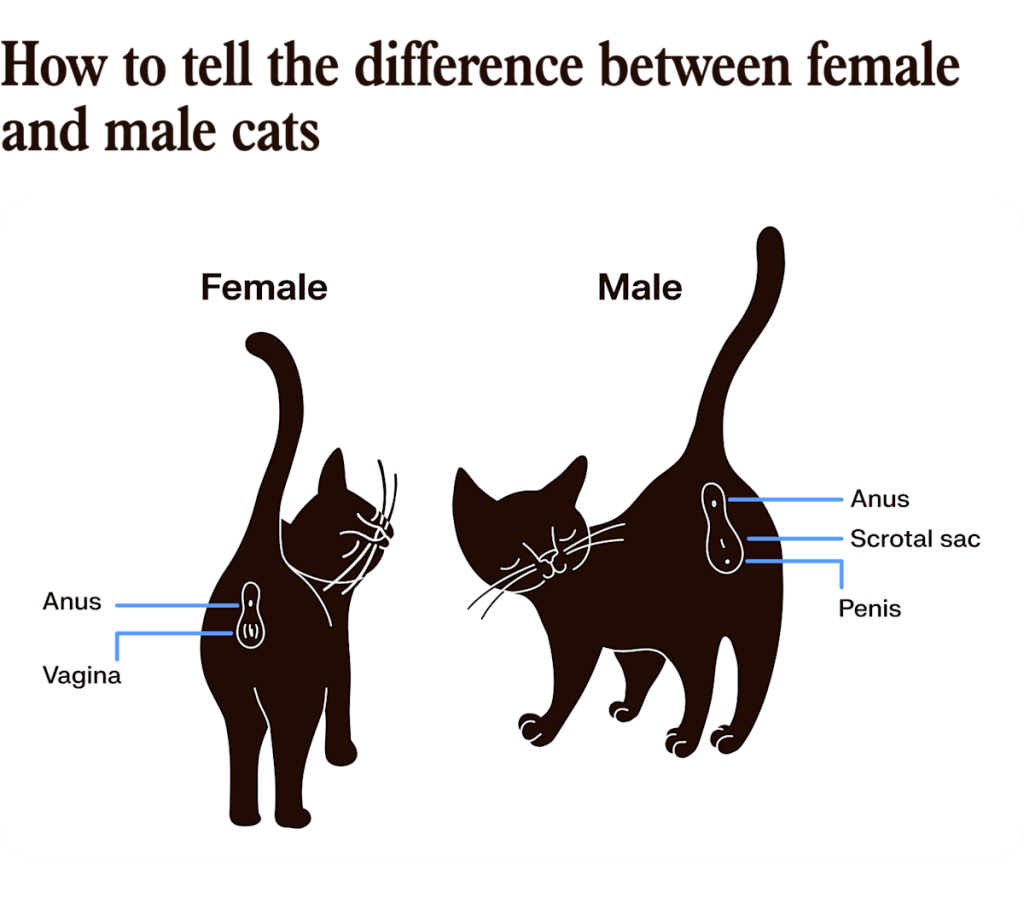
The male cat reproductive cycle is quite different from females. Unlike females, male cats do not go into heat. Instead, they are ready to mate when they reach sexual maturity. Let’s explore the unique aspects of the male cat’s reproductive cycle.
How Male Cats Differ From Females
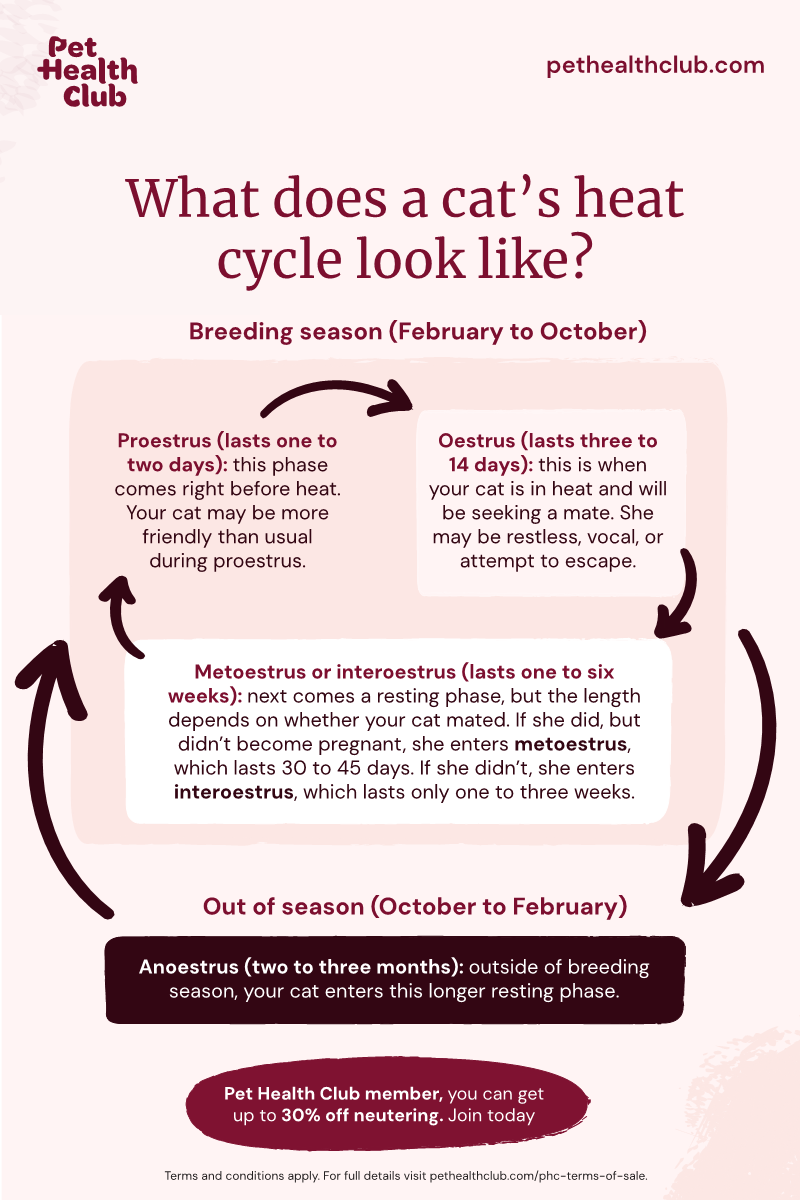
Male cats, often called tomcats, do not have a heat cycle. Female cats enter heat and display behaviors to attract males. In contrast, tomcats are always ready to mate once mature. They are driven by the presence of a female in heat. This readiness is not cyclical like in females.
Signs Of Sexual Maturity
Male cats reach sexual maturity around 6 to 12 months old. Signs include increased roaming and marking territory with urine. They may also become more vocal and restless. These behaviors show their readiness to find a mate. Understanding these signs helps manage their needs effectively.
Behavioral Changes In Male Cats
Male cats don’t go into heat like females, but their behavior does change significantly when they sense a female in heat nearby. These changes can be confusing if you don’t know what to look for. Understanding these signs helps you manage your cat’s needs better and keeps your home peaceful.
Territorial Marking
One of the most obvious signs is territorial marking. Your male cat may start spraying urine on walls, furniture, or even doorways to claim his territory. This behavior is driven by hormones and a natural urge to warn other males to stay away.
If you notice a sudden increase in this behavior, it’s often linked to a nearby female in heat. You might try giving your cat more attention or providing a scratching post to redirect some of his energy.
Vocalization Patterns
Male cats can become much more vocal during this time. You might hear loud yowling, caterwauling, or persistent meowing. This is their way of attracting a mate or signaling their presence to females.
It can be exhausting for owners, especially at night. Offering interactive playtime or calming pheromone diffusers can sometimes help reduce the noise and stress for both you and your cat.
Increased Aggression
Heightened aggression is another common change. Your cat might become more irritable or even lash out unexpectedly. This aggression often comes from frustration or competition with other males.
Watch closely if your cat starts fighting with other pets or showing destructive behavior. Providing extra mental stimulation and keeping him indoors during peak mating seasons can minimize these aggressive episodes.
Myths About Male Cats In Heat
Many cat owners wonder if male cats experience heat like females. This question often leads to confusion and several myths. Understanding what is true helps you care better for your feline friends and avoid unnecessary worries.
Common Misconceptions
One widespread myth is that male cats go into heat just like females. People often assume that the loud yowling or restless behavior they see in male cats means they are “in heat.”
Some believe male cats need to be kept apart during a female’s heat to avoid their own hormonal changes. Others think neutering completely stops any sexual behavior immediately, which is not always the case.
Have you noticed your male cat acting strange and wondered if he’s in heat? It’s important to know that these behaviors usually have other causes.
Scientific Facts
Unlike females, male cats do not go into heat. Instead, they reach sexual maturity and become capable of mating. Their behavior changes are driven by hormones, but this is different from the female heat cycle.
Male cats show signs like increased roaming, spraying, or aggression when they detect a female in heat nearby. This is their natural response to mating instincts, not a heat cycle of their own.
Neutering reduces testosterone levels gradually, which helps calm these behaviors but does not cause an immediate “cool down.” Understanding this helps set realistic expectations for your pet’s behavior.
Credit: animals.howstuffworks.com
Effects Of Neutering
Neutering male cats brings many changes to their bodies and minds. It stops the production of hormones that cause “heat” behaviors. This surgery helps control the cat population and improves the cat’s life in many ways.
Behavioral Impact
Neutering reduces aggressive behavior in male cats. They become less likely to roam far from home. Marking territory with strong-smelling urine often stops. The urge to fight with other cats decreases. Neutered cats tend to be calmer and friendlier. These changes make them easier to live with.
Health Benefits
Neutering lowers the risk of some diseases in male cats. It greatly reduces the chance of testicular cancer. It also helps prevent prostate problems. Neutered cats usually live longer, healthier lives. The surgery can stop unwanted litters, reducing stray cats. Overall, neutering improves both health and well-being.
Managing Intact Male Cats
Managing intact male cats can be challenging but rewarding. These cats have strong natural instincts that often lead to behaviors you might find difficult to handle. Understanding how to manage them effectively helps maintain a peaceful home and keeps your cat healthy and happy.
Preventing Unwanted Behaviors
Intact male cats are known for marking territory by spraying strong-smelling urine. This behavior can be frustrating, especially indoors. You can reduce this by providing plenty of playtime and mental stimulation to keep their energy focused elsewhere.
Try using interactive toys or puzzle feeders to engage your cat. Regular play sessions help release built-up energy that might otherwise lead to aggression or restlessness. Also, keep your home clean and free of strong odors that might trigger more spraying.
Have you noticed your cat becoming more vocal or restless at night? This often happens because intact males are naturally more active during mating seasons. Creating a calm, consistent bedtime routine can help reduce this nighttime noise.
Safe Outdoor Access
Many intact male cats have a strong desire to roam and explore, which can lead to dangerous encounters with other animals or traffic. Giving your cat safe outdoor access can satisfy this urge without putting them at risk.
- Consider building a secure outdoor enclosure or “catio” so your cat can enjoy fresh air safely.
- Supervised leash walks are another option to provide controlled outdoor time.
- Keep your cat indoors during peak mating hours, typically dawn and dusk, to reduce roaming instincts.
Allowing controlled outdoor access not only prevents your cat from running off but also reduces stress and destructive behaviors at home. Have you thought about how outdoor time could improve your cat’s well-being?
Credit: www.pethealthclub.com
When To Consult A Vet
Knowing when to consult a vet about your male cat’s behavior or health is crucial. Sometimes, symptoms that seem minor can signal bigger issues. Paying close attention to changes in your cat helps you decide if professional advice is needed.
Unusual Symptoms
If your male cat shows signs like excessive vocalizing, sudden aggression, or constant roaming, these could indicate underlying health problems.
Notice if he has difficulty urinating, loss of appetite, or unexplained weight loss. These symptoms often require prompt veterinary evaluation.
One cat owner I know ignored frequent urination until it became painful for her pet. A vet visit revealed a urinary tract infection that needed treatment.
Behavioral Concerns
Changes in your cat’s behavior, such as increased marking or restlessness, might not just be “normal male cat behavior.”
Sometimes stress, pain, or hormonal imbalances cause these shifts. If your cat becomes unusually withdrawn or overly aggressive, it’s time to seek help.
Ask yourself: Is your cat’s behavior impacting his quality of life or your household? If yes, a vet can provide guidance or treatment options tailored to your cat’s needs.
Frequently Asked Questions
Do Male Cats Go Into Heat Like Females?
Male cats do not go into heat. Instead, they become sexually active and may exhibit behaviors like spraying and roaming. Heat cycles only occur in female cats to signal fertility.
How Can You Tell If A Male Cat Is In Heat?
Male cats show signs like loud yowling, restlessness, and marking territory. These behaviors indicate sexual maturity, not heat, as males don’t experience heat cycles.
Why Do Male Cats Spray And Yowl Loudly?
Male cats spray and yowl to attract females and mark territory. This behavior is linked to mating instincts, not a heat cycle.
Can Neutering Stop Male Cat Heat Behaviors?
Yes, neutering reduces hormone-driven behaviors like yowling and spraying. It helps calm male cats and prevents unwanted mating behaviors effectively.
Conclusion
Male cats do not go through heat like females do. Instead, they show different behaviors when ready to mate. Understanding these signs helps owners care better for their pets. Neutering can reduce unwanted behaviors and improve health. Watch for changes in your cat’s actions and consult a vet if needed.
Knowing how male cats behave keeps your home calm and happy. Caring for your cat means knowing what is normal and what is not. Simple awareness makes a big difference.
