

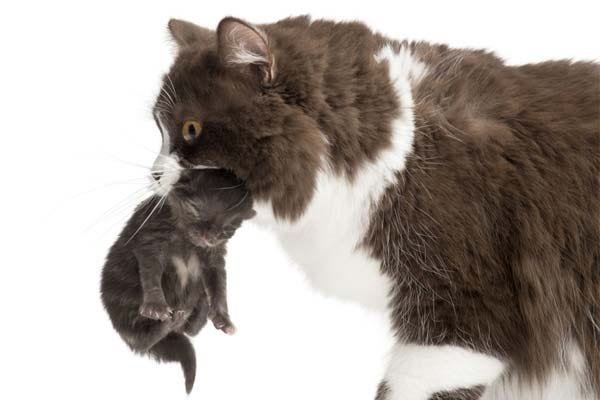
Have you ever wondered if male cats really eat kittens? It’s a question that might make you uneasy, especially if you’re caring for a new feline family.
You want to protect those tiny, fragile lives, but what about the dad cat? Understanding this behavior can help you keep your kittens safe and create a peaceful home. Keep reading to uncover the truth behind this surprising topic and learn what you need to watch for when male cats and kittens share the same space.
Male Cats And Kitten Behavior
Male cats show different behaviors around kittens. These behaviors depend on instincts and the situation. Understanding their actions helps explain many common questions about male cats and kittens.
Typical Male Cat Instincts
Male cats often act on natural instincts. They may be protective or cautious around kittens. Some male cats see kittens as part of their family. Others might act distant or indifferent. Aggression is rare but can happen if the male feels threatened.
Male cats usually:
- Mark territory to protect their space
- Show curiosity about new kittens
- Display dominance to establish order
- Care for kittens if they recognize them
Kitten Vulnerability Factors
Kittens are small and defenseless. Their vulnerability affects how male cats behave. Young kittens without a mother need more care. Male cats may react differently if kittens smell unfamiliar or come from another male.
Vulnerability factors include:
- Age and size of the kittens
- Presence or absence of the mother cat
- Familiarity with the male cat
- Health and strength of the kittens

Credit: www.youtube.com
Reasons Behind Male Aggression
Male cats sometimes show aggression, which can be confusing for cat owners. Understanding why male cats act aggressively helps explain behaviors like attacking kittens. Aggression in male cats usually comes from natural instincts and environmental factors. These reasons help cats protect their space and assert their role in the family or territory.
Territoriality And Dominance
Male cats are very territorial. They see their home or yard as their space. Other cats or animals entering this area can cause stress. The male cat may act aggressively to defend what he sees as his territory.
Dominance plays a big role too. Male cats often try to show they are the leader. This behavior can lead to attacks on kittens, especially if the kittens are new or from another male cat. The male wants to keep control and may see kittens as a threat to his status.
Stress And Environmental Triggers
Stress is a major cause of aggression in male cats. Changes like a new pet, loud noises, or moving homes increase stress levels. A stressed male cat may lash out at kittens or other cats in the house.
Environmental triggers, like crowded spaces or lack of hiding spots, also cause aggression. Male cats need safe areas to relax. Without them, they feel unsafe and may react aggressively to protect themselves.
Instances Of Male Cats Eating Kittens
Instances of male cats eating kittens are uncommon but have been recorded. These cases often surprise many cat owners. Understanding when and why this happens helps in better care and prevention. Male cats usually do not harm their offspring. Still, certain conditions can trigger this rare behavior.
Rare But Documented Cases
Male cats eating kittens is not a common behavior. It is rare but has been documented in some situations. Such cases mostly occur in wild or feral cat populations. Domestic cats are less likely to show this behavior. Male cats might eat kittens to eliminate offspring not their own. This act helps them increase their own chances of mating with the female.
Situations Leading To Cannibalism
Several factors can lead male cats to eat kittens. These include:
- Stress or threat to territory
- Scarcity of food and resources
- New males taking over a group
- Ill or weak kittens
- Confusion or aggression from the male
These situations push male cats to act in ways that seem harsh. Understanding these triggers can help in managing and protecting kittens.
Credit: www.kinship.com
Role Of Mother Cats In Kitten Protection
Mother cats play a vital role in keeping their kittens safe. They protect their young from threats and ensure their survival. Their instincts guide them to guard kittens fiercely. This protection shapes the behavior of other cats around them, including males. Understanding a mother cat’s role helps explain kitten safety in the wild and at home.
Maternal Defense Mechanisms
Mother cats use many ways to defend their kittens. They stay close to the kittens to watch for danger. Their sharp senses help them detect threats early. When threatened, they hiss, growl, or swipe to scare off intruders.
- Hiding kittens in safe, secluded spots
- Using loud vocal sounds to warn enemies
- Showing aggressive behavior to protect their young
These actions keep kittens safe from harm and stress. Mothers rarely leave their kittens alone during the first weeks. This care helps kittens grow strong and healthy.
Influence On Male Cat Behavior
Mother cats’ protection affects how male cats act around kittens. Protective mothers can prevent male cats from attacking kittens. The presence of a strong mother signals males to stay away. Some male cats respect this boundary and avoid conflict.
Not all male cats harm kittens. Some help care for them, especially if they belong to the same group. Male behavior depends on their relationship with the mother and kittens.
Preventing Harm To Kittens
Protecting kittens from harm is essential for their healthy growth. Male cats may sometimes pose risks to kittens, especially if the male is unfamiliar or aggressive. Creating a safe environment and staying alert can greatly reduce any threats. Careful planning helps ensure kittens thrive without danger from other cats.
Safe Housing Strategies
Separate male cats from newborn kittens using secure spaces. Use a quiet room with limited access for the mother and her kittens. Provide cozy bedding and warmth to keep them comfortable. Install baby gates or barriers to block entry to the kitten area. Keep food and water separate to avoid conflicts between cats. Clean the area regularly to reduce stress and keep kittens healthy.
Monitoring And Intervention Tips
Watch interactions between the male cat and kittens closely. Look for signs of aggression or stress in either cat. Intervene immediately if the male cat shows rough behavior. Use gentle distractions like toys or noises to redirect attention. Reward calm and gentle behavior to encourage peace. Consult a vet or animal behaviorist if problems persist. Regular checks help catch issues before they escalate.
When To Seek Help From A Vet Or Behaviorist
Knowing when to seek help from a vet or a behaviorist is crucial if you notice unusual behavior from your male cat around kittens. Not every odd interaction means danger, but some signs should raise a red flag. Getting timely advice can protect the kittens and improve the harmony in your home.
Identifying Warning Signs
Watch out for aggressive actions like growling, swatting, or chasing the kittens relentlessly. If your male cat seems unusually anxious or territorial, this might also be a signal of deeper issues. Sudden changes in appetite or grooming habits can indicate stress that affects his behavior toward the kittens.
Have you noticed your cat isolating himself or showing signs of physical harm around the kittens? These are clear signs you shouldn’t ignore. Early detection can prevent serious harm and help you understand your cat’s needs better.
Professional Support Options
A vet can check for health problems that might cause aggressive behavior, such as pain or hormonal imbalances. If health issues are ruled out, a behaviorist specializes in training and modifying your cat’s interaction with the kittens.
Consider professionals who use positive reinforcement techniques and can tailor a plan specifically for your cat’s personality. Sometimes, a few sessions with a behaviorist can transform a tense environment into a peaceful one. Don’t hesitate to ask your vet for recommendations or seek out certified animal behaviorists online.

Credit: www.reddit.com
Frequently Asked Questions
Do Male Cats Really Eat Kittens?
Male cats rarely eat kittens. Infanticide is uncommon and usually linked to stress or territory disputes. Most male cats ignore kittens or help protect them.
Why Would A Male Cat Attack Kittens?
Male cats may attack kittens to eliminate rivals or due to stress. This behavior is not typical and often occurs in unneutered or aggressive males.
Can Neutering Prevent Male Cats From Harming Kittens?
Yes, neutering reduces aggression and territorial behavior in male cats. It lowers the chances of harming kittens by calming instincts and hormone-driven actions.
How Do Male Cats Usually Behave Around Kittens?
Most male cats are indifferent or gentle towards kittens. Some may even help care for them if they are socialized and familiar with the family group.
Conclusion
Male cats usually do not eat kittens. They may act protective or curious instead. Aggression toward kittens is rare and often caused by stress. Proper care and environment help keep all cats safe. Understanding cat behavior helps reduce worries about this issue.
Watch how your cats interact to ensure harmony. Keep kittens away from any aggressive adult cats. Patience and care create a peaceful home for all cats. Remember, most male cats accept kittens without problems.
