

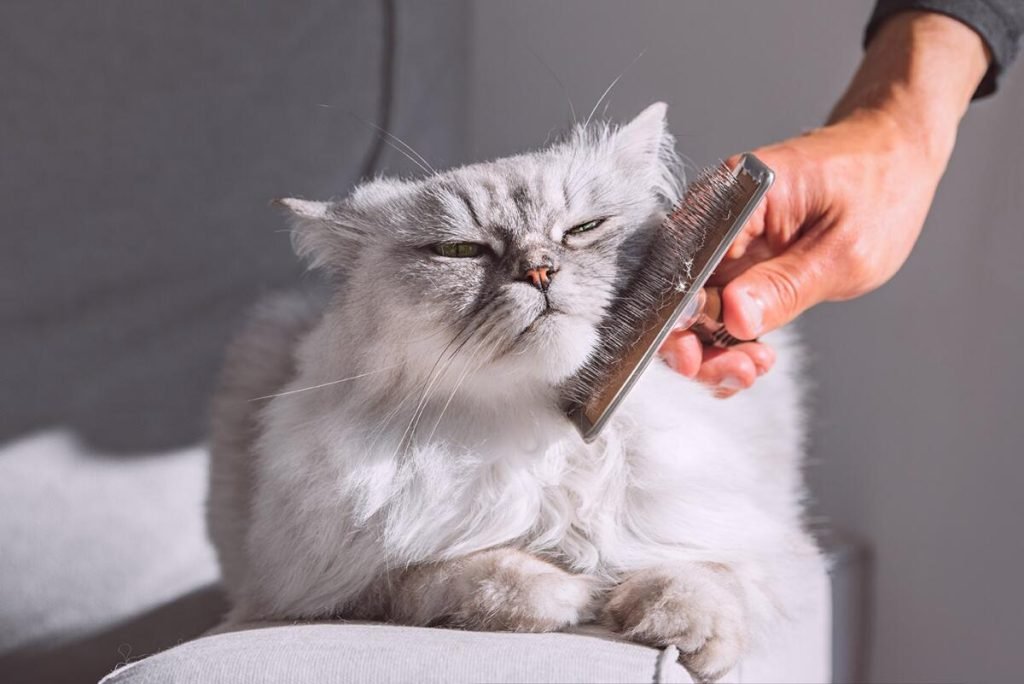
If you have a long-haired cat or are thinking about getting one, you might be wondering: Do long-haired cats need to be groomed? The answer isn’t as simple as you might think.
Your cat’s coat looks beautiful, but it also needs care to stay healthy and tangle-free. Ignoring grooming can lead to discomfort for your furry friend and even health issues you want to avoid. You’ll discover why grooming is essential, how often it should be done, and easy tips to keep your cat happy and looking great.
Keep reading—your cat will thank you!
Benefits Of Grooming Long Haired Cats
Grooming long haired cats offers many benefits. It keeps their coat healthy and comfortable. Regular brushing and care can prevent several common problems. Cats feel better and look their best with proper grooming. It also helps build a strong bond between you and your pet.
Preventing Matting And Tangles
Long haired cats are prone to mats and tangles. These can cause pain and skin irritation. Grooming removes loose hair and stops knots from forming. It keeps the fur soft and smooth. Regular care means fewer painful mats and less discomfort for your cat.
Reducing Shedding And Hairballs
Brushing cuts down on shedding by removing loose fur. This keeps your home cleaner and reduces allergens. Grooming also lowers hairballs, which happen when cats swallow loose hair. Less hair inside means fewer hairballs to worry about. Your cat will feel more comfortable and healthy.
Maintaining Skin Health
Grooming helps spread natural oils across the cat’s skin. This keeps the skin hydrated and prevents dryness. It also allows you to spot any skin problems early. Checking for bumps, redness, or parasites becomes easier. Healthy skin means a happier and more active cat.
Credit: alexthecatgroomer.com
Grooming Tools For Long Haired Cats
Long haired cats need specific grooming tools to keep their coats healthy and shiny. Proper tools make grooming easier and more comfortable for your cat. They also help prevent mats and tangles that cause pain. Choosing the right tools is important for regular care.
Brushes And Combs
Brushes and combs are essential for removing loose hair and preventing mats. Use a slicker brush to gently detangle fur and remove dirt. A wide-toothed comb helps with tough knots and mats. Soft bristle brushes smooth the coat and spread natural oils. Regular brushing keeps the fur clean and healthy.
Nail Clippers And Trimmers
Nail clippers keep your cat’s claws at a safe length. Long nails can catch on fabrics or scratch skin. Use small, sharp clippers designed for cats. Trim nails carefully to avoid cutting the quick. Regular trimming protects furniture and reduces injury risks.
Shampoos And Conditioners
Choose shampoos made for cats to avoid skin irritation. These shampoos clean without drying the coat. Conditioners add moisture and make fur soft and shiny. Use gentle formulas that suit long-haired cats. Bathing helps remove dirt and loose fur but should be done sparingly.
How Often To Groom Your Cat
Knowing how often to groom your long-haired cat keeps its coat healthy and shiny. Regular grooming stops mats and tangles. It also reduces hairballs and keeps your cat comfortable. Grooming needs vary by cat, coat type, and lifestyle. Setting a grooming routine helps maintain your cat’s well-being.
Daily Brushing Tips
Brush your cat every day to avoid tangles and mats. Use a wide-tooth comb or soft-bristle brush. Start gently at the head and move to the tail. Focus on areas like behind the ears and under the legs. Brushing also helps remove loose hair and dirt. Make it a calm, relaxing time for your cat.
Bathing Frequency
Bath your long-haired cat only when needed, usually every 4 to 6 weeks. Cats groom themselves well, so frequent baths are not necessary. Use cat-specific shampoo to protect their skin. Make sure the water is warm and dry your cat thoroughly after. Bathing too often can dry out your cat’s skin and coat.
Professional Grooming Services
Professional groomers help with difficult mats or heavy shedding. Schedule grooming every few months or as needed. Groomers trim fur, clean ears, and clip nails. They use tools made for cats to keep your pet safe. A professional can also spot skin issues early. Choose a groomer with experience in long-haired cats.
Credit: alexthecatgroomer.com
Step-by-step Grooming Routine
Grooming your long-haired cat can feel like a big task, but breaking it down into simple steps makes it manageable and even enjoyable. A good routine helps keep your cat’s coat healthy, shiny, and free of mats. It also strengthens your bond and lets you spot any skin problems early.
Preparing Your Cat
Start by choosing a calm moment when your cat feels relaxed. Sit in a quiet area with soft lighting to avoid startling them. Let your cat sniff the brush or comb to get familiar with it before you begin.
Try gentle petting first to create a positive connection. If your cat is nervous, use treats as a reward for staying calm. Remember, patience is key—rushing can make your cat resist grooming next time.
Brushing Techniques
Use a wide-toothed comb or a slicker brush designed for long-haired cats. Begin brushing at the head and work your way down the body with slow, gentle strokes. Pay close attention to areas prone to tangles, like behind the ears and under the legs.
Work in small sections, holding the fur near the skin to avoid pulling. If you encounter a knot, don’t tug hard—instead, loosen it gently with your fingers or a detangling tool. Regular brushing, ideally daily, prevents mats and reduces shedding.
Checking For Skin Issues
While grooming, take time to inspect your cat’s skin closely. Look for redness, bumps, flakes, or any unusual lumps. Long-haired cats can hide skin problems under thick fur, so part the hair in several spots to get a clear view.
If you find anything suspicious, such as sores or excessive scratching, consult your vet promptly. Catching skin issues early can save your cat discomfort and more serious health problems later. How often do you check your cat’s skin during grooming?
Handling Grooming Challenges
Grooming long-haired cats can bring several challenges. These cats need regular care to keep their fur soft and healthy. Some cats do not like being groomed. Their fur can get tangled and matted quickly. The key is to handle grooming with patience and gentle care. This section explains how to manage common grooming challenges with long-haired cats.
Dealing With Resistant Cats
Many cats resist grooming. They may scratch or run away. Start by creating a calm environment. Use a soft voice and gentle movements. Try short grooming sessions at first. Gradually increase the time as the cat gets used to it. Use treats to reward good behavior. Choose grooming tools that feel comfortable for the cat. Avoid forcing the cat, as it causes fear and stress.
Managing Matted Fur
Matted fur can cause pain and skin problems. Check your cat’s coat regularly for tangles. Use a wide-toothed comb to gently work through mats. For tough mats, use a mat splitter or detangler spray. Never cut mats with scissors. It can hurt your cat. If mats are severe, visit a professional groomer or vet. Regular brushing prevents mats from forming.
Keeping Grooming Stress-free
Stress makes grooming harder for cats and owners. Keep sessions short and positive. Stop grooming if the cat shows signs of stress. Try to groom at the same time every day. Use calm, quiet spaces for grooming. Speak softly and praise your cat often. Use treats and toys to make grooming pleasant. Patience and love help your cat enjoy grooming.

Credit: www.latimes.com
Additional Care For Long Haired Cats
Long haired cats need more than just regular brushing. Their care involves several important aspects. Proper attention helps keep their coat healthy and shiny. It also prevents common issues like mats and skin problems. Understanding these extra care points improves your cat’s comfort and well-being.
Diet And Hydration
A healthy diet supports your cat’s skin and fur. Foods rich in omega-3 and omega-6 fatty acids promote a soft, glossy coat. Proteins help with hair growth and strength. Make sure your cat drinks plenty of water daily. Hydration keeps the skin moist and reduces dryness. Wet cat food can increase water intake. Avoid excessive treats and choose balanced meals instead.
Regular Vet Checkups
Vet visits catch health problems early. Skin infections or parasites can cause hair loss and discomfort. Regular checkups ensure your cat’s coat stays in good shape. Vaccinations and parasite control protect overall health. The vet can recommend specific grooming products or supplements. Routine exams help maintain your cat’s happiness and energy.
Environmental Factors
Keep your home clean and safe for your cat. Dust and dirt can stick to long fur and cause irritation. Use air purifiers to reduce allergens. Provide cozy spots away from drafts or extreme heat. Stress from loud noises or new pets may affect grooming habits. A calm environment encourages your cat to groom itself properly.
Frequently Asked Questions
Do Long Haired Cats Require Daily Grooming?
Yes, long haired cats need daily grooming to prevent mats and tangles. Regular brushing keeps their coat healthy and reduces shedding. It also helps distribute natural oils and improves blood circulation, promoting a shiny and soft coat.
What Tools Are Best For Grooming Long Haired Cats?
Use a wide-toothed comb and a slicker brush for long haired cats. These tools help remove tangles gently and reduce fur buildup. A grooming glove can also be effective for gentle brushing and removing loose hair.
Can Neglecting Grooming Harm Long Haired Cats?
Neglecting grooming can cause painful mats, skin infections, and discomfort. Mats can restrict movement and trap dirt or parasites. Regular grooming prevents these issues and keeps your cat comfortable and healthy.
How Often Should Long Haired Cats Be Bathed?
Long haired cats usually need a bath every 4-6 weeks. Bathing helps remove dirt, excess oils, and loose fur. Use cat-specific shampoo and ensure thorough drying to avoid skin issues.
Conclusion
Long-haired cats need regular grooming to stay healthy and happy. Brushing helps stop mats and tangles from forming. It also reduces shedding and hairballs. Grooming keeps their skin clean and prevents infections. It can be a nice time to bond with your pet.
Missing grooming can cause discomfort and health problems. So, make grooming a part of your cat care routine. Your cat will feel better and look great. Simple steps make a big difference in their well-being. Keep your long-haired cat comfortable and cared for every day.
