

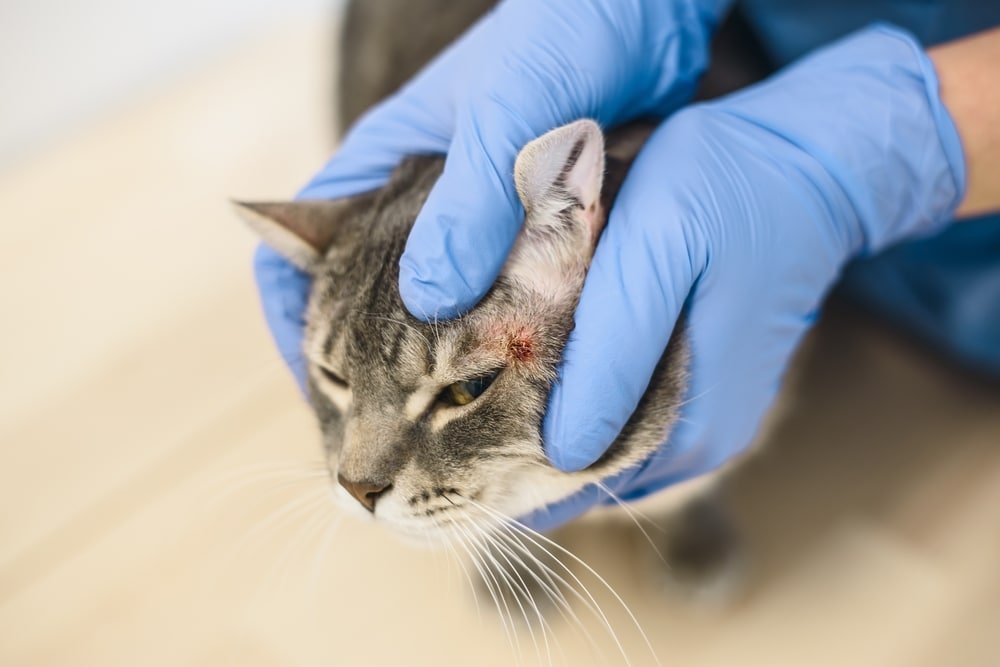
Have you ever wondered if lice can get on your cat? If you’ve noticed your furry friend scratching more than usual, it’s natural to worry about what might be causing it.
Lice are common pests in many animals, but do they really affect cats? Understanding whether your cat can get lice—and what signs to watch for—can save you time, stress, and discomfort for your pet. Keep reading to learn the truth about lice on cats and how you can protect your beloved companion.

Credit: www.youtube.com
Lice Types Affecting Animals
Lice are tiny parasites that latch onto animals, including cats, causing discomfort and sometimes health issues. Understanding the types of lice that affect animals helps you identify and treat infestations effectively. Not all lice are the same, and knowing which species target your pet can make a big difference.
Common Lice Species On Pets
Cats and other pets usually deal with two main types of lice: chewing lice and sucking lice. Chewing lice feed on skin debris and fur, causing itching and hair loss. Sucking lice, on the other hand, bite the skin and feed on blood, which can lead to anemia in severe cases.
Some common species you might encounter on cats include:
- Felicola subrostratus– a chewing louse specific to cats.
- Linognathus setosus– a sucking louse more common in dogs but rarely found on cats.
Knowing these species helps you spot the signs early. If your cat is constantly scratching or has patches of missing fur, lice might be the cause.
Differences Between Cat And Human Lice
Lice that infest cats are very different from those that affect humans. Cat lice cannot live on human skin, and human lice cannot survive on cats. This means you don’t have to worry about sharing lice with your pet.
Cat lice are adapted to hold onto fur with claws, while human lice cling to hair shafts. The feeding habits also differ; human lice suck blood but are less likely to cause severe anemia than cat sucking lice.
Understanding these differences can help you focus your treatment on your cat without unnecessary worry about lice transmission to your family. Have you ever noticed your cat scratching more than usual? It might be time to check for these specific parasites.
Credit: www.vienna.at
Lice Infestation In Cats
Lice infestation in cats is less common than in dogs but still possible. These tiny parasites live on a cat’s skin and fur. They feed on skin flakes and sometimes blood. Lice cause irritation and discomfort to cats. Understanding lice in cats helps in early detection and treatment.
Signs Of Lice On Cats
- Intense scratching and biting at the fur
- Visible small white eggs or lice on fur close to the skin
- Hair loss in patches due to constant scratching
- Red, inflamed, or scaly skin spots
- Restlessness and irritability
Some cats may show no signs at first. Regular checks help find lice early. Focus on areas like the neck, ears, and tail base.
How Cats Contract Lice
- Direct contact with an infested animal
- Sharing bedding or grooming tools with infected cats
- Contact with contaminated environments like shelters or outdoor areas
- Close contact during fights or play with other animals
Lice spread easily in crowded places. Indoor cats have less risk but are not completely safe.
Health Impact On Cats
Lice infestations can affect cats in several ways. These tiny parasites feed on a cat’s blood or skin oils. Their presence causes discomfort and can lead to more serious health problems. Understanding the health impact helps cat owners act fast and protect their pets.
Skin Irritation And Discomfort
Lice bites cause itching and irritation on a cat’s skin. Cats may scratch or bite themselves often. This behavior can lead to hair loss and red, inflamed patches. Constant itching makes cats restless and unhappy. Sensitive skin may develop sores from continuous scratching.
Secondary Infections
Scratching breaks the skin, opening doors for bacteria. This can lead to painful infections that need treatment. Infected areas may become swollen, warm, and discharge pus. Secondary infections make the cat feel worse. Early care reduces risks and speeds up healing.
Preventing Lice In Cats
Preventing lice in cats is essential to keep them healthy and comfortable. Lice cause itching and irritation. They can also lead to skin infections. Taking simple steps can stop lice from spreading or returning.
Maintaining Cat Hygiene
Regular grooming helps spot lice early. Brush your cat’s fur gently every day. Use a fine-toothed comb to remove dirt and debris. Bathing your cat occasionally keeps the skin clean. Choose shampoos made for cats. Avoid harsh chemicals that may irritate their skin.
Check your cat’s fur regularly for lice or eggs. Pay attention to areas behind the ears and near the neck. Keep your cat’s bedding clean and dry. Clean bedding reduces the chance of lice infestation.
Environmental Cleaning Tips
Clean your cat’s living area often. Vacuum carpets, rugs, and furniture thoroughly. Wash blankets, cushions, and pet beds in hot water. Heat kills lice and their eggs effectively. Dispose of vacuum bags or empty canisters after use.
Limit your cat’s contact with stray animals. Lice spread through close contact. Keep your home free from clutter where lice can hide. Maintain good air circulation to reduce humidity. Lice thrive in warm, damp places.
Treatment Options For Cats
Dealing with lice on your cat can be frustrating. Luckily, there are several treatment options available to help clear up the infestation quickly and safely. Understanding these options allows you to choose the best approach for your feline friend’s health and comfort.
Over-the-counter Remedies
You can find many over-the-counter (OTC) products designed to treat lice in cats. These include shampoos, sprays, and powders that contain insecticides safe for feline use.
When using OTC remedies, carefully follow the instructions on the label. Applying too much or too little can affect effectiveness or cause side effects.
- Choose products specifically made for cats—not dogs or humans.
- Check for active ingredients like pyrethrins or permethrin (but avoid permethrin for cats, as it’s toxic to them).
- Repeat treatments may be necessary to kill newly hatched lice.
Have you noticed your cat scratching more after using a product? This can indicate sensitivity, so stop treatment and consult your vet.
Veterinary Treatments
If OTC options don’t work or your cat’s infestation is severe, a vet visit is essential. Vets can prescribe stronger medications that are safe and highly effective.
Prescription treatments may include oral medications, spot-on treatments, or injectable drugs designed to kill lice quickly.
| Treatment Type | Benefits | Considerations |
|---|---|---|
| Oral Medications | Effective systemic treatment | Requires vet prescription, monitor for side effects |
| Spot-On Treatments | Easy application, targeted action | Keep cats from grooming each other immediately after |
| Injectable Drugs | Long-lasting protection | Administered by vet only, may require follow-up |
Have you ever wondered why some cats seem to recover faster? It could be due to early vet intervention and appropriate medication choice. Don’t hesitate to seek professional help if your cat’s lice problem persists or worsens.

Credit: scottishfoldbrit.com
Lice Vs Other Parasites
Understanding the difference between lice and other parasites on your cat is crucial for effective treatment. These tiny pests can cause discomfort and health issues, but not all parasites are the same. Knowing how to tell them apart helps you respond quickly and choose the right solution for your feline friend.
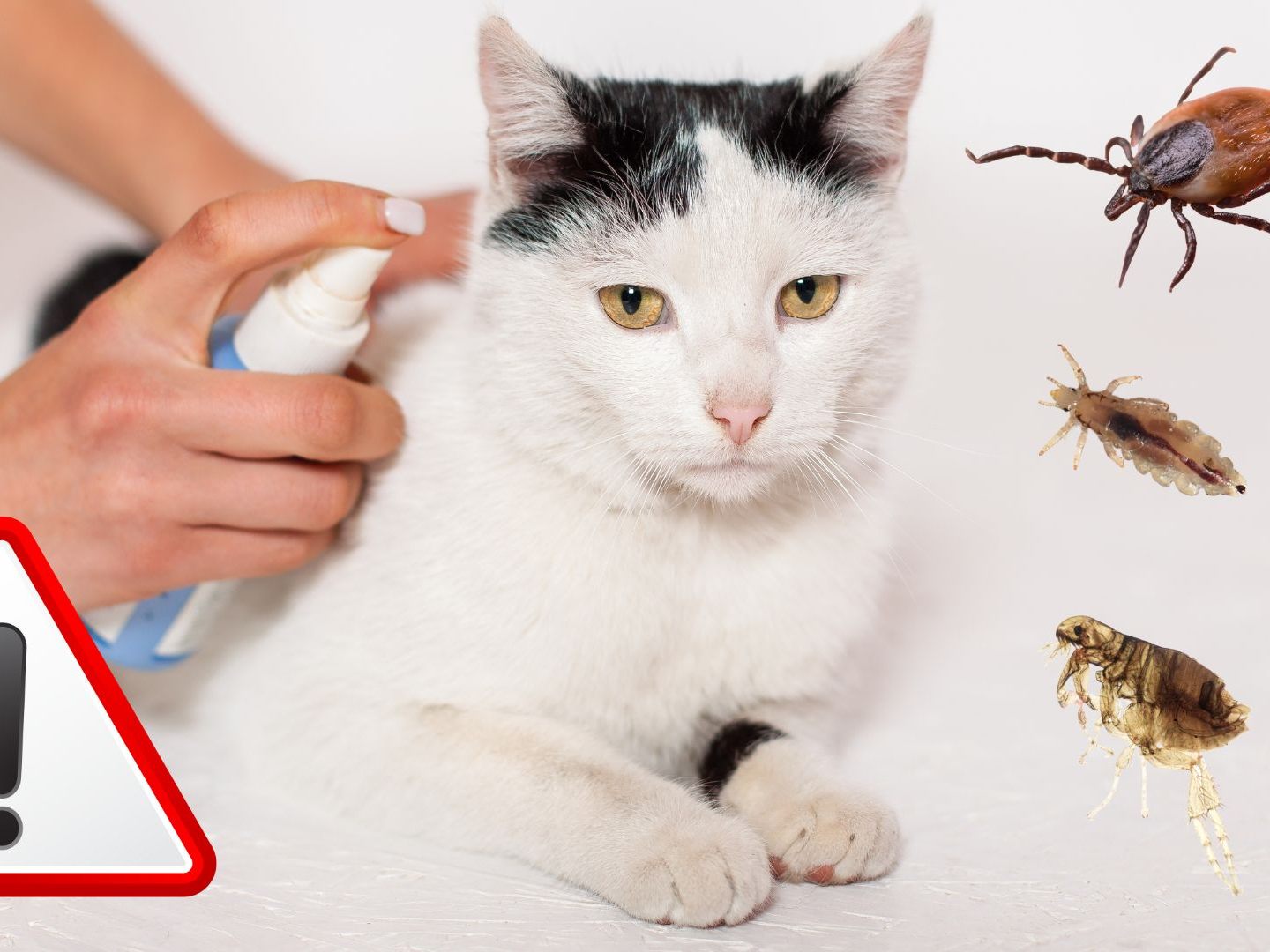
Distinguishing Lice From Fleas
Lice and fleas may seem similar at first, but they have distinct features and behaviors. Lice are tiny, wingless insects that cling tightly to your cat’s fur and skin. They move slowly and are often easier to spot with a close look.
Fleas, on the other hand, are more agile and can jump great distances. They are darker and slightly larger than lice. If you notice your cat scratching intensely or see small dark spots that move quickly, fleas are likely the culprit.
Here’s a quick comparison table to help you identify them:
| Characteristic | Lice | Fleas |
|---|---|---|
| Movement | Slow, crawl through fur | Jump and move quickly |
| Size | Very small, about 1-2 mm | Small, about 2-3 mm |
| Color | Light tan or gray | Dark brown or black |
| Location on Cat | Cling close to skin, often head and neck | Anywhere on body, often base of tail |
Common Misconceptions
Many pet owners confuse lice with fleas or even mites, leading to wrong treatments. One common mistake is assuming all tiny bugs on cats are fleas because they are more well-known. This can cause frustration when flea treatments don’t work, and the problem persists.
Another misconception is that cats cannot get lice at all. While lice are less common on cats compared to dogs, they do exist and can cause itching and irritation. If your cat’s scratching doesn’t improve after flea treatment, lice might be the hidden issue.
Have you ever treated your cat for fleas only to find the itching continued? It might be time to look closer and consider lice or other parasites. Spotting the right pest means faster relief for your furry companion.
Frequently Asked Questions
Can Cats Get Lice From Other Animals?
Yes, cats can get lice from close contact with infected animals. Lice are species-specific, so cat lice only infest cats, not humans or dogs.
What Are The Signs Of Lice On Cats?
Common signs include intense itching, hair loss, and visible lice or eggs on the fur. Cats may also show skin irritation or scabs.
How Do Lice Spread Among Cats?
Lice spread mainly through direct contact with an infected cat or shared bedding, grooming tools, or close living spaces.
Are Cat Lice Harmful To Humans?
No, cat lice do not infest or harm humans. They are specific to cats and cannot survive on human skin.
Conclusion
Lice on cats are rare but possible. Cats can get lice from close contact with other animals. Watch your cat for itching or hair loss. Clean your cat’s bedding and environment regularly. Treat your cat promptly if you find lice.
Keeping your cat healthy helps prevent pests. Always check with a vet for the best care. Stay alert and protect your furry friend. Simple steps keep your cat happy and lice-free.
