

Are you wondering if your indoor cat really needs vaccines? It’s a question many cat owners ask themselves.
After all, if your furry friend never steps outside, is vaccination necessary? The answer might surprise you. Protecting your cat’s health is more important than you think, even when they stay indoors. Keep reading to discover why vaccines play a crucial role in your cat’s well-being and what you need to know to keep your beloved pet safe and healthy.
Importance Of Cat Vaccinations
Vaccinating your indoor cat protects its health and wellbeing. Even cats that stay inside can catch diseases. Viruses and bacteria can enter your home through people, other pets, or objects. Vaccines help build your cat’s immunity, making it harder for illnesses to take hold.
Vaccinations reduce the risk of serious diseases. They keep your cat safe and lower the chance of costly vet visits. A healthy cat lives longer and enjoys a better quality of life.
Prevention Of Common Diseases
Vaccines protect against infections like feline herpesvirus and calicivirus. These diseases cause sneezing, eye problems, and mouth sores. Vaccination stops these illnesses before they start.
Protection From Severe Illnesses
Some diseases, like feline leukemia virus, can be fatal. Vaccines give your cat a strong defense. Preventing these diseases saves your cat from pain and suffering.
Reducing The Spread Of Disease
Vaccinated cats are less likely to spread infections. This helps protect other pets in your home. It also reduces the risk to stray or outdoor animals nearby.
Saving On Veterinary Costs
Treating diseases is often expensive and stressful. Vaccines cost less than medical care for serious illness. Vaccination is a smart investment in your cat’s health.
Common Vaccines For Indoor Cats
Indoor cats need vaccines to stay healthy. Vaccines protect them from serious diseases. Even indoor cats can catch infections from visitors or other pets. Some vaccines are essential, while others depend on your cat’s lifestyle and risk. Knowing common vaccines helps you keep your cat safe.
Core Vaccines For Indoor Cats
Core vaccines protect against severe and common diseases. These are usually recommended for all cats, regardless of their living situation.
- Feline Panleukopenia (FPV):A dangerous virus causing severe illness and death.
- Feline Herpesvirus (FHV-1):Causes respiratory infections and eye problems.
- Feline Calicivirus (FCV):Leads to respiratory issues and mouth ulcers.
- Rabies:A fatal disease that can spread to humans. Required by law in many areas.
Non-core Vaccines For Indoor Cats
Non-core vaccines depend on your cat’s risk factors. Talk to your vet about these options.
- Feline Leukemia Virus (FeLV):Important if your cat meets other cats or goes outside.
- Bordetella:Prevents respiratory infections, common in multi-cat homes.
- Chlamydia felis:Protects against eye infections.
Vaccination Schedule For Indoor Cats
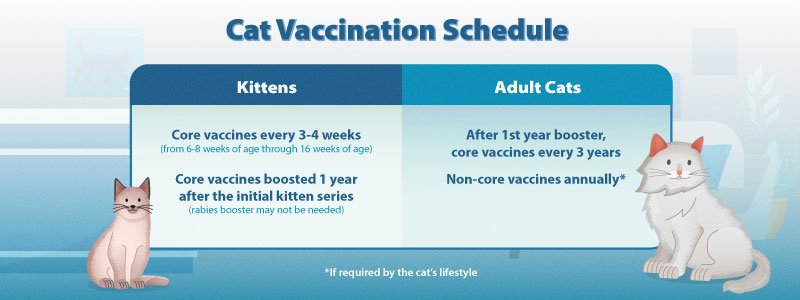
Kittens need a series of vaccines to build immunity. Adult cats require boosters to stay protected.
| Age | Vaccine | Notes |
|---|---|---|
| 6-8 weeks | Core Vaccines | First dose of FPV, FHV-1, FCV |
| 10-12 weeks | Core Vaccines | Second dose for stronger immunity |
| 14-16 weeks | Core Vaccines + Rabies | Final dose before adult booster |
| Annually | Booster Vaccines | Keep immunity strong |
Core Vaccines Explained
Understanding core vaccines is crucial for every cat owner, especially if you have an indoor feline friend. These vaccines protect cats from highly contagious and potentially deadly diseases. Even if your cat never steps outside, these shots act as a safety net against infections that can sometimes come in through unexpected ways.
Feline Viral Rhinotracheitis
This vaccine guards your cat against a common but serious respiratory infection caused by the feline herpesvirus. Symptoms include sneezing, eye discharge, and nasal congestion, which can be quite uncomfortable for your cat.
I’ve seen cats with untreated rhinotracheitis struggle with breathing difficulties, which makes vaccination a wise choice. Since this virus spreads through direct contact, even indoor cats can catch it if you bring in contaminated items or other pets.
Calicivirus
Calicivirus is another respiratory illness that can cause oral ulcers, fever, and difficulty eating. It spreads easily among cats through saliva and nasal secretions.
One indoor cat I know developed painful mouth sores because of this virus, highlighting how important the vaccine is. The calicivirus vaccine helps reduce the severity of symptoms and can prevent outbreaks in multi-cat households.
Panleukopenia
Panleukopenia, also called feline distemper, is a severe viral disease that attacks a cat’s immune system and gut. Symptoms include vomiting, diarrhea, and extreme lethargy.
This disease is often fatal, which is why vaccination is critical. Even indoor cats are at risk if you bring in contaminated shoes, clothing, or other objects, since the virus can survive in the environment for a long time.
Non-core Vaccines To Consider
Even if your cat stays indoors, certain non-core vaccines might still be worth considering. These vaccines protect against diseases your cat may not encounter every day but could face under specific circumstances. Deciding which vaccines to add depends on your cat’s lifestyle and potential exposure risks.
Feline Leukemia Virus
Feline Leukemia Virus (FeLV) is more common than many realize, especially if your cat ever comes into contact with other cats outdoors or through accidents like an open window. This virus weakens your cat’s immune system, making them vulnerable to serious illnesses.
If your indoor cat occasionally visits a vet clinic, a boarding facility, or spends time in a multi-cat household, the FeLV vaccine might be a smart choice. It’s a way to shield your cat from a virus that’s hard to treat once contracted.
Bordetella
Bordetella is a bacterial infection that can cause respiratory problems in cats. While often linked to dogs, cats can catch it too—especially in places where many animals gather.
Think about your cat’s environment: do they visit grooming salons, boarding kennels, or shelters? If yes, you should talk to your vet about the Bordetella vaccine. It helps reduce coughing and sneezing episodes that could turn into more serious health issues.
Risks Of Skipping Vaccinations
Skipping vaccinations for indoor cats carries serious risks. These risks can affect your cat’s health and well-being.
Vaccines protect cats from dangerous diseases. Without vaccines, cats remain vulnerable to infections. Some diseases can be life-threatening.
Exposure To Infectious Diseases
Indoor cats may seem safe but can still catch infections. Viruses can enter through open doors or on clothing. Fleas or other pests can also spread diseases. Vaccines reduce the chance of catching these illnesses.
Severe Illness And Complications
Without vaccines, diseases can cause severe symptoms. Cats may suffer fever, vomiting, or breathing problems. Some infections lead to long-term health issues or death. Prevention through vaccination is safer than treatment.
Risk To Other Pets And Humans
Unvaccinated cats can spread diseases to other pets. Some illnesses can also affect people in the household. Vaccinating your cat helps protect your entire family and other animals.
Higher Veterinary Costs
Treating preventable diseases can be expensive. Hospital stays, medications, and tests add up quickly. Vaccines are a cost-effective way to avoid these bills.
Reduced Quality Of Life
Sick cats often lose appetite and energy. They may struggle with pain or discomfort. Vaccinations help keep cats healthy and active for longer.
Credit: triangleanimalclinic.com
Understanding Vaccination Schedules
Understanding vaccination schedules is key to keeping your indoor cat healthy. Vaccines protect against serious diseases, but timing matters just as much as the vaccine itself. Knowing when and how often your cat needs shots can help you avoid missed doses or unnecessary visits.
How Vaccination Schedules Are Determined
Vaccination schedules are based on your cat’s age, lifestyle, and health status. Kittens usually start vaccines early because their immune systems are still developing. Indoor cats might have a different schedule compared to outdoor cats, but they still need protection.
Your vet considers local disease risks and your cat’s exposure level. Even indoor cats can face risks from visitors, other pets, or small breaches in their environment.
Core Vs. Non-core Vaccines
Core vaccines protect against common and severe diseases like feline distemper and rabies. These are generally recommended for all cats, regardless of where they live.
Non-core vaccines target diseases less common or specific to certain lifestyles. For example, an indoor cat might not need a vaccine for feline leukemia virus unless there’s a risk of exposure.
Typical Vaccination Timeline For Indoor Cats
| Age | Vaccine Type | Notes |
|---|---|---|
| 6-8 weeks | First core vaccines | Start initial series for kittens |
| 12 weeks | Second core vaccines | Boosters to strengthen immunity |
| 16 weeks | Final core vaccines + rabies | Completes initial series |
| 1 year | Booster vaccines | Maintains protection |
| Annually or every 3 years | Booster vaccines | Depends on vaccine and vet advice |
Why Sticking To The Schedule Matters
Missing or delaying vaccines can leave your cat vulnerable. I once skipped a booster for my indoor cat, thinking he was safe inside. A brief escape led to exposure, and he needed emergency care.
Vaccination schedules are designed to build and maintain immunity. Skipping shots wastes the effort of previous vaccines and puts your cat at risk.
Questions To Ask Your Vet About Vaccination
- Which vaccines are essential for my indoor cat?
- How often should my cat get booster shots?
- Are there any risks or side effects I should watch for?
- Can my cat’s lifestyle change the vaccination needs?
- How will you track my cat’s vaccination history?
Understanding your cat’s vaccination schedule means you can protect them effectively. It also makes vet visits smoother and less stressful for both you and your furry friend.
Consulting The Veterinarian
Consulting a veterinarian is essential to decide if indoor cats need vaccines. Each cat’s health and lifestyle differ. A vet’s advice helps create the best vaccine plan.
Veterinarians assess risks based on the cat’s environment and health history. Some indoor cats face exposure to diseases through windows, visitors, or other pets. A professional check-up ensures the cat receives necessary protection without over-vaccination.
Discussing Your Cat’s Lifestyle And Environment
The vet asks about your cat’s daily routine and surroundings. Questions include whether the cat goes outside or interacts with other animals. This information guides vaccine recommendations tailored to your cat’s risk level.
Reviewing Vaccination History And Health Status
Sharing past vaccine records helps vets determine which vaccines your cat needs now. The vet also performs a health check to ensure your cat can safely receive vaccines. This step prevents unnecessary health risks.
Understanding Vaccine Benefits And Possible Side Effects
The veterinarian explains how vaccines protect your cat from serious illnesses. They also discuss common side effects like mild fever or soreness. This knowledge prepares you to care for your cat after vaccination.
Creating A Customized Vaccination Schedule
Your vet designs a vaccine plan based on risk factors and health status. This schedule balances protection and safety. It may include core vaccines and others specific to your cat’s needs.

Credit: millsanimalhospital.com
Myths About Indoor Cats And Vaccines
Many cat owners believe that indoor cats don’t need vaccines because they’re not exposed to outdoor risks. This is a common misunderstanding that can put your cat’s health in danger. Vaccines protect your cat from diseases that can be brought into your home in unexpected ways.
Indoor Cats Are Completely Safe From Diseases
Some people think indoor cats never face health threats since they don’t roam outside. But germs can hitch a ride on your shoes, clothes, or other pets. Even a brief visit to the vet or boarding facility can expose your cat to viruses.
Have you ever thought about how visitors or deliveries might introduce germs into your home? That’s why vaccines act as an important shield.
Vaccines Are Only Necessary For Outdoor Cats
It’s easy to assume outdoor cats need vaccines more, but indoor cats also face risks. Diseases like feline herpesvirus and calicivirus can spread through the air or by contact with contaminated objects.
Think about the last time your cat interacted with other pets or even stray animals through windows or doors. Those interactions can be enough to spread infections.
Vaccines Cause Harm And Are Risky For Indoor Cats
Some worry vaccines might cause side effects or harm their indoor cats. While mild reactions can happen, serious problems are rare. The benefits of vaccination usually outweigh the risks.
Ask your vet about the safest vaccine options tailored for your indoor cat’s lifestyle. Protecting your cat early can save you from costly health issues later.
Once Vaccinated, Indoor Cats Don’t Need Boosters
Many assume a single round of vaccines is enough for an indoor cat’s entire life. However, immunity fades over time and booster shots are crucial to maintain protection.
Keeping a vaccination schedule ensures your cat stays safe from diseases throughout their life. When was the last time you checked your cat’s vaccine status?
Tips For Keeping Indoor Cats Healthy
Keeping your indoor cat healthy requires more than just a comfy bed and regular meals. Even though your cat stays inside, they still face health risks that you can help prevent. Small changes in daily care can make a big difference in their well-being and happiness.
Regular Veterinary Visits
Visiting the vet isn’t just for sick cats. Regular check-ups help catch health issues early, even if your cat seems fine. Vaccines, dental care, and parasite prevention are part of these visits and keep your cat protected.
Have you ever skipped a vet visit because your cat stays indoors? Think about how a quick exam could prevent costly treatments later.
Balanced Diet And Hydration
Your cat’s diet directly impacts their energy and immune system. Choose high-quality food tailored to their age and health needs. Don’t forget to provide fresh water daily—hydration supports kidney health and overall vitality.
Try adding wet food occasionally if your cat tends to drink less water. This simple change can improve hydration without much effort.
Enrichment And Exercise
Boredom can lead to stress and unhealthy behaviors in indoor cats. Provide toys, scratching posts, and climbing spaces to keep them active and engaged. Playtime also strengthens your bond and helps maintain a healthy weight.
How often do you spend active playtime with your cat? Even 10 minutes a day can boost their mood and health.
Clean Living Environment
Keeping your cat’s space clean reduces the risk of infections. Regularly clean litter boxes, bedding, and feeding areas. A tidy environment helps your cat feel secure and comfortable.
Consider how often you clean their litter box. Frequent cleaning can prevent unpleasant odors and health problems.
Monitor Behavior And Health Changes
Pay attention to your cat’s behavior and appearance daily. Changes in appetite, grooming, or activity might signal health issues. Early detection helps your vet provide timely treatment.
Have you noticed subtle changes in your cat that you initially ignored? Trust your instincts—they often spot problems before tests do.

Credit: metrovetclinic.com
Frequently Asked Questions
Do Indoor Cats Really Need Vaccinations?
Yes, indoor cats need vaccinations to protect against diseases. Viruses can enter homes on clothing or other pets, posing risks to indoor cats.
Which Vaccines Are Essential For Indoor Cats?
Core vaccines like rabies, feline calicivirus, and panleukopenia are essential. These protect cats from common and potentially fatal diseases.
How Often Should Indoor Cats Get Vaccinated?
Indoor cats typically require vaccinations every 1 to 3 years. Your vet will recommend a schedule based on your cat’s health and lifestyle.
Can Indoor Cats Catch Diseases Without Outdoor Exposure?
Yes, indoor cats can catch diseases through contact with humans, other pets, or contaminated objects. Vaccinations help reduce this risk significantly.
Conclusion
Indoor cats still face health risks that vaccines can prevent. They may not go outside, but germs can enter your home. Vaccines help protect your cat from serious diseases. Regular vet visits keep vaccinations up to date and safe. Protecting your cat means fewer vet bills and less worry.
Healthy cats live longer and feel happier every day. Vaccines are a simple step to keep your indoor cat safe. Don’t skip this important part of cat care.
