


Are you wondering if your indoor cat really needs vaccinations? It’s easy to think that keeping your cat inside means they’re safe from all illnesses.
But the truth might surprise you. Your furry friend’s health depends on more than just staying indoors. Understanding why shots could be important for your cat will help you make the best choice to keep them happy and healthy. Keep reading to discover what you need to know about indoor cat vaccinations and how they protect your beloved pet.
Importance Of Vaccinations For Indoor Cats
Vaccinations protect indoor cats from serious diseases. Even cats that stay inside face risks from germs brought in on shoes or other pets. Vaccines help build strong defenses in their bodies. This keeps them healthy and happy for many years.
Preventing illness through vaccination is easier than treating diseases. Some infections can be deadly or cause lifelong problems. Vaccines reduce the chance of your cat catching or spreading these infections. Protecting your pet also protects your family and other animals around you.
Understanding Common Diseases Affecting Indoor Cats
Indoor cats can catch diseases like feline herpesvirus and calicivirus. These cause sneezing, eye problems, and mouth sores. Another risk is rabies, which spreads through bites. Vaccines guard against these illnesses, even if your cat never goes outside.
How Vaccinations Support Your Cat’s Immune System
Vaccines train the immune system to fight infections. They expose the body to safe parts of a virus or bacteria. This helps the cat’s body recognize and attack real infections quickly. Vaccinated cats recover faster and often have milder symptoms.
Risks Of Skipping Vaccinations For Indoor Cats
- Increased chance of serious illness
- Higher risk of spreading diseases to other pets
- Costly and stressful treatments if sick
- Potential quarantine or legal issues with certain infections
Skipping vaccines puts your cat and others in danger. Prevention through shots is the safest choice.
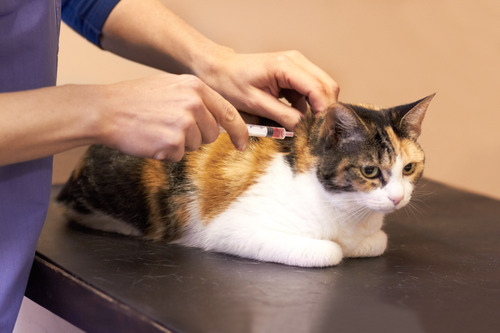
Credit: triangleanimalclinic.com
Core Vaccines For Cats
Core vaccines protect cats from serious diseases. These vaccines are essential for every cat, including those living indoors. They help build immunity and keep cats healthy. Understanding these vaccines helps pet owners make informed choices.
Feline Viral Rhinotracheitis
Feline viral rhinotracheitis is a common cat disease. It affects the respiratory system and causes sneezing, eye discharge, and fever. The vaccine prevents this viral infection and reduces symptoms if the cat gets sick. Indoor cats can still catch this virus from carriers or contaminated surfaces.
Calicivirus
Calicivirus causes mouth ulcers, respiratory issues, and sometimes lameness. It spreads through direct contact or shared objects. The vaccine helps stop the virus from spreading and protects cats from severe illness. Even indoor cats can be at risk due to visitors or other pets.
Panleukopenia
Panleukopenia, also called feline distemper, is a deadly virus. It attacks the immune system and causes vomiting, diarrhea, and dehydration. Vaccination is crucial to prevent this disease. Panleukopenia virus can survive in the environment, so indoor cats still need protection.
Non-core Vaccines And Their Necessity
Non-core vaccines are not required for every indoor cat but can be important depending on your cat’s lifestyle and environment. These vaccines protect against diseases that are less common in strictly indoor cats but can still pose a risk. Deciding whether your cat needs these shots depends on factors like exposure risk, local disease prevalence, and your vet’s advice.
Rabies Vaccine
Rabies is a deadly virus that can affect all mammals, including cats. Even indoor cats should get this vaccine because the virus can be transmitted by bats or other wildlife entering your home. Many places legally require rabies vaccination for all cats, so it’s not just about health but also compliance.
Think about the unexpected: a bat in your attic or a neighborhood animal sneaking inside. These situations make the rabies vaccine essential, regardless of how protected your cat seems.
Feline Leukemia Vaccine
Feline leukemia virus (FeLV) spreads through close contact with infected cats, like grooming or sharing food bowls. If your cat never meets other cats, the risk is low. But if you have other cats or your cat occasionally goes outside, this vaccine offers crucial protection.
Your vet can test your cat for FeLV before vaccination to avoid unnecessary shots. Ask yourself if your cat’s environment or habits could expose them to this virus. The answer will guide your decision.
Bordetella Vaccine
Bordetella causes respiratory illness often called kennel cough. It’s more common in places where cats congregate, like boarding facilities or shelters. If your indoor cat visits groomers, vets, or daycare, this vaccine can help prevent coughing and sneezing outbreaks.
Consider how often your cat interacts with other animals outside your home. If those visits are frequent, adding the Bordetella vaccine might save your cat from uncomfortable illness and you from unexpected vet bills.

Credit: millsanimalhospital.com
Vaccination Schedule And Timing
Vaccination is important for indoor cats to protect against diseases. The right schedule and timing keep cats healthy. Vaccines help build immunity early and maintain it throughout life. Understanding when to vaccinate your cat ensures lasting protection.
Kitten Vaccination Timeline
Kittens need several vaccines during their first months. Start at about six to eight weeks old. Vaccines repeat every three to four weeks until sixteen weeks. Core vaccines include:
- Feline distemper (panleukopenia)
- Feline calicivirus
- Feline herpesvirus (rhinotracheitis)
Rabies vaccine usually comes at twelve to sixteen weeks old. This schedule builds strong immunity as kittens grow.
Adult Cat Booster Shots
Adult cats need booster shots to keep immunity strong. Boosters come one year after kitten vaccines. Then boosters repeat every one to three years depending on vaccine type. Indoor cats may need fewer boosters but still require protection. Your vet will suggest the right timing based on health and lifestyle.
Risks And Side Effects Of Cat Vaccinations
Vaccinating indoor cats helps protect them from serious diseases. But like all medical treatments, vaccines carry some risks. Understanding the possible side effects helps pet owners make informed choices.
Most cats tolerate vaccines well. Some experience mild reactions that go away quickly. Rarely, more serious problems can occur. Knowing the difference between common and rare reactions is important.
Common Side Effects
- Soreness or swelling at the injection site
- Mild fever or lethargy lasting one or two days
- Loss of appetite for a short time
- Sneezing or mild respiratory signs after nasal vaccines
These symptoms usually resolve without treatment. Watch your cat for changes after vaccination.
Rare Reactions
- Severe allergic reactions causing swelling or difficulty breathing
- Persistent vomiting or diarrhea
- Behavioral changes like hiding or aggression
- Formation of lumps under the skin that last weeks
Contact a vet immediately if your cat shows any rare symptoms. Quick action can prevent complications.

Credit: weareallaboutcats.com
Consulting A Veterinarian
Consulting a veterinarian is the best step to decide on vaccinations for indoor cats. Each cat’s needs differ. Professional advice ensures your pet stays healthy and protected.
Personalized Vaccination Plans
Veterinarians create vaccination plans based on your cat’s unique situation. They consider age, breed, and previous shots. This plan keeps your cat safe without unnecessary vaccines.
Assessing Health And Lifestyle Factors
Indoor cats may face different risks than outdoor cats. Vets evaluate factors like exposure to other animals and overall health. This helps determine which vaccines are essential for your pet’s wellbeing.
Indoor Cats And Disease Prevention
Indoor cats live in a controlled environment, but they still face health risks. Disease prevention remains important to keep them healthy and safe. Vaccines and other measures help protect indoor cats from infections. Understanding these steps helps owners make smart health choices.
Role Of Vaccines In Disease Control
Vaccines protect cats from serious illnesses. Even indoor cats can catch diseases from visitors or other pets. Vaccines create immunity against viruses and bacteria. Common vaccines include those for feline distemper, calicivirus, and rabies.
Regular vaccinations reduce the risk of outbreaks inside the home. They also protect against diseases that have no cure. Veterinarians recommend keeping vaccination schedules up to date. This ensures long-lasting protection and peace of mind.
Additional Preventive Measures
Besides vaccines, other steps lower disease risk for indoor cats. Good hygiene is essential. Clean litter boxes and food areas often. Avoid exposure to sick animals or contaminated items.
- Regular vet check-ups to catch problems early
- Balanced diet to boost the immune system
- Stress reduction to keep cats healthy
- Proper parasite control, like flea and tick prevention
These practices create a safe environment. They work together with vaccines to keep indoor cats well.
Frequently Asked Questions
Do Indoor Cats Need Vaccinations?
Yes, indoor cats need vaccinations to protect against contagious diseases. Vaccines help prevent illnesses like rabies and feline distemper, even if cats stay indoors.
Which Shots Are Essential For Indoor Cats?
Core vaccines for indoor cats include rabies, feline distemper, and feline herpesvirus. These shots protect cats from common, serious infections.
How Often Should Indoor Cats Get Vaccinated?
Indoor cats typically need booster shots every 1 to 3 years. Your vet will recommend a schedule based on your cat’s health and risk factors.
Can Indoor Cats Catch Diseases Without Outdoor Exposure?
Yes, indoor cats can catch diseases from other pets or contaminated objects. Vaccinations reduce this risk by boosting their immune defense.
Conclusion
Indoor cats still need shots to stay healthy and safe. Vaccines protect them from many common diseases. Even if your cat never goes outside, germs can enter your home. Visits to the vet keep their vaccines up to date. Shots help avoid serious illnesses and costly treatments.
Protect your indoor cat’s health by following vaccination advice. It’s a simple step that makes a big difference. Keep your furry friend happy and well for years. Regular vaccinations are a smart choice for every cat owner.
