

Are you wondering if your indoor cat really needs a rabies shot? You might think that keeping your furry friend inside means they’re safe from rabies.
But is that true? Understanding why rabies vaccinations matter for indoor cats can protect your pet’s health and give you peace of mind. Keep reading to discover the facts you need to know to keep your cat safe and healthy.
Rabies In Cats
Rabies in cats is a serious health concern that every cat owner should understand, regardless of whether their pet stays indoors. While many assume indoor cats are safe from rabies, the reality is more complex. Knowing how rabies affects cats and how it spreads can help you protect your furry friend effectively.
Understanding Rabies Virus
Rabies is a deadly virus that attacks the nervous system of mammals, including cats. Once symptoms appear, the disease is almost always fatal, making prevention crucial. The virus can affect any cat, not just those who roam outside.
Interestingly, the virus travels through the saliva and nerve tissue, which means a bite or scratch from an infected animal is the main way it spreads. Cats may show unusual behavior such as aggression or paralysis when infected, but early signs can be subtle.
Transmission Methods
Rabies mainly spreads through bites from infected animals like bats, raccoons, or stray dogs. Even indoor cats can encounter these risks if a wild animal sneaks inside or if your cat escapes outdoors briefly.
- Bites or scratches from rabid animals
- Contact with saliva through open wounds or mucous membranes
- Rare cases of airborne transmission in bat caves
Have you ever thought about how your cat might come into contact with a wild animal? It’s easy to overlook small openings in your home that allow bats or raccoons inside. Protecting your cat means considering these hidden risks carefully.
Rabies Vaccination Requirements
Understanding rabies vaccination requirements is crucial for every cat owner, whether your feline friend stays indoors or ventures outside. Rabies is a deadly disease that can affect pets and humans alike. Knowing the rules helps you keep your cat safe and avoid legal trouble.
Legal Obligations
Most states require cats to have a rabies vaccination by law. Even if your cat never leaves the house, the law often still applies. This is because rabies can be transmitted through unexpected encounters, like a bat entering your home.
Failing to vaccinate your cat can lead to fines or other penalties. Some areas may require proof of vaccination for licensing your pet. Have you checked whether your cat’s vaccination records are up to date? It’s worth making a quick call or visit to your vet to confirm.
State And Local Regulations
Rabies vaccination laws vary widely depending on where you live. Some states require annual shots, while others allow a three-year vaccine after the initial dose. Local governments may add their own rules, like specific vaccine brands or timing.
For example, in California, cats must be vaccinated by four months old and revaccinated regularly. Meanwhile, in Texas, rules can differ between counties. This variation means you need to research your local regulations carefully.
To avoid confusion, keep a clear record of your cat’s vaccinations and any local requirements. Checking your city or county’s animal control website can save you from surprises. What steps have you taken to ensure your cat meets your area’s rabies vaccination laws?
Health Benefits Of Rabies Shots
Rabies shots offer crucial health benefits for indoor cats. These vaccines protect cats from a deadly virus that can affect both pets and humans. Vaccination also helps maintain your cat’s overall health by preventing serious illnesses.
Protection Against Rabies
Rabies is a fatal disease that affects the nervous system. Indoor cats can still catch rabies through contact with infected animals. A rabies shot builds immunity, preventing the virus from taking hold. This protection keeps your cat safe and reduces risks for your family.
Overall Health Improvement
Rabies vaccines support your cat’s immune system. Healthy immunity means fewer illnesses and faster recovery from infections. Regular vaccinations also encourage routine veterinary visits. These check-ups help catch health issues early, ensuring your cat stays healthy and happy.

Credit: millsanimalhospital.com
Risks And Concerns
Many cat owners worry about the risks and concerns of rabies shots for indoor cats. Understanding these issues helps make better health choices. Vaccination can protect cats from deadly diseases but also raises questions about safety and necessity. Knowing the facts clears up confusion and eases fears.
Potential Side Effects
Rabies vaccines for cats are generally safe. Some cats may show mild side effects after vaccination. These include:
- Soreness or swelling at the injection site
- Mild fever
- Sleepiness or reduced appetite
- Rare allergic reactions
Severe side effects are very uncommon. Most cats recover quickly without treatment. Always watch your cat after vaccination and contact a vet if unusual symptoms appear.
Myths About Vaccination
Many myths surround rabies vaccination for indoor cats. Some believe indoor cats cannot catch rabies. This is not true. Rabies can spread through bat bites or other wildlife contact, even indoors.
Another myth is that vaccines cause illness or long-term harm. Modern vaccines are tested and monitored for safety. They protect cats from a deadly disease without causing problems.
Understanding these myths helps owners make informed decisions about their cat’s health. Vaccination remains a key step in keeping cats safe and healthy.
Indoor Cats And Rabies Risk
Many cat owners believe that indoor cats face little to no risk of rabies. After all, their pets stay inside, away from wild animals known to carry the virus. But is this assumption really safe? Understanding the rabies risk for indoor cats helps you make better health decisions for your feline friend.
Exposure Scenarios
Even indoor cats can encounter rabies in unexpected ways. For example, a bat might sneak into your home through an open window or attic. If your cat interacts with the bat, the risk of exposure rises significantly.
Delivery workers, guests, or even other pets can accidentally bring in tiny animals or insects that carry the virus. If your cat is curious and investigates, it might get scratched or bitten. This kind of indirect exposure is easy to overlook but very real.
- Open windows or doors without screens
- Indoor areas connected to outside spaces like garages or basements
- Items brought from outside, such as boxes or firewood
Have you ever thought about the small ways your indoor cat might come into contact with wildlife? These scenarios show why rabies vaccination isn’t just for outdoor cats.
Case Studies
One case involved an indoor-only cat in a suburban home that developed rabies after a bat entered the living room. The owner never imagined the cat could be at risk since it never went outside.
Another case showed a cat catching rabies after a brief encounter with a rabid raccoon that slipped into the backyard. Though the cat stayed mostly indoors, it chased the raccoon near the back door.
| Case | Exposure | Outcome |
|---|---|---|
| Indoor cat with bat | Bat entered home, cat interacted | Rabies diagnosed, required euthanasia |
| Backyard encounter | Cat chased raccoon near door | Rabies confirmed, aggressive symptoms appeared |
These stories highlight that being indoors does not guarantee safety from rabies. How confident are you that your cat’s environment is truly secure? Vaccination remains a key protective step, even for cats who never roam outside.
Veterinarian Recommendations
Veterinarians play a crucial role in guiding pet owners on whether indoor cats need rabies vaccinations. Their recommendations balance the risks of exposure with legal requirements and health considerations. Understanding their perspective can help you make informed decisions for your cat’s well-being.
Expert Opinions
Most veterinarians agree that even indoor cats should receive rabies shots. Rabies is a fatal disease, and indoor cats can still be exposed through unexpected encounters with wildlife or other animals brought inside.
Dr. Sarah, a local vet, shared that one of her indoor-only cats escaped once and had a close call with a bat. This situation alone convinced her to keep vaccinations up to date. Experts also emphasize that many regions legally require rabies vaccinations regardless of a cat’s lifestyle.
Would you risk your cat’s life or face legal consequences over an easily preventable disease? Veterinarians remind you that vaccination is a simple step toward protection.
Best Practices For Pet Owners
- Schedule regular vet visits to discuss your cat’s health and vaccination needs.
- Keep your cat’s rabies vaccinations current according to local laws and vet advice.
- Minimize your cat’s exposure to wildlife and stray animals even if it stays indoors.
- Consider microchipping to help identify your cat if it accidentally escapes.
Many pet owners underestimate how easily indoor cats can be exposed to rabies. Your vet can tailor a vaccination schedule that fits your cat’s lifestyle and risk level. Don’t wait for an incident to realize the importance of rabies shots—your cat’s safety depends on proactive care.
Balancing Safety And Health
Indoor cats often seem safe from many outdoor dangers. Rabies is one risk many cat owners consider. Balancing safety and health means weighing the risks and benefits of rabies vaccination. Vaccines protect against serious illness but can cause stress or side effects. Understanding both sides helps make the best choice for your cat’s well-being.
Making Informed Decisions
Knowing your cat’s environment is key. Rabies spreads mainly through bites from infected animals. Indoor cats rarely meet wild animals but accidents can happen. Stray animals might enter the home or your cat could escape briefly.
Check local laws about rabies shots for pets. Some places require vaccinations for all cats, even indoors. Talk to your vet about risks in your area. They can guide you based on your cat’s lifestyle and health history.
Long-term Health Planning
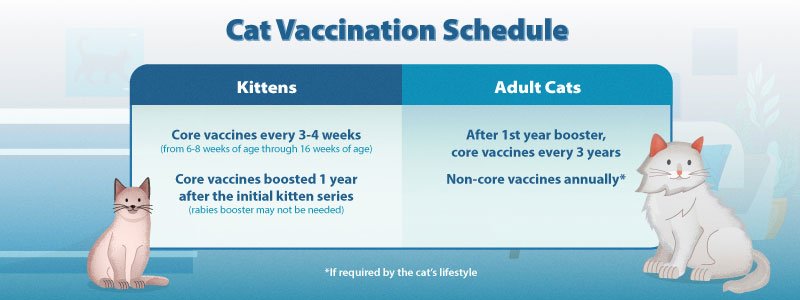
Think about your cat’s life over many years. Vaccines protect long-term health by preventing deadly diseases. Some vaccines need boosters every year or few years. Keep track of vaccination schedules to stay updated.
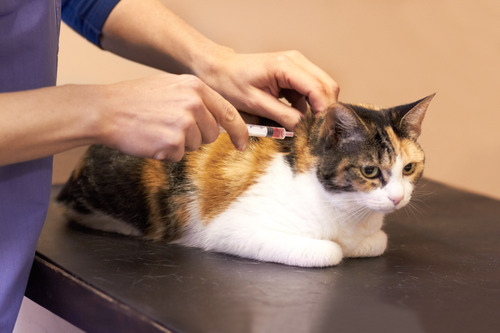
Monitor your cat’s reactions after shots. Mild side effects like soreness or tiredness are common. Severe reactions are rare but need vet attention. Regular vet visits help catch health issues early.
Balancing safety means protecting your cat now and in the future. Rabies shots can be part of a healthy plan for indoor cats.
Credit: triangleanimalclinic.com

Credit: weareallaboutcats.com
Frequently Asked Questions
Do Indoor Cats Need Rabies Vaccinations?
Yes, indoor cats should get rabies shots. Rabies can transmit through bites from wild animals that enter the home. Vaccination protects your cat and complies with local laws.
How Often Should Indoor Cats Receive Rabies Shots?
Indoor cats typically need rabies vaccinations every one to three years. The exact schedule depends on vaccine type and local regulations. Consult your veterinarian for the best timing.
Can Indoor Cats Catch Rabies Without Going Outside?
Yes, indoor cats can catch rabies from bats or other wild animals inside the home. Rabies spreads through saliva via bites or scratches. Vaccination reduces this risk significantly.
Are Rabies Shots Mandatory For Indoor Cats?
Many regions require rabies vaccinations for all cats, including indoor ones. This law protects public health and prevents rabies outbreaks. Check your local regulations to ensure compliance.
Conclusion
Indoor cats can still face risks from rabies. Vaccinating keeps them safe and healthy. Rabies shots protect your cat and your family. Talk to your vet about the best plan. Staying cautious helps avoid serious health problems. Prevention is easier than treatment.
Keep your indoor cat’s rabies shots up to date. Peace of mind comes with good care. Safe pets make happy homes.
