

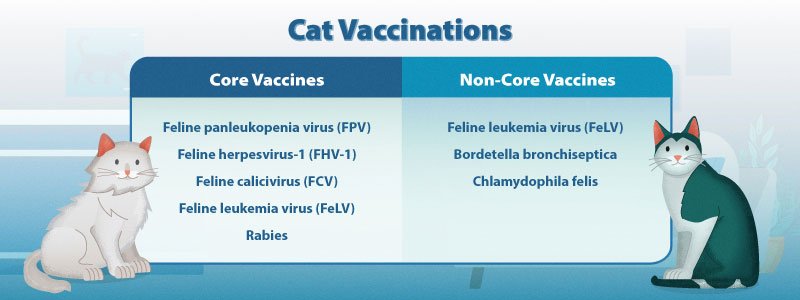
If you have an indoor cat, you might wonder if they really need the feline leukemia vaccine. After all, your furry friend rarely goes outside and seems safe at home.
But what if there’s a hidden risk you haven’t considered? Protecting your cat’s health is important, and understanding whether this vaccine is necessary can save you from tough decisions later. Keep reading to discover what you need to know to keep your indoor cat safe and healthy.
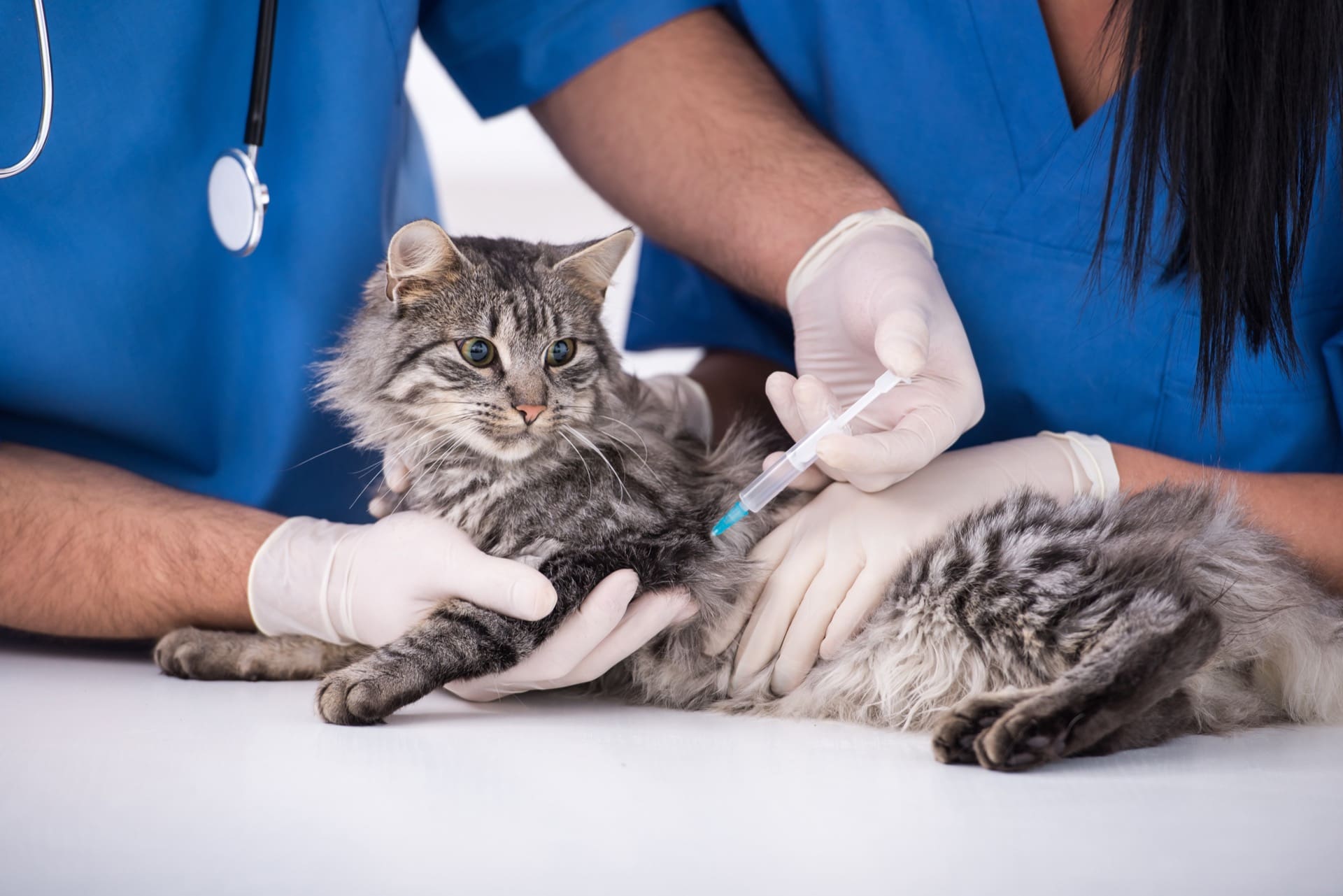
Credit: spallandharveyanimalhospital.ca
Understanding Feline Leukemia Virus (felv)
Understanding the Feline Leukemia Virus (FeLV) is crucial for every cat owner, especially if you’re questioning whether your indoor cat needs the vaccine. FeLV is a serious viral infection that weakens your cat’s immune system, making them vulnerable to other illnesses. Knowing how this virus spreads and affects your pet helps you make informed decisions about their health.
Transmission Methods
FeLV spreads mainly through close, prolonged contact between cats. This can happen via:
- Grooming each other
- Sharing food and water bowls
- Exposure to saliva, urine, or feces from an infected cat
Even bites during fights can transmit the virus. So, if your indoor cat has no contact with other cats, the risk is lower but not zero—visits from outdoor cats or new additions to your home can introduce the virus.
Symptoms And Health Impacts
FeLV symptoms can vary, but many cats show signs like weight loss, pale gums, and persistent fever. You might notice your cat becoming lethargic or losing appetite over time.
The virus can cause serious issues such as anemia, infections, and even certain cancers. Since it weakens the immune system, your cat can catch illnesses more easily and take longer to recover.
Have you ever wondered if protecting your indoor cat with a vaccine might save them from these hidden dangers? Understanding these symptoms early can make a big difference in your cat’s quality of life.
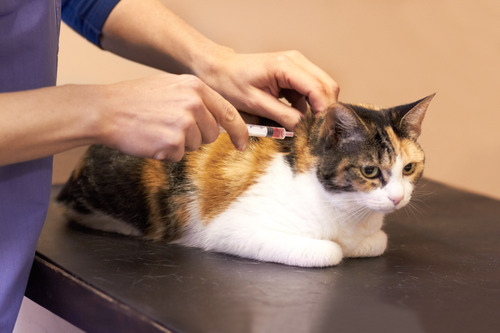
Credit: triangleanimalclinic.com
Vaccine Basics For Feline Leukemia
Understanding the basics of the feline leukemia vaccine helps pet owners make informed choices. This vaccine protects cats from a serious virus that weakens their immune system. Knowing how the vaccine works and how long it lasts is essential for your cat’s health.
How The Vaccine Works
The feline leukemia vaccine teaches the cat’s immune system to fight the virus. It introduces a small, safe part of the virus. This triggers the body to create defenses without causing illness.
When exposed to the real virus later, the cat’s immune system recognizes and attacks it quickly. This reduces the chance of infection and serious disease.
Vaccine Efficacy And Longevity
The vaccine works well in most cats, but no vaccine is 100% effective. It lowers the risk of infection significantly. Cats usually need a series of shots at first.
Protection lasts about one year, so yearly boosters keep immunity strong. Regular vet visits help maintain your cat’s health and vaccination status.
Risk Factors For Indoor Cats
Understanding the risk factors for indoor cats is crucial when deciding whether they need the feline leukemia vaccine. While indoor cats generally face fewer threats, certain situations can increase their chances of exposure to the virus. Assessing these risks carefully helps you make an informed choice for your cat’s health.
Potential Exposure Scenarios
Even if your cat stays indoors, some exposure risks still exist. Think about visits to the vet or boarding facilities where your cat may come into contact with other cats. Fleas can also carry the virus, so if your cat interacts with pets that go outside, the risk rises.
Another scenario is if you occasionally allow your cat supervised outdoor time or if your cat manages to sneak outside unnoticed. These moments can expose them to infected cats or contaminated environments.
Lifestyle And Environment Considerations
Consider your household setup and your cat’s daily routine. If you have multiple cats, especially if one is infected or unvaccinated, the chances of spreading the virus increase. Similarly, if your cat lives in a shelter or rescue environment, exposure risk is higher compared to a single-pet home.
Ask yourself: How controlled is your cat’s environment? Do you regularly disinfect bedding and litter boxes? Small changes in your home’s cleanliness and your cat’s interactions can greatly reduce or increase risk.
Benefits And Risks Of Vaccination
Vaccinating your indoor cat against feline leukemia is a decision that involves weighing both benefits and risks. Understanding what you gain and what you might face helps you make an informed choice that suits your cat’s lifestyle and health needs. Let’s break down the key points to consider.
Health Benefits For Cats
Feline leukemia virus (FeLV) can cause severe illness in cats, including cancer and immune system suppression. Vaccination offers a strong shield, especially if your indoor cat accidentally encounters an infected cat through outdoor exposure or contact with new pets.
Vaccinated cats have a much lower chance of contracting FeLV, which means fewer vet visits and less stress for both you and your pet. Protecting your cat can also prevent the spread of this contagious virus in multi-cat households.
Possible Side Effects
Like any vaccine, the FeLV vaccine can cause side effects, though they are generally mild. You might notice temporary soreness at the injection site, slight fever, or reduced appetite shortly after vaccination.
Severe reactions are rare but possible, including allergic responses. Monitoring your cat after vaccination ensures you catch any unusual symptoms early, allowing prompt veterinary care.
Veterinary Recommendations
Veterinarians play a key role in guiding you on whether your indoor cat should receive the Feline Leukemia Virus (FeLV) vaccine. Their recommendations are based on a mix of current research, risk assessment, and practical experience. Understanding these guidelines can help you make the best choice for your cat’s health.
Current Guidelines
The American Association of Feline Practitioners (AAFP) advises FeLV vaccination primarily for cats at risk of exposure. This usually means outdoor cats or those living with FeLV-positive cats. For strictly indoor cats with no contact with others, vaccination may not be routinely recommended.
However, some vets suggest vaccination for indoor cats if there’s any chance of escape or future exposure. The vaccine is safe but not always necessary. Your vet will weigh the benefits against any potential risks or costs.
Expert Opinions
Many veterinarians emphasize individualized care. One vet shared how a client’s indoor cat escaped once and contracted FeLV, proving that zero-risk is hard to guarantee. This experience led them to recommend vaccination more often for indoor cats with occasional outdoor access.
Others argue that strict indoor cats living in single-cat households have minimal risk. They suggest focusing on regular health checks and keeping your cat indoors as the best preventive measures. What would you choose if your vet gave you both options?
- Discuss your cat’s lifestyle openly with your vet.
- Ask about the local prevalence of FeLV.
- Consider your cat’s future exposure risk realistically.

Credit: millsanimalhospital.com
Making An Informed Decision
Deciding whether your indoor cat needs the feline leukemia vaccine requires careful thought. This choice isn’t one-size-fits-all. It depends on your cat’s lifestyle, environment, and health risks.
Assessing Your Cat’s Risk
Even indoor cats can face some exposure to feline leukemia virus (FeLV). Consider if your cat ever interacts with outdoor cats or if other pets in your home go outside. A single escape or contact with an infected cat can put them at risk.
Think about the neighborhood too. If stray cats are common nearby, the chance of indirect exposure rises. Your cat’s age also matters—young cats and kittens are more vulnerable to infections.
Ask yourself: How often does your cat go outside or meet other cats? Has your cat ever had a bite or scratch from an unknown cat? These questions help you judge the real risk level.
Consulting With Your Veterinarian
Your vet knows your cat’s health history and environment best. They can offer personalized advice on the need for the FeLV vaccine. Share details about your cat’s daily routine and any recent encounters with other animals.
Discuss the benefits and possible side effects of the vaccine. Some cats might have health conditions that make vaccination risky. Your vet can weigh these factors and suggest the safest option.
Don’t hesitate to ask about testing for FeLV before vaccinating. Knowing your cat’s current status can prevent unnecessary shots. Together, you and your vet can create a clear, informed plan that fits your cat’s unique situation.
Frequently Asked Questions
Do Indoor Cats Need The Feline Leukemia Vaccine?
Indoor cats generally have a low risk of feline leukemia virus (FeLV). Vaccination is often recommended if they interact with outdoor cats or new cats. Consult your vet to evaluate your cat’s lifestyle and decide if the vaccine is necessary.
How Is Feline Leukemia Transmitted To Cats?
Feline leukemia spreads through saliva, nasal secretions, urine, and feces. Close contact, such as grooming or biting, transmits the virus. Outdoor cats or cats in multi-cat households have higher exposure risk, making vaccination more important in these settings.
What Are The Symptoms Of Feline Leukemia In Cats?
Symptoms include weight loss, lethargy, fever, and recurrent infections. Some cats show enlarged lymph nodes or pale gums. Early detection is crucial for management, so regular vet check-ups are recommended for at-risk cats.
Can Indoor Cats Catch Feline Leukemia From Outdoor Cats?
Yes, if outdoor cats enter the home or share spaces, indoor cats can catch FeLV. The virus spreads through close contact, so vaccinating indoor cats is a precaution if outdoor cat exposure occurs.
Conclusion
Indoor cats face lower risk of feline leukemia but are not immune. The vaccine can add a layer of protection against this serious disease. Talk with your vet about your cat’s lifestyle and health needs. Vaccination decisions depend on exposure risk and local disease rates.
Keeping your cat safe means understanding all risks clearly. A healthy cat is a happy cat. Consider all facts before choosing the right care for your indoor pet.
