

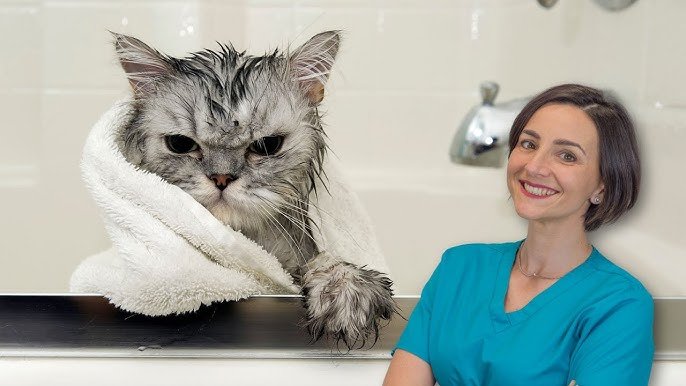
Have you ever wondered, “Do I need to wash my cat?” If you’re a cat owner, this question might pop up often.
Cats are known for their cleanliness, but does that mean you can skip giving them a bath? Understanding when and how to wash your cat can make a big difference in their health and happiness. You’ll discover simple facts and tips that will help you decide if your furry friend needs a wash—and how to do it without stress.
Keep reading to learn the truth behind cat hygiene and keep your pet feeling fresh and comfortable.
Cat Grooming Basics
Cats usually clean themselves well and rarely need baths. Washing is only necessary if they get very dirty or have skin problems. Regular brushing helps keep their fur clean and healthy.
Cat Grooming Basics Cats are known for their impeccable grooming habits, often spending hours each day licking and cleaning themselves. This self-care routine is a crucial part of their lives, aiding in keeping their fur clean and skin healthy. Yet, as a cat owner, you may wonder if your feline friend needs your assistance in maintaining their hygiene.Natural Cleaning Habits
Cats are naturally equipped with a grooming toolkit. Their tongues have tiny barbs that help remove dirt and loose fur, while their saliva acts as a cleaning agent. It’s fascinating to watch how diligently they maintain their appearance. But what if your cat seems a bit lazy about grooming? It’s not uncommon for older or overweight cats to struggle with self-cleaning. In these cases, a gentle hand with brushing can be a wonderful bonding experience and help your cat maintain their grooming routine.When Bathing Becomes Necessary
While cats are excellent self-groomers, there are situations where a bath becomes necessary. Has your cat rolled in something sticky or smelly? Or perhaps they’ve developed a skin condition that requires medicated baths. Bathing your cat can be a daunting task, but it doesn’t have to be. Use lukewarm water and a cat-friendly shampoo. Make sure to speak soothingly and offer treats as a reward. Do you have a cat that despises water? Consider using waterless shampoos or wipes designed for pets. These can be a lifesaver, keeping your cat fresh without the stress of a full bath.
Credit: www.petscare.com
Signs Your Cat Needs A Bath
Knowing when your cat actually needs a bath can save both of you a lot of stress. Cats are naturally clean animals, but there are clear signs that show when a bath is necessary. Watching for these signs helps you keep your furry friend comfortable and healthy without overdoing it.
Visible Dirt And Odor
If you notice clumps of dirt or grime stuck to your cat’s fur, it’s a strong signal that a bath is needed. Sometimes your cat might roll in something unpleasant or get into a dusty corner. Also, a persistent bad smell coming from your cat’s coat means it’s time to clean them up.
Have you ever felt embarrassed by your cat’s smell when guests come over? Giving your cat a bath can quickly fix this issue and restore freshness.
Skin Conditions And Allergies
Skin problems often mean your cat’s coat needs more care. If your cat has dandruff, redness, or excessive scratching, a bath with a special shampoo recommended by your vet can help soothe their skin.
Allergies sometimes cause your cat’s fur to look greasy or dirty faster than usual. Bathing can remove allergens and ease irritation, making your cat more comfortable.
After Exposure To Harmful Substances
Sometimes cats get into trouble and come home with substances like paint, chemicals, or sticky things on their fur. These can be dangerous if left untreated.
Washing your cat promptly after such exposure is crucial. It protects their health and prevents them from licking harmful materials off their coat.
Preparing For A Cat Bath
Preparing for a cat bath requires careful planning and patience. Cats usually dislike water, so making the experience smooth is important. Start by gathering the right tools and setting up a calm space. This helps keep your cat relaxed and safe during the bath.
Choosing The Right Shampoo
Select a shampoo made specifically for cats. Human shampoos can harm their skin and fur. Look for gentle, hypoallergenic formulas. Avoid products with strong scents or harsh chemicals. A good cat shampoo keeps the coat clean without causing irritation.
Gathering Supplies
Prepare all supplies before bringing your cat to the bath area. You will need:
- Cat shampoo
- A cup or small container for rinsing
- A soft towel for drying
- A brush to remove loose fur
- Non-slip mat to prevent slipping
Having everything ready reduces stress and speeds up the process.
Creating A Calm Environment
Choose a quiet room with a comfortable temperature. Close doors and windows to limit noise. Speak softly to your cat and move slowly. Use gentle, soothing tones to reassure your pet. Keep the water warm but not hot to avoid discomfort.
Step-by-step Bathing Guide
Bathing your cat might feel like a challenge, but breaking it down into clear steps can make the process smoother for both of you. Understanding how to prepare and execute each stage helps reduce stress and keeps your cat calm. Here’s a practical guide to help you master the art of cat bathing.
Brushing Before Bathing
Start by brushing your cat thoroughly. This removes loose fur and detangles any mats that could trap water and soap. Brushing also helps reduce shedding during the bath.
Try to do this in a calm environment to keep your cat relaxed. If your cat resists, take breaks and offer gentle praise or treats. Have you noticed how a well-brushed coat sometimes feels almost clean before the bath even begins?
Water Temperature And Technique
Use lukewarm water—neither too hot nor too cold—to keep your cat comfortable. Cats are sensitive to temperature, and water that’s just right can prevent panic. Fill a sink or tub with a few inches of water, enough to reach your cat’s belly.
Use a handheld sprayer or a cup to pour water gently over your cat, avoiding the head area. Wet your cat slowly, starting from the neck down. Have you ever seen how sudden water splashes can startle your cat? Moving slowly helps avoid that.
Rinsing And Drying Tips
Rinse your cat thoroughly to remove all shampoo residues, as leftover soap can irritate the skin. Use the same gentle pouring method to rinse from neck to tail. Don’t forget to check areas like under the legs and belly.
For drying, wrap your cat in a soft towel and gently pat to absorb water. Avoid rubbing vigorously, which can tangle fur and upset your cat. If your cat tolerates it, use a low-heat hairdryer at a distance, but watch for signs of stress. What’s your cat’s favorite way to relax after a bath?
Alternatives To Full Baths
Giving your cat a full bath can be a challenge, and often, it’s not necessary. There are several alternatives that keep your cat clean without the stress of water and soap. These options can save time and help maintain your cat’s comfort while still managing dirt and odors effectively.
Using Cat Wipes
Cat wipes are a quick and easy way to freshen up your pet between baths. They are specially formulated to be gentle on your cat’s skin and safe if licked. You can use them to wipe down your cat’s fur, paws, and even around the face.
Try keeping a pack handy after outdoor adventures or when your cat gets a little messy. Have you noticed how a quick wipe can calm a restless cat compared to a full bath?
Spot Cleaning Methods
If your cat has a small dirty patch, spot cleaning can be the answer. Use a damp cloth or sponge with warm water to gently clean just the affected area. This avoids the hassle of a full bath and keeps your cat calm.
Spot cleaning is especially useful for older or anxious cats who dislike water. Do you have a favorite spot-cleaning trick that your cat tolerates well?
Dry Shampoo Options
Dry shampoos designed for cats offer a water-free way to reduce oils and odors. These products often come in spray or powder form and can be brushed through the fur. They absorb dirt and leave your cat smelling fresh.
Dry shampoo works great for cats with sensitive skin or those who simply hate getting wet. Would you consider trying a dry shampoo to keep your cat clean without the mess of water?

Credit: hiccpet.com
Safety And Health Considerations
Bathing your cat involves more than just getting them clean. Safety and health considerations play a crucial role in deciding how and when to wash your feline friend. Understanding these factors helps you protect your cat from unnecessary stress, injuries, and health issues during bath time.
Avoiding Stress And Injury
Cats are often uneasy around water, which can make bathing a stressful experience for both of you. To keep your cat calm, create a quiet environment and use lukewarm water. Avoid forcing your cat into the bath; instead, use gentle strokes and speak softly to reassure them.
Injuries can happen if your cat panics and scratches or bites. Wearing protective gloves and trimming your cat’s nails beforehand can reduce the risk. Remember, if your cat resists too much, it’s better to stop and try again later than to cause harm.
Consulting Your Veterinarian
Your vet knows your cat’s health history best and can offer tailored advice on bathing. Some cats have skin conditions or allergies that make frequent washing harmful. Others might need medicated shampoos that only a vet can recommend.
Ask your vet about the safest products and methods for your cat’s breed, age, and health status. This step ensures that bath time supports your cat’s well-being instead of causing problems.
Frequency Of Baths For Different Cats
Not all cats need regular baths. Indoor cats often keep themselves clean and rarely require a bath unless they get into something messy. Outdoor cats or those with long hair might need more frequent washing to prevent matting and dirt buildup.
Older cats or those with health issues may struggle with grooming and benefit from occasional baths. How often you bathe your cat depends on their lifestyle and condition, so observe their coat and skin closely for signs of dirt, oil, or irritation.

Credit: hiccpet.com
Frequently Asked Questions
Do Cats Need Regular Baths?
Most cats groom themselves and rarely need baths. Regular baths are usually unnecessary unless the cat is dirty or has skin issues.
How Often Should I Wash My Cat?
Washing frequency depends on the cat’s lifestyle. Indoor cats may never need baths, while outdoor or messy cats might need occasional washing.
Can Bathing Harm My Cat’s Skin?
Frequent bathing can strip natural oils, causing dry skin. Use cat-specific shampoos and bathe only when necessary to protect their skin.
What Are Signs My Cat Needs A Bath?
Signs include strong odor, visible dirt, sticky fur, or flea infestation. If your cat appears uncomfortable or unclean, a bath might help.
Conclusion
Cats usually keep themselves clean without help. Washing your cat is needed only in special cases. Dirt, fleas, or sticky substances may require a bath. Always use cat-safe shampoo and gentle water. Be patient and calm to avoid stress. Regular brushing often replaces the need for washing.
Trust your cat’s behavior to guide you. Clean cats are happy cats. Simple care keeps them healthy and comfortable.
