

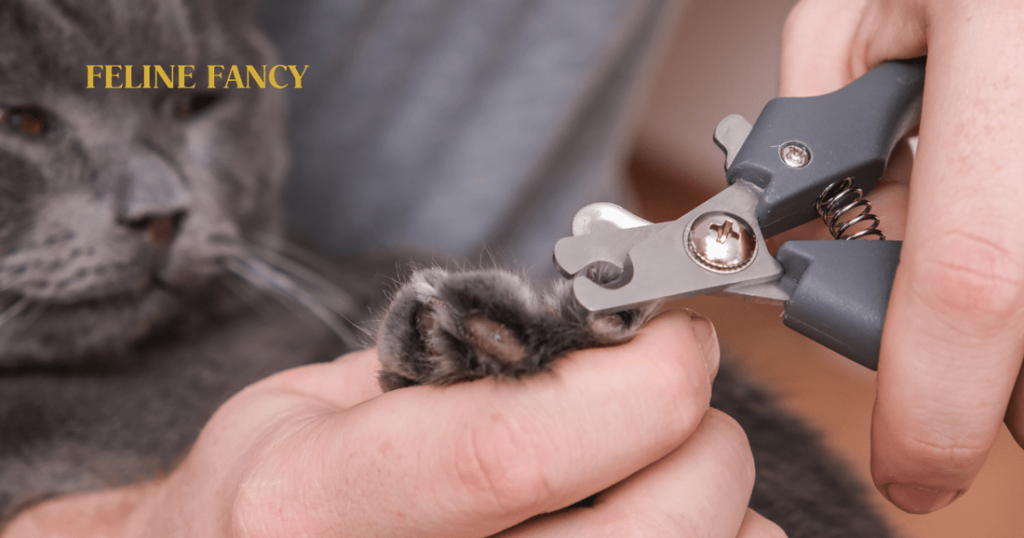
Are you wondering if you really need to trim your cat’s claws? It’s a question many cat owners ask but don’t always find a clear answer to.
Your cat’s claws can affect their comfort, your furniture, and even your own safety. Knowing when and why to trim them can save you from scratches and keep your furry friend happy. Keep reading, and you’ll discover simple tips that make claw care easy for both you and your cat.

Credit: www.pumpkin.care
Importance Of Claw Care
Claw care is a crucial part of keeping your cat healthy and happy. Trimming your cat’s claws prevents pain and injury, both for your pet and for you. Many cat owners don’t realize how much their cat’s claws can impact daily life until they notice scratches on furniture or even their own skin.
Understanding The Role Of Claws In Your Cat’s Life
Your cat’s claws are essential tools for climbing, hunting, and self-defense. However, if claws grow too long, they can curl and dig into the paw pads, causing discomfort or infection. Have you ever noticed your cat limping or licking its paws excessively? That might signal claw-related pain.
Preventing Damage To Your Home And Yourself
Long claws can easily scratch furniture, walls, and carpets, leading to costly repairs. They can also accidentally injure you during play or petting. Regular trimming reduces these risks and helps maintain a peaceful home environment.
Maintaining Your Cat’s Comfort And Mobility
Overgrown claws affect how your cat walks and jumps. They may become less active to avoid pain, which can impact their overall health. Keeping claws trimmed supports your cat’s agility and encourages natural movement.
How To Recognize When Your Cat Needs A Claw Trim
- Do you hear clicking sounds when your cat walks on hard floors?
- Are the claws visible beyond the paw pads?
- Is your cat scratching furniture more aggressively?
If you answered yes to any of these questions, it’s time to check your cat’s claws and consider trimming them.
Credit: homeatlastrescue.ca
Signs Your Cat’s Claws Need Trimming
Knowing when to trim your cat’s claws is important for their comfort and health. Cats use their claws for many daily activities like climbing and scratching. Sometimes, claws grow too long, causing problems for your cat. Recognizing the signs early can prevent pain and damage.
Check your cat’s paws regularly. Watch for clues that show the claws need attention. The signs may seem small but matter a lot. Here are clear indicators your cat’s claws need trimming.
Visible Overgrowth Of Claws
Claws that curl or extend far beyond the paw pads need trimming. Long claws can catch on carpets or furniture. Overgrown claws may bend into the paw, causing pain or infection.
Scratching Furniture More Often
Scratching is normal, but increased scratching may signal discomfort. Cats with long claws might scratch more to try easing the irritation. This behavior can damage your furniture and indicate claw issues.
Difficulty Walking Or Limping
Watch for limping or favoring one paw. Overgrown claws can make walking uncomfortable. Your cat may avoid jumping or running due to claw pain.
Claws Snagging On Fabrics Or Surfaces
Claws that catch on fabric or other surfaces often need trimming. Snagging can hurt your cat or cause claws to break. This can lead to bleeding and infection.
Visible Dirt Or Debris Under Claws
Debris buildup under claws can cause discomfort and infection. It may mean the claws are too long or not clean. Regular trimming helps keep claws healthy and clean.
Risks Of Overgrown Claws
Overgrown claws can cause many problems for cats. They affect your cat’s comfort and health. Long claws can lead to pain and injury. They can also harm your furniture and skin.
Knowing the risks helps you take better care of your cat. Regular claw trimming is important to avoid these issues.
Physical Discomfort And Pain
Overgrown claws can curl into the paw pads. This causes sharp pain and sores. Your cat may stop walking or grooming properly. It can also lead to infections if untreated.
Damage To Furniture And Belongings
Sharp, long claws easily scratch surfaces. Your sofa, curtains, and carpets may get torn. This creates costly damage in your home. Claw care helps protect your belongings.
Increased Risk Of Injury
Long claws can get stuck in fabrics or carpets. This may cause sudden pain or broken claws. Your cat might hurt itself trying to free the claws. This risk is higher outdoors.
Behavioral Changes
Discomfort from overgrown claws can make cats irritable. They may avoid play or hide more often. This affects their mood and your bond. Proper claw care keeps cats happy.
Tools For Trimming
Trimming your cat’s claws can feel daunting, but having the right tools makes all the difference. Using proper equipment not only ensures a clean cut but also keeps your cat comfortable during the process. Let’s look at some essentials that will help you trim your cat’s claws safely and effectively.
Cat Nail Clippers
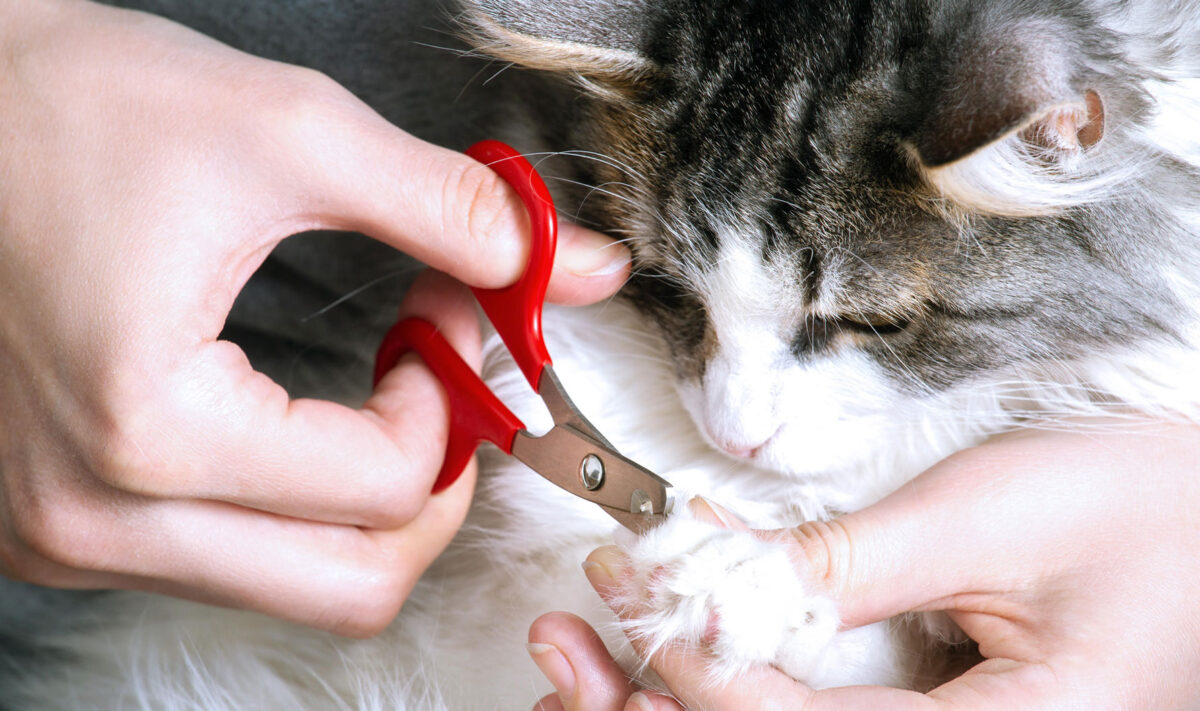
Cat nail clippers are specially designed to fit the small, curved shape of feline claws. They come in several styles: scissor-type, guillotine-type, and electric trimmers.
- Scissor-type:These look like small scissors and offer precise control. They work well for beginners who want to avoid crushing the nail.
- Guillotine-type:The blade slides through a hole to slice the claw. Many cat owners find this style quick and easy.
- Electric trimmers:These gently grind down the nails instead of cutting. They reduce the risk of splitting the nail but may require your cat to get used to the buzzing sound.
Choosing the right clipper depends on your comfort and your cat’s temperament. Have you noticed which type your cat responds to better?
Nail Files And Grinders
After clipping, smoothing the edges with a nail file or grinder can prevent sharp tips that snag on furniture or skin. Some pet owners prefer grinders because they avoid sharp edges altogether.
- Manual nail files work well for cats who are calm and patient.
- Battery-operated grinders are faster but might scare shy cats due to noise.
If your cat resists clipping, a grinder might be worth trying as a gentler alternative. What’s your cat’s tolerance for noise and new sensations?
Styptic Powder Or Gel
Accidental nicks happen, especially when your cat has dark nails that hide the quick. Styptic powder or gel stops bleeding quickly and minimizes discomfort.
- Keep this nearby during every trimming session.
- Using it promptly can prevent a small cut from turning into a stressful experience for both of you.
Have you ever experienced a bleeding mishap? Being prepared can make all the difference in staying calm and confident.
Comfort And Restraint Tools
Holding your cat still can be tricky. Tools like soft towels, cat nail caps, or even specialized gloves help keep your pet calm and reduce scratches.
- Wrapping your cat gently in a towel can prevent sudden movements.
- Special gloves protect your hands while allowing you to handle your cat securely.
Does your cat calm down when wrapped or held securely? Finding what comforts them will make trimming easier and less stressful for both of you.
Step-by-step Claw Trimming Guide
Trimming your cat’s claws can feel intimidating, but it doesn’t have to be. With the right approach, you can make claw care a calm and even bonding experience for both of you. This guide breaks down the process into simple, manageable steps to help you and your cat feel comfortable and confident.
Preparing Your Cat
Start by choosing a quiet, well-lit spot where your cat feels safe. Sit with your cat on your lap or a stable surface, and gently hold their paw to get them used to the touch.
Give your cat some treats or soft petting to create positive associations. If your cat seems anxious, pause and try again later—rushing can lead to resistance.
Keep the nail clippers nearby but out of sight until your cat is calm and relaxed.
Proper Trimming Technique
Hold your cat’s paw firmly but gently, and press the pad to extend the claw. Look closely to avoid cutting the quick—the pink area inside the nail where nerves and blood vessels run.
- Trim only the sharp tip of the claw, avoiding the quick to prevent pain and bleeding.
- Use a sharp, pet-specific nail clipper for clean cuts.
- If your cat has dark claws, trim small bits at a time to avoid cutting too deep.
Take breaks if your cat gets restless. It’s better to trim a few nails at a time than stress them out.
Handling Mistakes
If you accidentally cut the quick, don’t panic. Apply gentle pressure with a clean cloth to stop the bleeding.
Keep styptic powder or cornstarch on hand to help clot the blood quickly. If bleeding doesn’t stop within a few minutes, contact your vet.
Remember, mistakes happen. How you respond matters more than the mistake itself. Calmly soothe your cat and offer a treat to rebuild trust.

Credit: www.reddit.com
When To Seek Professional Help
Knowing when to seek professional help for trimming your cat’s claws can save both you and your furry friend from unnecessary stress and potential injury. While many cat owners manage claw care at home, some situations demand expert attention to ensure your cat’s health and comfort.
Signs Your Cat’s Claws Need Expert Attention
If your cat’s claws are unusually long, curved, or growing into the paw pads, it’s time to consult a professional. Look out for redness, swelling, or limping, which could indicate pain or infection. These symptoms are not just uncomfortable—they can lead to serious health problems if ignored.
Handling Aggressive Or Fearful Cats
Trimming claws can be a challenge if your cat resists or becomes aggressive. When your cat’s behavior makes home trimming unsafe, a veterinarian or groomer trained in handling nervous pets can help. Professionals use gentle restraint techniques that minimize stress for both you and your cat.
Injuries And Medical Conditions Affecting Claw Care
Cats with arthritis, claw infections, or previous injuries might require specialized care during trimming. A vet can assess your cat’s condition and provide pain relief or treatment before trimming. This approach prevents worsening pain and ensures the claws are trimmed safely.
Tools And Techniques Beyond Basic Trimming
Sometimes, your cat’s claws need more than a simple trim—such as filing, debridement, or treatment for torn nails. Professionals have access to specialized tools and techniques that are not available for home use. Seeking expert help ensures the claws are cared for properly without causing damage.
How To Choose The Right Professional
Find a vet or groomer experienced with cats and claw care. Ask about their approach to handling nervous cats and managing medical concerns. A trusted professional will communicate clearly and prioritize your cat’s comfort throughout the process.
Alternatives To Trimming
Trimming a cat’s claws is not the only way to keep them safe and comfortable. Some cats don’t like having their claws cut. There are gentle alternatives that help manage claw length and protect your furniture. These options support your cat’s natural behavior without causing stress.
Using Scratching Posts And Pads
Scratching posts help cats wear down their claws naturally. Cats love to scratch rough surfaces. Providing different types of scratching posts encourages healthy claw maintenance. Place posts in areas your cat visits often. This helps protect your furniture and carpets.
Soft Claw Caps
Soft claw caps are small, plastic covers that fit over your cat’s claws. They prevent damage caused by scratching without trimming the claws. These caps are safe and painless. They last for several weeks before needing replacement. Many cat owners find them effective for protecting furniture.
Regular Nail Filing
Filing claws is a gentle alternative to trimming. Use a pet nail file or emery board. This method smooths sharp edges without cutting the nail. It takes more time but causes less discomfort. Regular filing keeps claws blunt and less likely to cause harm.
Regular Claw Maintenance Tips
Keeping your cat’s claws in good shape is key to their comfort and health. Regular claw maintenance prevents overgrowth and reduces the risk of scratches—both for you and your furry friend. Let’s look at some practical tips to keep those claws neat and healthy.
How Often Should You Trim Your Cat’s Claws?
The frequency depends on your cat’s lifestyle. Indoor cats usually need trimming every 1-2 weeks since they don’t wear down their claws naturally. Outdoor cats might need less frequent trims because they naturally file their claws on rough surfaces.
Watch your cat’s claws closely. If you hear clicking sounds on hard floors or notice claws curling into the paw pads, it’s time for a trim. How often do you check your cat’s claws?
Tools You Need For Safe Claw Trimming
Choosing the right tools makes trimming easier and safer. Use sharp, small pet nail clippers or a pet nail grinder designed specifically for cats. Avoid human nail clippers—they can split or crush the claw.
Keep styptic powder or cornstarch nearby to stop bleeding if you accidentally cut too deep. Preparing your tools before you start helps you stay calm and efficient during the process.
How To Make Claw Trimming Stress-free
Start by getting your cat comfortable with having their paws handled. Gently touch and hold their paws during playtime or petting sessions. This builds trust and reduces stress during trimming.
Trim claws in a quiet, well-lit area. Use calm, soothing tones and offer treats to reward your cat. Have patience—if your cat resists, stop and try again later. Have you noticed your cat relaxing more with repeated gentle handling?
Signs You Should See A Vet Instead
If your cat’s claws are discolored, swollen, or your cat is limping, it might need professional care. Infections or nail bed injuries require a vet’s attention. Don’t hesitate to get expert help if you’re unsure.
Regularly inspecting your cat’s paws can catch problems early. How often do you check for signs of infection or injury?
Frequently Asked Questions
How Often Should I Trim My Cat’s Claws?
You should trim your cat’s claws every 2 to 4 weeks. Regular trimming prevents overgrowth and reduces scratching damage. Monitor claw length to adjust trimming frequency as needed. Keeping claws short promotes your cat’s comfort and safety indoors.
Can Trimming Cat Claws Prevent Furniture Damage?
Yes, trimming your cat’s claws can significantly reduce furniture damage. Shorter claws are less sharp and less likely to scratch surfaces. Combine trimming with providing scratching posts for best results. This helps protect your home while allowing your cat to express natural behaviors.
Is It Safe To Trim A Cat’s Claws At Home?
Trimming your cat’s claws at home is safe with proper tools and technique. Use a sharp, pet-specific nail clipper and avoid cutting the quick. If unsure, seek guidance from a vet or groomer. Regular practice makes the process easier and stress-free.
What Are Signs My Cat’s Claws Need Trimming?
Signs include visible long or curved claws, snagging on fabrics, and increased scratching. If you hear clicking sounds on hard floors, claws are likely too long. Regular inspection ensures timely trimming and keeps your cat comfortable.
Conclusion
Trimming your cat’s claws helps keep them healthy and safe. It stops claws from growing too long or sharp. Regular trimming prevents damage to furniture and skin. Watching your cat’s behavior shows when trimming is needed. Taking time to trim claws gently builds trust with your cat.
Simple care keeps your pet happy and comfortable. Small efforts make a big difference in your cat’s life. Try it carefully and enjoy a happier, safer home.
