

Are you wondering if you really need to cut your cat’s nails? It’s a question many cat owners ask but don’t always find a clear answer to.
Your cat’s nails can affect their comfort, your furniture, and even your safety. Ignoring nail care might lead to painful scratches or damaged belongings. But how do you know when and how to trim those tiny claws without stressing your furry friend?
Keep reading to discover simple, effective tips that will make nail trimming easier for both you and your cat.
Signs Your Cat’s Nails Need Trimming
Knowing when to trim your cat’s nails can save your furniture and keep your furry friend comfortable. Cats don’t always show obvious signs, so it helps to watch for subtle clues. Paying attention to these signs will help you decide the right time to take action.
Scratches On Furniture
Are you spotting fresh, deep scratches on your couch or wooden tables? Cats naturally scratch to sharpen their claws, but excessive or recent marks can mean their nails are too long. If you notice new damage appearing more often, it’s a clear signal that your cat’s nails need trimming.
Nails Clicking On Hard Surfaces
Have you heard a clicking sound when your cat walks on tile, hardwood, or laminate floors? This noise often means the nails are long enough to touch the ground. If your cat’s nails tap loudly with each step, it’s time to trim them to avoid discomfort and potential injury.
Visible Curvature Of Nails
Take a close look at your cat’s claws. Are they curving downward or curling into the paw pads? Overgrown nails can grow into the skin, causing pain and infections. If the nails look visibly curved or twisted, don’t delay—trim them before it becomes a health issue.
Credit: felinefancy.co.uk
Benefits Of Regular Nail Trimming
Keeping your cat’s nails trimmed is more than just a grooming task; it plays a vital role in their health and happiness. Regular nail trimming can prevent various issues that many cat owners might overlook. Are you curious about how something as simple as cutting nails can make such a difference? Let’s dive into the benefits your feline friend gains from this routine care.
Prevention Of Overgrowth
Cat nails grow continuously, and without regular trimming, they can become too long. Overgrown nails may curl into the paw pads, causing pain and infections. You can avoid this discomfort by trimming nails before they reach this stage.
Not only does this keep your cat comfortable, but it also helps avoid damage to your furniture and skin. Have you noticed your cat’s nails clicking on hard floors? That’s a sign they might be due for a trim.
Reduced Risk Of Injury
Sharp or long nails can lead to accidental scratches on you or other pets. More importantly, your cat risks injuring themselves by snagging nails on fabrics or carpets. This can result in broken nails or painful wounds.
By keeping nails short, you minimize these risks significantly. Think about how much safer your home becomes for both your cat and everyone around when those claws are well-maintained.
Improved Comfort For Your Cat
Trimming nails regularly contributes to your cat’s overall comfort. Long nails can interfere with their natural walking and climbing abilities. You might have noticed your cat hesitating to jump or climb—nail discomfort could be the reason.
Regular trims help maintain proper nail length, allowing your cat to move freely and confidently. Isn’t it worth a few minutes each week to see your cat so much happier and more active?
Tools Needed For Nail Trimming
Trimming your cat’s nails might seem straightforward, but having the right tools makes all the difference. Using proper equipment ensures a smooth, stress-free experience for both you and your feline friend. Let’s look at what you really need before you start clipping.
Types Of Nail Clippers
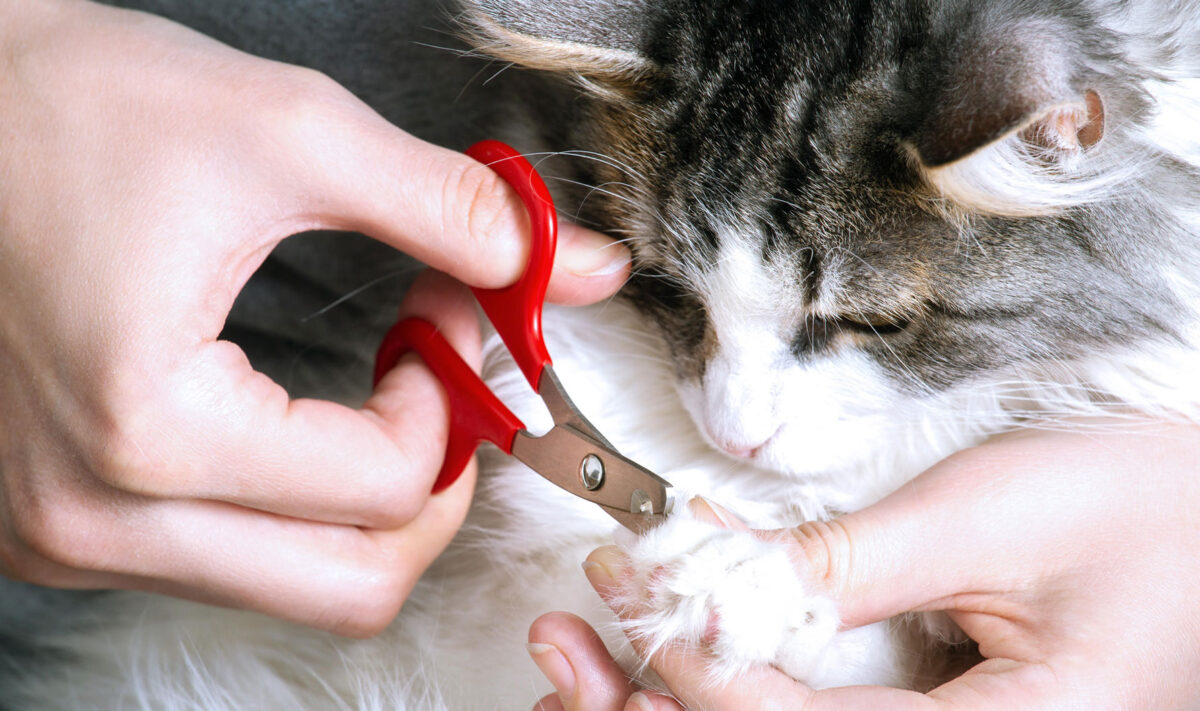
There are several types of nail clippers designed specifically for cats. The most common are:
- Scissor-style clippers:These look like tiny scissors and offer precise control. They work well for cats with small to medium-sized nails.
- Guillotine-style clippers:These have a hole where you insert the nail, and a blade slices it off when you squeeze the handle. They’re great for quick, clean cuts.
- Electric nail grinders:Instead of cutting, these gently file down the nail. They can be less intimidating for some cats but require patience and a steady hand.
Choosing the right clipper depends on your cat’s comfort and your ease of use. Have you noticed which type feels safest when you hold it?
The Importance Of A Nail File
After clipping, your cat’s nails might have sharp edges or splinters. A nail file smooths out rough spots and prevents accidental scratches. Using a file can also make your cat more comfortable when they walk.
Even if you only trim occasionally, a quick filing session can keep claws tidy. Think of it as the finishing touch that protects your furniture and your skin.
Using A Styptic Powder
Accidental nicks happen, especially if you’re new to nail trimming. Styptic powder is a must-have for stopping bleeding quickly. It works by helping blood clot faster, minimizing your cat’s discomfort.
Keep styptic powder within reach so you’re ready if you cut too close to the quick. Have you prepared for the unexpected during nail care?
Step-by-step Nail Trimming Process
Trimming your cat’s nails can feel daunting, but breaking it down into clear steps makes the process manageable and less stressful for both of you. Understanding how to prepare your cat, recognize the quick, and use safe trimming techniques is key to keeping those claws in check. Let’s walk through the essential parts of nail trimming that will help you build confidence and protect your feline friend’s paws.
Preparing Your Cat
Before you even touch the clippers, take time to calm your cat and create a relaxed environment. Choose a quiet room with good lighting and have treats ready to reward calm behavior. Let your cat get used to having their paws handled by gently stroking and pressing the toes for a few minutes.
Patience here pays off. If your cat seems tense, pause and try again later. You want your cat to associate nail trimming with something positive, not a scary event.
Identifying The Quick
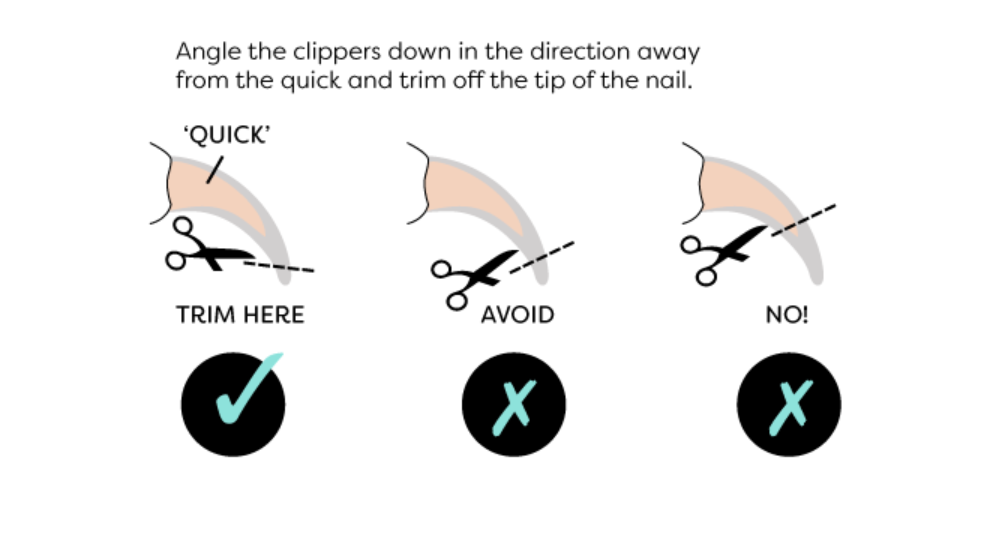
The quick is the pink area inside the nail that contains nerves and blood vessels. Cutting into it will cause pain and bleeding, so spotting it is crucial. For cats with light-colored nails, the quick is usually easy to see.
Dark nails can be tricky. Look for a small darker spot or trim tiny bits at a time to avoid cutting too deep. If you’re unsure, use a flashlight or trim only the sharp tips.
Trimming Techniques
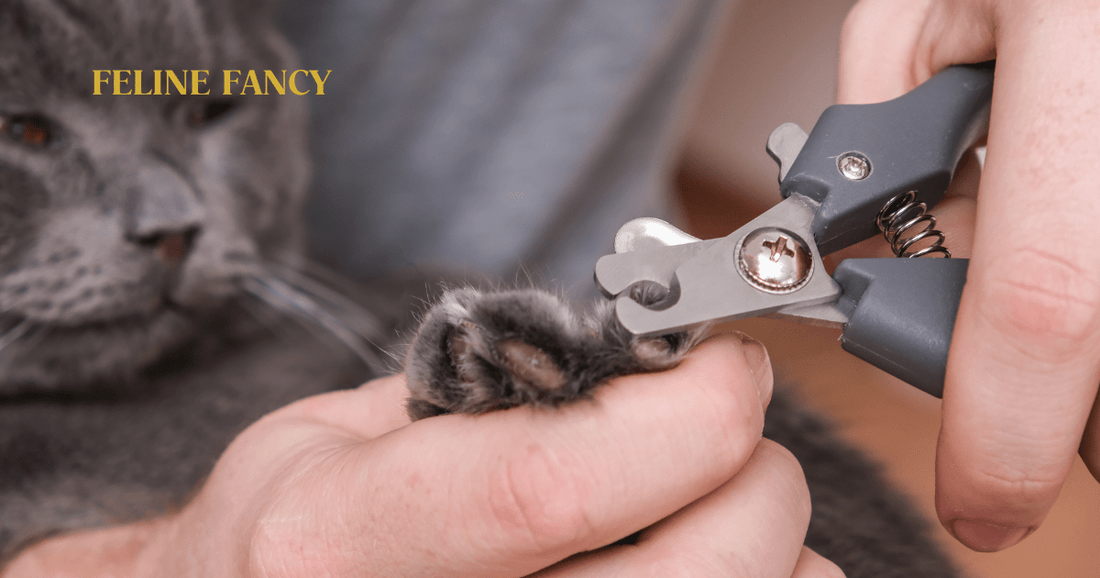
- Hold your cat’s paw firmly but gently to avoid sudden movements.
- Use sharp, specifically designed cat nail clippers for clean cuts.
- Cut straight across the tip of the nail, avoiding the quick.
- Trim a small amount at a time rather than trying to cut too much.
Sometimes your cat might pull away. Don’t force it—take breaks if needed. Keeping calm and speaking softly helps you both stay relaxed.
Post-trimming Care
After trimming, check each paw for any signs of discomfort or bleeding. If you accidentally cut the quick, apply styptic powder or cornstarch to stop the bleeding quickly. Give your cat plenty of praise and treats to make the experience positive.
Regular nail checks and trims will make future sessions easier. How often you trim depends on your cat’s activity level and nail growth, but every few weeks is a good rule of thumb.
Common Challenges And Solutions
Cutting your cat’s nails can bring up a few hurdles, but these challenges don’t have to stop you. Understanding common issues and having clear solutions makes the process smoother for both you and your feline friend. Let’s look at some typical problems and how to handle them effectively.
Dealing With A Resistant Cat
Many cats don’t enjoy nail trimming and may squirm or hide. To ease resistance, start by gently handling your cat’s paws daily without clipping. This builds trust and helps your cat get used to the sensation.
Try trimming nails when your cat is calm or sleepy, such as after a meal or playtime. You can also use treats and praise to create a positive association with nail care. If your cat still resists, consider enlisting a second person to gently hold your pet or wrapping your cat in a towel to keep them secure.
Managing Accidental Cuts
Accidentally cutting too close to the quick is common and can cause pain and bleeding. If this happens, stay calm. Apply a styptic powder or cornstarch to stop the bleeding quickly.
To avoid this, only trim a small part of the nail at a time. Use good lighting and a sharp trimmer designed for cats. Remember, it’s better to trim less often than to risk hurting your cat.
Handling Nervousness
Feeling nervous yourself can make your cat more anxious. Take deep breaths and keep your voice soft and reassuring. Your calm energy can help your cat relax.
Break the session into short, manageable steps rather than trying to do all nails at once. This reduces stress for both of you. If you’re still uneasy, watch tutorial videos or ask a vet or groomer for a demonstration.
Credit: homeatlastrescue.ca
Alternatives To Home Trimming
Trimming your cat’s nails at home is not the only option. Some cats resist nail clipping, making it stressful. Alternatives exist that keep your cat’s nails healthy without direct trimming. These solutions help protect your furniture and reduce scratching damage. They also keep your cat comfortable and safe.
Professional Grooming Services
Professional groomers handle nail care with skill and patience. They use proper tools and techniques to trim nails safely. Groomers can also check your cat’s paws for any issues. This option suits cats that don’t like home trimming. It saves time and avoids stress for both you and your cat.
Training Your Cat For Scratching Posts
Scratching posts help cats wear down their nails naturally. Training your cat to use these posts reduces the need for trims. Place posts in areas your cat likes to scratch. Reward your cat for using them. This encourages healthy nail care and protects furniture.
Using Nail Caps
Nail caps are soft covers that fit over your cat’s claws. They prevent damage from scratching without cutting nails. These caps are easy to apply and last for weeks. Nail caps come in different sizes and colors. They are a good option for indoor cats with sharp nails.
Safety Tips For Nail Trimming
Trimming your cat’s nails needs care and attention. Safety is the top priority for both you and your cat. Following simple safety tips can make nail trimming easier and less stressful. A calm approach helps your cat stay relaxed and safe during the process.
Ensuring A Calm Environment
Choose a quiet room with few distractions. Soft lighting and a comfortable place help your cat feel secure. Speak softly and move slowly to avoid startling your cat. Have treats ready to reward calm behavior. Try trimming nails when your cat is sleepy or relaxed.
Proper Restraint Methods
Hold your cat gently but firmly. Use a towel to wrap your cat if it struggles. Support your cat’s body to prevent sudden movements. Keep one hand on the paw and the other on the clippers. Never squeeze your cat too hard. Comfort and safety go hand in hand.
Recognizing When To Stop
Watch for signs of stress like growling or struggling. Pause if your cat becomes too tense or upset. Stop trimming if you accidentally cut the quick (the pink part inside the nail). Use styptic powder to stop bleeding if needed. It’s better to trim a few nails at a time than to rush.

Credit: www.pumpkin.care
Frequently Asked Questions
How Often Should I Cut My Cat’s Nails?
Cats’ nails should be trimmed every 1-2 weeks to prevent overgrowth. Regular trimming helps avoid scratching damage and discomfort. Indoor cats may need more frequent cuts as they don’t wear nails naturally. Consistency is key for healthy, safe claws.
Can I Cut My Cat’s Nails Myself?
Yes, you can trim your cat’s nails at home. Use proper cat nail clippers and be gentle. Avoid cutting the quick, the pink area inside the nail. If unsure, consult a vet or groomer for guidance and safety tips.
What Happens If I Don’t Cut My Cat’s Nails?
Untrimmed nails can cause pain, infections, and furniture damage. Long nails may grow into paw pads, leading to injury. Cats might also scratch people unintentionally. Regular nail care keeps your cat comfortable and your home safe.
Are There Signs My Cat’s Nails Need Trimming?
Look for clicking sounds when your cat walks or snagging on fabrics. Overgrown nails curl and may cause limping. Scratching furniture more than usual can indicate discomfort. These signs suggest it’s time for a nail trim.
Conclusion
Cats need their nails trimmed to stay healthy and happy. Long nails can cause pain and damage to furniture. Regular trimming helps avoid scratches on people and pets. It also prevents nails from growing into the paw pads. Nail care keeps cats comfortable and active.
You don’t need special skills, just gentle handling and the right tools. Watch your cat’s behavior for signs of discomfort. Taking time to trim nails shows you care. Keep your cat safe and your home neat by trimming nails often.
Simple steps make a big difference in your cat’s life.
