

Are you wondering if you really need to clip your cat’s nails? You’re not alone.
Many cat owners ask this question because it can feel tricky or even a little scary. But the truth is, trimming your cat’s nails is important for their health and your home’s safety. Imagine avoiding those painful scratches and keeping your furniture intact—all while helping your cat stay comfortable.
Keep reading, and you’ll discover simple tips to make nail clipping easy and stress-free for both you and your furry friend.

Credit: www.reddit.com
Why Nail Clipping Matters
Trimming your cat’s nails isn’t just a grooming task—it’s essential for their health and comfort. Overgrown nails can cause pain, affect how your cat walks, and even lead to injuries. You might not notice the subtle changes at first, but your cat definitely feels the difference.
Preventing Pain And Discomfort
When nails grow too long, they can curl into the paw pads, causing soreness or infections. Imagine walking with sharp, uncomfortable spikes under your shoes—that’s similar to what your cat experiences. Regular trimming keeps nails at a healthy length, sparing your cat from unnecessary pain.
Protecting Your Home And Yourself
Long nails mean sharper scratches on furniture, carpets, and even your skin. Clipping nails reduces the damage your cat can accidentally cause during play or while climbing. Plus, it lowers the risk of painful scratches when you cuddle or handle your cat.
Supporting Healthy Movement
Cats rely on their paws for balance and agility. Overgrown nails can alter how they walk or jump, leading to joint stress over time. Keeping nails trimmed helps your cat move naturally and comfortably throughout their daily adventures.
Reducing The Risk Of Infections
Long nails can trap dirt and bacteria, increasing the chance of infections. If a nail breaks or splits, it can open a pathway for germs. Regular clipping helps keep nails clean and reduces these risks.
How Often Should You Clip?
Think about how quickly your cat’s nails grow and their lifestyle. Indoor cats may need less frequent clipping than outdoor explorers. Pay attention to clicking sounds on hard floors or if your cat starts snagging fabrics—these clues tell you when it’s time to trim.
Signs Your Cat’s Nails Need Clipping
Knowing when to clip your cat’s nails can save you from unexpected scratches and protect your furniture. Cats won’t always show clear signs, so you need to observe their behavior and appearance closely. Look out for subtle changes that suggest their nails are getting too long.
Scratching Behavior
Has your cat suddenly started scratching more than usual or seems frustrated while scratching? This can mean their nails are too long and uncomfortable. You might notice them trying to dig into soft surfaces but not getting much relief.
Sometimes, cats scratch to file down their nails naturally. But if you see them struggling or scratching aggressively, it’s a sign you should intervene with a trim.
Visible Claw Length
Take a close look at your cat’s claws when they’re relaxed. If the nails are clearly extending beyond the paw pads, it’s time to clip. Long claws can curl into the paw, causing pain and infection.
Try gently pressing on the pad to extend the nail. If the sharp tip is obvious or you hear clicking sounds on hard floors, you know your cat’s nails need attention.
Damage To Furniture
Are your favorite chairs, sofas, or curtains showing fresh claw marks? This damage often means your cat’s nails are too sharp or long. Cats use scratching to mark territory, but long nails cause more harm to your belongings.
Addressing nail length can reduce this damage. When you trim regularly, your cat’s scratching stays more controlled and less destructive.
Tools For Clipping Cat Nails
Keeping your cat’s nails trimmed is easier when you have the right tools. Using proper equipment not only makes the task safer but also more comfortable for your furry friend. Let’s look at what tools you might need for clipping your cat’s nails effectively.
Types Of Clippers
There are several types of clippers designed specifically for pets. The most common ones include:
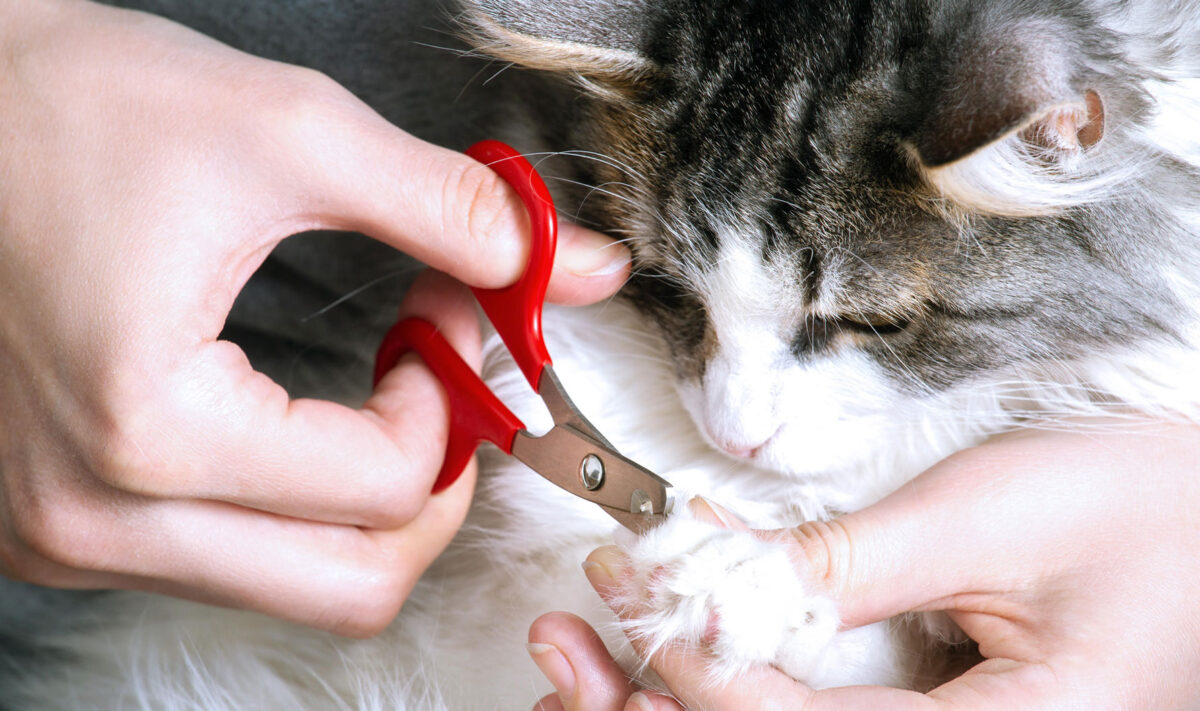
- Scissor-style clippers:These look like small scissors and are great for precision cutting, especially if your cat has small nails.
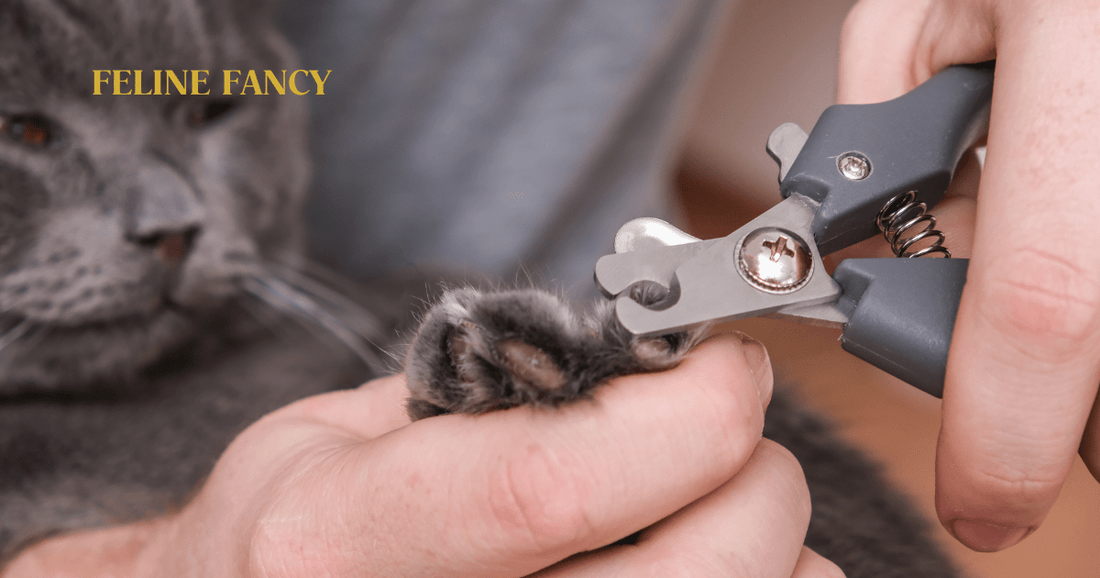
- Guillotine-style clippers:These have a hole where you insert the nail, and a blade slices through when you squeeze the handle. They work well for most cats and are easy to control.
- Electric nail grinders:Instead of cutting, these files gently grind down the nail tips. They’re useful if your cat dislikes the snapping sound of clippers or if you want to smooth rough edges.
Each tool offers a different experience for you and your cat. Have you noticed which type your cat tolerates best during grooming?
Choosing The Right Tools
Picking the right clippers depends on your cat’s size, temperament, and your comfort level. If your cat is small or easily stressed, scissor-style clippers might give you more control and cause less anxiety.
For larger cats or those with tough nails, guillotine clippers provide a quick and clean cut. If noise or the snapping motion scares your cat, try an electric grinder. It takes longer but can reduce stress.
Remember to check that the clippers are sharp and fit comfortably in your hand. Dull blades can crush nails and cause pain, making future trims harder. Which tool feels easiest and safest for you to use?
Credit: felinefancy.co.uk
How To Safely Clip Cat Nails
Cats need nail clipping to prevent overgrowth and scratching damage. Regular trimming keeps their paws healthy and reduces the risk of injury. Learning safe clipping techniques helps protect both you and your cat during the process.
Preparing Your Cat
Choose a quiet, comfortable spot for your cat. Make sure lighting is good to see the nails clearly. Have nail clippers made for cats ready. Let your cat relax and get used to your touch. Gently hold their paw and press the pad to extend the nails. Reward your cat with a treat to build trust.
Step-by-step Clipping Guide
- Hold the paw firmly but gently.
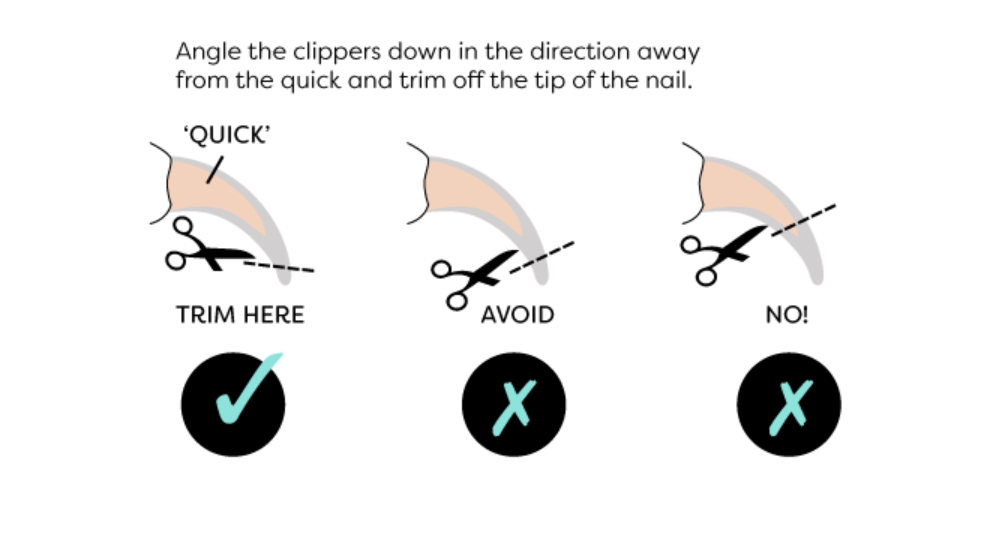
- Look for the pink area inside the nail called the quick. Avoid cutting it.
- Cut only the sharp tip of the nail.
- Use a steady, small clipping motion.
- Clip one nail at a time, then pause and reward your cat.
- Repeat with each nail on both front and back paws.
Avoiding Common Mistakes
- Do not cut too close to the quick to prevent bleeding.
- Avoid rushing; take breaks if your cat gets stressed.
- Never use human nail clippers; they can splinter cat nails.
- Do not force your cat to stay still; keep sessions short.
- Keep styptic powder nearby to stop bleeding if needed.
Addressing Common Clipping Concerns
Clipping your cat’s nails can feel intimidating, especially if you’re worried about causing pain or facing resistance. Many cat owners hesitate because they fear hurting their feline friend or simply don’t know how to handle a reluctant cat. Let’s address these common concerns with practical advice that can make nail trimming a smoother experience for both you and your cat.
Fear Of Hurting Your Cat
The biggest worry is often cutting too deep and causing pain. Remember, cat nails have a pink area called the quick, which contains nerves and blood vessels. If you avoid clipping too close to this quick, you won’t hurt your cat.
Use a good light and clip just the sharp tip of the nail. If you accidentally cut the quick, don’t panic—apply styptic powder or cornstarch to stop any bleeding quickly. Many cat owners find that starting slowly and stopping before any discomfort builds trust over time.
Dealing With A Fussy Cat
Some cats simply hate nail trimming and will squirm or hide. Patience is key here. Try breaking the process into short sessions instead of doing all nails at once.
Offer treats and gentle praise to create positive associations. Wrapping your cat in a towel can help keep them calm and prevent scratches. If your cat still resists, you might consider enlisting a second person to help or even asking a vet technician for a demonstration.
Credit: homeatlastrescue.ca
Alternatives To Clipping
Clipping your cat’s nails is not the only option for managing sharp claws. Several alternatives help protect your furniture and keep your cat comfortable. These methods can be gentle and effective, especially for cats that dislike nail trimming. Choosing the right approach depends on your cat’s personality and your home environment.
Using Scratching Posts
Scratching posts encourage cats to file their nails naturally. Cats use these posts to stretch and scratch, which helps remove old nail layers. Providing sturdy posts in different textures attracts cats to use them regularly. Place posts near favorite resting spots to increase use. Scratching posts protect furniture and keep nails healthy.
Soft Nail Caps
Soft nail caps are small covers glued to the cat’s claws. They prevent damage from scratching without hurting the cat. Nail caps come in various colors and last for weeks before needing replacement. Applying caps requires patience but causes no pain. They offer a safe, temporary solution for sharp nails.
When To Seek Professional Help
Knowing when to seek professional help for clipping your cat’s nails can save both you and your furry friend from unnecessary stress. Sometimes, despite your best efforts, the task becomes too tricky or risky to handle alone. Recognizing these moments ensures your cat stays safe and comfortable, while you avoid any nail-related mishaps.
Visiting A Groomer
If your cat is restless, aggressive, or frightened during nail trimming, a groomer might be the best choice. Groomers are skilled at handling anxious pets and can finish the job quickly and safely.
They often use special tools designed for cats and know how to avoid cutting the sensitive quick. Have you noticed your cat hiding or struggling every time you try to clip their nails? That’s a clear sign to consider professional grooming help.
Consulting A Veterinarian
You should see a vet if your cat’s nails appear infected, overgrown, or cause pain. Sometimes, nail problems hint at underlying health issues like fungal infections or arthritis.
Vets can provide medical treatment or recommend safe trimming methods that suit your cat’s condition. If your cat has a history of bleeding or nail injuries during trimming, a vet visit can offer peace of mind and expert advice.
Maintaining A Regular Clipping Routine
Maintaining a regular nail clipping routine keeps your cat comfortable and healthy. It prevents nails from growing too long and causing pain or injury. Regular trimming also protects your furniture and skin from accidental scratches. A steady schedule helps your cat get used to the process, making each session easier for both of you.
Scheduling Clipping Sessions
Set a consistent time for nail trimming. Many cats do well with clipping every two to three weeks. Choose a calm moment, like after a nap or playtime, when your cat is relaxed. Keep sessions short to avoid stress. Use a quiet room with good lighting. Mark your calendar to stay on track.
Monitoring Nail Growth
Check your cat’s nails regularly to spot quick growth. Look for nails curling or touching the floor. These signs mean it is time to trim. Pay attention to your cat’s behavior, such as scratching more often. Healthy nails should be short and smooth. Keep an eye on the pink quick inside the nail to avoid cutting it.
Frequently Asked Questions
How Often Should I Clip My Cat’s Nails?
Cats’ nails should be clipped every 2 to 4 weeks. Regular trimming prevents overgrowth and reduces scratching damage. Indoor cats may need less frequent clipping than outdoor cats. Always monitor nail length and trim when you hear clicking on hard floors.
Can I Clip My Cat’s Nails Myself Safely?
Yes, you can safely clip your cat’s nails at home. Use proper cat nail clippers and avoid cutting the quick. Take your time and stay calm. If unsure, consult a vet or professional groomer for guidance.
What Happens If I Don’t Clip My Cat’s Nails?
Untrimmed nails can grow too long and cause pain or injury. Cats may scratch furniture, themselves, or others more often. Overgrown nails can also lead to infections or walking difficulties. Regular clipping promotes your cat’s comfort and health.
Are There Alternatives To Clipping Cat Nails?
Yes, alternatives include nail caps and scratching posts. Nail caps cover the nails to prevent damage but need regular replacement. Scratching posts help cats naturally wear down nails. These options complement clipping but don’t replace regular trims.
Conclusion
Clipping your cat’s nails helps keep them healthy and safe. It stops nails from growing too long or curling. Short nails reduce scratches on furniture and skin. Regular trimming also prevents pain and infections. You don’t need special skills, just care and patience.
Watch your cat’s comfort and trim gently. Nail care is a small task with big benefits. It keeps your cat happy and your home peaceful. Simple steps make a big difference in your cat’s life.
