

Are you wondering if you really need to clip your cat’s claws? You’re not alone.
Many cat owners ask this question because it’s not always clear when or why claw trimming is necessary. Your cat’s claws can affect both their comfort and your home, but clipping them the wrong way—or not at all—can lead to problems.
You’ll discover the key reasons to trim your cat’s claws, how often to do it, and simple tips to make the process stress-free for both you and your furry friend. Keep reading to learn how to keep your cat happy and your home safe.
Importance Of Claw Clipping
Claw clipping is more than just a grooming task; it plays a vital role in keeping your cat healthy and comfortable. Regular trimming prevents overgrown claws that can cause pain or injury to your cat. It also protects your furniture and skin from unwanted scratches.
Prevents Pain And Injury
Overgrown claws can curl and grow into your cat’s paw pads, causing painful wounds. This can lead to infections or difficulty walking. By clipping their claws regularly, you help your cat avoid these painful problems and keep them moving comfortably.
Protects Your Home And Loved Ones
Sharp claws can easily damage furniture, curtains, and carpets. Regular claw trimming reduces the risk of scratches on your belongings. It also lowers the chance of accidental scratches on you or family members during playtime or handling.
Supports Indoor Cats’ Well-being
Indoor cats often don’t wear down their claws naturally like outdoor cats do. Without regular clipping, their claws grow longer and sharper. Keeping their claws trimmed mimics natural wear and prevents discomfort caused by snagging on fabric or carpet.
Encourages Positive Interaction
Handling your cat for claw clipping builds trust and strengthens your bond. Cats that are comfortable with regular grooming are less stressed and more affectionate. Wouldn’t you want your cat to enjoy spending time with you rather than avoiding touch?

Credit: www.reddit.com
Signs Your Cat Needs A Trim
Knowing when to trim your cat’s claws is important for their health. Cats often show signs that their nails need attention. Watching these signs helps keep claws at a safe length. It also protects your furniture and skin from scratches.
Visible Claws When Resting
Healthy cat claws usually stay hidden when the cat is relaxed. If you often see sharp claws sticking out, it means they are too long. Long claws can cause discomfort or even hurt the cat’s paws. Check your cat’s paws regularly to spot this early.
Scratching Behavior Changes
Changes in how your cat scratches can signal nail problems. If your cat scratches more often or harder, the claws might be too long. Sometimes, cats stop scratching because long nails hurt. Notice if your cat avoids scratching posts or furniture.
Damage To Furniture
Claws that are too long can cause serious damage to furniture. Look for deep scratches or torn fabric on sofas and chairs. This damage shows your cat’s claws need trimming. Keeping nails short helps protect your home and keeps your cat comfortable.
How Often To Clip Claws
Knowing how often to clip your cat’s claws is key to keeping them comfortable and your home scratch-free. The frequency depends on your cat’s age and lifestyle. Let’s look at how these factors affect claw trimming schedules.
Kittens Vs. Adult Cats
Kittens have softer, sharper claws that grow quickly. You might find yourself trimming their claws every 1 to 2 weeks to prevent accidental scratches during play. As they grow, their claws harden and may not require trimming as often.
Adult cats usually need claw trims every 3 to 4 weeks. However, some cats naturally wear their claws down through activity and might need less frequent clipping. Pay attention to how fast your cat’s claws grow and adjust the schedule accordingly.
Indoor Vs. Outdoor Cats
Indoor cats often require more frequent claw trims because they don’t wear their claws down naturally. Surfaces like carpet and furniture don’t help much in filing claws. You might clip their claws every 2 to 3 weeks to keep them at a healthy length.
Outdoor cats tend to have shorter, well-worn claws from climbing and running around. This natural filing means you might only need to clip their claws every 6 to 8 weeks. However, check regularly to catch any claws that break or grow too long.
Credit: felinefancy.co.uk
Choosing The Right Tools
Choosing the right tools for trimming your cat’s claws can make the task easier and less stressful for both of you. The right equipment helps you avoid hurting your cat and keeps their nails healthy. Let’s look at some tools that work best for this job.
Types Of Clippers
There are several types of clippers designed specifically for pets, but not all are ideal for cats. The most common ones include:
- Scissor-style clippers:These look like small scissors and offer precision. They work well for cats with small to medium-sized nails.
- Guillotine clippers:These have a hole where you insert the nail, and a blade slices through when you squeeze the handle. They are easy to control but can sometimes crush the nail if not used carefully.
- Electric nail grinders:Instead of cutting, these grind the nails down gradually. They are quieter and reduce the chance of cutting too much, but some cats might be scared of the noise.
Think about how your cat reacts to noise and handling. If your cat is nervous, a quieter grinder might be better than loud clippers.
Nail Files And Alternatives
Nail files can be a gentler alternative to clippers, especially for cats who dislike the clipping sound. A fine-grit file helps smooth sharp edges after clipping or can be used alone for minor touch-ups.
Besides files, some people use alternatives like scratching posts or nail caps. Scratching posts encourage natural nail wear, but they don’t replace regular trimming. Nail caps cover the claws to prevent damage but still require the nails to be trimmed first.
What’s your cat’s usual behavior when it comes to their claws? Observing this can guide you to the right tool or combination of tools to keep their nails in check safely and comfortably.
Steps For Safe Clipping
Clipping your cat’s claws can feel daunting, but following clear steps makes it safe and stress-free for both of you. Understanding how to prepare your cat, use the right clipping technique, and avoid hurting the quick is essential. Let’s break down these steps to help you keep your cat’s claws neat without any mishaps.
Preparing Your Cat
Start by creating a calm environment. Choose a quiet room where your cat feels comfortable and won’t get startled.
Gently handle your cat’s paws before clipping day to get them used to the touch. This builds trust and reduces resistance.
Try sitting with your cat on your lap or a stable surface, and softly stroke their paws while talking soothingly. Does your cat relax or tense up? Adjust your approach based on their response.
Clipping Technique
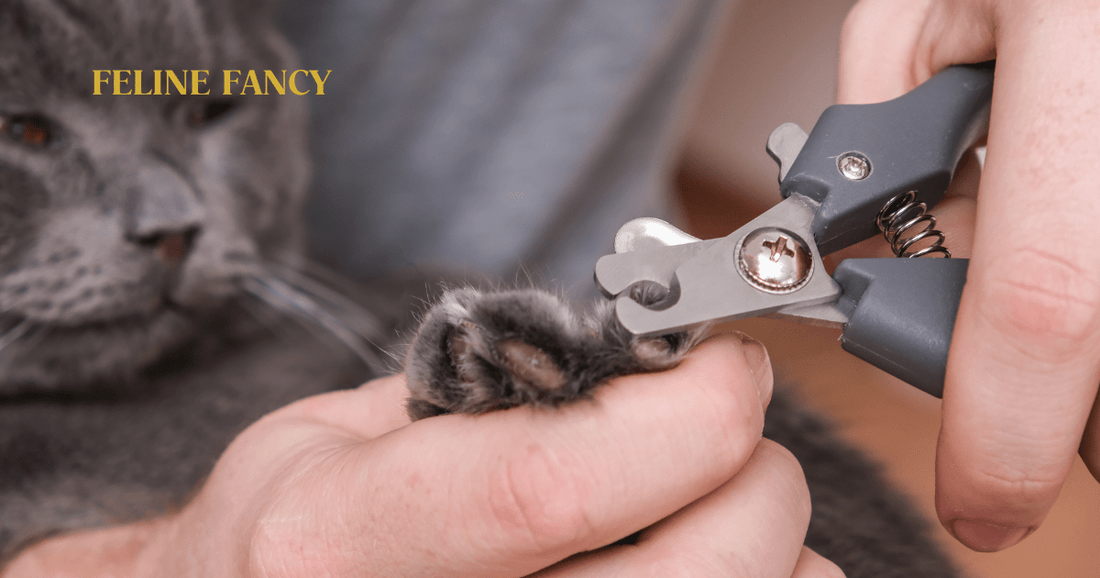
Use a sharp, pet-specific nail clipper designed for cats to ensure clean cuts. Dull clippers can cause discomfort and splitting.
Hold your cat’s paw firmly but gently, pressing the pad to extend the claw. This gives you a clear view of what you’re cutting.
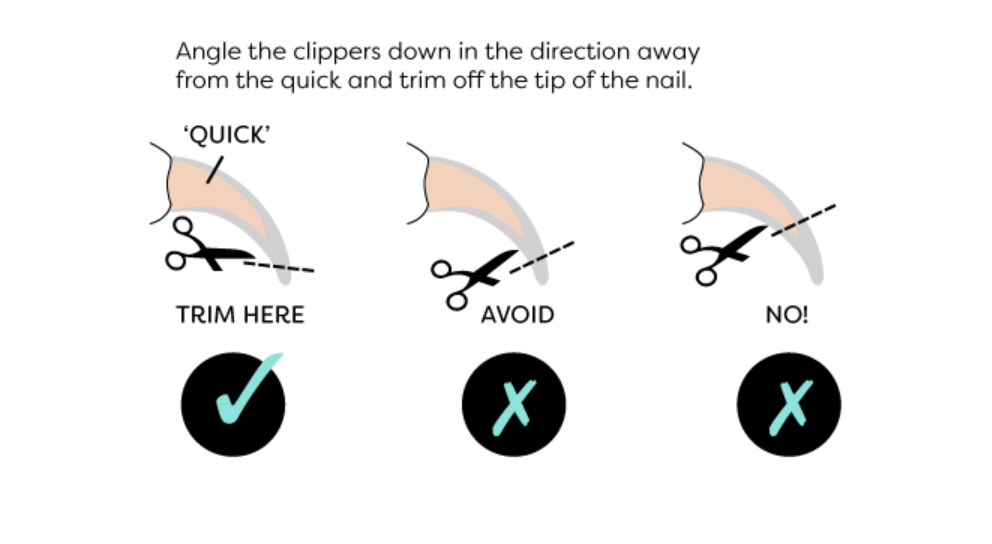
Clip the tip of the claw in one smooth motion. Avoid jagged cuts by not clipping too close to the base.
Avoiding The Quick
The quick is the pink area inside the claw that contains nerves and blood vessels. Cutting it causes pain and bleeding.
Look for the translucent part of the claw and stop clipping before you reach the quick. If your cat has dark claws, trim small amounts gradually to prevent injury.
Keep styptic powder or cornstarch nearby just in case you accidentally nick the quick. Have you ever had a sudden bleed during clipping? Being prepared helps you stay calm and handle the situation quickly.

Credit: www.pumpkin.care
Dealing With Resistant Cats
Some cats resist having their claws clipped. They may squirm, hide, or even try to scratch. This can make nail trimming stressful for both you and your cat. Patience and gentle care can help your cat get used to the process. Small steps and positive experiences are key to success.
Training And Desensitization
Start by touching your cat’s paws gently every day. Hold their paws for a few seconds and then stop. Repeat this until your cat stays calm. Next, introduce the nail clippers without cutting. Let your cat sniff and see them. Try clipping one nail quickly, then stop. Gradually increase the number of nails clipped over time. Keep sessions short and calm to prevent stress.
Using Treats And Rewards
Treats help cats associate claw clipping with good things. Offer a small treat before and after touching their paws. Praise your cat softly to keep them relaxed. Use favorite snacks to motivate your cat. This positive reinforcement makes clipping less scary. Over time, your cat may even look forward to the sessions.
When To Seek Professional Help
Knowing when to seek professional help for clipping your cat’s claws can save both you and your furry friend from unnecessary stress and potential injury. Some signs are clear indicators that it’s time to call in an expert. Don’t wait until the problem worsens—early intervention can make a big difference.
Signs Of Overgrown Claws
Overgrown claws can curl and grow into the paw pads, causing pain and infection. If you notice your cat limping or avoiding putting weight on a paw, it’s a red flag. Also, check for claws that look thick, cracked, or yellowed—these may need professional trimming to avoid further damage.
Sometimes, your cat may let out sudden cries during walking or while jumping down from furniture. This discomfort often means the claws have grown too long and are affecting mobility. Have you ever tried clipping a claw only to find it’s too difficult or your cat is too anxious? That’s a clear sign a vet or groomer should step in.
Behavioral Concerns
Does your cat hide when you bring out the nail clippers? Or growl and scratch more than usual during grooming? These behaviors can signal fear or pain linked to claw trimming. Professionals know how to handle stressed cats calmly and safely.
Sometimes, a cat’s resistance might be due to an underlying health issue like arthritis or injuries making claw clipping painful. If your cat suddenly becomes aggressive or avoids touch around the paws, consult a vet. Have you noticed your cat’s behavior changing during nail care? It might be time to get help rather than risk harming your pet or yourself.
Alternative Solutions
Clipping your cat’s claws isn’t the only way to manage their sharpness. There are several alternative solutions that can help protect your furniture and keep your cat comfortable. These options can sometimes be easier to maintain and less stressful for both you and your cat.
Scratching Posts
Scratching posts give your cat a natural outlet to sharpen and maintain their claws. Cats instinctively scratch to remove the outer nail layer and mark their territory. Providing a sturdy, well-placed scratching post can reduce the need for claw trimming.
Choose posts covered in materials like sisal, which cats love to dig their claws into. Place posts near your cat’s favorite resting spots or near furniture they tend to scratch. Have you noticed how your cat reacts to different textures? Observing this can guide you to the perfect scratching surface.
Nail Caps
Nail caps are small, soft covers that fit over your cat’s claws. They prevent damage from scratching without restricting your cat’s movement or comfort. These caps are a great alternative if you find clipping stressful or if your cat resists nail trims.
Applying nail caps requires patience and a bit of practice, but once in place, they can last for weeks. Many cat owners find this option useful to protect both their furniture and their skin from accidental scratches. Would you be willing to try nail caps to keep your home safe without clipping?
Frequently Asked Questions
How Often Should I Clip My Cat’s Claws?
You should clip your cat’s claws every 1 to 2 weeks. Regular trimming prevents overgrowth and reduces scratching damage. Monitor your cat’s claw length and adjust the frequency as needed to keep them comfortable and safe.
Can Clipping My Cat’s Claws Hurt Them?
If done correctly, clipping your cat’s claws won’t hurt them. Avoid cutting the quick, which is the sensitive pink area inside the claw. Use proper tools and take your time to ensure a safe, pain-free trimming experience.
Is It Necessary To Clip Indoor Cats’ Claws?
Yes, indoor cats also need their claws clipped. Indoor cats don’t wear down their claws naturally, leading to overgrowth. Regular trimming prevents damage to furniture and reduces the risk of claw-related injuries.
What Tools Are Best For Clipping Cat Claws?
Use sharp, cat-specific nail clippers or guillotine-style clippers. Avoid using human nail scissors or dull tools, as they can cause splitting or discomfort. Proper tools ensure a clean, safe cut each time.
Conclusion
Clipping your cat’s claws helps protect your furniture and skin. It also keeps your cat comfortable and safe. Regular trimming prevents nails from growing too long or sharp. Watch your cat’s behavior to know when to clip. Use proper tools and take your time.
Stay calm, so your cat feels relaxed too. Caring for claws is part of good pet care. It keeps your cat happy and healthy every day. Simple steps make claw care easy for both of you.
