


Have you ever wondered if you really need to brush your cat’s teeth? You might think cats take care of themselves, but dental health is just as important for them as it is for you.
Ignoring your cat’s oral hygiene can lead to pain, bad breath, and even serious health problems. You’ll discover why brushing your cat’s teeth matters, how it benefits their overall health, and simple tips to make the process easier for both of you.
Keep reading to find out how you can help your furry friend stay happy and healthy with a smile that shines.
Importance Of Cat Dental Health
Maintaining your cat’s dental health is more important than many pet owners realize. Poor dental hygiene can lead to pain, infection, and serious health problems that affect your cat’s overall well-being. Taking simple steps to care for your cat’s teeth can prevent these issues and help your feline friend stay happy and healthy.
The Link Between Dental Health And Overall Health
Did you know that bacteria from dental disease can enter your cat’s bloodstream? This can affect vital organs like the heart, kidneys, and liver. Keeping your cat’s mouth clean reduces the risk of these dangerous infections.
Signs Your Cat Needs Dental Care
- Bad breath that doesn’t go away
- Difficulty eating or chewing
- Red or swollen gums
- Excessive drooling
Noticing these signs means it’s time to pay attention to your cat’s dental health. Ignoring them can lead to painful problems that affect your cat’s quality of life.
How Regular Brushing Helps
Brushing your cat’s teeth removes plaque before it turns into tartar. This simple daily habit lowers the chances of gum disease and tooth loss. Many cat owners find that starting early makes brushing easier and less stressful for both.
Signs Of Dental Problems In Cats
Recognizing the signs of dental problems in your cat is crucial for their overall health. Dental issues can cause pain and lead to more serious conditions if left untreated. Paying close attention to your cat’s behavior and appearance can help you catch problems early.
Bad Breath
Does your cat’s breath make you step back? Bad breath is one of the earliest signs of dental disease. While some odor is normal, a strong, foul smell often indicates infection or decay.
Difficulty Eating Or Dropping Food
If your cat starts chewing on one side or drops food from their mouth, dental pain might be the cause. You might notice them eating less or avoiding hard treats altogether. These subtle changes in eating habits should prompt a closer look at their teeth.
Red Or Swollen Gums
Check your cat’s gums regularly. Healthy gums are pink and firm. If you see redness, swelling, or bleeding, it’s a sign of gingivitis or infection that needs attention.
Excessive Drooling
Increased saliva can be a response to oral discomfort. If your cat is drooling more than usual, especially if the saliva is tinged with blood, it’s time to consider a dental check-up.
Loose Or Missing Teeth
Have you noticed gaps or loose teeth when petting your cat? Teeth should feel solid and secure. Loose or missing teeth can cause pain and make eating difficult.
Behavioral Changes
Does your usually playful cat seem withdrawn or irritable? Dental pain can affect their mood and energy. Watch for signs like hiding, reduced grooming, or reluctance to be touched around the head.
Visible Tartar Or Plaque
Look closely at your cat’s teeth. Yellow or brown buildup near the gum line is tartar. This hard substance can trap bacteria and worsen dental health if not removed.
Benefits Of Brushing Your Cat’s Teeth
Brushing your cat’s teeth offers many important health benefits. It helps keep your cat’s mouth clean and free from harmful bacteria. Regular brushing prevents dental problems that can cause pain and discomfort. Healthy teeth support better eating habits and overall well-being.
Many pet owners do not realize how crucial dental care is for cats. Brushing reduces plaque buildup and stops bad breath. It also lowers the risk of serious illnesses linked to poor dental health. A simple daily routine can improve your cat’s quality of life.
Prevents Dental Diseases
Brushing removes plaque before it hardens into tartar. This stops gum disease and tooth decay. Healthy gums reduce the chance of infections that can spread to other organs.
Reduces Bad Breath
Regular brushing keeps your cat’s breath fresh. It removes food particles and bacteria that cause bad smells. A clean mouth means a more pleasant pet to be around.
Improves Overall Health
Dental care lowers the risk of heart and kidney diseases. Bacteria from the mouth can enter the bloodstream. Brushing helps block this and keeps your cat healthier longer.
Saves Money On Vet Bills
Preventive care avoids expensive treatments later. Dental cleanings and surgeries cost a lot. Brushing at home reduces these costly visits.
Strengthens Your Bond
Brushing builds trust and comfort between you and your cat. It becomes a gentle routine both can enjoy. This time together improves your relationship.

Credit: www.yahoo.com
Choosing The Right Toothbrush And Toothpaste
Choosing the right toothbrush and toothpaste for your cat is crucial to making the teeth cleaning process effective and stress-free. Not all human dental products work for cats, and using the wrong tools could harm their delicate mouths. Picking the right items can make a big difference in your cat’s comfort and oral health.
Choosing A Cat-friendly Toothbrush
A toothbrush designed specifically for cats usually has softer bristles and a smaller head to fit comfortably inside their mouths. Some toothbrushes come with angled handles, which help reach tricky spots without causing discomfort. You might find finger brushes useful too—they slip over your finger and give you more control, especially if your cat is nervous.
Think about your cat’s size and temperament. A kitten might need an even smaller brush than an adult cat. Have you noticed your cat’s reaction when you try brushing? That can guide you on which style to pick.
Selecting The Right Toothpaste For Cats
Only use toothpaste made for cats—never human toothpaste. Human toothpaste contains ingredients like fluoride and xylitol, which can be toxic to pets. Cat toothpaste usually comes in flavors like poultry or fish, making it more appealing to your feline friend.
Look for toothpaste that is safe to swallow since cats don’t spit like humans. You might need to try a couple of flavors to see which one your cat prefers. Have you tried offering a tiny bit on your finger to check if your cat likes the taste before brushing?
Tips For Introducing New Dental Products
Start slow by letting your cat sniff and lick the toothpaste off your finger. This helps build positive associations and reduces resistance. Gradually introduce the toothbrush by gently touching your cat’s teeth and gums without brushing at first.
Consistency is key. Even if your cat resists initially, regular gentle practice helps them get used to the routine. What small steps can you add today to make brushing feel more natural for your cat?
Step-by-step Guide To Brushing Cat Teeth
Brushing your cat’s teeth may seem like a daunting task, but it’s essential for their health. Regular brushing helps prevent plaque buildup, bad breath, and gum disease. Here’s a clear, step-by-step guide to make the process easier and more comfortable for both you and your feline friend.
Prepare The Right Tools
Start with a toothbrush designed specifically for cats or a soft-bristled child’s toothbrush. Use toothpaste made for cats—never use human toothpaste, as it can harm them.
Keep treats nearby as positive reinforcement. Having everything ready before you begin makes the experience smoother.
Get Your Cat Comfortable
Choose a quiet spot where your cat feels safe. Gently pet and talk to your cat to help them relax.
Try to brush their teeth when they are calm or sleepy. You might need several short sessions to build trust.
Introduce Toothpaste Gradually
Let your cat lick a small amount of toothpaste from your finger first. This helps them get used to the taste and texture.
Reward your cat with a treat or praise after they try the toothpaste. Positive experiences encourage cooperation.
Start Brushing Gently
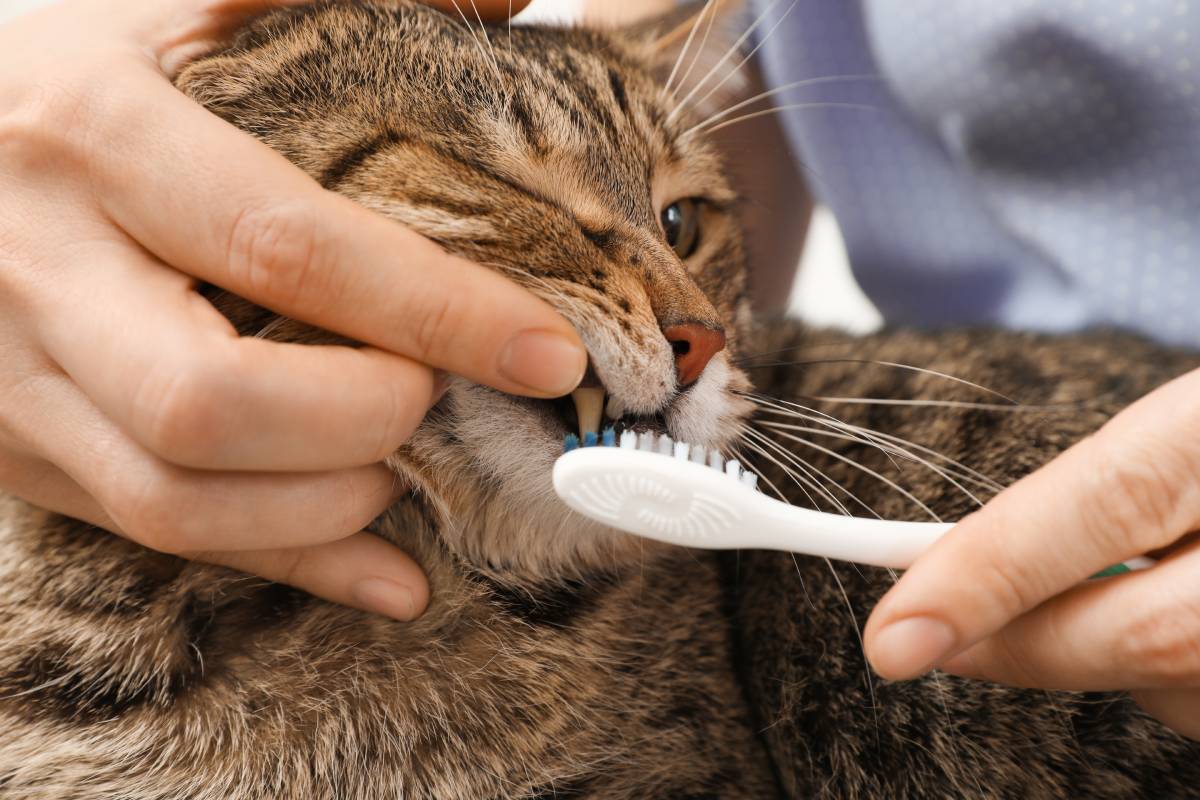
Lift your cat’s lip to expose their teeth and gums. Brush in small, gentle circles on the outer surfaces of the teeth.
Focus on the back teeth where plaque often builds up. If your cat resists, stop and try again later.
Keep Sessions Short And Positive
- Limit brushing to a minute or two at first.
- Gradually increase the time as your cat becomes more comfortable.
- Always end with praise and a treat.
Patience is key—your cat will adjust over time. Have you noticed how your cat reacts to new routines? Understanding their behavior can help you tailor your approach.
Alternatives To Brushing
Brushing your cat’s teeth daily may seem like the gold standard, but it’s not the only way to keep their mouth healthy. Many pet owners find it challenging to maintain a regular brushing routine. Luckily, there are effective alternatives that can support your cat’s dental health without the hassle of a toothbrush.
Dental Treats
Dental treats are designed to reduce plaque and tartar buildup as your cat chews. They often have textures that help scrape off debris from teeth gently. Some treats even contain enzymes that fight bacteria, giving your cat fresh breath and a cleaner mouth.
Have you noticed how your cat enjoys crunching on treats? This natural chewing action can help maintain oral hygiene without stressing your pet. Just be sure to choose treats approved by veterinarians to ensure safety and effectiveness.
Specialized Diets
Specialized dental diets offer another practical option. These foods have a unique kibble shape and texture that promote chewing and help clean teeth. They may also include ingredients that reduce plaque and prevent tartar formation.
Switching to a dental diet can be a simple change in your cat’s routine with lasting benefits. Are you curious if your cat’s current diet supports their dental health? Ask your vet about foods tailored to oral care.
Professional Cleanings
Professional dental cleanings by your vet are vital for thorough care. These cleanings remove plaque and tartar that home care can miss. They also allow your vet to check for dental issues like gum disease or infections early on.
While professional cleanings require anesthesia, they provide the deepest clean for your cat’s teeth. How often does your cat visit the vet for dental check-ups? Regular cleanings can prevent serious problems and keep your cat comfortable.
Maintaining Regular Dental Check-ups
Maintaining regular dental check-ups for your cat is a crucial part of keeping their teeth healthy and pain-free. Even if you brush your cat’s teeth at home, professional exams can catch issues you might miss. These visits help prevent serious problems before they start.
What Happens During A Cat’s Dental Check-up?
During a dental check-up, the vet carefully examines your cat’s mouth, teeth, and gums. They look for signs of plaque, tartar, inflammation, or infection. In some cases, they might take X-rays to see below the gumline where problems often hide.
Have you ever wondered if your cat’s bad breath is just normal? The vet can tell if it’s a sign of dental disease or something else. This insight can save your cat from pain and costly treatments later.
How Often Should You Schedule Dental Visits?
Most cats benefit from a dental check-up at least once a year, but some may need visits every six months. Cats prone to dental disease or older cats often require more frequent exams. Your vet can recommend the best schedule based on your cat’s health.
Think about your own dental visits—do you wait until a problem appears? Cats can’t tell you when their teeth hurt, so regular checks are even more important. Staying proactive keeps your cat comfortable and healthy.
Benefits Of Professional Dental Cleanings
Professional cleanings remove plaque and tartar that brushing alone can’t handle. This helps prevent gum disease, tooth loss, and infections. The process is done under anesthesia to keep your cat safe and stress-free.
Many cat owners notice their pets become more playful and energetic after a cleaning. Could dental pain have been holding your cat back? Regular cleanings can improve their overall quality of life.

Credit: www.yahoo.com
Common Myths About Cat Dental Care
Many cat owners are unsure about dental care. Myths about brushing cats’ teeth cause confusion. These myths stop cats from getting proper care. Understanding facts helps keep cats healthy and happy.
Brushing Cat Teeth Is Not Necessary
Some think cats clean their teeth alone. Cats do not remove plaque by licking. Plaque builds up and causes problems. Brushing helps stop gum disease and bad breath.
Only Older Cats Need Dental Care
Dental issues can start young. Kittens can have dental problems too. Early care prevents pain and tooth loss later. Start dental care early for best results.
Cats Hate Teeth Brushing
Many cats accept brushing with patience. Start slow and use soft brushes. Use treats and praise to make it fun. Regular brushing becomes easier over time.
Dental Treats And Toys Replace Brushing
Toys and treats help but do not clean well. They reduce plaque a little but not enough. Brushing removes plaque better than other methods. Use treats as a bonus, not a replacement.
Credit: weareallaboutcats.com
Frequently Asked Questions
Why Is Brushing My Cat’s Teeth Important?
Brushing your cat’s teeth prevents plaque buildup and gum disease. It reduces bad breath and avoids costly dental treatments. Regular brushing promotes overall health and comfort for your cat.
How Often Should I Brush My Cat’s Teeth?
Ideally, brush your cat’s teeth daily. If daily brushing is difficult, aim for at least 2-3 times per week. Consistency helps maintain good oral hygiene and prevents dental problems.
Can I Use Human Toothpaste For My Cat?
No, human toothpaste is toxic to cats. Always use toothpaste formulated specifically for cats. Cat toothpaste is safe to swallow and contains ingredients that protect feline teeth.
What Are Signs My Cat Needs Dental Care?
Look for bad breath, drooling, red gums, and difficulty eating. These signs indicate dental issues. If you notice any, consult your veterinarian promptly for proper care.
Conclusion
Brushing your cat’s teeth keeps their mouth healthy and clean. It helps stop bad breath and tooth pain. Regular brushing can prevent serious dental problems later. Start slow and be gentle with your cat. Use a toothbrush and toothpaste made just for cats.
A little effort each day makes a big difference. Your cat will thank you with a happy smile and better health. Dental care is part of loving your pet well. Don’t wait to begin this simple, important habit.
