

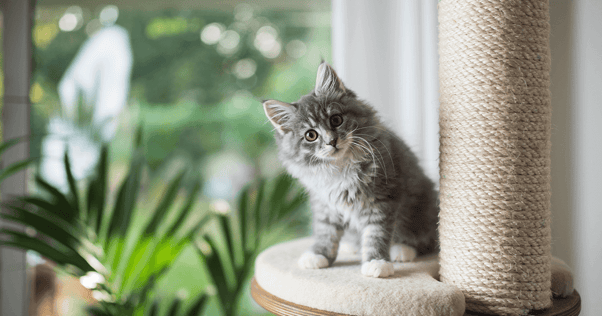
Are you wondering if a cat tree is really necessary for your furry friend? You might be asking yourself, “Do I need a cat tree?”
If you want to keep your cat happy, healthy, and entertained, the answer could surprise you. A cat tree isn’t just a piece of furniture—it can transform your cat’s daily life. Keep reading to discover why a cat tree might be exactly what your home and pet need.

Credit: thearkpet.com
Benefits Of Cat Trees
Cat trees offer many benefits for your feline friend. They provide a safe space to climb, scratch, and rest. These structures help keep cats healthy and happy indoors. Understanding the key benefits can help you decide if a cat tree is right for your pet.
Physical Exercise Opportunities
Cat trees encourage cats to move and stretch. Climbing different levels strengthens muscles and improves balance. Jumping from platform to platform helps burn energy. Scratching posts on cat trees keep claws sharp and healthy. Exercise prevents obesity and related health issues in cats. Active cats tend to be more playful and less stressed.
Mental Stimulation
Cat trees challenge cats to explore and solve problems. New heights and hiding spots keep their minds busy. Cats enjoy watching their surroundings from a high perch. This mental activity reduces boredom and destructive behavior. Toys attached to trees add extra fun and engagement. Stimulated cats feel content and less anxious in their home.
Encouraging Natural Instincts
Cats have strong natural instincts that shape their daily actions. A cat tree supports these instincts safely and positively. It gives cats a place to express their true nature. This helps keep cats happy and healthy.
Climbing And Scratching
Climbing is a natural activity for cats. It helps them stay active and alert. A cat tree offers different levels to climb and jump. This satisfies their need to explore vertical spaces.
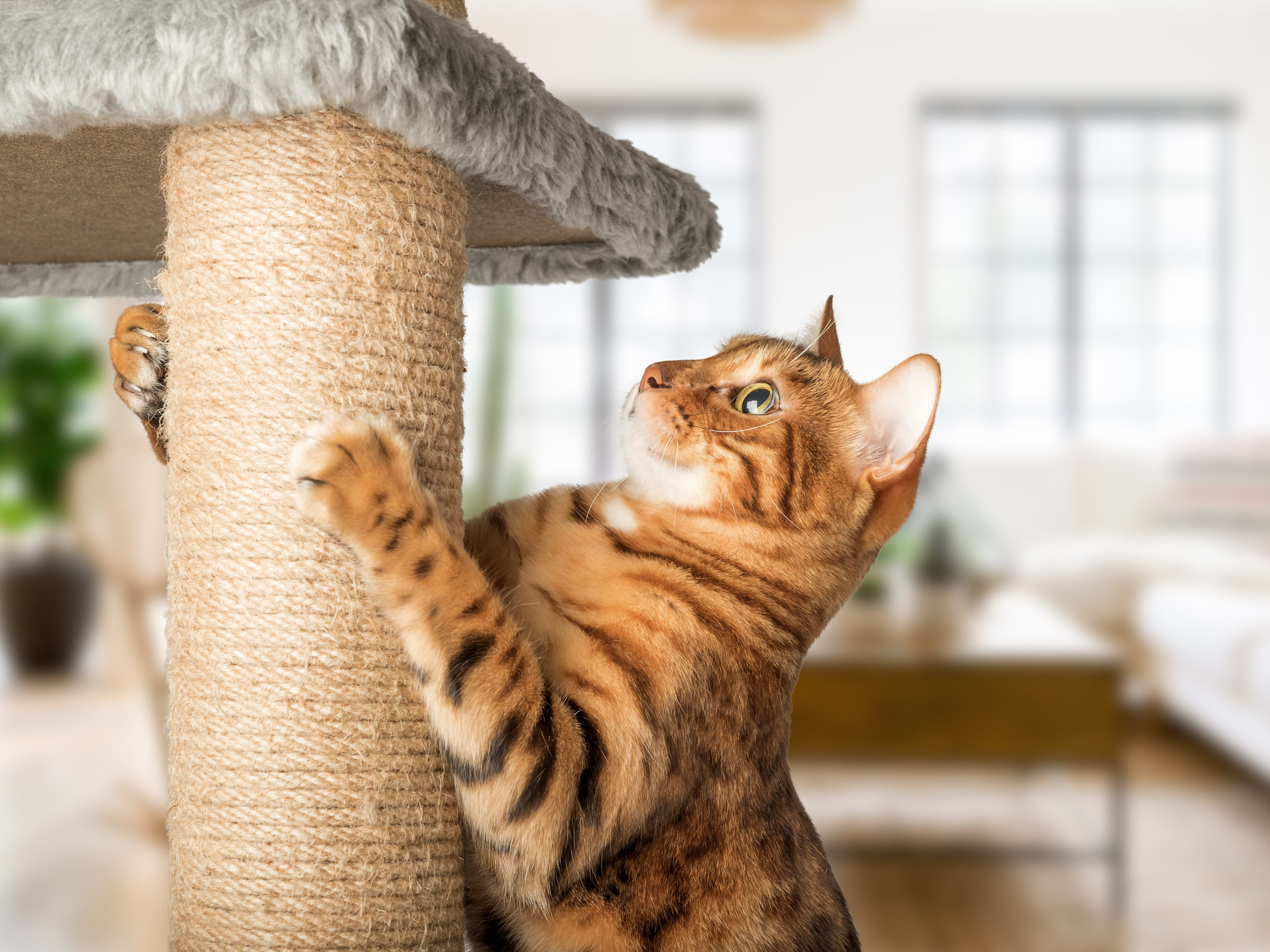
Scratching is another key instinct. Cats scratch to mark territory and keep their claws sharp. A cat tree has surfaces designed for scratching. This protects your furniture from damage.
Territorial Exploration
Cats like to explore and claim their space. A cat tree provides a personal area for your cat. It becomes a safe spot to watch and relax. This helps reduce stress and anxiety.
Having a dedicated territory also encourages healthy behavior. Cats feel more secure and confident. This reduces unwanted behaviors like aggression or hiding.
Improving Cat Behavior
Cats need a space to climb, scratch, and rest. This helps them feel safe and happy. A cat tree gives them a special place for these activities. It can change how they act at home. Improving cat behavior starts with meeting their natural needs.
Reducing Furniture Damage
Cats love to scratch. This keeps their claws sharp and marks their space. Without a proper place to scratch, they choose furniture. A cat tree has scratching posts that protect sofas and chairs. It helps keep your home neat and saves your belongings.
Minimizing Aggression
Cats get stressed without enough space to explore. This can lead to biting or fighting with other pets. A cat tree offers high places to hide and watch. It lets cats feel calm and in control. Calm cats behave better and are less aggressive.
Enhancing Cat Comfort
Cats need comfort to feel happy and secure at home. A cat tree can create a cozy environment tailored for their needs. It offers spots to relax, rest, and watch their surroundings. This helps reduce stress and keeps cats calm.
Safe Resting Spaces
Cat trees provide soft, quiet areas for cats to rest. These spaces feel secure and protect cats from household noise. Elevated platforms or enclosed cubbies give a sense of safety. Cats can nap peacefully without being disturbed.
Resting spots on cat trees are designed with soft materials. These cushions and pads add warmth and comfort. Cats enjoy curling up in these cozy nests. A safe resting place supports better sleep and relaxation.
Elevated Observation Points
Cats love to watch from high places. Cat trees offer elevated spots for this natural behavior. Being up high lets cats observe their territory safely. It also satisfies their curiosity and hunting instincts.
High perches on cat trees help cats feel in control. They can see everything without feeling threatened. This reduces anxiety and boosts confidence. Elevated observation points keep cats mentally active and engaged.
Choosing The Right Cat Tree
Choosing the right cat tree is important for your cat’s happiness and safety. Cats love to climb, scratch, and rest at high places. A good cat tree gives them space to play and relax. It also protects your furniture from scratches. Understanding size, space, material, and durability helps you pick the best option.
Size And Space Considerations
Measure the space where you want to place the cat tree. Make sure it fits well without blocking walkways. The tree should be tall enough for your cat to climb and jump. Consider your cat’s size and activity level. Bigger cats need stronger, larger platforms. Small spaces need compact trees with multiple levels.
Material And Durability
Choose materials that are safe and long-lasting. Wood and compressed wood are common bases. They provide good stability. Look for soft, scratch-friendly coverings like sisal or carpet. Avoid materials that can cause allergies or harm. Durable materials help the tree last through heavy use. Check if parts are replaceable for easy maintenance.
Credit: paradepets.com
Placement Tips For Cat Trees
Choosing the right spot for a cat tree makes a big difference for your cat’s happiness. Cats love to climb, scratch, and observe their surroundings from a safe height. The placement of the cat tree should match your cat’s habits and your home’s layout. Thoughtful placement helps your cat feel secure and entertained.
Optimal Locations In The Home
Place the cat tree near a window. Cats enjoy watching birds and outdoor activity. A sunny spot is ideal for warmth and relaxation. Avoid busy or noisy areas to reduce stress. Quiet corners work well for shy cats. Hallways or entryways can attract curious cats who want to greet visitors.
Integrating With Existing Furniture
Position the cat tree close to sofas or chairs. This allows your cat to join family time comfortably. Match the tree’s color and style with your furniture to blend it in. Use it as a transition between different furniture pieces. Add a soft blanket or cushion to connect with your décor. This encourages your cat to use the tree more often.

Credit: www.reddit.com
Frequently Asked Questions
What Are The Benefits Of Having A Cat Tree?
A cat tree provides exercise, mental stimulation, and a safe space. It helps reduce stress and prevents furniture damage by giving cats their own play area.
How Do I Choose The Right Cat Tree Size?
Consider your cat’s size, age, and activity level. Choose a sturdy, tall tree with multiple platforms and scratching posts to keep your cat engaged.
Can A Cat Tree Improve My Cat’s Behavior?
Yes, a cat tree encourages healthy activity and scratching. It reduces boredom, stress, and destructive behaviors by offering a dedicated place to play and rest.
Is A Cat Tree Necessary For Indoor Cats?
Indoor cats benefit greatly from cat trees. They provide exercise, climbing opportunities, and mental enrichment, which are essential for indoor cats’ health and happiness.
Conclusion
A cat tree gives your cat a fun place to climb and rest. It helps keep cats active and happy indoors. Cats love to scratch, and a tree protects your furniture. Choosing the right cat tree fits your space and your cat’s needs.
It’s a small step that makes a big difference for your pet’s joy. Consider a cat tree to make your home friendlier for your furry friend. Simple, useful, and loved by cats everywhere.
