


Are you wondering if your house cat really needs a rabies shot? It’s a question many cat owners ask but don’t always find clear answers to.
Protecting your furry friend is important, and understanding the role of rabies vaccines can make a big difference. You’ll discover why rabies shots might be more crucial than you think — not just for your cat’s health, but for your safety too.
Keep reading to learn what every cat owner should know about rabies vaccinations.
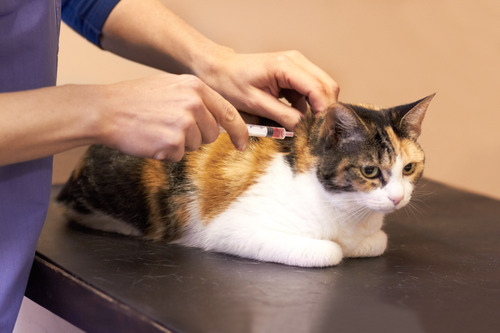
Credit: triangleanimalclinic.com
Rabies And Its Impact On Cats
Rabies is a deadly viral disease that affects the nervous system of mammals, including your beloved house cat. Understanding how rabies impacts cats helps you realize why vaccination is crucial. This section breaks down what rabies means for your feline friend and what signs you should watch out for.
What Is Rabies And How Do Cats Get Infected?
Rabies spreads through the saliva of infected animals, usually via bites or scratches. Outdoor cats face higher risks because they may encounter wild animals like raccoons, bats, or skunks carrying the virus. Even indoor cats can be at risk if a rabid animal manages to get inside your home.
Have you ever wondered how quickly the virus can affect your cat after exposure? The incubation period varies but often ranges from a few weeks to several months.
Symptoms Of Rabies In Cats
Early signs of rabies can be subtle, such as changes in behavior or appetite. As the disease progresses, symptoms become more severe, including:
- Excessive drooling or foaming at the mouth
- Unusual aggression or fearfulness
- Difficulty swallowing or paralysis
- Seizures or disorientation
If you notice any of these symptoms, seek veterinary help immediately. Rabies is almost always fatal once symptoms appear, so early detection is key.
Why Rabies Vaccination Is Essential For Your Cat
Vaccinating your cat against rabies not only protects your pet but also safeguards your family and community. Many local laws require cats to be vaccinated, underscoring its importance. Vaccination acts as a shield, preventing the virus from taking hold even if your cat is exposed.
Think about it—would you want to risk your cat’s life when a simple shot can provide protection? Regular rabies vaccinations are a small step that makes a huge difference.

Credit: millsanimalhospital.com
Transmission Of Rabies
Rabies is a viral disease that affects the nervous system of mammals, including house cats. Understanding how rabies spreads is essential to protecting your pet and your family. The virus is almost always transmitted through direct contact with an infected animal, making it crucial to know the common ways it can reach your cat.
Modes Of Transmission
Rabies primarily spreads through the saliva of an infected animal. This usually happens when the animal bites or scratches another animal or person, allowing the virus to enter the body through broken skin.
Besides bites, rabies can also be transmitted if saliva from an infected animal comes into contact with mucous membranes, such as the eyes, nose, or mouth. However, this is less common. You might wonder if casual contact like petting or sharing food can spread rabies—fortunately, it cannot. The virus needs a route to enter the body, so simple touch is not enough.
Risk Factors For Indoor Cats
You might think indoor cats are completely safe from rabies, but some risks remain. If your cat occasionally goes outside or if wildlife like bats, raccoons, or skunks can access your home, your cat could still be exposed.
Even a single encounter with an infected wild animal can be dangerous. For example, bats are notorious carriers and can enter homes through small openings unnoticed. Have you checked your windows and attic for possible bat access points?
Ensuring your cat’s safety means assessing these risks honestly. Vaccinating your indoor cat against rabies acts as a strong shield, especially if you live in an area where rabies is present in local wildlife.
Legal Requirements For Vaccination
Vaccinating house cats against rabies is not just about health. It is a legal matter too. Laws set clear rules on rabies shots for cats. These rules protect pets, people, and the community. Understanding these laws helps cat owners follow the right steps. It also avoids legal troubles and keeps cats safe from rabies.
State And Local Laws
Each state has its own rules for rabies vaccination. Some states require all cats to get rabies shots. Others only require vaccination for outdoor cats or those in contact with other animals. Local cities or counties might have extra rules too. These laws can vary a lot. Checking local government websites or contacting a vet helps find specific rules. Compliance ensures cats meet legal safety standards.
Penalties For Non-compliance
Failing to vaccinate cats can lead to penalties. Owners might face fines or legal actions. Some areas require quarantine if a cat is not vaccinated and exposed to rabies. Non-compliance can also mean higher costs if treatment is needed after exposure. Following vaccination laws avoids these risks. It protects both cats and their owners from serious consequences.
Benefits Of Rabies Vaccination
Vaccinating your house cat against rabies brings many important benefits. It protects your pet from a deadly virus and helps keep your family safe. Rabies shots are a simple way to prevent serious health risks for both cats and people around them.
Protection For Cats
Rabies vaccination shields cats from a fatal infection. The virus affects the brain and nervous system. Without vaccination, cats can suffer severe illness or death. Vaccinated cats have a strong defense against this disease. This helps them live longer, healthier lives.
Public Health Considerations
Rabies is dangerous for humans too. Cats can pass the virus to people through bites or scratches. Vaccinating cats lowers the chance of rabies spreading in communities. It supports overall public health and safety. This is why many places require rabies shots by law.
Vaccination Schedule And Guidelines
Keeping your house cat safe involves following the right vaccination schedule. Rabies shots protect cats from a deadly virus that can affect animals and humans. Understanding when and how often to vaccinate helps maintain your cat’s health and complies with local laws. Here is a clear guide on the vaccination timeline and important reminders.
Recommended Age For First Shot
Kittens usually receive their first rabies vaccination at around 12 weeks old. This timing balances the need to protect them early with their developing immune system. Some vets may suggest vaccinating as early as 8 weeks in high-risk areas. Always check your veterinarian’s advice based on your location and your cat’s lifestyle.
Booster Shots And Frequency
After the initial shot, booster vaccines are essential to keep immunity strong. Most cats need a booster one year after the first vaccine. After that, boosters are typically given every one to three years. The exact timing depends on the vaccine type and local regulations. Regular boosters help maintain protection and reduce the risk of infection.
Potential Side Effects Of Vaccination
Vaccinating your house cat against rabies is crucial, but it’s natural to wonder about the potential side effects. Understanding what reactions might occur helps you stay prepared and ensures your cat’s safety. Let’s break down what you might expect and when to seek help.
Common Reactions
Most cats handle rabies vaccines well, but some might show mild side effects. These can include:
- Swelling or soreness at the injection site
- Lethargy or tiredness lasting a day or two
- Mild fever or reduced appetite
These symptoms usually fade quickly without treatment. I once noticed my cat seemed a bit sleepy after her shot but was back to normal the next day. Have you observed similar mild reactions after vaccinations?
When To Consult A Veterinarian
Serious side effects are rare but require immediate attention. Contact your vet if your cat shows:
- Difficulty breathing or rapid breathing
- Severe swelling spreading beyond the injection site
- Persistent vomiting or diarrhea
- Collapse or seizures
Don’t wait if you notice any unusual behavior after vaccination. Quick action can make a big difference in your cat’s recovery and comfort.
Alternative Prevention Measures
Alternative prevention measures help reduce the risk of rabies without relying solely on vaccinations. These methods focus on controlling your cat’s environment and behavior. Keeping your cat safe and healthy involves more than just shots.
Indoor Safety Tips
Keeping your cat indoors limits contact with wild animals that may carry rabies. Create a comfortable indoor space with toys and cozy spots. Regular playtime keeps your cat active and happy inside.
Seal any openings where wild animals could enter your home. Check windows and doors for gaps. Remove plants or items that attract wildlife near your house.
Keep your cat’s food indoors to avoid attracting stray animals. Proper waste disposal also helps maintain a clean and safe environment.
Supervised Outdoor Time
Allow your cat outside only under close supervision. Use a harness and leash to control where your cat explores. This prevents encounters with potentially rabid animals.
Choose safe, enclosed areas like a backyard or garden for outdoor time. Avoid places where wild animals are common. Watch your cat closely for any signs of danger.
Limit outdoor time to daylight hours. Many wild animals active at night carry rabies. Supervised outdoor time offers fresh air without unnecessary risk.

Credit: weareallaboutcats.com
Myths And Misconceptions
Many cat owners believe they fully understand the risks their pets face, especially regarding rabies. Yet, myths and misconceptions often cloud the truth. These misunderstandings can lead to skipping crucial vaccinations, putting your cat and family at risk.
Myth: Indoor Cats Are Safe
It’s easy to think that if your cat never steps outside, rabies isn’t a concern. But rabies can be transmitted through bites or scratches from wildlife or even other pets that come into contact with your home. A curious cat might escape briefly or encounter an infected animal through a small opening.
Consider a neighbor’s bat that sneaks into your attic or a raccoon that visits your yard. Even if your cat stays indoors, these situations can expose them to rabies unexpectedly. Are you prepared for what might happen if your indoor-only cat faces such a risk?
Debunking Common Beliefs
Some owners think rabies vaccination isn’t necessary if their cat is calm or rarely interacts with other animals. But rabies doesn’t discriminate based on personality or lifestyle. The disease is fatal, and vaccination is the only reliable protection.
Another common belief is that rabies shots are harmful or cause severe side effects. While mild reactions can occur, serious complications are extremely rare. The benefits of vaccination far outweigh the risks.
Ask yourself: Is avoiding a simple vaccine really worth the potential consequences of a rabies infection? Your cat’s safety depends on clear facts, not assumptions.
Frequently Asked Questions
Do House Cats Really Need Rabies Shots?
Yes, house cats need rabies shots to protect them from the deadly virus. Vaccination helps prevent rabies transmission to humans and other pets. Many regions legally require rabies vaccinations for cats, even indoor ones, to ensure community health safety.
How Often Should Indoor Cats Get Rabies Vaccines?
Indoor cats typically need a rabies vaccine every one to three years. Vaccine schedules depend on local laws and vaccine type. Consult your veterinarian to determine the best timing for your cat’s rabies shots.
Can Indoor Cats Catch Rabies Without Outdoor Exposure?
Yes, indoor cats can catch rabies if exposed to infected animals indoors. Rabies spreads through bites or scratches from infected wildlife or other pets. Vaccinating indoor cats offers crucial protection, even with limited outdoor exposure.
What Are The Risks Of Skipping Rabies Shots For Cats?
Skipping rabies shots puts cats and humans at risk of fatal rabies infection. Unvaccinated cats may face quarantine or legal consequences if exposed. Timely vaccination prevents disease spread and ensures your cat’s safety.
Conclusion
Rabies shots protect house cats from a deadly disease. Many places require these vaccines by law. Cats that go outside face a higher risk. Vaccinating also keeps your family safe. Talk to your vet about your cat’s needs. Staying up to date helps avoid health problems.
It’s a small step for big protection. Keep your cat healthy and happy with regular shots. Prevention is always better than treatment.
