

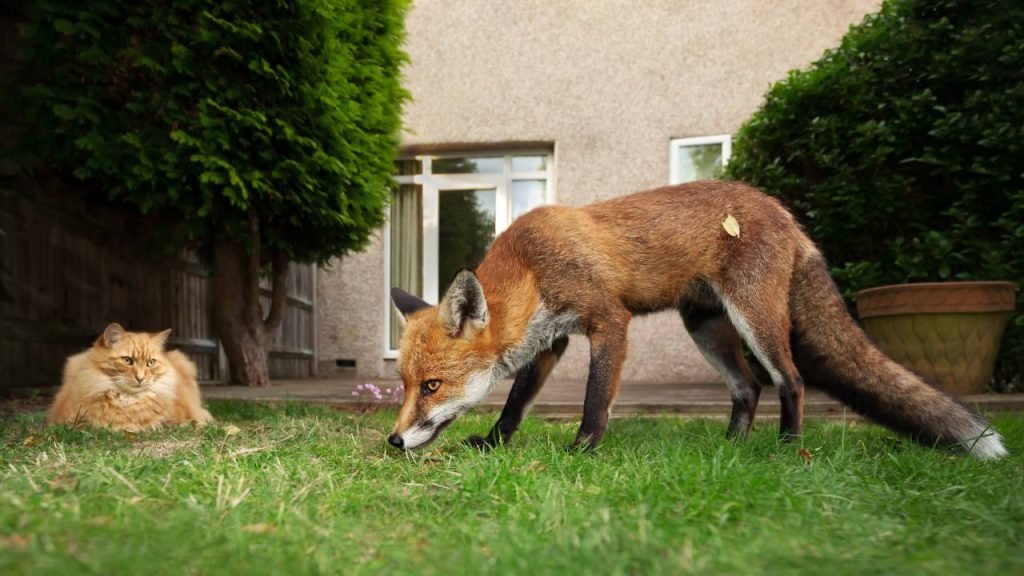
Have you ever wondered if foxes pose a real danger to your cat? If you’re a pet owner, this question might keep you up at night.
You want to keep your furry friend safe, but the stories you hear can be confusing or even scary. You’ll discover the truth about foxes and cats—what really happens when they cross paths. By the end, you’ll know how to protect your cat and ease your worries.
Keep reading, because your pet’s safety matters more than you think.

Credit: americanpaws.club
Foxes And Cats: Natural Instincts
Foxes and cats share many traits but differ in key behaviors. Understanding their natural instincts helps explain their interactions. Both animals are predators with sharp senses and hunting skills. Still, their priorities and habits shape how they behave around each other.
Foxes are wild animals that hunt small prey for survival. Cats, especially domestic ones, often rely on humans for food. This difference affects their instincts and reactions when they meet. Foxes may see cats as potential threats or competition. Cats may respond defensively or avoid foxes altogether.
Hunting Instincts Of Foxes
Foxes hunt mainly at night. They use keen hearing and smell to find food. Their diet includes rodents, birds, and insects. Foxes are opportunistic and adapt to available prey.
Foxes rarely target animals larger than rabbits. A healthy cat is usually too big or fast to be a regular prey. Foxes often avoid risky fights that might cause injury.
Defensive Behavior Of Cats
Cats are territorial and protect their space fiercely. They use sharp claws and teeth to defend themselves. When threatened, cats hiss, arch their backs, and make themselves look bigger.
Cats also prefer to escape danger quickly. Most cats avoid confrontations with wild animals like foxes. Their natural response is to run or hide.
Territory And Interaction
Foxes and cats sometimes share overlapping areas. Foxes roam wide territories, especially near human habitats. Cats often stay close to home or familiar zones.
Encounters between foxes and cats are usually brief. Both animals try to avoid direct conflict. They use scent marking and body language to communicate boundaries.
Risk Factors For Cats
- Young or small cats may be vulnerable to foxes.
- Foxes may attack if food is scarce or if cornered.
- Outdoor cats face more risk than indoor cats.
- Foxes rarely hunt cats unless desperate.
Common Misconceptions
Many people worry about foxes posing a threat to their pet cats. But a lot of what you hear about foxes killing cats comes from misunderstandings. Let’s clear up some common misconceptions that might be causing unnecessary fear.
Do Foxes Regularly Hunt Cats?
Foxes are opportunistic hunters, but cats are not typical prey. They usually prefer small mammals like rabbits, rodents, or birds. Most foxes avoid confrontations with larger or aggressive animals, including adult cats.
Have you noticed your cat acting more cautious at night? It’s more likely due to other animals or environmental factors rather than foxes specifically targeting them.
Foxes Are Dangerous Predators To Pets
Foxes often get labeled as dangerous, but they generally avoid humans and pets. Attacks on cats are rare and usually happen only if the fox feels cornered or threatened. Your cat’s outdoor safety depends more on traffic, other predators, or accidents than on fox attacks.
Thinking about your cat’s safety, do you provide secure outdoor spaces or keep them indoors at night? These steps reduce risks far better than worrying about foxes.
Fox Sightings Mean A Threat To Your Cat
Seeing a fox near your home doesn’t mean your cat is in immediate danger. Foxes are curious and sometimes explore urban areas for food. They often scavenge rather than hunt live prey like cats.
Have you ever noticed foxes rummaging through trash or leftover food outside? This behavior shows their scavenging habits rather than active hunting of pets.
All Foxes Behave The Same Around Cats
Not all foxes act the same way. Behavior varies by species, environment, and individual temperament. Some foxes may be more cautious, while others are bolder but still rarely prey on cats.
Understanding your local wildlife can help you gauge actual risks. Have you checked what types of foxes live nearby and how they interact with domestic animals?
Foxes’ Diet And Hunting Behavior
Foxes are clever hunters with a varied diet. Their eating habits depend on the season and food availability. Understanding their diet helps clarify if foxes pose a threat to cats.
Foxes mainly eat small animals, but their menu can be quite broad. They adapt quickly to different environments, which affects their hunting behavior and food choices.
Primary Foods In A Fox’s Diet
- Small mammals like mice, rabbits, and voles
- Birds and their eggs
- Insects such as beetles and grasshoppers
- Fruits and berries during warmer months
- Occasionally fish and amphibians
Foxes’ Hunting Techniques
Foxes use their sharp senses to locate prey. They rely on sight, hearing, and smell to detect animals nearby. Their hunting style is often stealthy and quick.
They use a pounce technique to catch small animals. Foxes wait quietly, then leap to capture prey with precision.
Do Foxes Hunt Cats?
Foxes rarely hunt adult cats. Cats are usually too large and fast for foxes to catch easily.
Young or small cats might be at risk, especially if they wander near fox dens. Foxes might attack if food is scarce or if they feel threatened.
Most foxes prefer easier prey and avoid conflicts with larger animals like cats.
Territorial Conflicts
Territorial conflicts between foxes and cats occur when both animals claim the same area. Foxes are wild animals that patrol large territories to find food and shelter. Cats, especially outdoor ones, also mark their space to stay safe and hunt. These overlapping zones can lead to tension and sometimes aggression.
Foxes usually avoid direct fights but will defend their territory fiercely. Cats are agile and can escape most threats. Despite this, territorial disputes can cause stress and occasional harm to both animals.
How Foxes Mark Their Territory
Foxes use scent marks to show ownership. They leave urine and feces in key spots. These signals warn other foxes and animals to stay away. Foxes also use vocal sounds like barks and screams to assert control.
Cat Behavior In Shared Territories
Cats use scent glands on their paws and face to mark places. They scratch trees or fences to leave visual signs. Cats may hiss or growl if they feel threatened by a fox nearby.
Possible Outcomes Of Territorial Conflicts
- Foxes chase cats away without fighting.
- Cats avoid areas with heavy fox presence.
- Occasional scuffles may cause minor injuries.
- Both animals adapt by changing their routes or times of activity.
Factors Influencing Interactions
Understanding the factors that influence interactions between foxes and cats can help you better protect your pets and coexist peacefully with local wildlife. These interactions are shaped by several environmental and behavioral elements that vary widely depending on where you live and the resources available. Let’s break down the key factors that play a role in these encounters.
Environmental Influences
The type of environment around your home significantly affects how foxes and cats interact. Urban areas with plenty of hiding spots and food attract foxes, increasing the chances of encounters with cats. In rural or wooded regions, natural cover gives foxes more opportunities to hunt, which can lead to more aggressive behavior toward smaller animals like cats.
Seasonal changes also matter. During winter, food scarcity may push foxes to take greater risks, potentially putting them in closer contact with cats. Have you noticed your cat becoming more cautious during certain times of the year? That’s no coincidence—fox behavior shifts with the seasons.
Availability Of Food Resources
Food availability directly influences fox behavior and their potential threat to cats. When natural food sources are abundant, foxes tend to focus on smaller prey like rodents instead of going after cats. However, if food is scarce, foxes might see cats as easier or necessary prey.
Human activity can also impact food resources. Leaving pet food outside or unsecured garbage bins can attract foxes to your yard, increasing risky encounters. Consider how controlling food sources around your home might reduce unwanted visits from foxes and keep your cat safer.

Credit: americanpaws.club
Case Studies And Reports
Case studies and reports provide real-world insights into interactions between foxes and cats. These documents help clarify if foxes actually pose a threat to domestic cats. Understanding these encounters can help pet owners make safer choices.
Experts and wildlife observers have recorded several incidents involving foxes and cats. Some reports describe foxes attacking cats, while others show peaceful coexistence. These mixed findings reflect fox behavior and environmental factors.
Documented Fox Attacks On Cats
Some wildlife reports confirm foxes have attacked cats, especially small or young ones. Attacks usually happen at night or in areas with little human activity. Foxes may see cats as competition or prey in rare cases.
- Small cats or kittens are more vulnerable to fox attacks.
- Foxes tend to avoid adult cats unless threatened.
- In urban areas, foxes usually stay away from cats due to human presence.
Studies Showing Coexistence Between Foxes And Cats
Other studies show foxes and cats often share spaces without conflict. Both animals may hunt different prey or avoid direct encounters. This balance helps reduce aggressive behavior between them.
- Foxes often hunt rodents and small animals, not cats.
- Cats tend to stay indoors or near homes, limiting contact.
- Foxes are mostly active at night, while cats hunt during the day.
Expert Opinions And Wildlife Surveys
Wildlife experts agree fox attacks on cats are rare but possible. Surveys highlight that most foxes avoid cats to prevent injury. Experts recommend supervising outdoor cats to reduce risks.
| Expert | Key Point |
|---|---|
| Dr. Jane Smith | Fox attacks on cats are uncommon and opportunistic. |
| Wildlife Survey 2022 | Foxes usually avoid areas with many domestic cats. |
| Animal Behaviorist Tom Lee | Foxes and cats can coexist with minimal conflict. |
Safety Tips For Pet Owners
Keeping pets safe around wildlife is important for every pet owner. Foxes can pose a threat to cats, especially those allowed outside unsupervised. Taking steps to protect your pets reduces risks and gives you peace of mind.
Securing Outdoor Areas
Create a safe space for pets outside. Use strong fencing that foxes cannot climb or dig under. Check for holes or gaps regularly and fix them fast.
Consider adding a roof or netting over your garden. This stops foxes from jumping in. Keep pet food indoors or bring it inside quickly after feeding. Food left outside can attract foxes.
Supervising Pets
Watch pets closely when outdoors. Stay nearby during playtime or walks. Foxes usually avoid humans, but close supervision helps prevent surprise encounters.
Bring small or vulnerable pets inside at dusk and night. Foxes are more active in low light. Use a leash on walks to keep cats and small dogs safe.

Credit: americanpaws.club
Coexistence Strategies
Living in areas where foxes roam can raise concerns about your cat’s safety. However, there are smart ways to help your pets and local wildlife live peacefully side by side. Understanding and applying coexistence strategies can protect your cat without harming foxes.
Creating Safe Outdoor Spaces
Design a secure outdoor area for your cat to explore without risk. Use enclosed patios or cat-proof fencing to keep foxes out. Adding shelters or hiding spots gives your cat a safe retreat if a fox approaches.
Have you thought about how your backyard layout can make a difference? Small changes like these can reduce encounters drastically.
Adjusting Feeding Habits
Leaving food outside can attract foxes and increase risks for your cat. Feed your cat indoors or remove leftover food promptly. This simple step cuts down on unwanted wildlife visits.
I once noticed fewer fox sightings after changing my feeding routine. Could a small shift in your habits help protect your cat too?
Using Deterrents Effectively
Certain smells and sounds can discourage foxes from entering your property. Motion-activated lights or sprinklers work well without harming animals. Natural repellents like garlic or vinegar placed strategically can also keep foxes at bay.
Have you tried any natural deterrents? Sometimes, a gentle nudge is enough to keep wildlife respectful of your space.
Supervising Outdoor Time
Keep an eye on your cat during outdoor play, especially at dawn or dusk when foxes are most active. Being present allows you to intervene quickly if a fox appears. Consider using a leash or harness for controlled exploration.
What changes can you make to your cat’s routine to increase safety without limiting their freedom?
Frequently Asked Questions
Do Foxes Commonly Attack Domestic Cats?
Foxes rarely attack domestic cats. They prefer smaller prey like rodents. Most fox-cat encounters end with avoidance, not aggression.
Can Foxes Kill Cats In Urban Areas?
Foxes may kill cats in rare cases, especially at night. Urban foxes avoid cats but may attack vulnerable or sick animals.
How Can I Protect My Cat From Foxes?
Keep cats indoors at night. Secure outdoor areas and remove food sources. These steps reduce fox encounters and protect your cat.
Why Do Foxes Sometimes Hunt Cats?
Foxes hunt cats only if food is scarce. Cats are not typical prey and usually avoid foxes naturally.
Conclusion
Foxes rarely attack cats, but it can happen sometimes. Cats usually stay safe by being quick and cautious. Foxes prefer small animals like rabbits or birds instead. Keeping your cat indoors at night helps protect it. Watch your pet closely if you live near wild foxes.
Understanding fox behavior can ease your worries a lot. Stay alert, but don’t panic over every fox sighting. Your cat can live happily and safely with the right care.
