

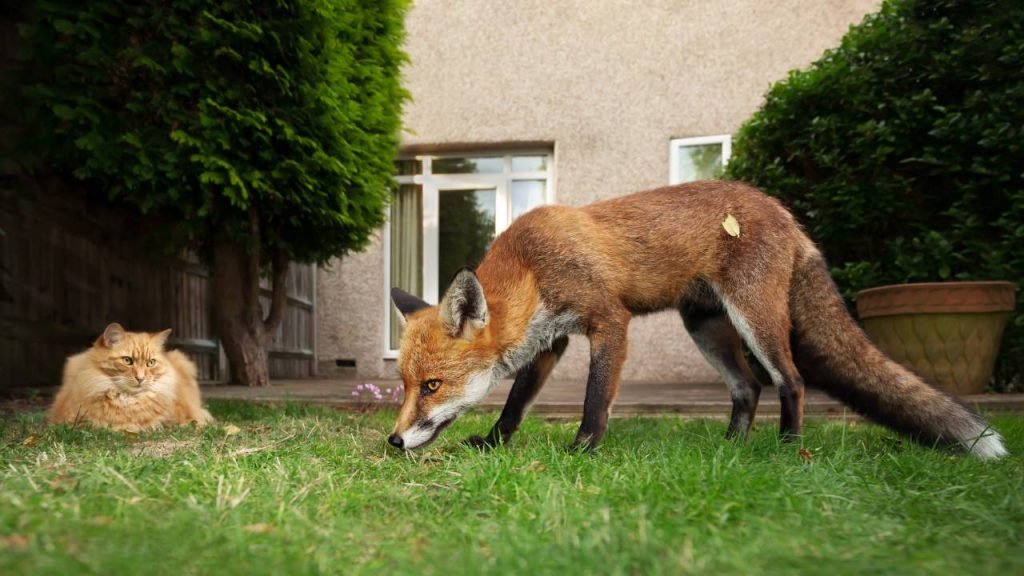
Have you ever wondered if foxes pose a real threat to your beloved cat? It’s a question that can keep any pet owner up at night.
You want to keep your furry friend safe, but the mystery around fox behavior can be confusing. You’ll uncover the truth about whether foxes actually eat cats, what signs to watch for, and how you can protect your pet. By the end, you’ll have clear answers and practical tips that bring peace of mind.
Keep reading to learn what every cat owner needs to know about foxes.

Credit: americanpaws.club
Fox Diet Basics
Foxes are often misunderstood creatures, especially when it comes to their eating habits. Knowing what foxes typically eat can help you understand whether your neighborhood feline friends are truly at risk. Their diet is quite flexible, adapting to whatever food sources are available around them.
Common Foods For Foxes
Foxes are omnivores, which means they eat both plants and animals. Their meals usually include:
- Small mammals like rabbits, mice, and voles
- Birds and their eggs
- Insects such as beetles and grasshoppers
- Fruits and berries when available
- Occasionally, fish or amphibians
They are opportunistic feeders, so if they find easy food like garbage or pet food, they won’t hesitate to eat it. Have you ever noticed a fox sniffing around your backyard? That’s likely what they’re after.
Seasonal Variations In Diet
Foxes adjust what they eat based on the season and availability. During spring and summer, they hunt more live prey like insects and small mammals. This is when food is abundant and easier to catch.
In fall and winter, fruits, berries, and even leftover crops become important parts of their diet. When food is scarce, foxes may scavenge more or rely on human leftovers. Does your local fox change where it forages throughout the year? That’s a natural response to shifting food sources.
Fox Behavior Around Humans
Foxes show different behaviors around humans depending on their environment. They can be shy or curious, cautious or bold. Understanding their behavior helps reduce conflicts and keeps both people and foxes safe.
Urban Vs. Rural Foxes
Urban foxes often live close to humans. They find food in garbage or gardens. These foxes get used to noise and people. They may come out in daylight more often.
Rural foxes stay in forests or fields. They avoid humans and keep to themselves. These foxes hunt small animals and use natural shelters. They are usually more active at night.
Foxes And Domestic Pets
Foxes usually avoid cats and dogs. They see pets as threats, not food. Small pets left outside may attract foxes out of curiosity.
Keeping pets safe means supervising them outdoors. Foxes rarely attack healthy adult cats. Young or sick animals may be at higher risk.
Foxes And Cats: Natural Interactions
Foxes and cats often share overlapping habitats, which leads to a variety of natural interactions. Understanding these encounters helps you protect your pets and appreciate wildlife behavior. Let’s look at how their instincts and territories influence these relationships.
Predatory Instincts
Foxes are opportunistic hunters, mainly feeding on small mammals, birds, and insects. Cats, especially outdoor ones, can sometimes trigger a fox’s hunting drive due to their size and movement. However, foxes rarely target adult cats as prey since cats can defend themselves effectively.
If you notice a fox eyeing your cat, it’s usually more about curiosity or competition for food than a real hunt. Younger or smaller cats might be at greater risk, particularly if they appear weak or vulnerable. You can reduce risks by keeping your cat indoors during dawn and dusk when foxes are most active.
Territorial Conflicts
Both foxes and cats mark their territory with scent. This creates a silent communication channel but can also lead to tension. Foxes might see cats as intruders, especially near dens or food sources.
Territorial disputes often involve vocalizations, chasing, or posturing rather than serious fights. If your cat and a fox encounter each other regularly, you might hear growls or see signs of skirmishes. Setting up secure feeding spots away from your yard’s edges can help minimize these conflicts.
Have you ever observed how your cat reacts when it spots a fox? Understanding these signs can help you intervene before situations escalate.

Credit: americanpaws.club
Evidence Of Foxes Attacking Cats
Foxes and cats often share the same neighborhoods, especially in suburban and rural areas. This close contact sometimes leads to conflicts. Understanding the evidence of foxes attacking cats helps pet owners stay cautious and protect their pets.
Fox attacks on cats are not very common but do happen. Reports from different places show that foxes can be a threat, especially to smaller or younger cats. These incidents provide insight into when and why such attacks occur.
Reported Incidents
- Several pet owners have shared stories of foxes chasing or biting their cats.
- Wildlife rescue centers occasionally treat cats with injuries linked to fox attacks.
- Local news sometimes covers rare cases where foxes seriously harm cats.
- Some outdoor cats disappear in areas with high fox activity, raising concerns.
Factors Leading To Attacks
- Foxes usually attack when they feel threatened or cornered by cats.
- Young or small cats are easier targets for foxes hunting for food.
- Food scarcity can push foxes to hunt unusual prey, including cats.
- Foxes may attack to defend their territory or young kits from cats.
- Nighttime is when foxes are most active, increasing risks for roaming cats.
Protecting Cats From Foxes
Protecting cats from foxes is important for pet safety. Foxes may see cats as prey or rivals. Taking steps to keep cats safe outside helps prevent conflicts and injuries.
Creating a safe environment lets cats enjoy outdoors without risk. Awareness and simple actions reduce chances of fox encounters. Here are key ways to protect your feline friends.
Safe Outdoor Practices
- Supervise cats when they are outside.
- Keep cats indoors during dawn and dusk, foxes are active then.
- Use a secured outdoor cat enclosure or catio.
- Provide plenty of hiding spots and high places.
- Feed cats indoors to avoid attracting foxes.
Deterrents And Preventive Measures
- Install motion-activated lights near cat areas.
- Use natural scents like garlic or vinegar around the yard.
- Clear away brush and debris where foxes hide.
- Secure trash bins to prevent fox scavenging.
- Consider ultrasonic devices that emit sounds foxes dislike.
Misconceptions About Foxes And Cats
Many people believe foxes regularly hunt cats. This idea creates fear among cat owners. The truth about foxes and cats is often misunderstood. These misconceptions arise from false stories and unclear facts. Clearing up these ideas helps us understand fox behavior better.
Myths Vs. Reality
People often think foxes are a big threat to cats. Foxes are wild animals but usually avoid confrontation with larger creatures. Most foxes prefer small rodents and insects over cats. Attacks on cats by foxes are very rare. Cats are fast and alert, making them hard prey. Many stories about foxes eating cats are based on myths, not facts.
Media Influence
Movies and news sometimes show foxes hunting cats. These images create a false impression of fox behavior. Media loves dramatic stories, even if they are not true. This leads to fear and misunderstanding about foxes. The reality is less scary. Foxes mostly keep to themselves and avoid pets. Trust wildlife experts and research for accurate information.
When To Be Concerned
Wondering when to worry about foxes around your home, especially if you have cats? Foxes are generally shy and avoid humans, but certain signs suggest you should be more alert. Knowing these signs helps you protect your pets and take action before problems arise.
Signs Of Fox Presence
You might notice foxes by their tracks in the dirt or snow—small paw prints with four toes and no claw marks. Another sign is unusual noises at night, like high-pitched yips or barks, which foxes often make.
Foxes also leave droppings that look like twisted tubes with bits of fur or bones inside. If you find these near your garden or yard, it’s a clear sign they’re nearby. You might even spot them hunting small rodents, which means they’re active in your area.
Responding To Fox Encounters
If you see a fox near your home, don’t panic. Most foxes avoid humans and don’t pose a serious threat. However, you should keep your cats indoors during dawn and dusk when foxes are most active.
Remove any food sources like pet food or fallen fruit that might attract foxes. You can also secure your trash bins and consider motion-activated lights or sprinklers to discourage visits.
Have you ever noticed a fox lingering longer than usual or acting unusually tame? This could mean the fox is sick or used to human food, and you should contact local animal control for advice. Taking these steps helps keep your pets safe and maintains a peaceful coexistence with local wildlife.

Credit: felinefancy.co.uk
Frequently Asked Questions
Do Foxes Commonly Hunt Domestic Cats?
Foxes rarely hunt domestic cats. They prefer small rodents and birds. Cats are often too large and aggressive for foxes to target.
Can Foxes Harm Pet Cats Outdoors?
Foxes may pose a threat to small or young cats outdoors. However, attacks are uncommon. Keep pets supervised to reduce risks.
What Attracts Foxes To Residential Areas?
Foxes are attracted by food sources like garbage, pet food, and small animals. They adapt well to suburban environments.
How To Protect Cats From Fox Encounters?
Keep cats indoors at night and supervise outdoor time. Remove food sources that attract foxes near your home.
Conclusion
Foxes do not usually hunt cats as food. They prefer smaller animals like rodents and birds. Foxes may scare cats but rarely attack them. Most cats stay safe by being alert and quick. Keeping pets indoors at night reduces risks.
Knowing fox behavior helps protect your cat better. Stay calm and watch your pets closely. Foxes and cats can live near each other without much trouble. Understanding their habits keeps both animals safe and happy.
