

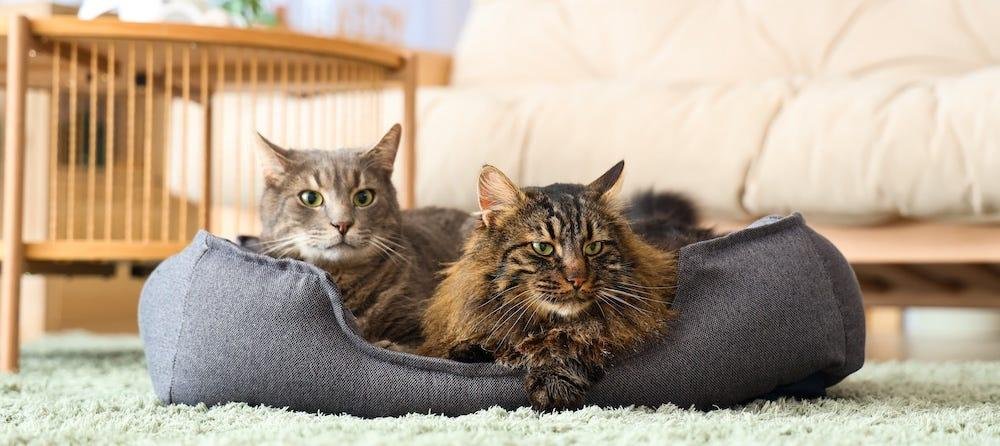
Are you wondering if your playful ferret can share a home with your curious cat? It’s a common question for pet lovers like you who want peace and harmony among their furry friends.
Understanding how ferrets and cats interact can save you from unwanted stress and help create a happy environment for both. Keep reading to discover what really happens when these two unique animals meet—and how you can make sure they get along well.
Your pets’ happiness depends on it!
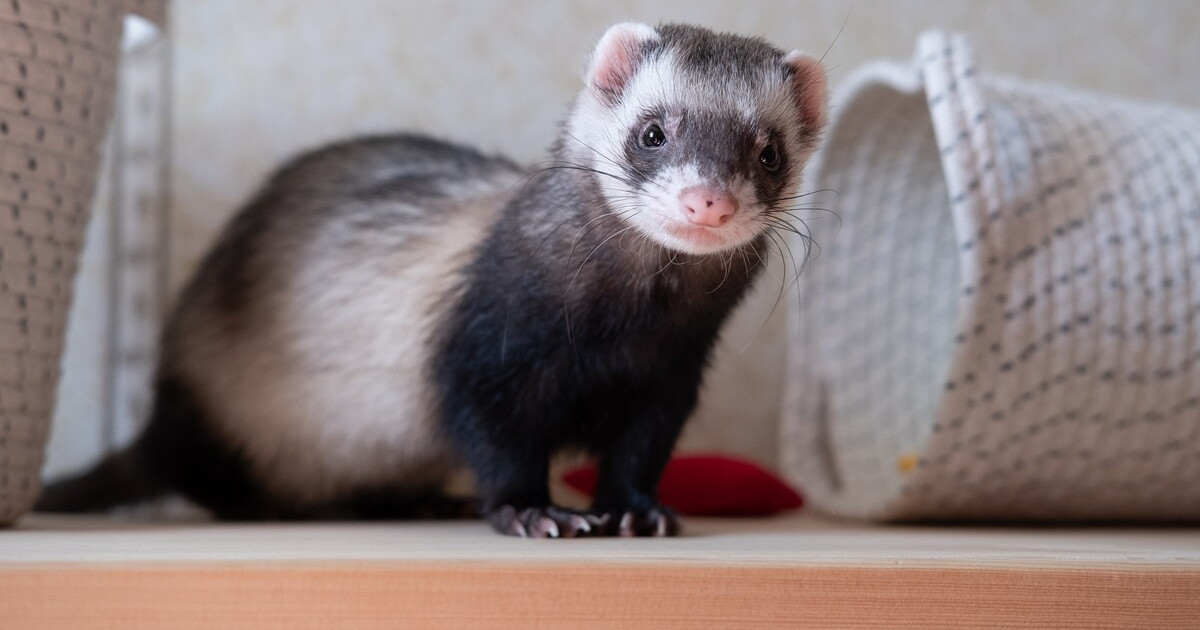
Credit: pethelpful.com
Ferret And Cat Personalities
Understanding the personalities of ferrets and cats is key to knowing how they might interact. Each animal brings its own unique traits to the relationship, which can either create harmony or spark challenges. Let’s look closely at what makes ferrets and cats tick.
Curious Nature Of Ferrets
Ferrets are natural explorers. They love to investigate every nook and cranny of your home, often squeezing into small spaces and finding hidden spots.
This curiosity means they often want to play and interact with whatever moves — including your cat. Ferrets don’t have a strong sense of personal space and might overwhelm a more reserved cat.
Have you noticed your ferret’s endless energy and inquisitiveness? This trait can either encourage your cat to engage or push it away. Managing this dynamic requires patience and careful observation.
Independent Spirit Of Cats
Cats often prefer to set their own boundaries. Many enjoy affection but on their own terms, and they usually value quiet and calm environments.
This independence means cats might be less interested in constant play or interaction compared to ferrets. Some cats may choose to simply ignore the ferret or retreat to a safe space.
Understanding your cat’s personality is important—does your cat enjoy company, or prefer solitude? Respecting their limits can help prevent tension and foster peaceful coexistence.
Credit: www.petsupermarket.com
Initial Introductions
Introducing a ferret to a cat is a delicate process that sets the tone for their future relationship. The first meetings can either build trust or create tension. Taking time and care during initial introductions can help both animals feel safe and comfortable.
Creating A Safe Environment
Start by setting up a neutral space where neither pet feels territorial. This reduces stress and lowers the chance of aggressive behavior.
Remove any toys, food bowls, or beds that might trigger possessiveness. Provide plenty of escape routes so both animals can retreat if they feel overwhelmed.
Use barriers like baby gates or crates to allow visual and scent exposure without direct contact at first. This helps them get used to each other gradually.
First Impressions Matter
Your pets will pick up on your emotions, so stay calm and positive. Keep the first few meetings short and sweet to avoid exhausting or scaring them.
Observe their body language closely. Look for relaxed postures, gentle sniffing, or curiosity. Signs like hissing, growling, or puffed fur mean it’s time to slow down.
Reward calm behavior with treats and praise to reinforce positive associations. Have you noticed how your cat’s curiosity can sometimes surprise you? Use that to your advantage by encouraging gentle interactions.
Behavioral Observations
Observing how ferrets and cats behave together provides insight into their relationship. Their interactions show a mix of curiosity and caution. Each animal has its own style of communication and play. Watching their behavior helps predict how well they might live together.
Playful Interactions
Ferrets and cats often enjoy playful moments. Both animals have a strong hunting instinct that fuels their games. Ferrets use quick movements and gentle nips during play. Cats respond with pouncing and chasing. This kind of play can build bonds and reduce stress.
- Ferrets may dart around to invite cats to chase.
- Cats often bat at ferrets with their paws.
- Both species enjoy hiding and surprising each other.
Playful interactions usually stay friendly if both animals feel safe. Ferrets’ energetic style suits some cats well.
Potential Aggressions
Not all interactions remain playful. Tension can arise from fear or territorial instincts. Ferrets may bite if scared or annoyed. Cats might scratch or hiss to warn ferrets away. Signs of aggression include raised fur, growling, or stiff body posture.
- Ferrets may nip hard when overstimulated.
- Cats can use claws if they feel threatened.
- Both animals may try to escape stressful situations.
Careful supervision is important to avoid injuries. Understanding body language helps prevent conflicts. Slowly introducing ferrets and cats increases chances of peaceful coexistence.

Credit: www.yahoo.com
Training Techniques
Training your ferret and cat to coexist peacefully requires patience and smart techniques. Using the right training methods helps both pets understand what behavior is acceptable and builds a foundation for harmony. Let’s look at two key techniques that can make a big difference in how well your ferret and cat get along.
Positive Reinforcement
Positive reinforcement means rewarding good behavior rather than punishing bad actions. When your ferret and cat interact calmly, immediately give them treats or praise to encourage that behavior.
For example, if your cat stays relaxed while the ferret approaches, offer a small snack or gentle petting. This shows your cat that calmness brings rewards, making future calm interactions more likely.
Try using a clicker or a consistent word like “good” to mark the moment of good behavior. This helps your pets connect their calm actions with the rewards and speeds up learning.
Setting Boundaries
Clear boundaries prevent confusion and reduce stress for both pets. Decide which areas of the house are off-limits to your ferret or cat, and use baby gates or closed doors to enforce these limits.
Teach your ferret and cat to respect these boundaries by gently redirecting them when they cross lines. For example, if your ferret tries to chase your cat into a restricted area, calmly remove it and place it back in its allowed space.
Consistent boundaries help your pets feel safe and understand each other’s space. Ask yourself: Are you clear and consistent enough with your rules to avoid conflicts?
Common Challenges
Introducing ferrets and cats to live together can bring unique challenges. Both animals have distinct behaviors and needs. Understanding these challenges helps create a peaceful home. It also ensures both pets feel safe and happy.
Territorial Disputes
Ferrets and cats may fight over space. Cats often claim certain areas as their own. Ferrets like to explore and can invade these spaces. This can lead to growling, hissing, or chasing. Both pets may feel stressed or threatened. Owners must watch their interactions closely. Setting up separate zones reduces conflict. Gradual introductions help them get used to each other’s presence.
Feeding And Resource Sharing
Ferrets and cats have different diets. Sharing food bowls can cause problems. Cats might eat ferret food and vice versa. This can harm their health. Ferrets need high protein, while cats need balanced meals. Feeding them separately avoids fights. It also ensures each pet gets the right nutrition. Providing multiple water bowls helps reduce competition. Keeping resources apart teaches respect for each other’s space.
Health And Safety Considerations
Bringing ferrets and cats together can be rewarding, but it requires careful attention to health and safety. Both animals have different behaviors and needs, so understanding how to keep them safe is essential. Neglecting this can lead to injuries or stress, which nobody wants for their furry friends.
Preventing Injuries
Ferrets are curious and playful, often using their sharp teeth and claws during play. Cats, on the other hand, may react defensively if they feel threatened. To prevent injuries, supervise their interactions closely at first and watch for signs of aggression from either pet.
Set up safe spaces where each animal can retreat if overwhelmed. Make sure ferrets’ nails are trimmed regularly to reduce scratching risks. Also, avoid forcing playtime—let their relationship develop naturally and safely.
Monitoring For Stress
Both cats and ferrets can show subtle signs of stress that you might miss if you’re not looking. Changes in eating habits, hiding, excessive grooming, or vocalizations can all indicate discomfort. Pay attention to these signals to avoid prolonged anxiety.
Ask yourself: Is your cat avoiding the ferret or vice versa? Are there moments when one seems tense or agitated? Recognizing these signs early allows you to intervene before the situation worsens.
Creating a calm environment with plenty of enrichment for both pets helps reduce stress. Separate their feeding areas and provide individual toys to keep them engaged. Remember, a peaceful home benefits everyone involved.
Successful Coexistence Tips
Getting ferrets and cats to live together peacefully can be challenging but rewarding. It takes patience and thoughtful planning to create an environment where both pets feel safe and comfortable. Here are some practical tips to help you encourage a smooth and happy coexistence.
Creating Shared Spaces
Design areas where your ferret and cat can interact without feeling threatened. Use separate feeding stations to prevent competition over food, which can lead to tension.
Provide plenty of hiding spots and vertical spaces like cat trees or shelves. This allows your cat to observe the ferret from a safe height and gives the ferret a place to retreat when overwhelmed.
Consider using baby gates or mesh barriers that allow your pets to see and smell each other without direct contact. This helps them get used to each other’s presence gradually.
Regular Supervision
Never leave your ferret and cat alone together until you are confident they can behave calmly. Even then, regular supervision is essential during their interactions.
Watch for signs of stress or aggression, such as hissing, growling, or sudden chasing. Intervene early to prevent conflicts from escalating.
Spend time engaging both pets in joint activities, like supervised play sessions with toys that interest both. This shared positive experience can strengthen their bond.
Frequently Asked Questions
Do Ferrets And Cats Naturally Get Along Well?
Ferrets and cats can get along if introduced properly. Their temperaments differ, so supervision is key. Patience helps build trust between them. Early socialization increases positive interactions and reduces conflicts.
How To Introduce Ferrets To Cats Safely?
Introduce ferrets and cats slowly in a controlled space. Use barriers to prevent direct contact initially. Observe their reactions and reward calm behavior. Gradually increase interaction time as trust develops to ensure safety.
Can Ferrets And Cats Play Together Without Problems?
Ferrets and cats may play together if they tolerate each other. Always supervise playtime to avoid rough behavior. Ferrets’ energetic nature might annoy some cats. Respect each pet’s boundaries to prevent stress or injury.
Are Ferrets Aggressive Towards Cats?
Ferrets are rarely aggressive if socialized well. They may nip out of curiosity or playfulness. Cats may also show defensive behavior. Proper introductions and monitoring reduce chances of aggression between them.
Conclusion
Ferrets and cats can live together peacefully with patience and care. Both animals need time to get used to each other. Supervised meetings help them build trust slowly. Watch their behavior closely to avoid any problems. Each pet has its own personality and comfort zone.
Respect their space and never force interactions. With love and attention, they may become good friends. Remember, every pet pair is different. Taking things step by step works best for harmony at home.
