


Are you wondering if your female cat really needs to be spayed? It’s a question many cat owners face, and the answer can impact your pet’s health and happiness.
Spaying isn’t just about preventing unwanted kittens—it can protect your cat from serious illnesses and unwanted behaviors. If you want to keep your furry friend healthy and avoid unexpected surprises, understanding the benefits of spaying is essential. Keep reading to discover why this simple procedure might be one of the best decisions you make for your cat’s well-being.
Benefits Of Spaying Female Cats
Spaying female cats offers many important benefits for their health and well-being. It helps prevent serious diseases, improves behavior, and reduces unwanted cat populations. Understanding these benefits encourages responsible pet care and a happier life for cats.
Health Advantages
Spaying lowers the risk of uterine infections and breast tumors. It prevents ovarian and uterine cancers, which can be deadly. Female cats live longer and stay healthier after spaying. The surgery also stops heat cycles, avoiding stress and discomfort.
Behavioral Benefits
Spayed cats show fewer signs of aggression and restlessness. They stop yowling and roaming during heat periods. This leads to a calmer, more affectionate pet. Spaying reduces the urge to mark territory with urine, making your home cleaner.
Population Control
Spaying helps control the cat population by preventing unwanted litters. It lowers the number of homeless cats and shelters overcrowding. Controlling the population reduces animal suffering and the spread of diseases. Responsible spaying supports a healthier community for all cats.
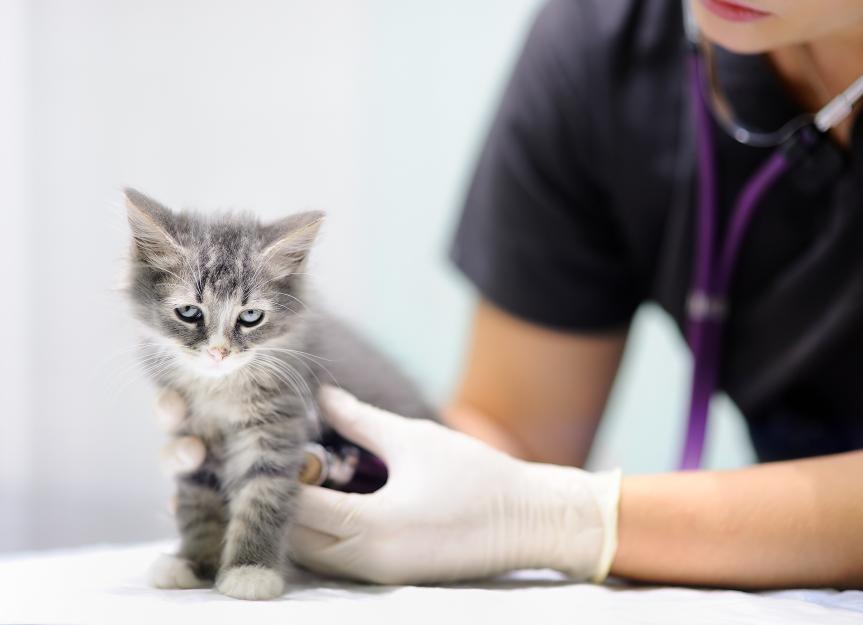
Credit: www.petmd.com
Health Risks Of Not Spaying
Female cats that are not spayed face several health risks. These risks can affect their quality of life and lead to serious medical problems. Understanding these dangers helps in making informed decisions about spaying.
Potential Medical Issues
Unspayed female cats are prone to uterine infections called pyometra. This condition can be life-threatening and often requires emergency surgery. They also have a higher chance of developing breast tumors. These tumors are usually malignant and grow faster in cats that go through multiple heat cycles. Repeated heat cycles also cause stress and discomfort for the cat.
Impact On Lifespan
Not spaying female cats can shorten their lifespan. Illnesses like pyometra and breast cancer reduce survival chances. Spayed cats generally live longer and healthier lives. Avoiding repeated heat cycles lowers the risk of stress-related health problems. Spaying contributes to a more stable and comfortable life for your cat.
Common Myths About Spaying
Spaying female cats often raises many questions, and along with them come common myths that can confuse pet owners. These myths can prevent cats from getting the care they need. Let’s clear up some of the most frequent misunderstandings about spaying to help you make an informed decision for your feline friend.
Misconceptions On Weight Gain
Many people believe that spaying will automatically make their cat gain weight. While it’s true that spayed cats may have a slightly slower metabolism, weight gain is mostly linked to diet and activity levels.
If you manage your cat’s food portions and encourage playtime, you can easily prevent unwanted pounds. Have you noticed how your cat’s appetite changes after surgery? Adjusting feeding habits can keep them fit and healthy.
False Beliefs About Personality Change
Some worry that spaying will change their cat’s personality or make them less affectionate. In reality, most cats remain just as playful and loving as before.
Spaying can actually reduce stress behaviors like yowling or spraying. Think about whether your cat’s behavior is truly a change or just a natural part of their growth. How would you feel if a simple procedure could calm your cat without dulling their spirit?
Ideal Age For Spaying
Deciding the right time to spay your female cat is key to her health and well-being. The ideal age for spaying balances the benefits of early surgery with considerations about her physical development. Understanding when to schedule this procedure helps you protect her from unwanted litters and health risks.
Recommended Age Range
Most veterinarians suggest spaying female cats between 5 and 6 months old. This timing usually comes before their first heat cycle, which reduces the chance of certain cancers and infections. However, some shelters perform early spaying as young as 8 weeks, especially for kittens that are ready for adoption.
If your cat is already older and hasn’t been spayed, it’s still beneficial to schedule the surgery. Cats can be safely spayed at any age, though younger cats tend to recover faster. Have you checked your cat’s health with your vet before deciding the timing?
Factors Influencing Timing
- Health Status:Cats with certain medical conditions may need a delay or special care before surgery.
- Weight and Size:Your cat should reach a healthy weight to handle anesthesia safely.
- Behavioral Signs:If she’s already in heat, your vet might recommend waiting until it passes to avoid complications.
- Environmental Risks:Outdoor cats exposed to other animals might need earlier spaying to prevent pregnancy.
From my own experience, my cat was spayed at 5 months, and she bounced back quickly, avoiding the stress of a heat cycle. Could waiting longer increase your cat’s risk of health issues or unwanted behaviors? Discuss your cat’s unique needs with your vet to find the best timing for her spay surgery.
Spaying Procedure Explained
Spaying is a common surgery for female cats. It removes the ovaries and uterus to stop them from having kittens. This procedure helps control the cat population and improves health. Understanding the spaying process can ease any worries. Here is a simple explanation of what happens before, during, and after the surgery.
Pre-surgery Preparations
Before the surgery, the cat must fast for several hours. This means no food or water to avoid problems during anesthesia. The vet will do a health check to ensure the cat is ready for surgery. Sometimes, blood tests are done to check organ function. The cat should be calm and rested before the procedure.
What Happens During Surgery
The cat is given anesthesia to sleep and feel no pain. The vet makes a small cut in the belly. Then, the ovaries and uterus are carefully removed. The vet closes the cut with stitches or glue. The whole surgery usually takes less than an hour. The cat wakes up in a warm, quiet space to recover.
Post-surgery Care
After surgery, the cat needs a calm place to rest. Monitor the incision for swelling or redness. Avoid letting the cat lick the wound by using a cone collar. Keep the cat indoors and limit activity for 10-14 days. Follow the vet’s advice on giving pain medicine and check-ups.
Cost Considerations
Thinking about spaying your female cat means considering the costs involved. It’s more than just the price tag; you want to ensure the procedure fits your budget without sacrificing your pet’s health.
Knowing the typical expenses and where you might find financial help can make the decision easier. Have you checked your local options yet?
Average Costs
The price to spay a female cat usually ranges between $100 and $300. This varies depending on your location and the clinic you choose.
Some clinics include pre-surgery blood work, anesthesia, and post-op care in their fee, while others charge extra for these services. Always ask what’s included so you’re not surprised later.
Keep in mind, spaying is a one-time expense that can prevent costly health problems, like infections or cancer, down the line.
Financial Assistance Options
If the cost feels high, don’t give up. Many communities offer low-cost spay/neuter programs to help pet owners.
- Local animal shelters often provide vouchers or discounts.
- Nonprofit organizations may sponsor surgeries for those who qualify.
- Some veterinary clinics run special promotions or payment plans.
Calling around or searching online for “low-cost spay programs near me” might reveal options you didn’t know existed. Would you be surprised how many resources are available once you start looking?
Alternatives To Spaying
Some cat owners seek alternatives to spaying their female cats. These options can temporarily prevent pregnancy without surgery. Understanding these methods helps make informed decisions for your cat’s health and lifestyle.
Temporary Contraceptives
Temporary contraceptives for female cats include hormone injections and pills. These treatments stop heat cycles and prevent pregnancy for a short time. They require regular visits to the vet for repeat doses. The effects wear off, so they are not permanent solutions.
Hormone injections work by blocking the hormones that trigger heat. Pills also regulate hormones but must be given daily. Both options help avoid surgery but need careful management and vet supervision.
Pros And Cons Of Alternatives
| Pros | Cons |
|---|---|
| Non-surgical, so less immediate risk | Require frequent vet visits and costs |
| Can be reversed if needed | Possible side effects like weight gain or mood changes |
| Allows natural hormone cycles to resume later | Not as effective as spaying in preventing diseases |
| Good for temporary family planning | Does not eliminate risk of reproductive cancers |

Credit: weareallaboutcats.com
Environmental And Ethical Implications
Spaying female cats carries significant environmental and ethical implications. These effects reach beyond the cat itself, influencing local ecosystems and animal welfare. Understanding these impacts helps make informed choices about pet care.
Impact On Wildlife
Unspayed cats often roam outside and hunt small animals. Birds, rodents, and reptiles face constant threats from these predators. This hunting can reduce local wildlife populations and disturb natural balances. Controlling the cat population through spaying helps protect native species. It lowers the number of feral cats that harm wildlife. This action supports healthier ecosystems and biodiversity.
Ethical Considerations
Spaying helps prevent unwanted litters of kittens. Many stray and feral cats struggle to find food and shelter. Without spaying, overpopulation can cause suffering due to neglect and illness. Responsible pet ownership means reducing this risk. Spaying female cats is a humane choice that limits animal suffering. It also reduces the burden on animal shelters, saving more lives. Choosing to spay reflects care for animals and the community.
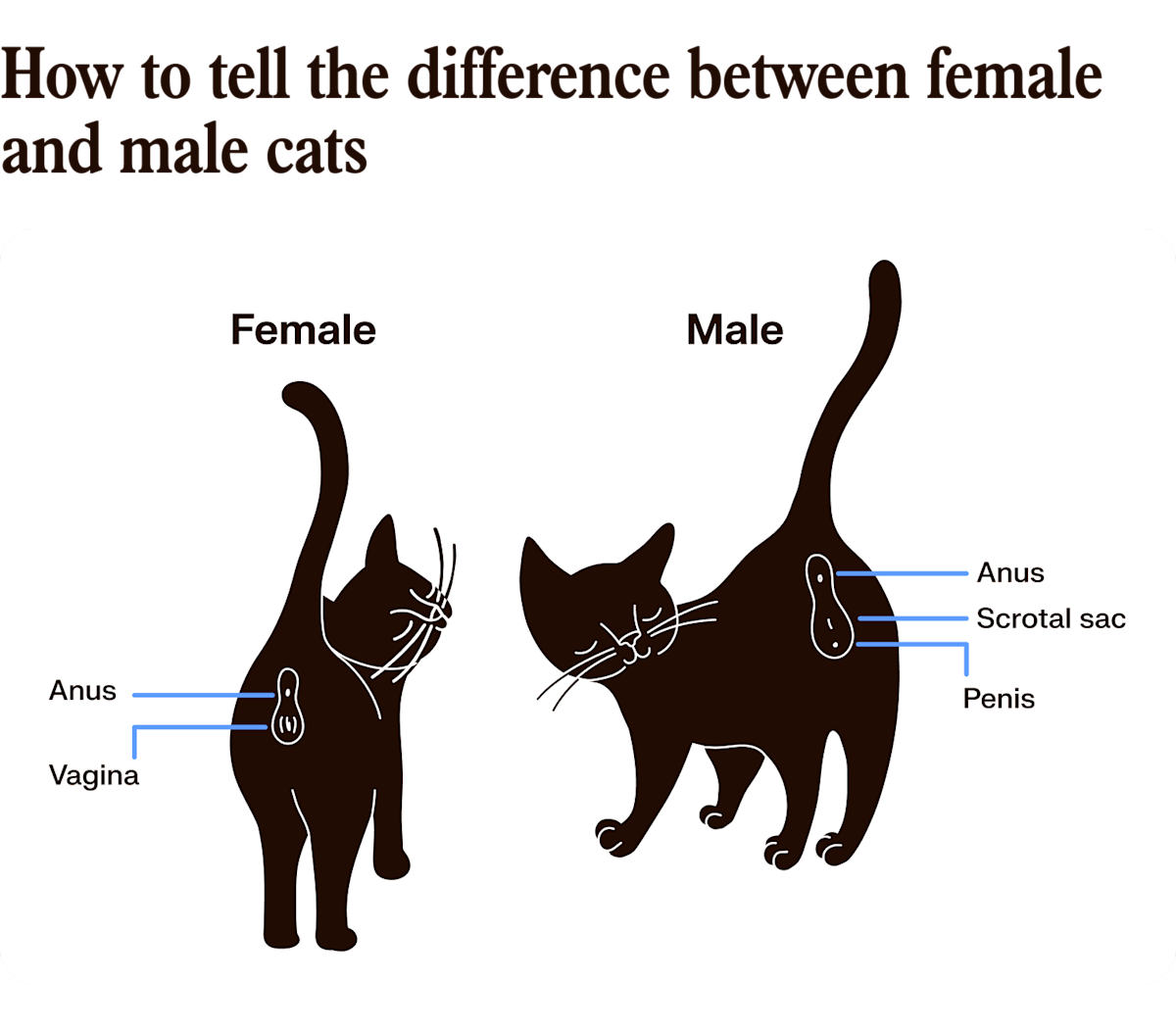
Credit: www.kinship.com
Frequently Asked Questions
Do Female Cats Need To Be Spayed?
Yes, spaying female cats prevents unwanted litters and reduces health risks. It controls population and avoids behavioral issues like yowling and spraying.
When Is The Best Age To Spay A Female Cat?
The ideal age to spay a female cat is between 5 to 6 months. Early spaying improves recovery and prevents early heat cycles and pregnancies.
What Health Benefits Does Spaying Offer Female Cats?
Spaying lowers risks of uterine infections and breast cancer. It also eliminates the chance of ovarian and uterine diseases, improving overall cat health.
Can Spaying Affect My Female Cat’s Behavior?
Spaying usually calms female cats by stopping heat cycles. It reduces roaming, yowling, and aggression, making cats more affectionate and less stressed.
Conclusion
Spaying female cats helps keep them healthy and calm. It stops unwanted litters and lowers the risk of certain diseases. Spayed cats often live longer, happier lives. The surgery is safe and common among veterinarians. Taking this step shows care and responsibility for your pet.
Think about spaying to protect your cat’s future. It benefits both your cat and your home. A small choice with big rewards.
