

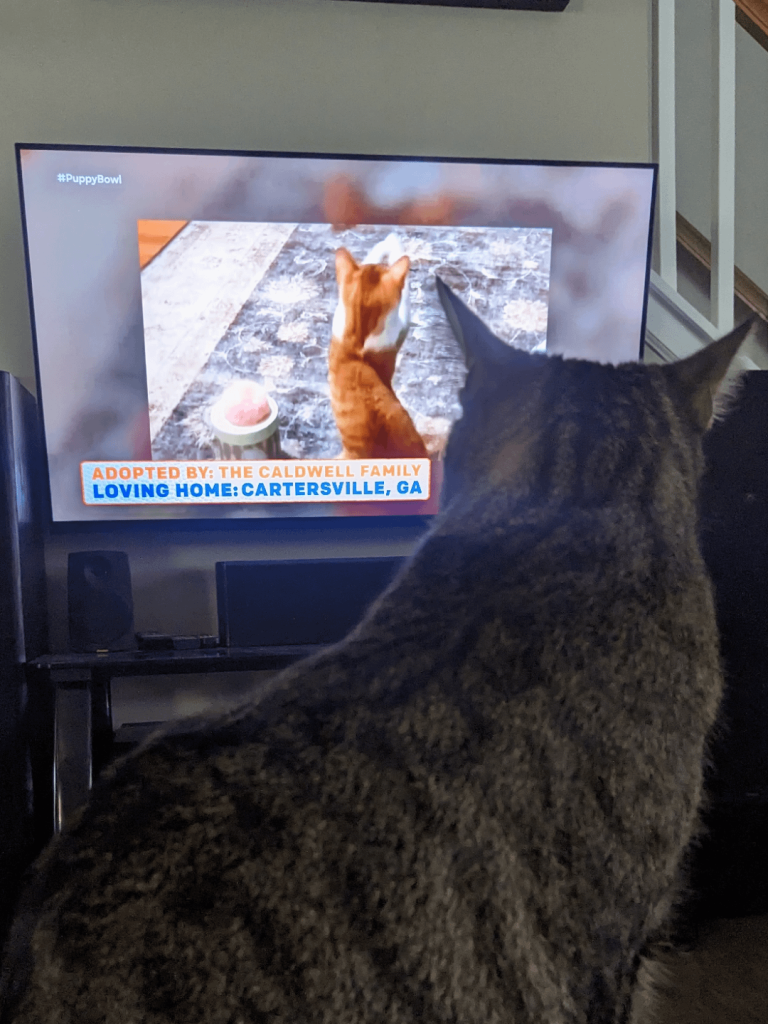
Have you ever caught your cat staring intently at the TV screen and wondered, “Do cats actually watch TV?” It’s a curious sight—your furry friend fixated on moving images, seemingly captivated by what’s happening. But what’s really going on in their mind?
Understanding this can change the way you interact with your pet and even help keep them entertained. Keep reading to discover the surprising truth about your cat’s TV habits and how you can make screen time more engaging for them.
Credit: www.lemon8-app.com
Cats And Screens
Have you ever caught your cat gazing intently at the TV or your laptop screen? It’s a curious sight that makes you wonder what is so captivating for them. Cats, with their mysterious allure, have a unique way of interacting with the world, and screens are no exception. Their interest in screens might not be rooted in following the plot of your favorite show, but there’s definitely something that catches their eye.
How Cats See Images
Cats don’t see the world exactly like humans do, and that extends to how they view images on screens. Their eyes are designed to detect movement, which is why a fast-moving scene on a TV might grab their attention. Unlike us, cats have better peripheral vision and night vision, but they don’t perceive as much detail.
If your cat seems fixated on the TV, it’s likely not because they understand the storyline. Instead, they may be reacting to the rapid changes in light and motion that their eyes are specifically attuned to detect. This sensitivity makes them excellent hunters in the wild, and possibly, avid screen watchers at home.
Colors And Movements That Attract Cats
Colors and movement play a big role in what appeals to cats on screens. While cats see fewer colors than humans, they can still detect some shades like blues and greens. This limited color perception means that bright, contrasting visuals stand out more to them.
In addition to colors, quick movements can be particularly engaging for cats. A bird darting across the screen or a bouncing ball might mimic the motion of prey, sparking their instinctual interest. Next time you notice your feline friend glued to the TV, consider what’s happening on screen—perhaps it’s the colors or rapid movements that have captivated their attention.
Have you noticed your cat’s eyes widening at certain images or scenes? Watching their reactions can be a fun way to understand their preferences. Maybe it’s time to curate a special playlist just for your cat!

Credit: www.youtube.com
Why Cats Watch Tv
Cats often seem to watch TV with great focus. Their interest is not random. It links deeply to their natural instincts and curiosity. Understanding why cats watch TV helps us see their behavior better. It can also improve the way we interact with them during screen time.
Hunting Instincts Triggered By Tv
TV shows often display moving objects and animals. These visuals can trigger a cat’s hunting instincts. Quick movements on the screen catch their eye. They may try to stalk or pounce on these images.
Fast changes in light and shape mimic prey behavior. This makes the screen a stimulating hunting ground. Even though the animals on screen are not real, the cat’s brain reacts as if they are. This explains why cats sometimes paw at or chase the TV.
Entertainment Or Curiosity?
Cats may watch TV out of simple curiosity. New sounds and images attract their attention. TV offers a changing scene that keeps them engaged. They explore the unfamiliar sights and noises.
TV can also serve as entertainment for indoor cats. It breaks the monotony of a quiet room. Bright colors and sounds create mental stimulation. This helps reduce boredom and stress in cats.
Some cats enjoy the social aspect too. They watch TV alongside their owners. This shared activity can strengthen bonds and provide comfort.
Types Of Shows Cats Prefer
Understanding the types of shows cats prefer can help you choose content that truly captures their attention. Cats don’t watch TV the way humans do—they focus on movement, sounds, and images that mimic real-life stimuli. You might notice your cat suddenly perk up or swat at the screen during certain scenes, revealing what kind of visual entertainment they enjoy most.
Nature And Animal Videos
Videos featuring birds, fish, or small animals often grab a cat’s interest. The natural sounds and movements trigger their hunting instincts. If you play a video of chirping birds fluttering across the screen, your cat might sit, watch intently, or even try to catch the images.
Many cat owners have found that their pets prefer nature channels or specially made videos for cats. These often include slow-moving animals with sounds that cats recognize. Have you noticed your cat reacting differently to videos with real animal sounds versus just music or human voices?
Fast-moving Scenes
Cats are drawn to quick, unpredictable movements. Scenes with rapid jumping, darting, or zooming objects keep them engaged. Your cat’s eyes will follow every flicker, showing their excitement and curiosity.
Try playing videos with fast-moving toys or insects. You might see your cat’s tail twitch or their ears pivot as they track the action. What happens if you pause or slow down these scenes? Does your cat lose interest or stay focused?
Signs Your Cat Is Engaged
Not all cats react the same to TV, but some show clear signs of interest. Recognizing these signs helps you know if your cat enjoys screen time. Cats often communicate their attention through subtle body movements and behaviors.
Body Language To Watch For
- Eyes wide open, fixed on the screen
- Ears pointed forward or twitching
- Whiskers pushed slightly forward
- Tail gently flicking or twitching
- Head tilting toward moving images
- Relaxed but alert posture
These signs show your cat is curious and focused. A cat that looks away or falls asleep likely isn’t engaged.
Common Reactions During Tv Time
- Pawing or gently tapping the screen
- Chasing or tracking moving objects on screen
- Quiet meows or chirps in response to sounds
- Sudden bursts of excitement or playful behavior
- Sniffing near the screen or TV area
These reactions suggest your cat finds the TV stimulating. Each cat reacts differently, so observe what your pet does most.
Benefits Of Tv For Cats
Watching TV can actually offer some interesting benefits for your cat. While it’s easy to think of TV as just background noise, many cats find it engaging and even comforting. Let’s look at how TV can support your cat’s mental health and keep them entertained during quiet times.
Mental Stimulation
Cats are natural hunters, and their brains crave challenges. TV shows featuring birds, fish, or small animals can catch their attention and keep their minds active.
When my cat watches videos of birds fluttering on screen, she often perks up and follows the movement closely. This kind of stimulation helps prevent her from feeling restless.
Do you notice your cat’s eyes tracking movement or ears twitching when the TV is on? That’s a sign they are mentally engaged and processing the visual activity.
Reducing Boredom
Long periods alone or without play can lead to boredom, which sometimes causes destructive behavior in cats. TV offers a safe way to distract and entertain them.
Playing nature documentaries or programs designed for cats can fill quiet hours and keep your pet from feeling lonely.
Consider scheduling TV time during the day when you’re busy or away. It’s a simple trick that can make a big difference in your cat’s mood and behavior.

Credit: www.reddit.com
Potential Downsides
Watching TV might seem fun for cats, but it also has some downsides. It is important to think about their health and well-being. Cats are different from humans, and screen time might affect them in unique ways. Here are some potential problems to keep in mind.
Screen Time And Eye Health
Long exposure to screens can strain a cat’s eyes. The flickering images and bright lights may cause discomfort. Unlike humans, cats do not blink as often, which can dry their eyes out. This might lead to irritation or even vision problems over time. Watch your cat’s behavior for signs of eye stress, such as rubbing or squinting.
Possible Overstimulation
TV images move fast and show loud sounds. This can confuse or scare cats. Overstimulation may lead to stress or anxiety. Some cats might become restless or try to chase the images. This behavior can cause frustration or injuries. Keep TV time short and observe your cat’s reaction carefully.
Tips For Safe Tv Viewing
Watching TV can be a curious experience for your cat, but ensuring their safety and well-being during screen time is essential. Paying attention to what they watch and how long they watch can protect their eyesight and prevent overstimulation. Here are some practical tips to help you create a safe TV viewing environment for your feline friend.
Choosing The Right Content
Not all TV shows or videos are suitable for cats. Choose programs that feature slow-moving animals or nature scenes with natural sounds. Sudden loud noises or fast, flashing images may scare or confuse your cat.
Try videos specifically designed for cats, showing birds, fish, or small animals at a calm pace. You’ll notice your cat stays engaged longer and seems more relaxed. Have you ever seen your cat react differently to a calm nature video versus a fast-paced action scene?
Setting Time Limits
Just like humans, cats need breaks from screen time. Limit their TV watching sessions to about 10-15 minutes to prevent eye strain and restlessness. Overexposure might make them anxious or overly excited.
Observe your cat’s behavior after watching—if they seem stressed or overly stimulated, it’s time to switch off. Use timers or alarms to remind yourself to pause the TV and encourage your cat to engage in other activities like play or rest.
Alternatives To Tv For Cats
Cats need stimulation beyond just watching TV. They thrive with activities that engage their senses and natural instincts. Providing alternatives helps keep them active and happy. These options offer mental and physical exercise, which is essential for their health.
Interactive Toys
Interactive toys encourage cats to hunt and play. Toys like feather wands, laser pointers, and puzzle feeders work well. They challenge cats to think and move. This keeps cats entertained for longer periods. Toys with different textures and sounds can also spark curiosity.
Outdoor Views And Play
Windows with a clear view offer a natural show for cats. Watching birds, squirrels, or leaves in the wind keeps them interested. A safe outdoor space or catio allows cats to explore fresh air. Outdoor playtime helps reduce stress and boredom. It also gives cats exercise and new smells to enjoy.
Frequently Asked Questions
Do Cats Really Watch Tv Like Humans?
Cats do watch TV but differently than humans. They respond to movement and colors, not complex images or stories. Their eyes catch fast motions, making certain shows or videos appealing to them. However, they don’t understand the content like humans do.
What Types Of Tv Shows Attract Cats Most?
Cats prefer shows with fast-moving animals or birds. Nature documentaries, especially those with birds, fish, or small animals, grab their attention. Bright colors and quick movements stimulate their hunting instincts, making these shows more engaging for them.
Can Tv Harm A Cat’s Eyesight Or Behavior?
Watching TV in moderation does not harm cats’ eyesight. However, excessive screen time might cause overstimulation or stress. It’s important to balance screen time with physical play and mental stimulation for a healthy cat.
How Can I Make Tv More Interesting For My Cat?
Use videos designed for cats featuring birds, mice, or fish. Keep the volume low and observe your cat’s reactions. Interactive play alongside TV time can enhance engagement and prevent boredom.
Conclusion
Cats do seem to watch TV sometimes. They notice moving images and sounds on the screen. Not all cats react the same way. Some get curious, others ignore it. Watching TV might help keep cats entertained. It can also give them new sights and sounds.
Still, real play and attention matter most. Try different shows to see what your cat likes. Enjoy watching with your furry friend. It’s a simple way to share quiet moments together.
