


Have you ever wondered if your cat’s teeth need a good brushing? You might think that cats naturally keep their teeth clean, but the truth could surprise you.
Just like people, cats can face dental problems that cause pain and health issues if ignored. Taking care of your cat’s teeth isn’t as hard as you might think, and doing so can help your furry friend stay happy and healthy for years to come.
Keep reading to find out why brushing your cat’s teeth matters and how you can easily make it part of your routine.
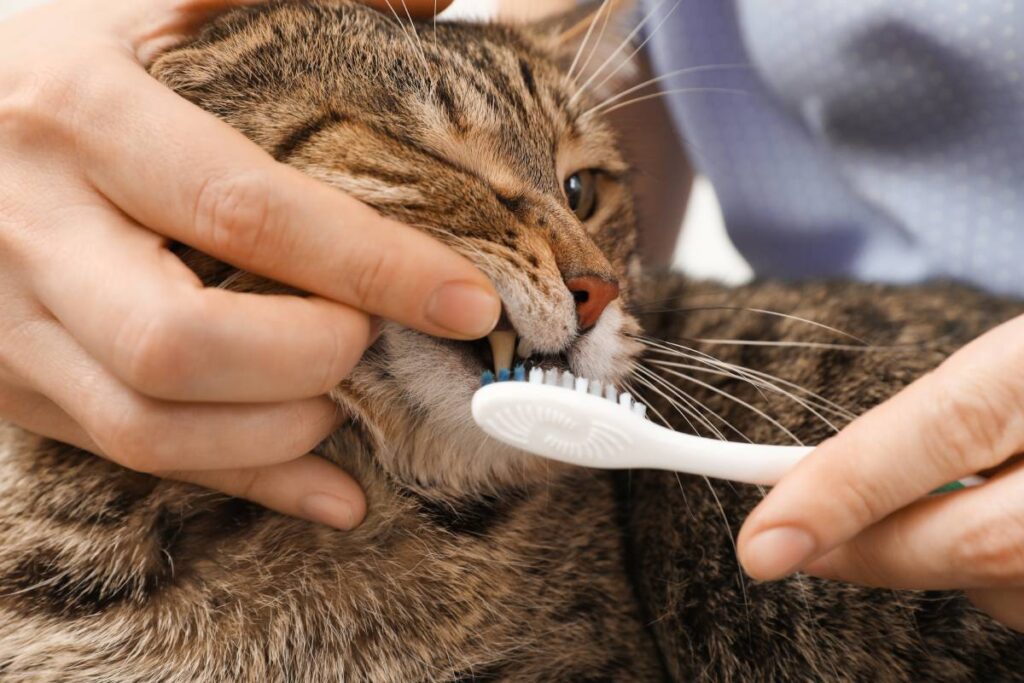
Credit: weareallaboutcats.com
Importance Of Dental Hygiene For Cats
Taking care of your cat’s teeth is more important than many pet owners realize. Good dental hygiene can prevent painful problems and improve your cat’s overall health. You might not notice early signs of dental issues, but they can seriously affect your pet’s quality of life.
How Poor Dental Health Affects Cats
Dental problems can cause bad breath, difficulty eating, and even infections that spread to other organs. Cats often hide pain well, so you may not see them struggle until the issue is advanced.
Ignoring dental hygiene can lead to tartar buildup, gum disease, and tooth loss. These conditions make your cat uncomfortable and may require costly vet visits.
Benefits Of Regular Teeth Brushing
Brushing your cat’s teeth helps remove plaque before it hardens into tartar. This simple habit reduces the risk of gum disease and keeps your cat’s mouth healthy.
You might wonder if your cat will tolerate brushing. Many cats get used to it with patience and gentle care, making it a worthwhile routine.
Signs Your Cat Needs Dental Care
- Bad breath that doesn’t improve
- Red or swollen gums
- Drooling or pawing at the mouth
- Reluctance to eat hard food
If you notice any of these, it’s time to check your cat’s teeth closely or visit a vet.
Simple Tips To Start Brushing
- Use a pet-safe toothpaste with a flavor your cat likes
- Start slowly by letting your cat lick the toothpaste first
- Use a soft-bristled brush designed for cats
- Keep sessions short and positive with treats or praise
Have you tried brushing your cat’s teeth? What challenges did you face? Sharing your experience can help others start this important routine.
:strip_icc()/brush-your-cats-teeth-4778262-hero-9b2c8ee454904454a195642ceaa5454e.jpg)
Credit: www.thesprucepets.com
Signs Of Dental Issues In Cats
Cats can hide pain well, especially dental pain. Noticing signs of dental issues early helps keep your cat healthy. Watch for changes in behavior or eating habits. These signs often point to discomfort in their mouth.
Bad Breath
Bad breath in cats is a common sign of dental problems. It may smell foul or different than usual. This odor often means bacteria are growing in the mouth.
Drooling Or Pawing At Mouth
Excessive drooling can show your cat is in pain. Cats may also paw at their mouth or face. This behavior suggests something is bothering their teeth or gums.
Difficulty Eating Or Chewing
Your cat may eat less or drop food while chewing. They might avoid hard food or favor one side of the mouth. This change can indicate tooth pain or gum disease.
Red Or Swollen Gums
Look inside your cat’s mouth for red or swollen gums. Healthy gums are usually pink and firm. Swelling or bleeding gums often point to infection or inflammation.
Loose Or Missing Teeth
Loose teeth are a serious sign of dental disease. Missing teeth can also mean long-term dental issues. These problems require a vet’s attention immediately.
Benefits Of Brushing Cat’s Teeth
Brushing your cat’s teeth offers many health benefits. It helps keep their mouth clean and fresh. Regular brushing reduces plaque and tartar buildup. This prevents gum disease and tooth decay. Healthy teeth mean less pain and discomfort for your cat. It also helps avoid costly vet visits for dental problems.
Good dental care supports your cat’s overall health. Bacteria from the mouth can spread to other organs. Brushing lowers this risk, keeping your cat healthier for longer. It also improves their breath, making cuddles more pleasant.
Prevents Dental Diseases
Brushing removes food particles that cause plaque. Plaque hardens into tartar, leading to gum disease. Regular cleaning stops this process early. Healthy gums prevent tooth loss and infections.
Reduces Bad Breath
Bad breath comes from bacteria in the mouth. Brushing cuts down bacteria and food debris. Fresh breath helps you enjoy your cat’s company more.
Improves Overall Health
Oral bacteria can enter the bloodstream. This may harm the heart, kidneys, and liver. Brushing lowers bacteria levels and health risks. Your cat stays healthier with good dental care.
Saves Money On Vet Bills
Dental problems often need expensive treatments. Preventive brushing cuts the chance of problems. It saves money on cleanings and surgeries later.
Strengthens Bond With Your Cat
Brushing can be a bonding time. Gentle care builds trust and comfort. Your cat learns to accept grooming better.
Choosing The Right Tools For Cat Dental Care
Choosing the right tools for your cat’s dental care can make a big difference in how easily you keep their teeth clean. The right toothbrush and toothpaste not only protect your cat’s oral health but also help reduce stress during brushing. Let’s look at what options work best for your feline friend.
Types Of Toothbrushes
There are several toothbrush types designed specifically for cats. Some have ultra-soft bristles to gently clean your cat’s sensitive gums and teeth. Others come as finger brushes, which fit over your finger and give you better control during brushing.
Finger brushes can be less intimidating for cats since they feel more like petting than a foreign object. However, if your cat tolerates it, a small-headed regular toothbrush with soft bristles can reach all teeth more effectively. You might want to try different types to see which one your cat accepts best.
Cat-safe Toothpaste Options
Never use human toothpaste on cats; it contains ingredients that can harm them if swallowed. Instead, choose toothpaste formulated specifically for cats. These come in flavors like poultry or fish, which can make brushing more pleasant.
Many cat toothpastes contain enzymes that help break down plaque naturally. You can also find toothpaste without fluoride, which is safer for cats. Have you noticed how your cat reacts to different flavors? This can guide you in picking a toothpaste that makes the process smoother for both of you.
Step-by-step Guide To Brushing Cat’s Teeth
Brushing your cat’s teeth might seem daunting, but it’s a crucial part of keeping them healthy. This step-by-step guide will walk you through how to make the process smoother for both you and your feline friend. With patience and the right approach, you can turn tooth brushing into a manageable daily habit.
Preparing Your Cat
Start by choosing a quiet and comfortable spot where your cat feels safe. Let your cat sniff and lick the toothbrush and toothpaste—this helps them get used to the new tools.
Try gently touching your cat’s mouth and teeth with your finger before introducing the brush. This builds trust and gets them ready for the real thing.
Brushing Techniques
Use a soft-bristled toothbrush designed for cats or a finger brush for better control. Apply a small amount of cat-safe toothpaste—never use human toothpaste as it can be harmful.
Brush in small circular motions, focusing on the outer surfaces of the teeth where plaque builds up most. Keep sessions short and positive to avoid overwhelming your cat.
Handling Resistance
If your cat resists, don’t force it. Pause and try again later, maybe after some playtime or treats to ease tension.
Try breaking the brushing into small steps over several days. Reward your cat with praise or their favorite snack after each attempt to create positive associations.
Have you noticed how your cat reacts when you try to brush their teeth? Adjusting your approach based on their behavior can make all the difference.
Alternatives To Brushing
Brushing your cat’s teeth is ideal for dental health. Yet, many cats resist this routine. Alternatives to brushing can help maintain clean teeth and fresh breath. These options support oral hygiene and reduce plaque build-up.
Dental Treats
Dental treats help clean your cat’s teeth while they chew. They have textures that scrape away plaque gently. Many treats contain ingredients to fight bad breath. Choose treats made specifically for dental health. Always check the calorie content to avoid weight gain.
Specialized Diets
Special cat foods help reduce tartar and plaque. They use larger kibble or special shapes to clean teeth. Some diets contain enzymes that fight bacteria. Feeding these diets regularly supports oral health. Consult your vet for the best choice for your cat.
Professional Cleanings
Veterinary dental cleanings remove plaque and tartar thoroughly. These cleanings happen under anesthesia for safety. They check for dental problems your cat may have. Regular professional cleanings keep your cat’s mouth healthy. Your vet can recommend how often to schedule them.
Preventive Measures For Cat Dental Health
Taking care of your cat’s teeth goes beyond brushing. It involves regular habits and checks to keep their mouth healthy. Preventive measures reduce the risk of pain and costly treatments. Simple steps help maintain fresh breath and strong teeth.
Regular Vet Check-ups
Visit the vet often to spot dental problems early. Vets can clean teeth professionally and check for signs of disease. Early treatment stops problems from getting worse. During check-ups, the vet looks for plaque, tartar, and gum inflammation. These visits keep your cat comfortable and healthy.
Monitoring Diet And Habits
Feed your cat a balanced diet that supports dental health. Some foods help reduce plaque buildup and strengthen teeth. Avoid giving sugary treats or sticky foods that cause decay. Watch your cat’s chewing habits for any signs of pain. Provide dental toys or treats designed to clean teeth. These small changes protect your cat’s mouth every day.
Common Myths About Cat Dental Care
Many cat owners hesitate to brush their cat’s teeth because of common myths about cat dental care. These misunderstandings can lead to neglecting your cat’s oral health, which affects their overall well-being. Let’s clear up some of these myths so you can make informed decisions for your furry friend.
Myth: Cats Don’t Need Their Teeth Brushed
Some people believe that cats naturally clean their teeth by chewing on toys or food. While chewing can help reduce some plaque, it doesn’t replace brushing. Without regular brushing, plaque builds up and turns into tartar, causing painful dental issues.
I once thought my cat’s dry food was enough to keep her teeth clean until a vet visit showed significant dental disease. That was a wake-up call to start brushing her teeth regularly.
Myth: Brushing Stresses Cats Out Too Much
Many fear that brushing will upset their cats. The truth is, most cats can get used to gentle brushing if introduced slowly and with patience. Start with short sessions and reward your cat with treats to create a positive experience.
Think about how you introduce new activities to your cat—brushing is no different. Could a few minutes of calm brushing improve your cat’s health without causing stress?
Myth: Only Older Cats Need Dental Care
Some believe that only senior cats develop dental problems. Dental issues can start as early as one year old. Regular care from a young age prevents pain and costly vet visits later on.
One of my cats had early signs of gum disease at just two years old, which brushing helped control before it worsened. Would you wait for a problem or act before it starts?
Myth: Dental Treats And Toys Are Enough
Dental treats and toys can support oral health, but they don’t replace brushing. These products usually reduce plaque only partially and don’t clean below the gum line. Brushing reaches areas that treats and toys can’t.
Relying solely on dental treats might give a false sense of security. Are you sure your cat’s teeth are truly clean without brushing?

Credit: www.yahoo.com
Frequently Asked Questions
Do Cats Need Their Teeth Brushed Regularly?
Yes, cats need regular teeth brushing to prevent plaque and tartar buildup. This helps avoid dental diseases and bad breath.
How Often Should I Brush My Cat’s Teeth?
Ideally, brush your cat’s teeth daily or at least three times a week. Consistency improves oral health and reduces dental issues.
Can I Use Human Toothpaste For My Cat’s Teeth?
No, human toothpaste is harmful to cats. Use toothpaste specifically made for cats to ensure safety and effectiveness.
What Are The Signs My Cat’s Teeth Need Brushing?
Look for bad breath, red gums, drooling, or difficulty eating. These signs indicate the need for dental care and brushing.
Conclusion
Cats need clean teeth to stay healthy and happy. Brushing helps stop bad breath and tooth pain. It also prevents serious dental problems later. Start slowly and be gentle with your cat. Use a soft brush made just for pets.
Regular brushing keeps their mouth fresh and strong. Healthy teeth mean a better life for your cat. Small daily efforts make a big difference. Keep your cat’s smile bright and clean.
