

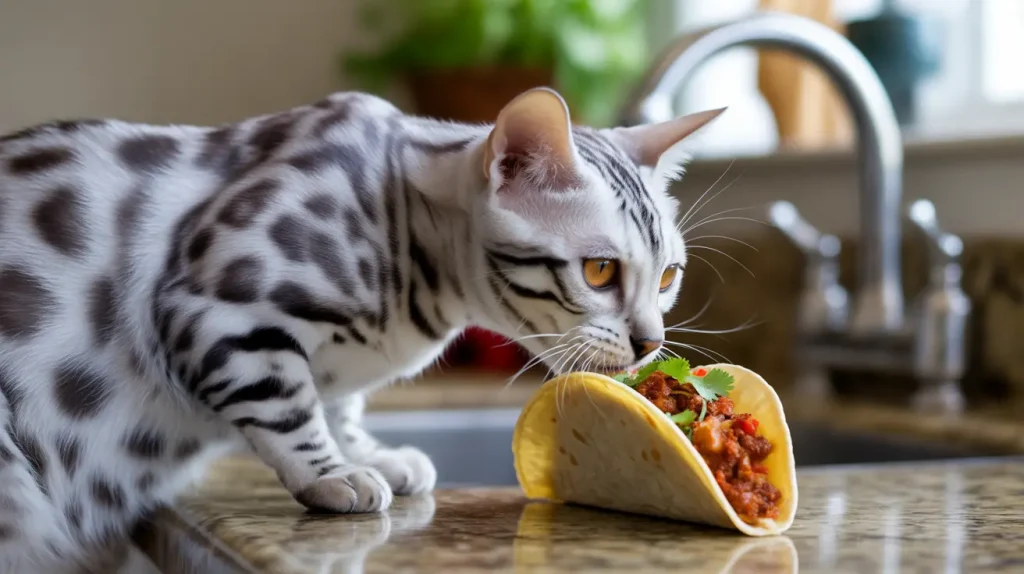
Have you ever wondered if your cat can handle spicy food? You might think that since you enjoy a bit of heat, your furry friend might too.
But what if spicy flavors affect cats differently? Understanding how your cat tastes spicy food can help you keep them safe and happy. Keep reading to uncover surprising facts about your cat’s taste buds and why spicy treats are a big no-no for them.
This knowledge could change the way you feed your pet forever.
Credit: www.petscare.com
Cat Taste Buds Basics
Understanding how cats experience taste helps you better grasp why they react differently to certain foods. Their taste buds are designed for survival, not variety, which shapes their food preferences. Let’s break down what makes a cat’s sense of taste unique compared to yours.
How Cats Taste Food
Cats have fewer taste buds than humans—around 470 compared to our 9,000. This means their sense of taste is less complex, focusing mainly on detecting proteins and fats essential for their diet.
Interestingly, cats lack taste receptors for sweetness. So, sugary treats that might tempt you don’t appeal to them at all. Instead, their taste buds are finely tuned to identify amino acids found in meat.
Have you ever noticed your cat ignoring a piece of fruit or a sugary snack? That’s because their tongues are built to seek out savory flavors, not sweet or spicy ones.
Differences Between Cats And Humans
Humans can detect five basic tastes: sweet, sour, salty, bitter, and umami. Cats, however, are indifferent to sweetness and have a limited response to salty flavors.
- Sour and Bitter:Cats are sensitive to these tastes, often avoiding foods that are too sour or bitter, which might signal spoilage or toxins.
- Umami:This savory taste is highly appealing to cats, aligning with their carnivorous nature.
Your spicy hot sauce might burn your tongue, but your cat won’t even register the heat because they lack receptors for capsaicin, the compound that makes food spicy. This explains why cats typically avoid spicy foods—not because they taste “hot,” but because those foods don’t match their nutritional needs or preferred flavors.

Credit: meoww.co
Spicy Food Components
Spicy food contains special components that create heat and strong flavors. These components interact with our taste buds and nerves. They give a burning or tingling feeling in the mouth. Understanding these spicy food components helps explain why cats react differently to spicy tastes.
What Makes Food Spicy
Spicy foods are spicy because of certain chemicals. These chemicals activate pain receptors in the mouth. They cause a warm or burning sensation. The most common compound is capsaicin. It comes from chili peppers. Other compounds include piperine from black pepper and allyl isothiocyanate from mustard.
These chemicals do not affect taste buds like sweet or sour flavors. Instead, they trigger nerve endings that sense heat or pain. This reaction tricks the brain into feeling heat without actual temperature change.
Common Spicy Ingredients
- Chili Peppers:Rich in capsaicin, found in jalapeños and habaneros.
- Black Pepper:Contains piperine, adds mild heat and sharpness.
- Mustard Seeds:Have allyl isothiocyanate, causing a sharp, pungent heat.
- Horseradish:Contains similar compounds to mustard, creates a nose-tingling effect.
- Ginger:Adds warmth and slight spiciness through gingerol.
Cats And Spicy Flavors
Cats and spicy flavors create an interesting conversation. Unlike humans, cats have a very different way of experiencing taste. Understanding how they react to spicy food can help you keep your feline friend safe and comfortable.
Do Cats Detect Spicy Compounds?
Cats do not have receptors for spicy compounds like capsaicin, the chemical that makes chili peppers hot. This means they can’t actually “taste” spiciness the way you do. Instead, their reaction to spicy food comes from how their body senses the heat or irritation.
Think about a time you accidentally touched something hot and felt discomfort. Cats feel something similar when exposed to spicy substances. Their mouths and skin can sense irritation, but their tongues don’t register spiciness as a flavor.
Why Cats Avoid Spicy Food
Even though cats can’t taste spiciness, they instinctively avoid spicy food because it causes discomfort. Their sensitive mouths and digestive systems react negatively to spicy compounds, leading them to steer clear.
If you’ve ever offered your cat a nibble of your spicy meal and seen them back away, you’ve witnessed this firsthand. They simply don’t want to experience the irritation and possible digestive upset.
- Spicy foods can cause mouth irritation and burning sensations.
- Their stomachs are not built to handle spicy ingredients.
- Avoiding spicy food is a natural way for cats to protect themselves.
Next time you’re eating something spicy, notice if your cat comes near or keeps a distance. Their behavior tells you a lot about their preferences and natural instincts.
Feline Flavor Preferences
Cats have unique taste preferences that differ significantly from humans. Understanding what flavors attract or repel them helps you choose the right food and avoid offering items that might upset their sensitive palates. Their flavor world is shaped more by smell and texture than by taste alone.
What Cats Usually Like To Eat
Cats are obligate carnivores, meaning they need meat to thrive. They naturally prefer protein-rich foods like chicken, fish, and beef. Unlike humans, cats lack taste receptors for sweetness, so sugary or fruity flavors hold no appeal.
Many cat owners notice their pets avoid spicy or heavily seasoned foods. This is because cats are sensitive to strong flavors and spices that can irritate their mouths or digestive systems. Have you ever seen your cat back away from a dish with chili powder or garlic? That reaction is a clear sign they find those flavors unpleasant.
How Smell Influences Cat Food Choices
Smell plays a huge role in what cats decide to eat. Their sense of smell is far stronger than ours, and it helps them detect freshness and flavor in food. If the aroma doesn’t appeal, cats might refuse to eat, even if the food is nutritious.
When I offered my cat a new brand of food, she sniffed it thoroughly before taking a bite. If the scent wasn’t right, she simply walked away. This shows how important smell is in guiding their eating habits. You can use this to your advantage by choosing foods with appealing natural aromas rather than strong artificial flavors.
Health Risks Of Spicy Food For Cats
Spicy food can harm cats in many ways. Their bodies are not built to handle spicy ingredients. Even small amounts can cause discomfort and serious health issues. Understanding these risks helps keep cats safe and healthy.
Potential Digestive Issues
Spicy foods can upset a cat’s stomach quickly. It may cause vomiting and diarrhea. Cats might refuse to eat after eating spicy food. Their digestive system is sensitive and reacts badly. Long-term exposure can lead to stomach pain and ulcers.
Toxic Ingredients To Avoid
Many spicy foods contain toxic ingredients for cats. Garlic and onions are common in spicy dishes. These can damage a cat’s red blood cells. Chili peppers contain capsaicin, which irritates the mouth and stomach. Avoid foods with these ingredients completely.

Credit: www.youtube.com
Safe Treat Alternatives
Choosing safe treat alternatives for your cat is essential to keep them happy and healthy. Cats don’t handle spicy food well, so offering them safe, tasty options is a great way to show you care. Let’s look at some flavors and homemade ideas that your feline friend will love without risking their health.
Cat-friendly Flavors
Cats are naturally drawn to meaty and fishy tastes. You can safely offer small amounts of cooked chicken, turkey, or salmon as treats. These flavors satisfy their carnivorous cravings without any added spices or seasoning.
Have you ever noticed your cat’s reaction to fresh catnip? It’s a safe and enjoyable flavor that many cats adore. You can also try freeze-dried liver treats, which are not only delicious but packed with nutrients.
Homemade Treat Ideas
Making treats at home lets you control what goes into your cat’s snacks. Try baking simple meat bites using lean ground chicken or turkey—just shape small balls, bake, and cool. Your cat will appreciate the fresh taste and you’ll appreciate knowing exactly what they’re eating.
Another idea is blending cooked fish with a bit of plain pumpkin puree and freezing the mixture in ice cube trays. These mini frozen treats can be a refreshing reward on warm days. Have you thought about experimenting with different textures? Cats can be picky, so testing what your cat prefers can be both fun and rewarding.
Frequently Asked Questions
Can Cats Taste Spicy Food Like Humans Do?
No, cats lack receptors for spicy flavors. They cannot sense capsaicin, the compound causing spiciness in foods. Their taste buds are different from humans, making spicy foods tasteless or unappealing to them.
Why Do Cats Avoid Spicy Food?
Cats avoid spicy foods because they find the smell and texture unpleasant. Their sensitive noses detect strong odors, which can be irritating. Additionally, spicy food may cause digestive discomfort, so cats instinctively stay away.
Is Spicy Food Harmful To Cats?
Yes, spicy food can harm cats. It may cause stomach upset, vomiting, or diarrhea. Capsaicin irritates their digestive tract. It’s best to keep spicy foods away from cats to ensure their health and comfort.
Do Cats Have Taste Buds For Spicy Flavors?
Cats do not have taste buds for spicy flavors. They have fewer taste buds than humans and cannot detect heat from spices. Their taste buds mainly sense meat flavors, aligning with their carnivorous diet.
Conclusion
Cats do not enjoy spicy food like humans do. Their taste buds react differently to spicy flavors. Feeding spicy food to cats can cause discomfort or health issues. It is best to stick to food made especially for cats. Always watch your pet’s reaction to new foods carefully.
Keeping your cat safe and healthy should be your top priority. Remember, simple and natural cat food works best. Avoid giving spicy treats to keep your cat happy. Safe feeding helps your cat live a long, healthy life.
