

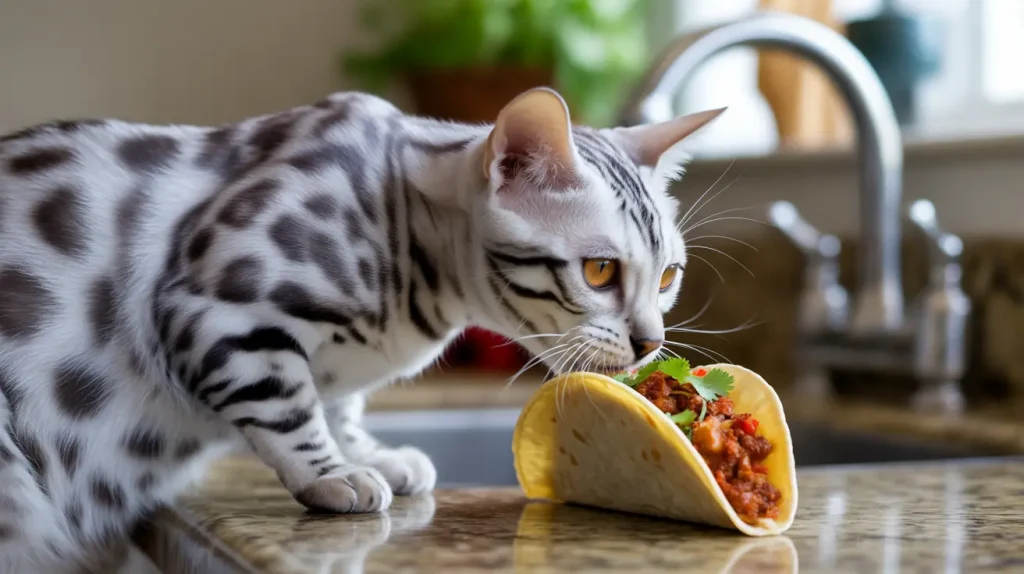
Have you ever wondered if your cat can actually taste spicy food the way you do? You might be curious about what happens when a little bit of spice accidentally ends up in their bowl.
Understanding how cats experience flavors, especially spicy ones, can help you keep your furry friend safe and happy. Keep reading to discover the surprising truth about cats and spicy food—and why it matters for your pet’s health.

Credit: www.youtube.com
Cats And Their Taste Buds
Cats experience taste differently than humans do, and understanding their taste buds helps explain why spicy food isn’t on their menu. Their unique taste system shapes their food preferences and reactions to various flavors, especially spicy ones.
How Cat Taste Buds Differ
Cats have far fewer taste buds than humans—about 470 compared to our 9,000. This limited number means their sense of taste is less varied and less sensitive to many flavors.
Interestingly, cats lack taste receptors for sweetness. Their taste buds are tuned more for detecting proteins and amino acids, which aligns with their carnivorous diet. This difference helps explain why sugary or spicy treats don’t appeal to them.
What Cats Can And Cannot Taste
Cats can detect bitter and sour flavors, which helps them avoid toxic plants or spoiled food. They also sense umami, the savory taste found in meat, which is a big part of their attraction to animal-based foods.
However, cats cannot taste capsaicin, the compound that makes chili peppers spicy. This doesn’t mean they enjoy spicy food; in fact, their sensitive noses and digestive systems often react negatively to these flavors.
Have you noticed your cat’s reaction when you eat something spicy? Their avoidance isn’t just preference—it’s a natural defense. Knowing this helps you choose safer, more enjoyable foods for your feline friend.
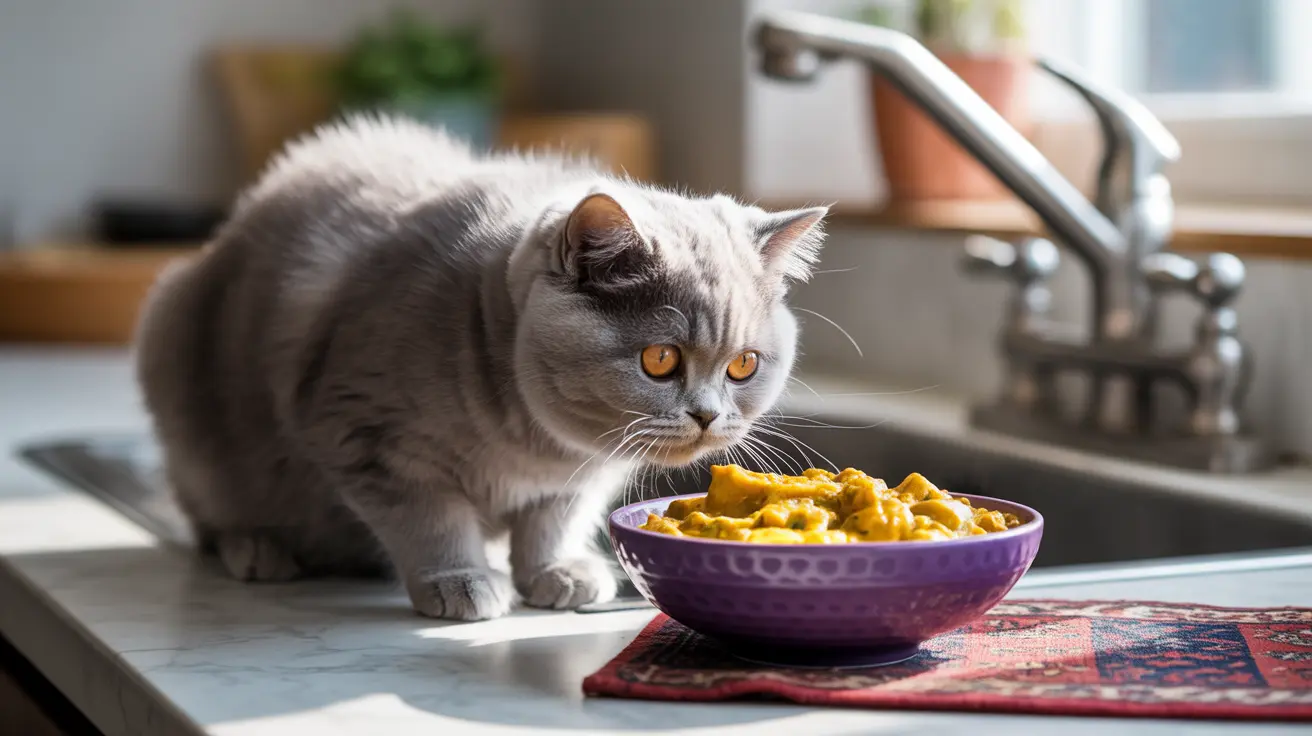
Credit: www.petscare.com
Spicy Food Components
Spicy foods contain certain ingredients that create a burning or hot sensation. These components affect taste buds and nerve endings. Understanding these ingredients helps explain if cats can sense spiciness.
Capsaicin And Its Effects
Capsaicin is the main chemical in chili peppers that causes heat. It binds to pain receptors in the mouth. This triggers a burning feeling, not a taste. Cats have fewer receptors for capsaicin. That means they feel less or no heat from spicy food. Capsaicin can irritate their mouth and digestive system. So spicy food is not good for cats.
Other Spicy Ingredients
Besides capsaicin, spices like black pepper and mustard also cause heat. Black pepper contains piperine, which creates a mild burning sensation. Mustard seeds contain compounds that release a sharp, pungent taste. These ingredients can irritate a cat’s sensitive mouth and stomach. Cats usually avoid foods with these spices. Their taste buds detect bitterness more than heat.
Do Cats Sense Spiciness?
Cats have very different taste buds than humans. They do not sense spiciness the way people do. Spiciness comes from a compound called capsaicin, which causes a burning feeling in the mouth. But cats react differently to this chemical. Understanding their response helps us know if they truly sense spiciness.
Why Capsaicin Doesn’t Affect Cats
Cats lack certain receptors that detect capsaicin. These receptors are called TRPV1 and are found in human mouths. They send signals of heat and pain when capsaicin is present. Cats’ TRPV1 receptors are less sensitive or function differently. This means they do not feel the burning sensation spicy foods cause in humans.
Because of this, cats do not avoid spicy food due to heat. Their bodies do not register the spicy heat as harmful or irritating. This unique trait explains why cats can eat some spicy foods without showing discomfort.
Behavioral Responses To Spicy Food
Cats do not seek out spicy food for flavor. Their taste buds respond mostly to meat flavors, not spicy or sweet tastes. When cats encounter spicy food, they may show curiosity or confusion.
- Some cats might sniff or lick the food briefly.
- Others may walk away without eating it.
- A few could show mild irritation if the food irritates their mouth or nose.
Overall, cats’ responses to spicy food are mild. They do not experience the burning pain humans do. This lack of sensation means cats do not truly sense spiciness in their food.
Health Risks Of Spicy Food For Cats
Spicy food might be tempting for you, but it poses real health risks to your cat. Cats have a very different digestive system and taste preferences, which makes spicy ingredients potentially harmful. Understanding these risks helps you protect your feline friend from unnecessary discomfort or danger.
Digestive Issues
Spicy foods can irritate your cat’s stomach lining, causing symptoms like vomiting and diarrhea. Cats lack the enzymes needed to break down spicy compounds, which can lead to indigestion and discomfort.
Even a small amount of spicy food can upset their delicate digestive balance. Have you ever noticed your cat avoiding food or licking their lips excessively after tasting something unusual? These could be signs of digestive distress caused by spicy ingredients.
Toxicity Concerns
Some spicy foods contain ingredients that are toxic to cats, such as onions, garlic, and certain peppers. These substances can cause serious health problems like anemia and damage to red blood cells.
It’s easy to overlook how common these ingredients are in many spicy dishes. If your cat accidentally ingests spicy food, watch for symptoms like weakness, pale gums, or rapid breathing, and seek veterinary help immediately.
Are you confident your kitchen is free from hidden dangers that could harm your cat? Taking simple precautions can save you from a stressful trip to the vet and keep your pet healthy.
Safe Treats For Cats
Finding safe treats for your cat can be tricky, especially when you want to share some of your food without causing harm. Cats have sensitive digestive systems, so not every human snack is suitable. Knowing which foods are safe lets you enjoy bonding moments without worry.
Best Foods To Share
You might be surprised by how many common foods cats can enjoy in small amounts. Plain cooked chicken or turkey is a favorite among many feline friends. These lean proteins provide a tasty treat without added spices or harmful ingredients.
Other safe options include small pieces of cooked fish like salmon or tuna. Just make sure these are free of seasoning and bones. You can also offer bits of cooked eggs, which are rich in nutrients and gentle on their stomachs.
Vegetables can be a nice change, too. Some cats enjoy tiny portions of cooked carrots or peas. These add fiber and variety without upsetting their digestion.
Foods To Avoid
It’s important to keep certain foods away from your cat, even if they seem harmless. Spicy foods, for example, can cause irritation and discomfort because cats lack the receptors to handle heat like humans do. Would you want to eat something that burns your mouth? Neither does your cat.
Avoid onions, garlic, and anything with added salt or seasoning. These can be toxic and cause serious health problems. Chocolate, caffeine, and alcohol are a definite no—they can be life-threatening.
Remember, dairy products often upset cats’ stomachs, even though many seem to love milk. Stick to water and vet-approved treats to keep your cat happy and healthy.
Tips For Feeding Cats
Feeding your cat the right foods is more than just offering meals; it’s about ensuring their health and happiness. Cats have delicate digestive systems and unique taste preferences. Giving them the right diet helps avoid health problems and keeps them energetic.
Introducing New Foods
Start by mixing a small amount of the new food with your cat’s regular meals. This gradual approach helps your cat get used to different flavors without stress. Sudden changes can upset their stomach or cause refusal to eat.
Try offering new foods at the same time of day when your cat is most hungry. This increases the chance they’ll try something different. If your cat shows curiosity, reward them with gentle praise or petting to create a positive experience.
Monitoring Cat Reactions
Watch closely for any changes in behavior after introducing new foods. Signs like vomiting, diarrhea, or refusal to eat indicate your cat may not tolerate the food well. Keep a food diary to track what your cat eats and their reactions.
Notice if your cat sniffs or licks the food before eating—that’s a good sign they’re interested. But if they walk away or seem irritated, it’s a signal to pause and try again later or choose another option. How often do you check your cat’s reaction before offering new treats?

Credit: meoww.co
Frequently Asked Questions
Can Cats Taste Spicy Food Like Humans Do?
Cats lack taste receptors for spicy flavors. They cannot detect capsaicin, the compound that makes food spicy. Their taste buds are more sensitive to amino acids and fats. So, cats do not experience spiciness as humans do.
Why Don’t Cats React To Spicy Food?
Cats do not have the receptor to sense spiciness. Capsaicin binds to a receptor humans have, causing heat sensation. Since cats lack this receptor, spicy food does not trigger the burning feeling. This is why they don’t react to spicy flavors.
Is Spicy Food Harmful To Cats?
Yes, spicy food can upset a cat’s digestive system. It may cause vomiting, diarrhea, or stomach pain. Cats have sensitive stomachs, so avoid feeding them spicy or seasoned foods. Stick to a balanced diet made for cats.
What Flavors Do Cats Prefer Over Spicy?
Cats prefer savory and meaty flavors like amino acids and fats. They are attracted to umami tastes found in meat and fish. Sweet and spicy flavors do not appeal to cats. Their taste buds are tuned to animal-based flavors.
Conclusion
Cats do not enjoy spicy food like humans do. Their taste buds are different and less sensitive to spicy flavors. Spicy food can upset a cat’s stomach and cause discomfort. It is best to offer your cat plain, safe food instead.
Always watch your pet’s reactions to new foods. Keeping cats away from spicy foods helps keep them healthy and happy. Remember, their diet should focus on what suits their body and taste. Safe choices make your cat feel good every day.
