


Have you ever wondered if your cat’s tail could actually fall off? It sounds strange, but many cat owners worry when they see their feline friend’s tail looking injured or limp.
Your cat’s tail is more than just a fluffy extension—it’s a vital part of how they communicate and keep their balance. Understanding what can happen to your cat’s tail, and how to care for it if something goes wrong, is essential for every cat owner.
Keep reading to discover the surprising facts and important signs you should never ignore about your cat’s tail.
Credit: thesheffieldcatsshelter.org
Cat Tail Anatomy
Your cat’s tail is more than just a fluffy extension—it’s a complex structure crucial for balance, communication, and expression. Understanding the anatomy of a cat’s tail helps clarify why it’s unlikely for a tail to simply fall off without serious injury or illness.
Structure Of A Cat’s Tail
A cat’s tail is made up of many small bones called vertebrae. Typically, there are between 18 and 23 of these tiny bones connected by joints, muscles, and ligaments. This design gives your cat remarkable flexibility and control over tail movements.
Muscles And Tendons
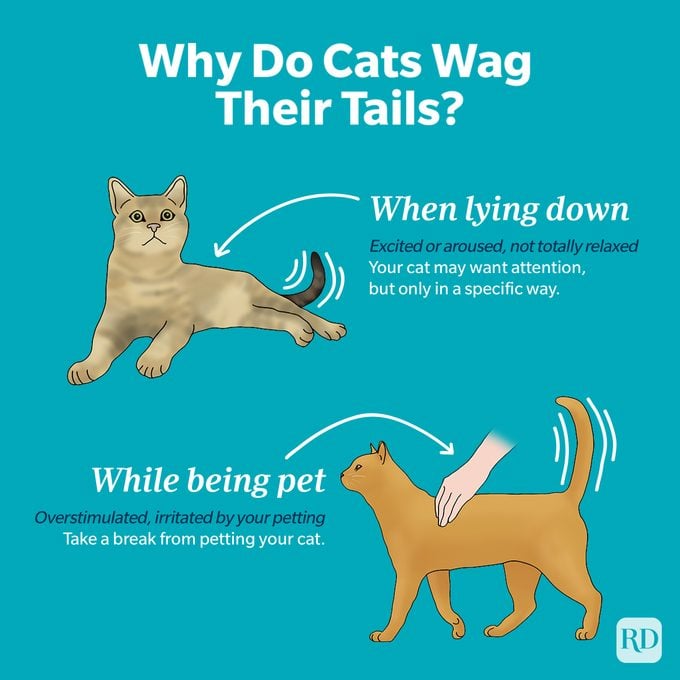
The tail contains several muscles that allow your cat to move it in different directions. These muscles work with tendons to help your cat express emotions, like excitement or irritation. Have you noticed how your cat’s tail flicks when it’s annoyed? That’s the muscles at work.
Nerves And Blood Supply
Inside the tail runs a network of nerves that send signals to and from the brain. These nerves control movement and sensation, making the tail sensitive to touch and injury. A healthy blood supply keeps the tissues nourished and supports quick healing if the tail gets hurt.
Fur And Skin
The outer layer of the tail is covered in fur and skin, protecting the delicate internal structures. Fur patterns can vary, often matching the rest of your cat’s coat. The skin is sensitive and can react if the tail is pulled or injured, which is why you might see your cat swat if you grab its tail unexpectedly.
Credit: www.rd.com
Common Tail Injuries
Cats use their tails for balance, communication, and movement. Tail injuries are common because the tail is long and fragile. Understanding these injuries helps cat owners provide better care. Tail injuries vary from minor cuts to serious fractures. Prompt attention can prevent complications and pain for your cat.
Fractures And Breaks
Tail fractures happen when a cat’s tail gets caught or hit hard. The bones in the tail can break or crack. Signs include swelling, pain, and difficulty moving the tail. A broken tail needs quick veterinary care. Without treatment, the tail may not heal properly or could fall off.
Nerve Damage
Nerve damage occurs if the tail is crushed or twisted. This can cause loss of feeling or movement in the tail. Cats might drag their tails or show no reaction when touched. Nerve damage may be permanent and affect the cat’s balance. Early diagnosis is important for any chance of recovery.
Abrasion And Cuts
Abrasions and cuts happen when the tail rubs against rough surfaces or gets scratched. These wounds can cause bleeding and infection if not cleaned. Small cuts heal fast, but deep wounds might need stitches. Keep the tail clean and watch for signs of swelling or pus. Proper care helps prevent infections and speeds healing.
Can Tails Fall Off?
Many cat owners wonder if a cat’s tail can actually fall off. The short answer is yes, but it’s not something that happens on its own or without cause. Understanding why and when a cat might lose its tail can help you care for your furry friend better and recognize when they need medical attention.
Conditions Leading To Loss
Tails don’t simply fall off like a loose leaf. Certain conditions or injuries must occur first. Common causes include:
- Trauma:Accidents like car injuries or getting caught in doors can severely damage a cat’s tail.
- Frostbite:Extreme cold can cause tissue death, leading to tail loss.
- Infections:Untreated infections or abscesses can damage tail tissue enough to require amputation.
- Congenital issues:Some cats are born with short or missing tails due to genetics.
Knowing these causes can help you prevent tail injuries and seek timely help if needed. Have you ever noticed your cat’s tail behaving oddly after an accident?
Signs Of Tail Loss
Recognizing early signs can save your cat from further pain. Watch for these clues:
- Swelling or bruising at the tail base
- Visible wounds or bleeding
- Excessive licking or biting of the tail
- Tail hanging limp or dragging
- Behavioral changes like hiding or reduced movement
If your cat shows any of these signs, a vet visit is crucial. Ignoring tail injuries can lead to infections or permanent damage. Your cat relies on its tail for balance and communication—losing it impacts more than just looks.
Preventing Tail Injuries
Cat tails are delicate and sensitive. Preventing tail injuries helps keep your cat happy and healthy. Simple care and attention protect their tails from harm. A safe environment and close watch reduce the chance of accidents.
Safe Home Environment
Create a space free from sharp or heavy objects. Avoid tight spaces where tails can get stuck. Use soft bedding and cozy resting spots. Check for loose wires or cords that cats might get caught in. Keep doors and windows secure to prevent accidental closing on tails.
Supervision Tips
Watch your cat during playtime to avoid rough handling. Use toys designed for cats, not small items they might swallow. Avoid picking up your cat by the tail. Notice changes in behavior that might show pain or discomfort. Regularly check your cat’s tail for cuts, swelling, or bruises.
When To See A Vet
Knowing when to see a vet about your cat’s tail is crucial for your pet’s health and comfort. While a cat’s tail rarely falls off on its own, injuries or infections can cause serious problems. Understanding the signs that need professional attention helps you act quickly and avoid complications.
Emergency Situations
If your cat’s tail has been caught in a door, hit by a car, or shows severe bleeding, you need to get to a vet immediately. A broken or crushed tail can cause intense pain and may require urgent treatment to prevent infection or permanent damage.
Watch for swelling, open wounds, or your cat constantly biting or licking its tail. These signs often point to serious issues that only a vet can properly diagnose and treat.
Regular Check-ups
Even if your cat’s tail looks fine, regular vet visits can catch hidden problems early. Some infections or nerve damage might not be obvious but can cause discomfort or mobility issues over time.
Use check-ups to ask your vet about any changes in your cat’s tail movement or appearance. This keeps your pet healthy and helps you spot subtle signs before they become emergencies.
Tail Care Tips
Proper tail care is important for your cat’s overall health. A well-maintained tail shows that your cat is comfortable and healthy. Regular care helps prevent injuries and infections. It also keeps the fur soft and shiny.
Grooming Advice
Brush your cat’s tail gently every few days. Use a soft brush to remove dirt and loose fur. Check for mats or tangles that can cause discomfort. Keep your cat calm during grooming to avoid stress. Trim any long fur near the tail base if needed. Avoid pulling on the fur or tail. Clean the tail area if you notice dirt or discharge. Use a damp cloth or pet-safe wipes. Never use harsh chemicals or human products on your cat’s tail.
Signs Of Healthy Tails
- Tail fur is smooth and shiny, without bald spots.
- Skin on the tail is free from redness or swelling.
- No signs of wounds, scabs, or infections.
- Cat holds the tail naturally, without drooping or twitching.
- Tail moves freely and does not cause pain.
- Cat grooms the tail regularly and does not lick it excessively.
Watch your cat’s tail daily for any changes. Early detection of problems can prevent serious issues. Healthy tails reflect a happy and active cat.

Credit: www.youtube.com
Frequently Asked Questions
Do Cats’ Tails Ever Fall Off Naturally?
No, cats’ tails do not fall off naturally. If a tail detaches, it results from severe injury or medical issues. Healthy cats keep their tails intact throughout life.
Can A Cat’s Tail Regenerate If Lost?
No, a cat’s tail cannot regenerate if lost. Unlike some animals, cats do not regrow lost tails. Veterinary care is essential after tail injuries.
What Causes A Cat’s Tail To Fall Off?
A cat’s tail may fall off due to trauma, infection, or frostbite. Severe injury or untreated infections can lead to tail loss. Immediate vet attention helps prevent tail loss.
Is Tail Amputation Common In Cats?
Tail amputation is rare but sometimes necessary. It occurs after severe injury or irreversible damage. Vets perform amputations to prevent infection and pain.
Conclusion
Cats’ tails do not just fall off on their own. Injuries or accidents can cause tail loss. Always watch your cat closely for any signs of pain or damage. Quick care helps prevent serious problems. A healthy tail helps cats balance and communicate.
Keep your cat safe and check its tail often. Understanding this helps you care better for your pet. Cats rely on their tails more than you might think. Stay alert and protect your furry friend’s tail.
