

Have you ever wondered if your cat sheds its claws like it does its fur? You might be surprised to learn what really happens with your feline’s nails.
Understanding this can help you care better for your furry friend and keep your home safe from unexpected scratches. Keep reading to discover the truth about cats and their claws—you’ll want to know this whether you’re a new cat owner or have been sharing your life with cats for years.
Credit: www.humaneworld.org
Claw Shedding Explained
Cats have sharp claws that grow continuously. They do not shed their claws like hair or skin.
Instead, cats shed the outer layer of their claws. This process helps keep their claws sharp and healthy.
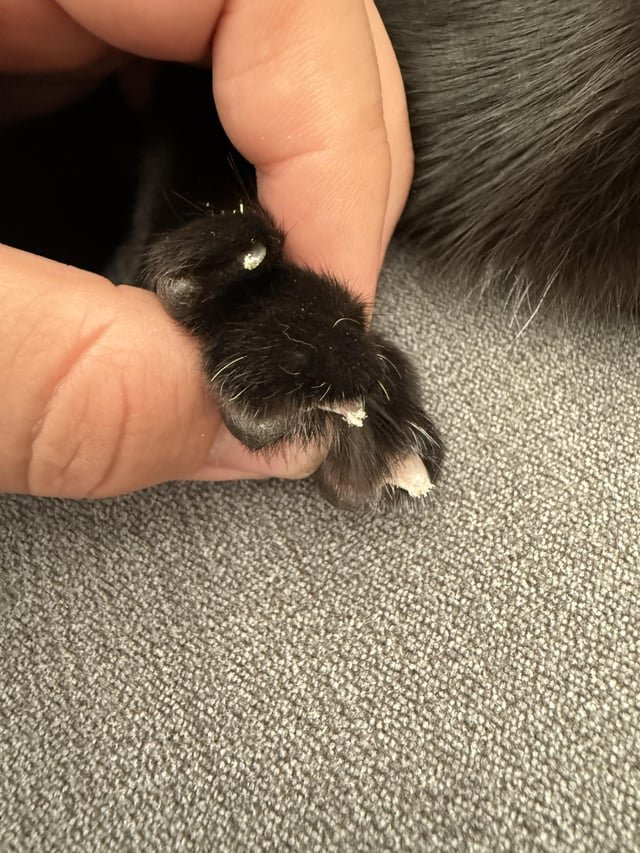
The outer sheath of the claw peels away naturally. This reveals a new, sharper claw underneath.
Shedding usually happens during scratching or claw use. It is a normal and healthy process for cats.
How Cat Claws Grow
Cat claws grow from the base inside the toe. New layers form under the old claw sheath.
The claw consists of keratin, a hard protein. This makes claws strong and flexible.
Growth is continuous, so claws need regular maintenance. Shedding the outer layer helps with this.
Signs Of Claw Shedding
- Small pieces of claw on the floor or furniture
- Visible peeling or flaking on the claw tips
- Scratching behavior increases
- Claws look sharper and cleaner after shedding
Why Shedding Is Important
Shedding removes old, dull claw layers. It prevents claws from becoming too long or damaged.
Healthy claws help cats climb, scratch, and defend themselves. Shedding keeps claws in good shape.
Without shedding, claws can become brittle or painful. This affects a cat’s comfort and mobility.
Natural Shedding Process
Cats do shed their claws, but not in the way you might expect. The natural shedding process is a subtle and ongoing part of how your feline friend maintains healthy paws. Understanding this process can help you care better for your cat’s claw health and know when to step in if something seems off.
Growth Cycle Of Claws
Cat claws grow continuously, just like your hair or nails. Each claw is covered by a protective outer layer called the sheath. As new claw material forms underneath, the outer layer gradually loosens and peels away.
This shedding happens naturally and regularly to keep the claws sharp and clean. You might notice bits of claw sheath around your cat’s scratching post or favorite furniture. This is a sign that the old claw layer has shed to make room for the new, healthy claw underneath.
Signs Of Shedding
How can you tell if your cat is shedding claws normally? Look for these signs:
- Small, translucent claw sheaths found near scratching spots
- Occasional scratching more than usual as your cat helps remove the old sheath
- Claws appearing sharper after the sheath has shed
If you see your cat struggling to shed a claw or if the claw looks swollen or discolored, it might be time to check with a vet. I once noticed my cat limping and found a stuck claw sheath causing discomfort. A quick vet visit solved the issue, showing how important it is to watch these subtle signs.
Do you pay attention to your cat’s claw care routine? Observing their natural shedding can give you clues about their overall paw health and comfort.
Factors Influencing Shedding
Shedding of claws in cats is influenced by several factors that affect their natural growth and replacement process. Understanding these factors can help you monitor your cat’s health better and recognize any unusual changes. Let’s look closely at how age, health, diet, and nutrition play key roles in this process.
Age And Health
As cats get older, their claws may shed differently compared to younger cats. Older cats might experience slower claw growth, which can affect how often their claws shed naturally.
Health conditions also impact claw shedding. If your cat has skin infections, fungal issues, or nutritional deficiencies, their claws might become brittle or shed irregularly. Have you noticed changes in your cat’s claw texture or shedding pattern? It might be time to check with a vet to rule out underlying issues.
Diet And Nutrition
Your cat’s diet directly influences the strength and health of their claws. Nutrients like protein, vitamins A and E, and minerals such as zinc are essential for healthy claw growth and shedding.
If a cat’s diet lacks these key nutrients, claws can become weak, break easily, or shed abnormally. Feeding your cat high-quality food rich in these nutrients helps maintain healthy claws. Think about what’s in your cat’s bowl—could a dietary upgrade improve their claw health?

Credit: www.reddit.com
Benefits Of Claw Shedding
Shedding claws might seem strange, but it offers real benefits for your cat’s well-being. This natural process helps maintain their claws’ condition and prevents future problems. Understanding these benefits can help you care better for your feline friend.
Healthier Claws
When cats shed the outer layer of their claws, they reveal a fresh, sharper claw beneath. This keeps their claws strong and less prone to cracking or breaking. You might notice your cat scratching more often—that’s their way of trimming away old claw material.
Have you ever seen your cat grooming their paws intensely? That’s a sign they’re maintaining healthy claws. It’s like a natural manicure, ensuring their claws don’t get damaged or infected.
Prevention Of Overgrowth
Claw shedding helps stop claws from becoming too long or sharp. Overgrown claws can make walking painful or cause injuries to your cat and even to you. Shedding removes old layers so claws don’t extend beyond a safe length.
If you’ve ever felt a scratch that went too deep, you understand why controlling claw length matters. Regular shedding reduces the need for you to cut your cat’s claws manually and lowers the risk of accidental scratches.
When Shedding Becomes A Concern
Cats naturally shed the outer layers of their claws as part of their grooming process. This shedding helps keep their claws sharp and healthy. Most cats shed their claws without any problems. But sometimes, shedding can signal a health issue. Knowing when shedding becomes a concern is important for every cat owner.
Excessive Shedding Indicators
Normal claw shedding involves small pieces of the outer claw falling off. Excessive shedding means large claw parts or whole claws detach. Watch for these signs:
- Frequent claw loss beyond normal shedding
- Visible damage or cracks on claws
- Swelling or redness near the claw base
- Bleeding from the claw area
- Changes in how the cat walks or uses its paws
Excessive shedding is not typical. It may cause discomfort or pain for the cat.
Potential Health Issues
Excessive claw shedding may point to underlying health problems. Common issues include:
| Health Issue | Description |
|---|---|
| Infections | Bacterial or fungal infections can weaken claws. |
| Injury | Trauma to the paw may cause claws to shed abnormally. |
| Nutritional Deficiency | Poor diet may affect claw strength and growth. |
| Parasites | Mites or fleas can irritate paws and claws. |
| Underlying Illness | Conditions like autoimmune diseases affect claw health. |
Early vet visits help diagnose and treat these problems. Healthy claws mean a happy cat.
Maintaining Cat Claw Health
Keeping your cat’s claws healthy is essential not just for their comfort but also for their overall well-being. Healthy claws help cats move easily, climb safely, and express their natural behaviors without pain or injury. Paying attention to claw health can prevent common problems like ingrown nails, infections, or damage to your furniture.
Regular Claw Checks
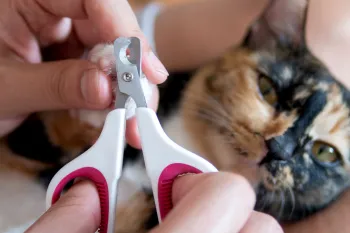
Make it a habit to check your cat’s claws weekly. Look for signs such as cracks, splits, or any unusual thickness. Healthy claws should be smooth and free from dirt or debris.
Gently press on your cat’s paw to extend the claws. This helps you see if they are too long or if the quick—the sensitive part inside the nail—is visible. Overgrown claws can cause discomfort and may even curl into the paw pads, leading to infections.
If you notice any redness, swelling, or bleeding, it’s best to consult your vet immediately. Have you ever felt unsure about trimming your cat’s claws? Observing them regularly builds your confidence and helps your cat stay comfortable.
Providing Scratching Posts
Scratching posts are not just toys; they are essential tools for claw maintenance. Cats naturally scratch to shed old nail layers and keep their claws sharp.
Offer a variety of scratching surfaces like sisal, cardboard, or wood. This variety encourages your cat to use the posts instead of your furniture. Place these posts in spots your cat frequents, such as near their sleeping area or favorite resting spots.
Notice your cat’s preference for vertical or horizontal scratching and provide options accordingly. If your cat ignores the posts, try adding catnip or toys to attract them. Have you seen how your cat reacts to different textures? This little observation can guide you to the perfect scratching post for them.
Veterinary Advice
Caring for a cat’s claws is a key part of overall health. Understanding when to seek veterinary help can prevent problems. Claws do not shed like hair, but they do grow and need attention. Veterinarians offer guidance on claw health and care. Regular checkups help spot issues early. This section explains when to consult a vet and the role of routine visits.
When To Consult A Vet
Watch for signs of claw problems. Look for swelling, redness, or bleeding around claws. Limping or avoiding walking may indicate pain. Broken or ingrown claws need immediate care. Infection risk rises if claws look dirty or smell bad. Sudden changes in claw color or texture require vet attention. Do not wait if your cat seems uncomfortable or in pain. Early treatment stops problems from getting worse.
Routine Checkups
Regular vet visits keep claws healthy. Vets check for signs of nail disease or damage. They trim claws if needed, preventing overgrowth. Routine exams help catch hidden issues early. Ask your vet about proper claw care at home. A clean, healthy environment supports claw health. Routine checkups ensure your cat’s claws stay strong and safe.

Credit: www.reddit.com
Frequently Asked Questions
Do Cats Naturally Shed Their Claws?
No, cats do not shed their claws like skin. Their claws grow continuously and shed the outer layers naturally to stay sharp.
How Do Cats Maintain Sharp Claws?
Cats scratch surfaces to remove old claw sheaths. This behavior helps peel away the outer claw layers and keeps claws sharp.
Can Shedding Claws Indicate Health Issues?
Shedding claw sheaths is normal. However, excessive claw loss or damage may signal health problems and requires a vet’s evaluation.
Why Do Cats Scratch Furniture Frequently?
Scratching helps cats remove dead claw layers. It also marks territory and provides exercise, keeping claws healthy and strong.
Conclusion
Cats do not shed their claws like they shed fur. Instead, their claws grow continuously and get sharper naturally. Cats often scratch objects to remove old claw layers. This helps keep their claws healthy and strong. Understanding this can help you care for your cat better.
Watch your cat’s scratching habits closely. Keep their claws trimmed if needed. Healthy claws mean a happy cat. Caring for claws is part of good pet care. Simple steps keep your cat comfortable and safe.
