

If you have more than one cat at home, you might be wondering: do cats share litter boxes? This question is more important than you think.
Your cats’ comfort and health depend on the right litter box setup. Getting it wrong can lead to messy problems and unhappy pets. Keep reading to discover what your cats really prefer and how you can keep them both clean and happy.

Credit: www.prettylitter.com
Litter Box Basics
Understanding the basics of litter boxes helps keep cats happy and homes clean. Cats need a clean, comfortable place to do their business. Choosing the right litter box and maintaining it properly is essential for your cat’s health and hygiene. This section explains what a litter box is and the different types you can find.
What Is A Litter Box?
A litter box is a container filled with material where cats relieve themselves. It provides a private and safe spot for cats to urinate and defecate. The box helps contain waste and reduce odors inside the home. Most indoor cats rely on litter boxes daily. Cleaning the box regularly prevents smells and keeps cats using it happily.
Types Of Litter Boxes Available
Litter boxes come in many shapes and sizes. Each type serves different needs and preferences for cats and owners.
- Open Litter Boxes:Simple trays with no cover. Easy to clean and provide good ventilation.
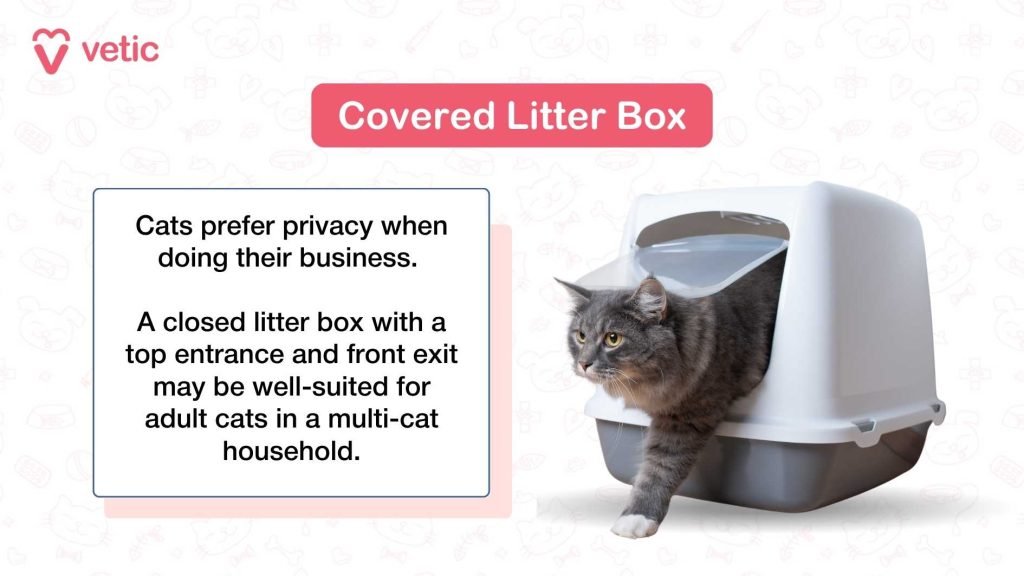
- Covered Litter Boxes:Boxes with a lid or hood. Help control odors and offer privacy for shy cats.
- Self-Cleaning Litter Boxes:Automatic boxes that scoop waste after use. Save time but cost more.
- Top-Entry Litter Boxes:Cats enter from the top. Help reduce litter tracking outside the box.
- Disposable Litter Boxes:Made for short-term use. Convenient for travel or temporary housing.
Selecting the right type depends on your cat’s habits and your cleaning preferences. Each type supports healthy litter box habits in different ways.
Do Cats Share Litter Boxes?
Wondering if your cats can comfortably share a litter box? Many cat owners face this question, especially when introducing a new feline friend to the household. Understanding whether cats naturally share litter boxes helps you create a stress-free environment for your pets.
Natural Behaviors Of Cats
Cats are naturally territorial animals. They use their litter boxes not just for elimination but also to mark their territory. This instinct often makes them reluctant to share their bathroom space with others.
However, some cats that grow up together or are very closely bonded might tolerate sharing a litter box. Even then, it’s common for them to prefer having their own separate space to avoid conflicts or stress.
Have you noticed your cat avoiding the litter box or acting nervous around it? This could be a sign that sharing the box is uncomfortable for them. Providing multiple boxes can reduce this tension significantly.
Social Dynamics Among Cats
The relationship between cats strongly influences their willingness to share a litter box. Friendly, well-bonded cats may share, but even then, it’s not always ideal. Dominant cats might guard the litter box, discouraging others from using it.
In multi-cat homes, conflicts over the litter box can lead to inappropriate elimination elsewhere in your home. Avoid this by placing several litter boxes in different locations—one per cat plus one extra is a good rule of thumb.
- Observe how your cats interact around their litter boxes.
- Notice if one cat blocks access or if others wait their turn peacefully.
- Adjust the number of litter boxes based on these behaviors.
Could adding an extra litter box be the simple fix to improving your cats’ comfort? It’s a small change that can make a big difference in their happiness and your peace of mind.
Potential Issues With Shared Litter Boxes
Sharing a litter box might seem like a simple solution for households with multiple cats. However, there are several potential issues that you should consider before deciding to have your cats share a single litter box. These concerns range from behavioral problems to health risks, which can affect both your cats’ well-being and your home environment.
Territorial Disputes
Cats are naturally territorial creatures. When they share a litter box, it can lead to conflicts and stress. You might notice one cat guarding the box or blocking others from using it.
These disputes often result in cats avoiding the litter box altogether, which leads to inappropriate elimination around your home. Have you ever wondered why your cat suddenly stops using the box? Territorial tension could be the reason.
Providing multiple litter boxes in different locations can reduce this tension. Cats feel safer when they have their own space to relieve themselves.
Hygiene Concerns
Sharing a litter box increases the risk of spreading infections and parasites among your cats. Bacteria, viruses, and worms can pass easily through shared waste areas. This can cause health problems that might require veterinary attention.
Additionally, a single litter box may fill up quickly, leading to unpleasant odors and a dirty environment that cats dislike. Dirty boxes discourage use and can cause your cats to go elsewhere.
Regular cleaning and having enough litter boxes—ideally one per cat plus one extra—can help maintain hygiene and comfort for your pets.

Credit: neakasa.com
Signs Of Litter Box Problems
Signs of litter box problems often reveal that your cat is uncomfortable or stressed. Cats are usually clean animals and prefer a tidy place to do their business. Changes in behavior or health can signal issues with the litter box setup or sharing habits. Spotting these signs early helps keep your cat happy and healthy.
Behavioral Changes
- Sudden avoidance of the litter box
- Urinating or defecating outside the box
- Excessive digging or scratching around the box
- Frequent visits but little or no elimination
- Aggression near the litter box
- Restlessness or pacing before using the box
Health Indicators
- Straining or crying while urinating
- Blood in urine or stool
- Strong or unusual odors from the litter box
- Changes in stool consistency or color
- Excessive grooming of the genital area
- Lethargy or signs of pain near the litter box
Expert Recommendations
Caring for multiple cats means thinking carefully about their litter box needs. Experts emphasize that sharing a single litter box isn’t always ideal, even if cats seem comfortable doing so. Proper litter box management can prevent stress and unwanted behaviors like marking or accidents outside the box.
Ideal Number Of Litter Boxes
Experts recommend having one litter box per cat, plus one extra. So, if you have two cats, you should provide three litter boxes. This approach reduces competition and gives each cat a private space to do their business.
Have you noticed your cats hesitating to use a shared box? This often signals the need for more boxes. Cats value their privacy and may avoid a box that’s already occupied or smells too strongly of another cat.
Placement And Maintenance Tips
Place litter boxes in quiet, low-traffic areas where your cats feel safe. Avoid putting boxes near their food or water bowls, as cats dislike eliminating near their eating space.
Clean the boxes daily by scooping waste and change the litter at least once a week. Regular cleaning keeps odors down and encourages cats to use their boxes consistently.
- Use unscented, clumping litter to make cleaning easier and attract cats.
- Ensure boxes are large enough for your cat to turn around comfortably.
- Consider different box styles if one cat seems hesitant—some prefer covered boxes, others open ones.
Have you experimented with box placement and type? Small changes can make a big difference in your cats’ comfort and litter habits.
Alternative Solutions
Sharing a litter box isn’t always the best option for cats. Some cats may tolerate it, but others could develop stress or hygiene issues. Considering alternative solutions can help keep both your cats and your home happier.
Self-cleaning Litter Boxes
Self-cleaning litter boxes reduce the hassle of constant scooping. These devices automatically remove waste, keeping the box fresh and odor-free.
I once tried a self-cleaning litter box for my two cats, and it made a huge difference. They seemed more willing to share because the box was cleaner and smelled better.
Are you worried about maintaining multiple boxes? A self-cleaning option might be a smart investment that saves you time and effort.
Multiple Litter Box Setups
Providing more than one litter box is often the easiest way to prevent conflicts. A good rule is to have one box per cat plus one extra.
Place the boxes in different quiet corners to avoid territorial disputes. This setup encourages your cats to use their own space without feeling crowded.
Have you noticed your cats avoiding their litter box? Adding an extra one might be the simple fix you need to keep them comfortable and clean.
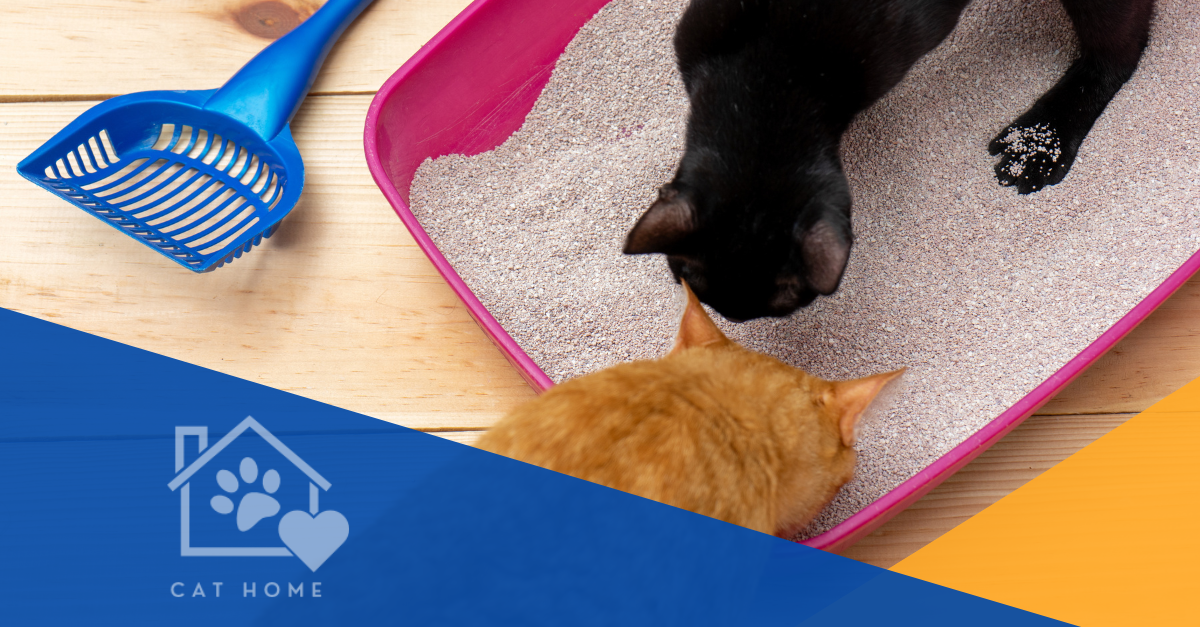
Credit: cathome.sg
Frequently Asked Questions
Do Cats Prefer Sharing Litter Boxes?
Cats can share litter boxes but often prefer their own. Sharing may cause stress, especially for multiple cats. Providing one litter box per cat plus one extra is recommended to reduce conflicts and maintain cleanliness.
How Many Litter Boxes Do Cats Need?
The general rule is one litter box per cat plus one extra. This prevents territorial disputes and keeps the area clean. Multiple boxes also help avoid litter box avoidance and promote healthy bathroom habits.
Can Sharing Litter Boxes Cause Health Issues?
Yes, sharing litter boxes can spread infections like urinary tract infections or parasites. Close contact with used litter increases the risk. Regular cleaning and multiple litter boxes help maintain hygiene and reduce health risks.
Why Do Some Cats Refuse Shared Litter Boxes?
Cats are territorial and sensitive to scents. Shared litter boxes may cause anxiety or aggression. Some cats avoid soiled boxes or feel threatened by others. Providing separate, clean boxes helps ensure comfort and proper use.
Conclusion
Cats can share litter boxes, but it depends on their personalities. Some cats feel comfortable sharing, while others prefer their own space. Keep litter boxes clean to avoid smells and fights. Providing one box per cat is a good rule to follow.
Watch your cats’ behavior to know what works best. Happy cats mean less stress and fewer accidents. Simple care helps keep your home fresh and your pets content.
