

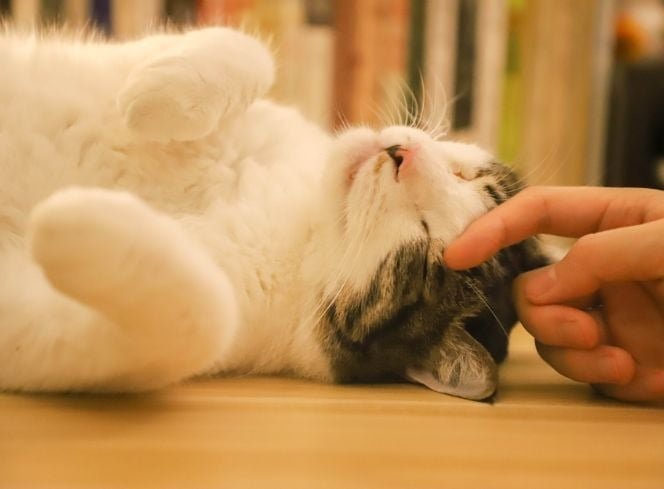
Have you ever wondered if your cat keeps purring even when it’s fast asleep? That gentle, soothing sound is one of the most comforting noises for any cat owner.
But does this peaceful purr continue during your furry friend’s dreams? Understanding why cats purr in their sleep can reveal surprising insights about their mood, health, and happiness. If you want to know what your cat’s nighttime purring really means, keep reading—you might discover something that changes how you connect with your pet forever.

Credit: www.seemour.ai
Why Cats Purr
Have you ever noticed your cat softly purring while dozing off? Understanding why cats purr can help you connect better with your furry friend. Purring is more than just a sign of happiness; it serves multiple important purposes in a cat’s life.
Communication And Bonding
Purring is a way cats talk without words. Mother cats purr to calm their kittens and help them feel safe. As cats grow, they use purring to communicate with you and other pets.
Think about the last time your cat purred when you stroked them. That low, rhythmic sound is their way of saying they trust and love you. Could your cat be trying to tell you something even when they aren’t fully awake?
Self-soothing And Healing
Did you know purring can help cats heal faster? The vibrations from purring promote tissue regeneration and reduce pain. Cats often purr when they are stressed or not feeling well to comfort themselves.
If you’ve seen your cat purring after a vet visit or when they seem scared, it’s their natural coping mechanism. This shows purring isn’t just about happiness—it’s also about health and recovery.
Expressions Of Contentment
Of course, purring often signals contentment. When your cat curls up on your lap and purrs, they’re showing they feel safe and happy. This simple act strengthens your bond and makes both of you feel calm.
Next time your cat purrs while sleeping or resting, ask yourself: are they just relaxed, or are they also communicating something deeper? Paying attention to when and how your cat purrs will reveal a lot about their mood and needs.
Credit: www.discovermagazine.com
How Cats Sleep
Cats have unique sleep patterns that differ quite a bit from humans. Understanding how cats sleep can help you better interpret their behaviors and even improve their comfort. You might be surprised to learn just how deep and varied their sleep really is.
Sleep Stages In Cats
Cats cycle through several sleep stages just like people do. They start with light sleep, where they remain alert to sounds around them. Then they move into deep sleep, which is crucial for their health and recovery.
During deep sleep, cats experience rapid eye movement (REM), the phase when dreaming occurs. This stage is shorter in cats compared to humans but very important for brain function. Noticing when your cat’s eyes twitch or paws move can tell you they’re in REM sleep.
Common Sleep Behaviors
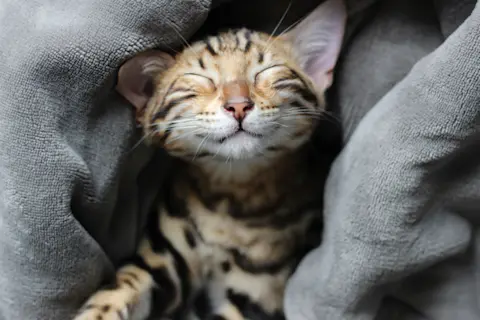
Have you ever noticed your cat twitching, purring softly, or even making little noises while asleep? These are common sleep behaviors linked to their dreams and comfort levels. Purring during sleep, for example, may be a sign of contentment or self-soothing.
Cats often change positions multiple times throughout their sleep cycle. They might stretch out, curl into a ball, or even sleep with one eye slightly open. These behaviors keep them ready to react quickly, a leftover trait from their wild ancestors.
Dreaming In Felines
Yes, cats do dream. Their brain activity during REM sleep closely mirrors that of dreaming humans. You might see whisker twitching or paw movements, signaling your cat is likely chasing a dream mouse or exploring a familiar place.
Watching your cat dream can give you clues about their emotional state and what excites them. Next time you see your cat in deep sleep, try to guess what they might be dreaming about. Could it be the last time they played or a special moment with you?
Purring During Sleep
Have you ever noticed your cat softly purring even when they seem fast asleep? Cats do purr during their sleep, and this gentle sound can tell you a lot about their state of mind and health. Understanding why and how cats purr in their sleep can deepen your connection with your furry friend.
Frequency Of Sleep Purring
Not all cats purr while sleeping, but many do it occasionally. The frequency varies from cat to cat and depends on their comfort level and health. Some cats may purr during light sleep phases, especially during REM sleep when dreams occur.
Have you observed your cat purring more after a play session or a loving petting? This might increase the chances of them purring in their sleep due to relaxation.
Reasons Behind Sleep Purring
Cats purr during sleep mainly because it helps them feel safe and relaxed. Purring can release endorphins, which act as natural painkillers and stress reducers. This means your cat might be comforting itself or recovering from minor discomfort even while dreaming.
Another reason could be that purring helps regulate their breathing and heart rate, promoting better rest. Your cat’s purring might also signal contentment and happiness, even in their dreams.
Signs To Recognize Purring In Sleep
Recognizing purring during sleep can be tricky since it’s softer and sometimes mixed with other sounds. Look for a gentle, rhythmic vibration under your cat’s chin or chest when they are lying still. You might also hear faint humming or buzzing sounds if you’re close enough.
- Observe their breathing pattern—purring often syncs with slow, steady breaths.
- Notice if their paws twitch or whiskers move, which can accompany dreaming and purring.
- Pay attention to their overall body language: a relaxed body with soft purring usually means peaceful sleep.
Next time your cat curls up and starts purring quietly, take a moment to appreciate this special behavior. Isn’t it amazing how something so simple can reveal so much about your cat’s well-being?

Credit: www.lordsandlabradors.co.uk
Health Benefits Of Purring
Cats purr for many reasons, and it is not just a sign of happiness. Purring has several health benefits for cats. It helps them heal, reduces stress, and even supports bone and tissue growth. Understanding these benefits reveals why cats might purr while they sleep.
Healing Properties
Purring produces vibrations at a specific frequency. These vibrations help heal wounds faster. They also reduce pain and swelling. This natural healing method keeps cats healthy and strong.
Stress Reduction
Purring calms cats down. It lowers their stress levels and anxiety. This helps cats relax and feel safe. Even during sleep, purring can keep their mind calm.
Bone And Tissue Regeneration
The vibrations from purring help bones grow stronger. They also support tissue repair. This helps cats recover from injuries faster. Purring acts like a natural therapy for their body.
When Purring Signals Concern
Purring often feels like a sign that your cat is happy and content, especially when they drift off to sleep. But did you know that purring can sometimes signal discomfort or distress? Understanding when your cat’s purring is cause for concern can help you catch health issues early and keep your furry friend safe.
Purring And Pain
While purring usually means relaxation, cats also purr when they are in pain or feeling unwell. This might seem confusing, but purring can serve as a self-soothing mechanism.
If your cat is purring but also limping, hiding more than usual, or avoiding interaction, it could mean they are hurting. You might notice subtle signs like a change in their breathing or unusual posture alongside the purring.
Behavioral Changes To Watch
Pay close attention to any shifts in your cat’s normal behavior. Are they purring while seeming restless or agitated? Do they suddenly lose interest in playing or eating?
Look for signs such as:
- Excessive hiding or withdrawal
- Changes in grooming habits
- Increased vocalization or silence
- Altered sleeping patterns
These can be clues that your cat’s purring isn’t just about comfort but might be signaling something wrong.
When To Consult A Vet
If you notice your cat purring during or after an injury, or if their behavior changes drastically, it’s time to get professional advice. Don’t wait for symptoms to worsen before seeking help.
Contact your vet if you observe:
- Persistent purring combined with signs of distress
- Loss of appetite or vomiting
- Sudden changes in mobility
- Any unusual lumps or wounds
Remember, your cat can’t tell you when they’re hurting. Your attention to their purring and behavior might be the key to catching an issue early. Have you ever noticed your cat purring at odd times? What did you do next?
Tips To Encourage Comfort
Helping your cat feel comfortable encourages peaceful sleep and purring. Comfort lets cats relax deeply, often leading to soft purring sounds. Use simple ways to make your cat’s sleep time calm and cozy. Small changes can build trust and security for your feline friend.
Creating A Safe Sleep Space
Choose a quiet corner with low noise and soft light. Add a soft bed or blanket for warmth and comfort. Keep the area clean and free from clutter. Cats love small, enclosed spaces for safety. Boxes, cat caves, or covered beds work well. Avoid places near loud appliances or heavy foot traffic.
Recognizing Relaxation Cues
Watch for signs like slow blinking and relaxed ears. A cat lying on its side or back shows trust. Soft, slow tail movements suggest calmness. Purring during rest is a key comfort signal. Respond to these cues by speaking softly or petting gently. Respect your cat’s need for quiet when resting deeply.
Enhancing Cat Well-being
- Provide fresh water and balanced food daily.
- Offer toys and playtime to reduce stress.
- Keep a regular routine for feeding and sleeping.
- Use calming scents like lavender or chamomile near the sleep area.
- Maintain clean litter boxes close to the sleeping spot.
Healthy habits support better sleep and contentment. A happy cat purrs more, even in dreams.
Frequently Asked Questions
Do Cats Purr While They Are Sleeping?
Yes, cats can purr in their sleep. It usually indicates comfort and contentment during rest. Purring while sleeping shows cats feel safe and relaxed in their environment.
Why Do Cats Purr When Sleeping?
Cats purr when sleeping to self-soothe and reduce stress. It may also promote healing and pain relief, helping them stay healthy. Purring is a natural calming mechanism even during sleep.
Can A Sleeping Cat’s Purr Mean Illness?
Sometimes, yes. If a cat purrs excessively or with unusual behavior, it may signal discomfort or illness. It’s best to monitor health and consult a vet if concerned.
How Loud Is A Cat’s Purr In Sleep?
A cat’s purr during sleep is usually softer and quieter than when awake. This gentle purring helps maintain a calm and peaceful rest.
Conclusion
Cats often purr while they sleep, showing comfort and calm. This gentle sound helps them relax deeply. It also signals they feel safe and happy. Not all cats purr in sleep, but many do. Listening closely reveals these quiet moments of peace.
Understanding this behavior brings us closer to our pets. It reminds us that cats have their own ways of resting well. Next time you hear a soft purr, enjoy the calm it brings.
