

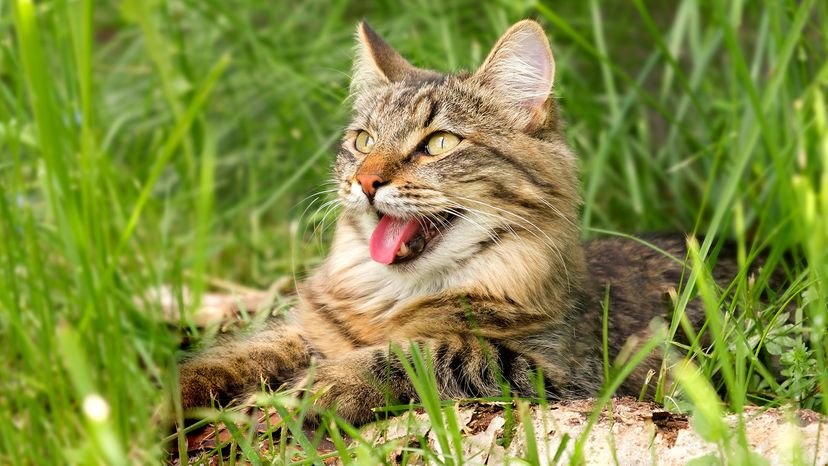
Have you ever seen your cat breathing fast with their mouth open and wondered, “Do cats pant like dogs do?” It’s a surprising sight because cats usually look so calm and quiet.
But when you notice this behavior, it’s natural to worry—Is your cat okay? Understanding why cats pant can help you spot if your furry friend is just a little warm or if something more serious is going on. Keep reading to discover the real reasons behind cat panting and what you should do the next time you see it happen.
Your cat’s health might depend on it!
Why Cats Pant
Have you ever noticed your cat panting and wondered why? Unlike dogs, cats don’t usually pant, so when they do, it can catch your attention. Understanding why cats pant helps you recognize when it’s normal and when it could signal a problem.
Heat And Temperature Regulation
Cats pant primarily to cool down when they get too hot. Unlike humans, cats don’t sweat much, so panting helps release excess heat quickly. If you see your cat panting on a hot day or after being in the sun, it’s their way of managing body temperature.
Keep an eye on your cat during warm weather. Prolonged panting could mean heatstroke, which needs immediate attention. Do you provide enough cool spots and water for your cat during summer?
Stress And Anxiety
Cats may pant when they feel stressed or anxious. Situations like vet visits, loud noises, or unfamiliar places can trigger this reaction. It’s their way of coping with intense emotions.
If your cat pants during stressful moments, try calming techniques like gentle petting or offering a safe hiding place. Have you noticed your cat panting in certain situations? That clue can help you reduce their stress.
Physical Activity And Exercise
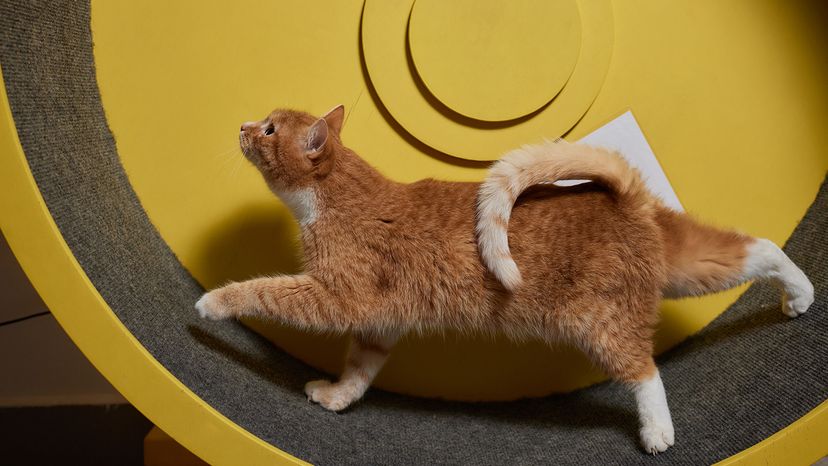
After intense play or exercise, cats sometimes pant to catch their breath. Though less common than in dogs, panting post-activity can happen if your cat has been very active. It’s a sign they’re working hard to cool down and recover.
Watching how your cat recovers after playtime can tell you a lot about their fitness. If panting lasts too long or seems excessive, it might be worth a vet check. Do you monitor your cat’s energy levels and breathing after play?
Health Issues And Medical Conditions
Sometimes panting signals a health problem like respiratory or heart issues. Conditions such as asthma, infections, or pain can cause your cat to pant unexpectedly. This kind of panting is usually accompanied by other signs like coughing or lethargy.
If your cat pants frequently without obvious reason, don’t ignore it. Early vet visits can catch serious conditions before they worsen. How quickly do you act when your cat shows unusual breathing patterns?
Credit: www.petsradar.com
Normal Cat Breathing Patterns
Cats have unique breathing patterns that differ from other pets. Understanding these patterns helps pet owners spot any breathing problems early. Normal breathing in cats is quiet and smooth, without any effort or noise. Their breathing rate can change depending on their activity and emotions. Knowing what is normal helps recognize when something is wrong.
Resting Respiratory Rate
The resting respiratory rate for cats is usually between 20 and 30 breaths per minute. This rate means the number of times a cat breathes in one minute while calm and resting. It is important to count the breaths when the cat is relaxed, not after play or excitement. A rate outside this range could signal health issues.
Signs Of Labored Breathing
Labored breathing means the cat is struggling to breathe. Signs include:
- Open-mouth breathing
- Heavy panting
- Fast or shallow breaths
- Noisy breathing or wheezing
- Visible chest or belly movement
These signs need quick attention from a vet. Cats do not normally pant like dogs, so heavy panting is a red flag.
Differences Between Cats And Dogs
Cats and dogs breathe differently. Dogs often pant to cool down. It is normal for dogs but rare for cats. Cats rely more on grooming and resting in cool places to regulate temperature.
Cats usually breathe quietly through their nose. Dogs may breathe through the mouth more often, especially when hot or tired. Understanding these differences helps spot unusual cat behavior early.
When Panting Is A Concern
Panting in cats is rare and often signals a problem. Unlike dogs, cats usually do not pant unless stressed or overheated. Persistent or unusual panting needs attention to avoid serious health issues.
Recognizing Emergency Symptoms
Sudden panting with other signs can mean emergency. Watch for:
- Difficulty breathing or wheezing
- Blue or pale gums
- Collapse or weakness
- Excessive drooling or coughing
- Rapid open-mouth breathing for more than a few minutes
These symptoms require immediate veterinary care.
Common Respiratory Disorders
Respiratory problems can cause panting in cats. Common ones include:
- Upper respiratory infections from viruses or bacteria
- Pneumonia causing lung inflammation
- Heart disease affecting breathing
- Fluid buildup in lungs or chest
Early diagnosis helps manage these conditions better.
Allergies And Asthma In Cats
Allergies and asthma often trigger panting episodes. Dust, pollen, or smoke may irritate airways.
Signs include:
- Coughing or wheezing
- Labored breathing
- Repeated panting spells
Veterinary treatment can reduce symptoms and improve breathing.

Credit: www.yahoo.com
How To Help A Panting Cat
Panting in cats can be alarming to see. Unlike dogs, cats rarely pant, so when you notice your feline friend breathing rapidly with an open mouth, it’s important to act quickly and calmly. Knowing how to help a panting cat can make a big difference in preventing serious health issues and keeping your pet comfortable.
Cooling Techniques
Helping your cat cool down is the first step if you notice panting. Move your cat to a cooler, shaded area immediately to reduce body temperature.
You can also offer small amounts of water to encourage hydration. Avoid forcing water, but let your cat drink if it wants.
Applying a cool, damp cloth gently to your cat’s ears and paws can help lower heat without causing stress. Never use ice or very cold water as it can shock their system.
Reducing Stress
Stress can trigger panting in cats, so creating a calm environment is crucial. Speak softly and avoid sudden movements around your cat.
Providing a quiet space with familiar bedding or toys can help your cat feel safe and relaxed. Have you noticed how your cat responds to quiet music or a cozy hideout?
Using pheromone diffusers or sprays designed for cats can also soothe anxiety and reduce panting caused by stress.
When To Visit The Vet
Panting that lasts more than a few minutes or occurs frequently needs veterinary attention. If your cat shows other signs like lethargy, vomiting, or blue gums, seek help immediately.
Don’t wait if your cat is panting after minimal activity or while resting. This could indicate serious issues like respiratory or heart problems.
Your vet can perform tests to find the root cause and provide the right treatment. How quickly you respond can save your cat’s life.
Preventing Panting Episodes
Panting in cats can be alarming, but many episodes are preventable with the right care. Understanding how to reduce your cat’s stress and environment triggers is key to keeping them comfortable and calm. You have more control over your cat’s well-being than you might think.
Maintaining A Comfortable Environment
Keep your home cool and well-ventilated, especially during warm months. Cats are sensitive to heat, so providing shaded spots or a fan can help. Avoid placing your cat near direct sunlight for long periods.
Think about your cat’s favorite resting places. Are they too warm or stuffy? Adding a cooling mat or damp towel can make a big difference in preventing panting.
Regular Health Checkups
Regular vet visits can catch underlying issues that cause panting, like heart or respiratory problems. You might not notice subtle signs of illness until panting occurs. How long has it been since your cat’s last checkup?
During visits, ask the vet about your cat’s weight and overall fitness, as obesity often leads to breathing difficulties. Staying on top of vaccinations and parasite control also supports healthy breathing.
Exercise And Activity Management
Too much excitement or overexertion can lead to panting. Observe how much playtime your cat can handle without getting overly tired. Shorter, frequent play sessions often work better than long, intense ones.
Indoor cats especially benefit from gentle exercise. Try interactive toys or puzzle feeders to keep them active without stress. Could adjusting your cat’s activity routine reduce panting episodes?
Credit: animals.howstuffworks.com
Frequently Asked Questions
Do Cats Pant Like Dogs Do?
Cats can pant, but it’s rare and usually signals stress or overheating. Unlike dogs, panting is not a normal cooling method for cats.
Why Do Cats Pant After Exercise?
Cats may pant after intense play or exercise to cool down. If panting lasts long, it could indicate overheating or health issues needing vet attention.
Is Panting Normal For Cats In Hot Weather?
Panting in hot weather can help cats cool off, but it’s uncommon. Excessive panting may suggest heatstroke or respiratory problems requiring immediate care.
When Should I Worry About My Cat’s Panting?
Seek veterinary help if your cat pants frequently, shows distress, or has other symptoms. Persistent panting often signals illness or overheating needing prompt treatment.
Conclusion
Cats do pant, but not often like dogs. It usually means they are very hot or stressed. Watch your cat closely if it pants a lot. Panting can also signal health problems. Keep your cat cool and calm in warm weather.
If panting lasts or looks strange, see a vet soon. Knowing why cats pant helps you care for them better. Stay alert to keep your furry friend safe and healthy.
