

Have you ever wondered why your cat only seems to meow when you’re around? It’s almost like they save their voice just for you.
But do cats really only meow at humans? Understanding this curious behavior can change the way you connect with your furry friend. Keep reading to discover the surprising reasons behind your cat’s meows and what they’re really trying to tell you.
You might just see your pet in a whole new light.
Cat Vocalizations
Cats have a unique way of communicating. They don’t just use body language. They also have a range of vocalizations. These sounds convey different messages. Understanding these sounds can improve your bond with your cat.
Types Of Cat Sounds
Cats produce various sounds. Each has a specific purpose. Here are some common ones:
- Meowing:Usually directed at humans. Cats rarely meow at each other.
- Purring:Indicates contentment. Sometimes used for self-soothing.
- Hissing:A sign of fear or aggression.
- Chirping:Often used by mother cats to call kittens.
- Growling:A warning sign. Indicates discomfort or threat.
Purpose Of Meowing
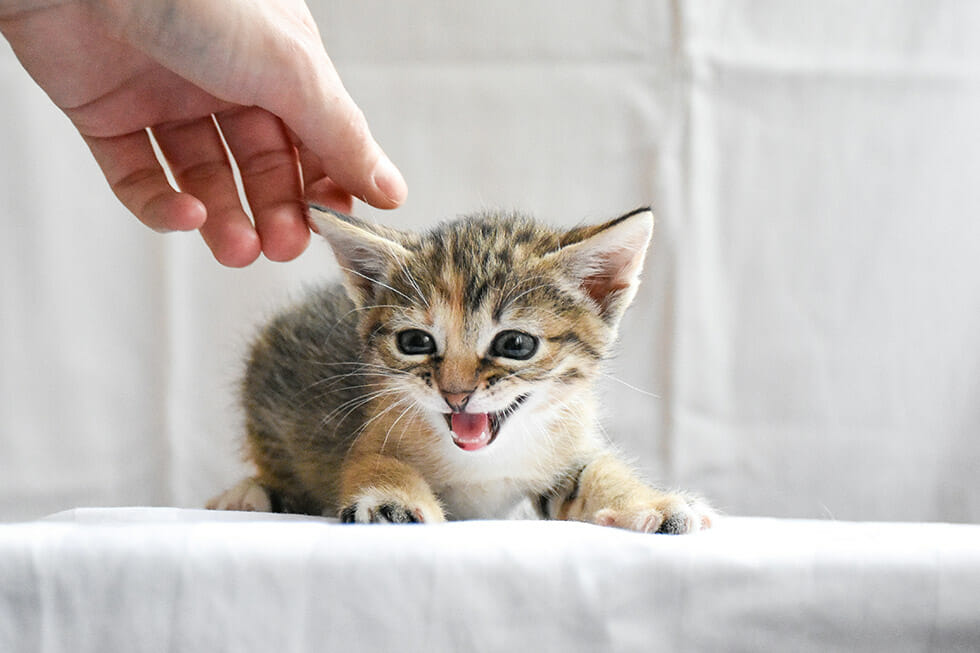
Meowing serves several purposes. It’s a tool for communication with humans. Kittens meow to get attention from their mothers. Adult cats often meow to request food or affection. Sometimes, they meow to express discomfort or confusion.
Each cat’s meow is unique. They might develop different meows for different needs. Paying attention to these can help you understand your cat better.
Credit: www.petinsuranceaustralia.com.au
Meowing At Humans
Meowing is a unique way cats interact mostly with humans rather than with other cats. While adult cats rarely meow to each other, they use this sound primarily to communicate with their owners. Understanding why your cat meows can help you respond better to their needs and strengthen your bond.
Communication With Owners
Your cat uses meowing as a direct line of communication with you. It’s their way of saying something important, whether they’re hungry, curious, or want to play. Paying attention to the tone and frequency of their meow can reveal what your cat is trying to express.
Sometimes a soft, short meow means a simple greeting, while a loud, persistent one might indicate discomfort or urgency. Have you noticed how your cat’s meows change when they want your attention versus when they feel unwell? Recognizing these subtle differences helps you respond effectively.
Attention Seeking Behavior
Cats quickly learn that meowing grabs your attention. If they want to be petted, fed, or let outside, meowing becomes their go-to tactic. This behavior often increases if they feel ignored or bored.
Consider how your cat reacts when you’re busy or distracted. Persistent meowing can be their way of insisting on interaction. You can try redirecting this behavior by providing toys or scheduled playtime to meet their social needs.
Have you tried responding immediately every time your cat meows? Sometimes, delaying your response teaches them patience and reduces excessive meowing. How might changing your reaction change your cat’s behavior?
Cats And Other Animals
Cats use meowing as a way to communicate mostly with humans. Their vocal sounds are often aimed at getting attention or expressing needs. But what about other animals? Understanding how cats use meows with different creatures helps us learn more about their social behavior.
Do Cats Meow At Other Cats?
Cats rarely meow at each other. They prefer other sounds like hissing, growling, or purring. Meowing is mostly a behavior developed to interact with humans. Kittens meow to call their mother, but adult cats usually do not meow at other cats. Instead, they use body language and scent to communicate.
Meowing Around Other Species
Cats sometimes meow near other animals like dogs or birds. These meows are often softer or less frequent. Cats may use meowing to express curiosity or alertness. Other species rarely respond to cat meows. Cats mainly use their voice to get human attention or signal their feelings.

Credit: medium.com
Age And Meowing Patterns
Age plays a key role in how cats use meows to communicate. Cats change their meowing habits as they grow. Understanding these changes helps to better read their needs and feelings.
Kittens Vs Adult Cats
Kittens meow often to get attention from their mother. Their meows are usually loud and high-pitched. This helps the mother find and care for them quickly.
As kittens grow, they start to meow less to other cats. Instead, they use meows mainly to talk to humans. Adult cats use meows to ask for food or to greet their owners. Their meows tend to be softer and more varied in tone.
Senior Cats And Vocalization
Older cats may meow more or less than adults. Some senior cats become quieter with age. Others meow more due to health issues or confusion.
Changes in hearing or vision can make senior cats feel unsafe. Meowing can be their way to seek comfort and attention. Understanding these vocal changes helps owners respond with care and patience.
Breed Differences In Meowing
Cats use meowing mainly to communicate with humans. Different breeds show unique meowing habits. Some cats are naturally more vocal. Others prefer silence or quiet sounds. These differences often relate to their breed traits. Understanding these can help in knowing your cat better.
Talkative Cat Breeds
Some breeds are known for their frequent meowing. They often use their voice to express needs or emotions. These breeds enjoy interaction and respond well to human attention. Common talkative breeds include:
- Siamese: Famous for loud and persistent meows.
- Oriental Shorthair: Chatty and expressive in many situations.
- Burmese: Vocal but soft-spoken, they love to talk to owners.
- Devon Rex: Curious and communicative with playful meows.
Quiet Cat Breeds
Other breeds are known for their calm and quiet nature. They meow less and often use body language instead. These cats are less demanding with their vocal signals. Quiet breeds include:
- Russian Blue: Gentle and reserved, rarely meow loudly.
- British Shorthair: Calm and quiet, with soft meows if any.
- Scottish Fold: Usually silent, prefers purring or gestures.
- Persian: Soft-spoken and relaxed, not very vocal.

Credit: www.youtube.com
Interpreting Cat Meows
Cats use meowing mainly to communicate with humans. Understanding their meows helps improve your bond. Each meow carries a different message. Learning to interpret these sounds reveals what your cat needs or feels.
Common Meow Meanings
- Short, soft meow:A friendly greeting or attention request.
- Repeated meows:Asking for food or playtime.
- Long, loud meow:Indicates discomfort or stress.
- High-pitched meow:Expresses excitement or curiosity.
- Low-pitched meow:Shows irritation or warning.
Contextual Clues
Look at your cat’s body language alongside meows. A happy tail and relaxed ears mean a positive message. If your cat paces or hides, the meow might signal anxiety. Timing matters too. Meowing at meal times often means hunger. Near the door, it could ask to go outside. Sounds alone don’t tell the full story. Watch your cat’s behavior for better understanding.
Training Cats To Meow
Training cats to meow might seem unusual since cats naturally meow mostly to communicate with humans. However, you can encourage your feline friend to be more vocal, which strengthens your bond and helps you understand their needs better. This process takes patience and attention to your cat’s unique personality and habits.
Encouraging Vocalization
Start by noticing what triggers your cat to meow. It could be hunger, playtime, or attention-seeking. Use these moments to gently encourage more meowing by responding with your voice or offering treats.
Try using a consistent word or sound when you want your cat to meow, like saying “talk” or softly calling their name. Repetition helps them connect the sound with the behavior you want.
Keep sessions short and positive. If your cat stays quiet, don’t push too hard—this can cause stress. Cats respond better when training feels like a game rather than a chore.
Responding To Meows
Your reaction to your cat’s meows teaches them which sounds get attention. If you always respond when they meow, your cat learns that vocalizing is effective.
Try to differentiate the reasons behind different meows. A short, soft meow may mean “hello,” while a loud, insistent one could mean “I’m hungry.” Responding appropriately helps your cat communicate clearly.
Be careful not to reward excessive or demanding meowing, as it might encourage annoying behavior. Instead, reward meows that are calm and purposeful. Have you noticed how your cat’s tone changes depending on what they want?
Frequently Asked Questions
Do Cats Meow Only To Communicate With Humans?
Cats primarily meow to communicate with humans, not other cats. Adult cats rarely meow at each other. This behavior is learned to get attention or express needs towards people.
Why Don’t Cats Meow To Other Cats?
Cats use body language, scents, and other sounds to communicate with each other. Meowing is mainly reserved for human interaction. It’s an adaptation from domestication to communicate effectively with people.
Can Cats Meow To Express Different Emotions?
Yes, cats use different meows to show hunger, discomfort, or affection. The tone, length, and pitch vary depending on their mood or need. Humans learn to interpret these subtle differences over time.
Do Kittens Meow To Their Mothers Or Humans?
Kittens meow primarily to their mothers for care and warmth. As they grow, they start meowing more to humans for attention or food. This vocalization is a key part of their early communication.
Conclusion
Cats mostly meow to talk with humans, not other cats. They use meows to ask for food, attention, or care. Cats make other sounds like hisses or purrs to talk with animals. Understanding your cat’s meows helps build a stronger bond.
Next time your cat meows, listen closely. It’s their special way of speaking just to you.
