

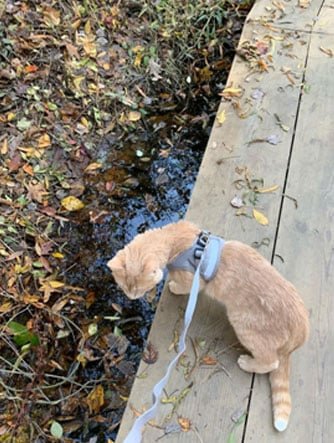
Have you ever wondered if your cat needs walks like your dog does? You might be surprised to learn that taking your cat outside isn’t as simple as it sounds.
What if walks could boost your cat’s health and happiness? Or could they cause more stress than joy? Keep reading to discover the truth about cat walks and whether this could be a game-changer for your furry friend’s daily routine.
Your cat’s well-being might depend on what you do next.
Indoor Cats And Exercise
Cats enjoy movement, but they do not need walks like dogs do. Indoor cats benefit more from toys and climbing spaces to stay active. Regular playtime helps keep them healthy and happy indoors.
Indoor cats, though they may not roam the neighborhood like their outdoor counterparts, still require regular exercise to stay healthy and happy. Just because they live inside doesn’t mean they lack the need for physical activity. In fact, keeping an indoor cat active can be a rewarding challenge, offering both you and your feline friend opportunities to bond and have fun.Common Activity Levels
Indoor cats generally have lower activity levels compared to those who venture outside. They don’t face the same environmental stimuli that prompt exploration or hunting. However, this doesn’t mean they’re couch potatoes by nature. Many indoor cats can be quite playful, especially with the right motivation. My cat, Luna, for instance, loves chasing a laser pointer around the living room. Cats tend to have bursts of energy followed by long naps. They might sprint around the house one moment, and in the next, they’re curled up in their favorite sunspot. Understanding these patterns can help you plan exercise sessions during their active times.Alternatives To Walking Indoors
If walking your cat isn’t feasible, there are plenty of alternative activities to keep them engaged. – Interactive Toys: Toys that mimic prey, like feather wands or motorized mice, can stimulate your cat’s hunting instincts and keep them active. – Climbing Structures: Cat trees or shelves encourage climbing and jumping, providing physical and mental challenges. – Puzzle Feeders: These not only make mealtime more engaging but also require your cat to work for their food, increasing activity. – DIY Obstacle Course: Use household items to create a course with tunnels, jumps, and places to hide. Incorporating these activities into your daily routine can significantly boost your cat’s physical activity. Are there any creative ways you’ve found to keep your indoor cat active? Engaging with your cat in play not only benefits their health but can also strengthen your bond.
Credit: www.reddit.com
Outdoor Walks For Cats
Taking your cat outside for walks might seem unusual, but many cat owners find it rewarding. Outdoor walks offer a new world for your feline friend, filled with sights, sounds, and smells that indoor life can’t provide. Before you grab the leash, it’s important to understand both the benefits and the risks involved.
Benefits Of Outdoor Exploration
Outdoor walks stimulate your cat’s senses in ways that indoor environments cannot. The fresh air, rustling leaves, and bird songs provide mental enrichment that can reduce boredom and stress.
Walking outside also encourages physical activity, helping your cat maintain a healthy weight and muscle tone. Cats that explore outdoors often show more confidence and curiosity in their behavior.
Think about your own experiences when you step outside after a long day indoors—doesn’t it refresh your mind? Your cat can enjoy a similar boost from a safe outdoor adventure.
Potential Risks And Safety Tips
Outdoor walks come with risks like traffic, other animals, and potential toxins. Your cat could get scared and try to run away, so securing a well-fitted harness and leash is essential.
- Choose quiet, low-traffic areas for walks to minimize stress and danger.
- Always supervise your cat closely; don’t rely on an open yard alone.
- Check your cat for ticks or insects after each walk, especially in grassy areas.
- Avoid toxic plants and areas treated with pesticides.
Would your cat enjoy a slow stroll or prefer to explore under a shady tree? Watch their behavior closely to understand their comfort level and adjust accordingly. Your attention and patience can make outdoor walks a positive experience rather than a stressful one.
Training Cats To Walk
Training cats to walk outside can be a rewarding experience. It helps them explore safely while getting exercise. Many cats enjoy the sights and sounds of the outdoors when introduced properly. Patience and gentle encouragement make the process smooth for both cat and owner.
Using Harnesses And Leashes
A harness is safer than a collar for walking cats. It fits around the body, preventing slips and escapes. Look for a lightweight, adjustable harness designed for cats. Let your cat wear the harness indoors first. This helps them get used to the feeling.
Leashes should be lightweight and about four to six feet long. Attach the leash carefully to avoid stress. Avoid retractable leashes since they offer less control. Always supervise your cat closely during walks.
Step-by-step Training Guide
- Allow your cat to explore the harness and leash indoors.
- Practice clipping and unclipping the leash calmly.
- Put on the harness and praise your cat for calm behavior.
- Let your cat walk around the house with the harness on.
- Attach the leash and follow your cat gently, letting them lead.
- Use treats to reward your cat for walking calmly on the leash.
- Gradually try short outdoor trips in quiet areas.
- Keep sessions short and positive to build confidence.
- Stop if your cat shows stress or fear.
- Repeat regularly to build comfort and trust.

Credit: supakit.co
Breed And Personality Factors
Breed and personality play a crucial role in deciding if your cat will enjoy or even need walks outside. Some cats have natural energy levels and curiosity that make walks a great way to keep them healthy and entertained. Others prefer the comfort of their home and might find outdoor walks stressful or unnecessary.
Active Vs. Sedentary Breeds
Certain breeds are known for their high activity levels and might benefit from regular walks. Breeds like Abyssinians, Bengals, and Siamese cats often have a strong desire to explore and play, making walks an excellent outlet for their energy.
On the other hand, breeds such as Persians or British Shorthairs tend to be more laid-back and might not show much interest in walking outside. These cats often get enough exercise through indoor play and may feel overwhelmed by the sights and sounds of the outdoors.
- Active breeds may enjoy climbing, chasing, and sniffing new scents during walks.
- Sedentary breeds might prefer interactive toys and cozy spots inside your home.
How Personality Influences Walking
Even within the same breed, individual personality makes a big difference. Some cats are naturally curious and confident, eager to explore new environments. Others are shy or cautious and might see walks as stressful rather than fun.
Think about your cat’s behavior at home. Does your cat enjoy looking out the window or chasing toys? These signs suggest they might enjoy a walk. If your cat hides or freezes at new sounds, you might want to reconsider outdoor walks or introduce them very slowly.
Have you noticed your cat’s reaction to a leash or harness? Some cats take to it quickly, while others resist strongly. Patience and positive reinforcement can help, but always respect your cat’s limits. Your cat’s happiness should guide your decision about walks more than any general rule.
Health Benefits Of Walking
Walking offers many health benefits for cats. It helps keep their bodies and minds active. Regular walks can improve a cat’s overall well-being. Cats enjoy exploring new sights and smells outside. This activity supports both their physical and mental health.
Physical Exercise And Weight Control
Walking provides cats with essential physical exercise. It helps build strong muscles and joints. Active cats maintain a healthy weight more easily. Exercise reduces the risk of obesity and related diseases. Daily movement supports better heart and lung function. It also improves flexibility and coordination.
Mental Stimulation And Enrichment
Outdoor walks offer cats new experiences and challenges. They encounter different sounds, smells, and sights. This variety keeps their minds sharp and curious. Mental stimulation prevents boredom and reduces stress. Enrichment like walking helps stop destructive behaviors. Cats feel happier and more confident when engaged.
Alternatives To Walks For Cats
Not all cats enjoy or need walks outside like dogs do. Many felines find other ways to satisfy their curiosity and exercise needs right at home. Exploring alternatives can keep your cat happy, healthy, and mentally sharp without stepping outside on a leash.
Interactive Toys And Playtime
Interactive toys are a great way to engage your cat’s natural hunting instincts. Toys that move, make noise, or respond to your cat’s actions keep them busy and active.
Try wand toys with feathers or laser pointers to encourage chasing and pouncing. Puzzle feeders also challenge your cat to work for their food, combining mental stimulation with physical activity.
Think about how your cat reacts to different toys—do they prefer slow movements or fast? Experiment to find what excites them most and set aside time daily to play together. This shared activity builds trust and keeps your cat fit.
Creating Safe Outdoor Spaces
Not every cat can roam free outside safely, but you can bring the outdoors in with a secure space. A catio, or enclosed patio, allows your cat to enjoy fresh air and sunshine without risks.
Building a small, fenced area or using window perches gives your cat a view of the outside world. This stimulates their senses with sights and sounds they love, like birds chirping or leaves rustling.
Have you considered how your cat reacts to outdoor stimuli? Providing a safe outdoor environment lets them explore without danger. It can reduce boredom and prevent destructive behavior indoors.

Credit: www.petplan.co.uk
Frequently Asked Questions
Do Cats Benefit From Daily Walks Outdoors?
Cats can benefit from daily walks by getting physical exercise and mental stimulation. Walks help reduce obesity and boredom. Not all cats enjoy walks, but those accustomed to it often thrive with fresh air and new sights.
Can Indoor Cats Enjoy Walking Outside Safely?
Indoor cats can enjoy safe outdoor walks if properly trained and supervised. Use a secure harness and leash to prevent escapes. Start slowly and watch your cat’s reactions to ensure comfort and safety during walks.
How Often Should Cats Go For A Walk?
Cats don’t need daily walks like dogs but can benefit from a few times per week. Frequency depends on the cat’s personality, age, and health. Some cats prefer short, calm walks, while others enjoy exploring more frequently.
Are All Cats Suitable For Leash Walking?
Not all cats are suitable for leash walking. Some cats are fearful or stressed by harnesses. Gradual training and patience can help some cats adjust, but others may prefer indoor play or secure outdoor enclosures instead.
Conclusion
Cats enjoy exploring, but they do not always need walks outside. Many cats stay happy and healthy indoors with toys and playtime. Some cats like leash walks, but others feel scared or stressed. Owners should watch their cat’s mood and safety first.
Outdoor walks can help active cats get exercise and fresh air. Still, not every cat will enjoy or benefit from walks. Knowing your cat’s personality helps decide what is best. Safe play and love keep cats content, inside or out.
