

Are you a cat owner wondering if your furry friend really needs vaccines? It’s a question many pet parents ask but don’t always get clear answers to.
Vaccines can protect your cat from serious diseases, but you might be unsure about which shots are necessary and when. Understanding this can help you keep your cat healthy and happy for years to come. Keep reading to discover why vaccines matter, what they do, and how they can make a real difference in your cat’s life.
Credit: triangleanimalclinic.com
Importance Of Vaccines For Cats
Vaccines are essential for maintaining a cat’s health. They protect cats from many dangerous diseases. Vaccination helps build immunity, so cats can fight infections better. Without vaccines, cats face higher risks of serious illness and even death.
Vaccines also help protect other pets and people around them. Healthy cats contribute to a safer home environment. Regular vaccinations keep cats active and comfortable throughout their lives.
How Vaccines Protect Cats
Vaccines work by training a cat’s immune system. They introduce a harmless part of a virus or bacteria. This triggers the immune system to produce antibodies. These antibodies fight the real disease if the cat is exposed later.
This process prepares the cat’s body to respond quickly. It reduces the chance of severe illness. Vaccines lower the spread of infectious diseases among cats and animals.
Common Diseases Prevented By Vaccines
- Feline Distemper (Panleukopenia): A deadly virus causing fever and vomiting.
- Feline Herpesvirus: Causes eye and respiratory infections.
- Feline Calicivirus: Leads to mouth ulcers and respiratory problems.
- Rabies: A fatal disease that can spread to humans.
- Feline Leukemia Virus (FeLV): Weakens the immune system and causes cancer.
Vaccinating cats against these diseases saves lives. It keeps cats healthier and happier in the long run.
Core Vaccines For All Cats
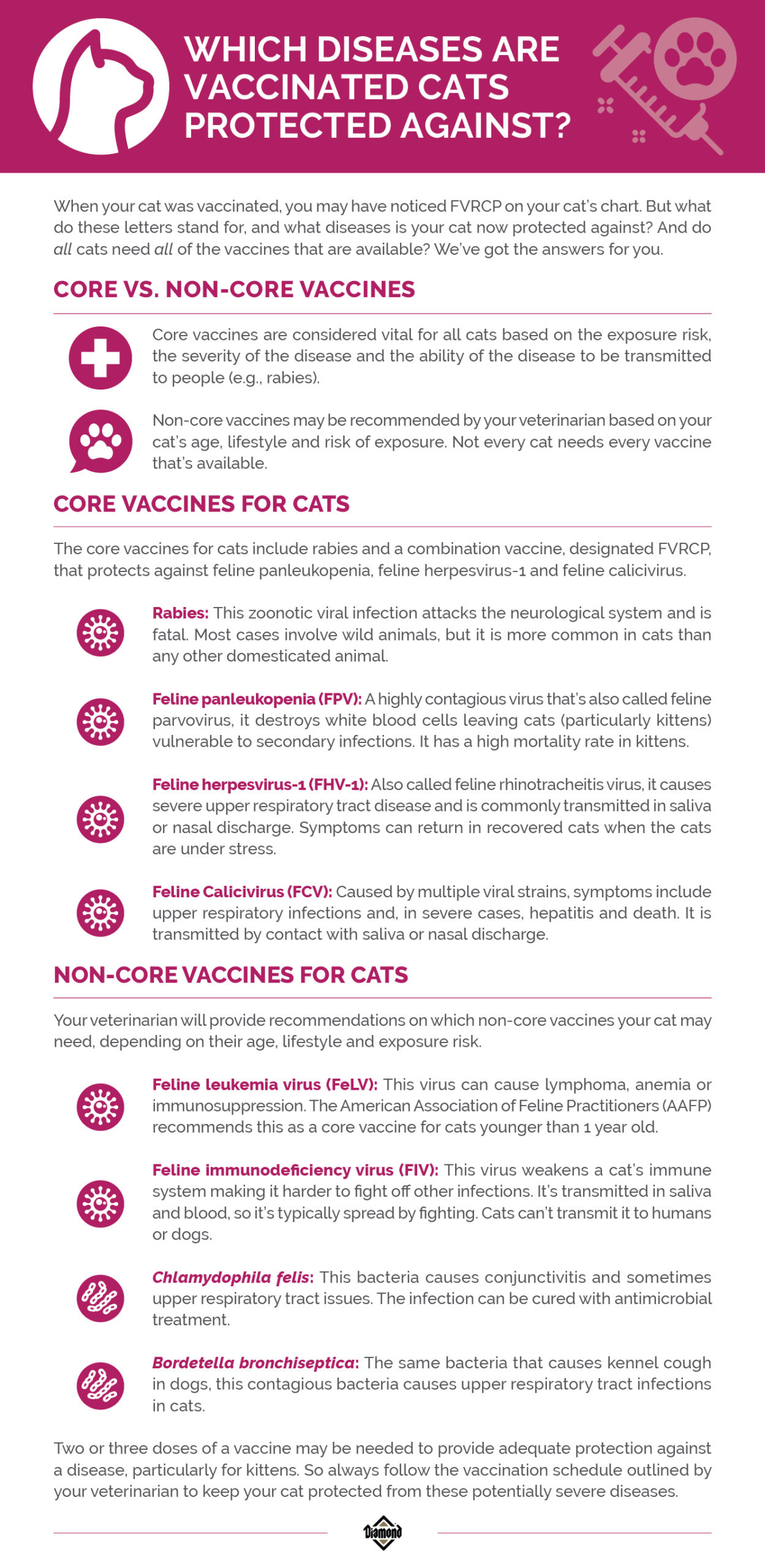
Keeping your cat healthy means understanding which vaccines are essential. Core vaccines protect against serious diseases that can be deadly or cause lifelong health problems. These vaccines are recommended for every cat, no matter their lifestyle or age.
Feline Panleukopenia
Feline Panleukopenia, also known as feline distemper, is a highly contagious viral disease. It attacks your cat’s immune system, causing severe vomiting, diarrhea, and often death. Vaccinating your cat against this virus is crucial because once infected, treatment options are very limited.
Feline Herpesvirus
This virus causes respiratory infections and eye problems in cats. Symptoms include sneezing, eye discharge, and nasal congestion, which can become chronic without vaccination. Protecting your cat reduces the chance of repeated illness and discomfort.
Feline Calicivirus
Another common cause of respiratory disease, feline calicivirus leads to mouth ulcers, sneezing, and nasal discharge. It can spread quickly in multi-cat households or shelters. Vaccinating your cat helps prevent outbreaks and keeps your pet feeling well.
Rabies
Rabies is fatal and can spread from cats to humans. It affects the nervous system, causing behavioral changes and paralysis. Many places require rabies vaccination by law, so protecting your cat also protects your family and community.
Non-core Vaccines Based On Risk
Non-core vaccines are not required for every cat. These vaccines depend on a cat’s lifestyle and environment. Some cats face higher risks of certain diseases. Owners and vets decide on these vaccines based on exposure risk and local disease prevalence. Understanding each vaccine helps protect cats effectively without unnecessary shots.
Feline Leukemia Virus
Feline Leukemia Virus (FeLV) is a serious disease. It spreads through close contact with infected cats. Outdoor cats or those living with infected cats should get this vaccine. FeLV can cause cancer and weaken the immune system. Vaccination helps reduce the risk of infection and disease spread.
Chlamydia
Chlamydia is a bacterial infection affecting the eyes and respiratory system. It spreads quickly in multi-cat homes or shelters. Cats showing eye discharge or redness might have chlamydia. This vaccine is useful for cats in crowded or high-risk places. It helps prevent outbreaks and keeps cats healthier.
Bordetella
Bordetella bronchiseptica causes respiratory disease in cats. It spreads easily through coughing and sneezing. Cats in boarding facilities or shelters have higher risk. Vaccinating helps protect against severe respiratory symptoms. This vaccine is important for cats with frequent contact with other animals.
Credit: www.diamondpet.com
Vaccination Schedule For Cats
Creating a proper vaccination schedule is vital for a cat’s health. Vaccines protect cats from serious diseases. They help build strong immunity early and maintain it throughout life.
Vaccination timing depends on the cat’s age and health status. Regular vet visits ensure the schedule stays on track. This section covers the key stages in a cat’s vaccination plan.
Kittens’ Vaccination Timeline
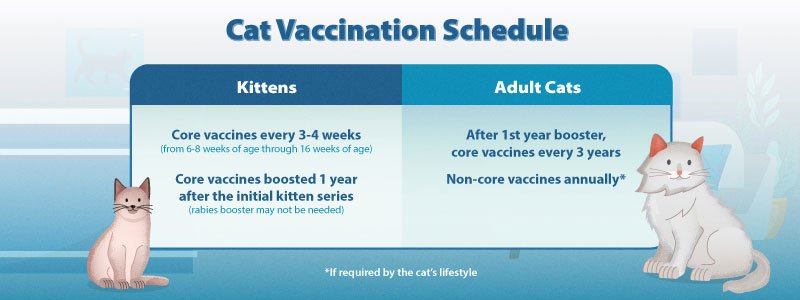
Kittens start vaccines at 6 to 8 weeks old. They get a series of shots every 3 to 4 weeks. This continues until they reach 16 weeks.
- Core vaccines include feline distemper, calicivirus, and rhinotracheitis.
- Rabies vaccine is given around 12 to 16 weeks.
- Some vets recommend vaccines for leukemia virus, depending on risk.
This schedule helps kittens build strong immunity early. It also reduces the risk of catching contagious diseases.
Adult Cats’ Booster Shots
Adult cats need booster shots to keep protection active. Boosters typically happen one year after the kitten series. Then, every 1 to 3 years based on the vaccine type.
- Core vaccines often require boosters every 3 years.
- Rabies booster timing depends on local laws.
- Non-core vaccines may need boosters yearly or as advised.
Regular boosters keep adult cats safe from infections. They help maintain immunity as cats age and face new risks.
Side Effects And Safety
Vaccines play a key role in keeping cats healthy. Like all medicines, vaccines can cause side effects. Knowing about these effects helps pet owners stay calm and act quickly if needed. Most side effects are mild and short-lived. Serious reactions are very rare. Understanding safety can ease worries about vaccinating your cat.
Common Mild Reactions
Mild reactions often show up within hours or days after vaccination. These include:
- Soreness or swelling at the injection site
- Temporary tiredness or sleepiness
- Lowered appetite for a day or two
- Mild fever
- Sneezing or mild nasal discharge (for nasal vaccines)
These symptoms usually go away on their own. They do not require special treatment. Your cat may rest more than usual. This is normal and should not cause alarm.
When To Seek Veterinary Help
Watch for signs that need quick veterinary attention. These include:
- Swelling that gets bigger or hard
- Severe vomiting or diarrhea
- Difficulty breathing or wheezing
- Sudden weakness or collapse
- High fever lasting more than two days
Allergic reactions can happen but are rare. Immediate vet care can prevent serious problems. Keep emergency contacts handy after vaccination. Early action saves lives.
Vaccines For Indoor Vs. Outdoor Cats
Deciding on the right vaccines for your cat depends heavily on whether they spend most of their time indoors or outdoors. Each lifestyle presents different health risks, which affects the vaccination plan your vet may recommend. Understanding these differences helps you protect your feline friend better.
Risk Factors For Outdoor Cats
Outdoor cats face more exposure to diseases from other animals and the environment. They can encounter viruses like feline leukemia (FeLV) and rabies more often, which makes vaccines against these illnesses crucial.
These cats also risk injuries and infections from fights or contact with wild animals. Your cat’s chances of catching parasites or bacterial infections increase significantly outside.
Have you noticed how your outdoor cat’s behavior might put them in harm’s way? This is why vets often suggest a broader vaccine schedule for outdoor cats compared to indoor ones.
Adjusting Vaccines For Indoor Cats
Indoor cats generally have a lower risk of catching contagious diseases. However, they aren’t completely safe from viruses because some can be transmitted through people or other pets.
Vaccines for indoor cats focus on protecting against common infectious diseases like feline herpesvirus and calicivirus. These are often spread through close contact in multi-cat homes.
It’s worth asking your vet if certain vaccines can be spaced out or reduced based on your cat’s lifestyle. Tailoring the vaccine plan ensures your cat gets the right protection without unnecessary shots.
Cost And Accessibility Of Vaccines
Understanding the cost and accessibility of vaccines for your cat is crucial when planning their healthcare. Vaccinations can sometimes seem expensive, but finding the right options can make them affordable and convenient. Let’s look at where you can get vaccines and how to manage the expenses without compromising your cat’s health.
Vaccination Clinics And Options
You don’t have to rely solely on your regular vet for vaccinations. Many communities offer low-cost vaccination clinicsthat provide essential shots at a fraction of the price. These clinics often run monthly or quarterly, making it easier to schedule around your time.
Animal shelters and pet stores sometimes partner with vets to host vaccination drives. These events are designed to increase accessibility, especially for pet owners on a tight budget. Have you checked if your local shelter offers such services? It might save you a lot of money.
Mobile vet services are another option, bringing vaccines directly to your doorstep. This can be a great solution if you have difficulty traveling or if your cat is anxious about car rides. Keep in mind, though, these services may charge a small convenience fee.
Financial Assistance For Pet Owners
Worried about affording vaccines? You’re not alone, and there are resources to help. Some organizations offer grants or subsidies to pet owners who need financial support for vaccinations.
- Local animal welfare groupssometimes provide vouchers or discounts for essential pet care.
- Nonprofit clinicsoften have sliding scale fees based on your income.
- Payment plansor pet insurance can spread out costs, making it easier to budget for your cat’s healthcare.
Think about reaching out to these groups before your cat’s next vaccine due date. Could investing a little time in research help you protect your cat without breaking the bank?

Credit: millsanimalhospital.com
Role Of Regular Vet Visits
Regular vet visits play a key role in keeping your cat healthy beyond just vaccines. These visits allow early detection of many health problems. Your vet can spot signs of illness that are easy to miss at home. Routine checkups help maintain your cat’s overall well-being and comfort.
Vaccines protect against specific diseases, but a vet visit covers much more. It is a chance to check your cat’s weight, teeth, skin, and behavior. This helps prevent serious health issues before they start.
Health Monitoring Beyond Vaccines
Vets watch for changes in your cat’s health during each visit. They check vital signs like heart rate and breathing. They also look for lumps, sores, or other unusual symptoms. Early treatment can stop many diseases from getting worse.
Regular visits help catch hidden problems. Kidney disease, dental issues, and arthritis are common in cats. These conditions often show no clear signs at first. Vet exams help manage these problems early.
Keeping Vaccination Records Updated
Maintaining accurate vaccine records is important for your cat’s health. Your vet keeps track of which vaccines your cat has had and when. This helps schedule booster shots on time.
Updated records also protect your cat during emergencies or boarding stays. Many places require proof of current vaccinations. A well-kept vaccination history avoids delays and stress.
Ask your vet to review your cat’s vaccine needs at every visit. Vaccination schedules may change as your cat ages or if risks increase. Staying informed ensures your cat remains protected year-round.
Frequently Asked Questions
Do Indoor Cats Need Vaccines?
Yes, indoor cats still need vaccines. Diseases can enter through open doors or contact with other animals. Vaccines protect against serious illnesses and keep your cat healthy.
What Vaccines Are Essential For Cats?
Core vaccines include rabies, feline distemper, and calicivirus. These vaccines protect cats from common, deadly diseases. Your vet will recommend the right vaccine schedule.
How Often Should Cats Get Vaccinated?
Cats typically need vaccines annually or every three years. Your vet determines the best schedule based on your cat’s age and health. Regular boosters maintain immunity.
Are Cat Vaccines Safe?
Yes, cat vaccines are safe and well-tested. Side effects are rare and usually mild, such as slight swelling or mild fever. Vaccination benefits far outweigh risks.
Conclusion
Vaccines protect cats from serious diseases. They keep your pet healthy and safe. Regular shots help prevent infections and spread. Cats with vaccines live longer, happier lives. Talk to your vet about the best vaccine plan. Stay informed and care for your furry friend.
Prevention is always better than treatment. Simple steps make a big difference in cat health. Don’t skip vaccines—they matter a lot. Your cat deserves the best care possible.
