


If you have a cat, you’ve probably wondered, “Do cats need two litter boxes?” It’s a simple question, but the answer can make a big difference for your furry friend’s comfort and your home’s cleanliness. You want to keep your cat happy and healthy, and the right number of litter boxes plays a key role.
Keep reading to discover why having more than one litter box might be the secret to a happier cat and a fresher home.
Benefits Of Multiple Litter Boxes
Providing multiple litter boxes offers clear benefits for cats and their owners. It helps keep cats comfortable and reduces problems related to litter box use. More than one box means less stress and better hygiene for your feline friends.
Improves Hygiene And Cleanliness
More litter boxes mean less crowding. Cats avoid using dirty litter, which lowers the chance of accidents outside the box. Clean litter boxes reduce smells and keep your home fresh.
Reduces Stress And Territorial Behavior
Cats are territorial animals. Having multiple boxes prevents fights over one spot. This helps reduce anxiety and creates a calm environment for each cat.
Supports Multiple Cats In One Home
Each cat needs its own space. Multiple boxes ensure all cats have access. This prevents competition and keeps peace among pets.
Helps Detect Health Problems Early
Separate boxes make it easier to watch each cat’s bathroom habits. Changes in litter box use can signal health issues. Early detection leads to faster treatment.
Factors Influencing Litter Box Needs
Several factors affect how many litter boxes a cat needs. The right number depends on the home and the cats’ habits. Understanding these factors helps keep cats happy and healthy.
Number Of Cats In The Household
More cats usually need more litter boxes. A good rule is one box per cat, plus one extra. This reduces fights and stress. Cats prefer their own space for bathroom needs.
Size And Layout Of Living Space
Big homes might need more boxes in different rooms. Cats like privacy and easy access. Spreading boxes out prevents accidents and keeps cats comfortable. Small homes may manage with fewer boxes but should place them carefully.
Cat Personality And Behavior
Some cats are picky about their litter box. Dominant cats might block others from using one box. Shy cats may avoid boxes in busy areas. Watch your cats’ habits to decide how many boxes they need.
Choosing The Right Litter Box
Choosing the right litter box is essential for your cat’s comfort and hygiene. It affects how often your cat uses it and keeps your home clean. Picking the best type, size, and place for the litter box can make a big difference. This section covers key points to help you select the perfect litter box for your cat.
Types Of Litter Boxes
Cats use different types of litter boxes. Open boxes are simple and easy to clean. Covered boxes offer privacy and reduce odors. Self-cleaning boxes save time by automatically removing waste. Consider your cat’s habits and preferences when choosing.
Size And Accessibility
Pick a litter box large enough for your cat to turn comfortably. Bigger boxes suit larger cats or multiple cats. Low-sided boxes help kittens and older cats easily enter. Make sure the box is easy to reach and use every day.
Location Considerations
Place litter boxes in quiet, low-traffic areas. Avoid noisy spots near appliances or loud machines. Keep boxes away from food and water bowls. Provide multiple boxes if you have several cats or a large home.

Credit: neakasa.com
Maintaining Litter Box Hygiene
Maintaining litter box hygiene is key to keeping cats healthy and happy. Clean boxes reduce stress and prevent infections. It also helps control odors and keeps your home fresh. A clean litter box encourages cats to use it consistently. This section covers cleaning frequency, types of litter, and tips to prevent odor.
Cleaning Frequency
Clean the litter box daily by scooping out waste. Full litter should be changed at least once a week. More frequent changes may be needed for multiple cats. Regular cleaning prevents bacteria growth and bad smells. Always wash the box with mild soap and warm water before adding fresh litter.
Types Of Litter
There are many types of cat litter to choose from:
- Clumping clay litter: easy to scoop and control odor.
- Non-clumping clay litter: absorbs moisture but needs frequent changing.
- Silica gel crystals: control odor well and last longer.
- Natural litter: made from corn, wheat, or pine; eco-friendly and biodegradable.
Choose a litter type your cat prefers and that suits your cleaning routine.
Preventing Odor
Odor control keeps the home pleasant. Use these tips:
- Scoop waste daily to reduce smell.
- Change litter regularly to avoid buildup.
- Wash the box thoroughly during litter changes.
- Place the litter box in a well-ventilated area.
- Try baking soda mixed lightly with litter to absorb smells.
Signs Your Cat Needs More Litter Boxes
Recognizing when your cat needs more litter boxes can save you from frustrating cleanups and keep your feline friend happy. Cats are particular about their bathroom habits, and subtle changes in their behavior often signal the need for additional litter boxes. Paying close attention to these signs can improve your cat’s comfort and prevent unwanted messes.
Inappropriate Elimination
If your cat starts urinating or defecating outside the litter box, it’s a clear red flag. This behavior often means your cat is unhappy with the current number or cleanliness of the boxes. You might notice accidents near doors or in quiet corners your cat prefers—these spots can indicate your cat’s search for a better place to go.
Have you ever found a surprise on the carpet after a busy day? Adding a second litter box can help if your cat feels the existing one isn’t enough for their needs or if it gets used too quickly. Multiple boxes reduce the chance of your cat holding it in or choosing an inappropriate spot.
Litter Box Avoidance
Does your cat avoid the litter box altogether? This avoidance can stem from overcrowding or discomfort with the current setup. Cats often want privacy, so if the single box is in a high-traffic area, your cat might refuse to use it.
Think about your home layout. Placing an additional litter box in a quieter, more accessible spot can encourage your cat to use it consistently. You might find that your cat returns to good litter habits quickly once they have more options.
Increased Stress And Anxiety
Stress affects cats’ bathroom habits more than you might expect. If your cat acts restless, hides more than usual, or seems anxious, their litter box situation could be a factor. Sharing one box with multiple cats or an insufficient number of boxes can heighten stress.
Adding extra litter boxes can reduce tension by giving your cat a safe, reliable place to go. Have you noticed calmer behavior after improving your cat’s litter setup? This small change often leads to big improvements in your cat’s overall well-being.
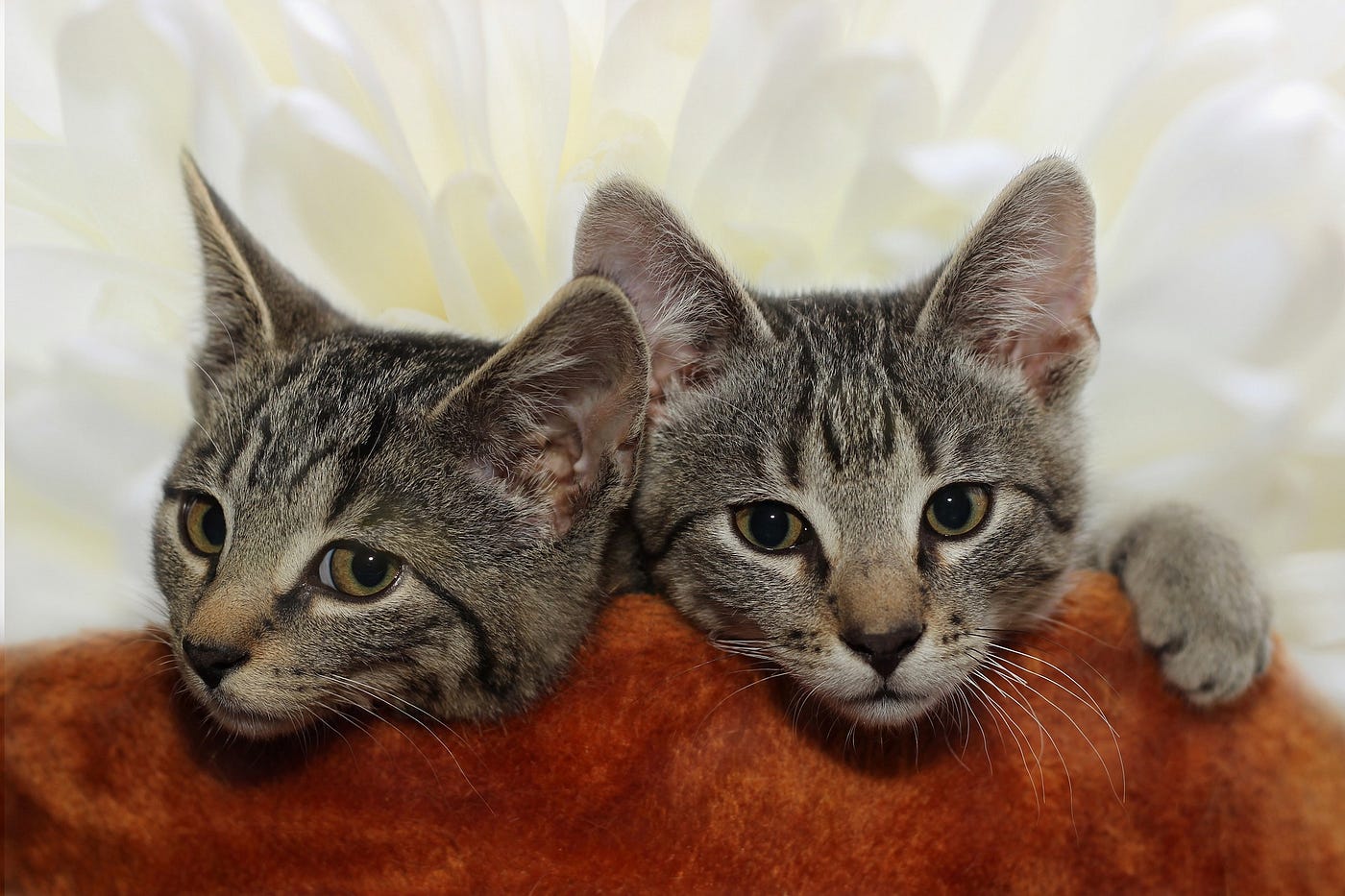
Credit: medium.com
Adapting To Changes In Litter Box Needs
Adjusting the number and placement of litter boxes is crucial as your cat’s needs change. These shifts often happen when new cats join your home, when your living environment changes, or as your cat ages. Paying close attention to these moments can prevent litter box issues and keep your cat comfortable.
Introducing New Cats
Adding a new cat to your household can create stress around litter box use. Cats are territorial, and sharing a single litter box might lead to conflicts or avoidance. To ease the transition, try adding an extra litter box right away—this helps reduce competition and gives each cat its own space.
Have you noticed your cats avoiding the litter box after a new pet arrives? This often signals the need for more boxes or better placement to keep peace. Remember, the general rule is to provide one litter box per cat plus one extra.
Changes In Living Environment
Moving to a new home or rearranging furniture can confuse your cat’s bathroom routine. They rely heavily on familiar scents and locations, so sudden changes may cause litter box avoidance. Placing multiple litter boxes in easily accessible, quiet spots can help your cat adapt faster.
Consider how your cat moves through your home. If doors are closed or areas become harder to reach, adding an extra box nearby can prevent accidents. Are there new distractions or noises near the litter area? Sometimes a simple relocation of the box solves the problem.
Aging And Health Considerations
Older cats often face mobility issues or health problems like arthritis and urinary tract infections. These conditions make it harder for them to reach or use a litter box comfortably. Providing additional litter boxes on different levels or closer to their favorite resting spots can make a big difference.
You might find your senior cat struggling with a high-sided litter box. Switching to one with lower sides and keeping multiple boxes available can ease their discomfort. Watching for changes in their bathroom habits can alert you early to health concerns and the need for more boxes.
Tips For A Cat-friendly Home Environment
Creating a cat-friendly home environment goes beyond just providing litter boxes. It’s about making your space a safe, stimulating, and healthy place where your cat feels comfortable and happy. Paying attention to these details can improve your cat’s well-being and reduce behavioral issues.
Creating Safe Spaces
Cats need spots where they can retreat and feel secure. These safe spaces can be quiet corners, cozy beds, or elevated perches where your cat can observe without feeling threatened.
Think about your cat’s personality. Are they shy or outgoing? Offering a variety of hideouts can help them choose what suits them best. A simple cardboard box or a dedicated cat tree can make a big difference.
Providing Enrichment Activities
Keeping your cat mentally and physically stimulated prevents boredom and stress. Toys that mimic hunting, like feather wands or laser pointers, tap into their natural instincts.
Rotate toys regularly to keep your cat interested. Puzzle feeders also add challenge and reward, making mealtime more engaging for your feline friend.
Ensuring A Balanced Diet
Your cat’s diet affects their energy, mood, and overall health. Providing high-quality food with the right nutrients supports a strong immune system and healthy digestion.
Consult your vet about the best diet for your cat’s age and health needs. Don’t forget to keep fresh water available at all times to encourage proper hydration.
:max_bytes(150000):strip_icc():focal(1999x0:2001x2)/peo-cat-litter-boxes-may-24-test-iprimio-enclosed-stainless-steel-xl-tracy-allison-43-42c40586ffd2487bae91a3e1cf4f7071.jpeg)
Credit: people.com
Frequently Asked Questions
Do Cats Prefer Having Two Litter Boxes?
Yes, many cats prefer two litter boxes to avoid territorial issues and maintain cleanliness. It reduces stress and helps prevent accidents outside the box.
How Many Litter Boxes Do I Need For Two Cats?
For two cats, it’s best to have at least three litter boxes. This ensures each cat has enough space and reduces competition.
Can One Litter Box Cause Cat Behavior Problems?
Yes, sharing one litter box can lead to stress, aggression, or inappropriate elimination. Multiple boxes help promote harmony and comfort.
Where Should I Place Multiple Litter Boxes?
Place litter boxes in quiet, accessible, and separate locations. Avoid placing them near food or water to encourage usage.
Conclusion
Cats often prefer having their own space for litter. Two litter boxes help reduce stress and keep areas clean. Multiple boxes can prevent accidents outside the tray. This is especially true for homes with more than one cat. Keeping litter boxes fresh and accessible makes cats happy.
Clean boxes encourage good habits and comfort. Consider your cat’s needs and space when choosing litter boxes. A simple change can improve your cat’s daily life. Two litter boxes often mean a happier, healthier cat.
