

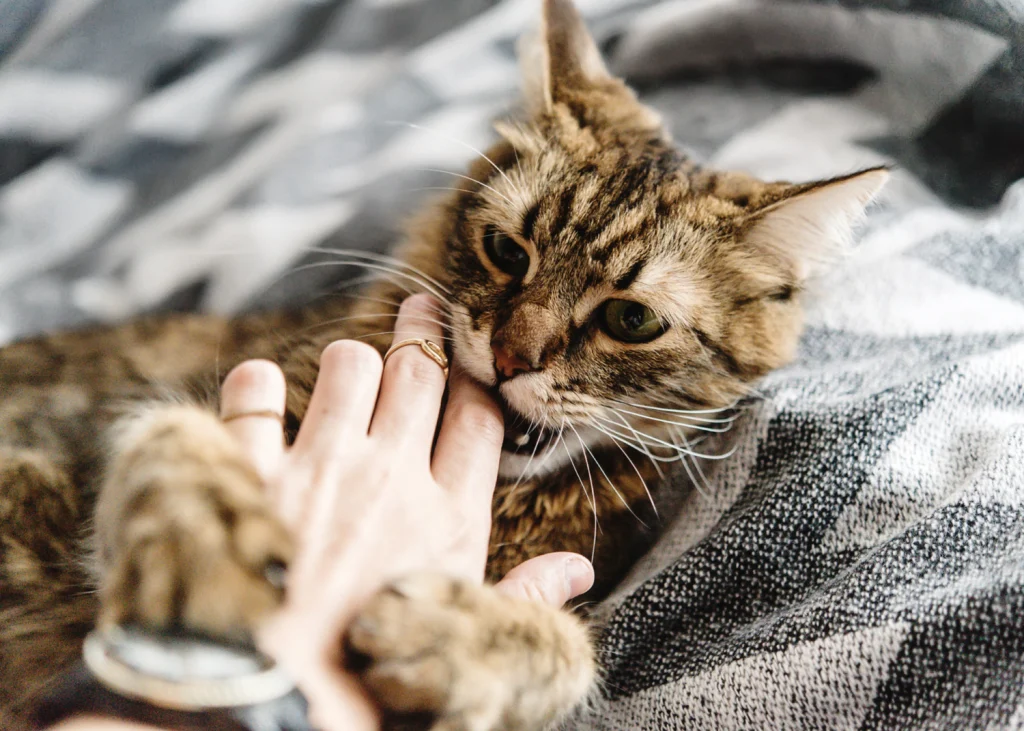
Have you ever wondered why your cat suddenly starts scratching or biting you? It can be confusing and even a little painful.
But is this behavior something your cat needs to do? Understanding why your furry friend acts this way can change how you see their actions—and help you build a stronger bond. Keep reading to discover the surprising reasons behind these behaviors and what you can do to keep both you and your cat happy and safe.
Why Cats Scratch And Bite
Cats scratch and bite to communicate or play. These actions help them explore their world and release energy. Understanding this behavior can improve your bond with them.
Understanding why cats scratch and bite can feel like trying to decode an ancient language. These behaviors are often misunderstood, leading many pet owners to wonder if they’re doing something wrong. However, these actions are perfectly normal and serve various purposes for our feline friends. Let’s explore the reasons behind these behaviors to help you better understand your cat’s needs and instincts.Instinctive Behaviors
Cats are hardwired with instincts that drive them to scratch and bite. Scratching helps them keep their claws sharp and healthy, while biting can be a form of grooming or a response to overstimulation. These behaviors are not acts of aggression; they’re deeply rooted in their wild ancestry. Have you ever noticed how a cat will scratch a post with such determination? They’re not just sharpening their claws but also stretching their muscles and marking their territory.Communication Methods
Scratching and biting are essential communication tools for cats. These actions can signal a range of emotions, from excitement to frustration. If your cat nips at you during play, it might be their way of saying they’re having fun or that they need a break. Observing your cat’s body language can offer clues about what they’re trying to communicate. Are their ears back or tail flicking? They might be telling you they’re overstimulated and need some space.Play And Hunting Practice
Playtime for cats often mimics hunting, a crucial survival skill. This is why your cat might pounce on your toes or swat at dangling objects. These behaviors are all about refining their hunting skills. When you engage in play with your cat, you’re not just entertaining them; you’re helping them practice essential survival tactics. Consider introducing toys that mimic prey to satisfy their hunting instincts and reduce unwanted biting or scratching on you. Understanding these behaviors can transform your relationship with your cat. Next time they scratch or bite, you’ll know it’s not about you—it’s about them being a cat. How can you create a more harmonious environment that respects these natural behaviors?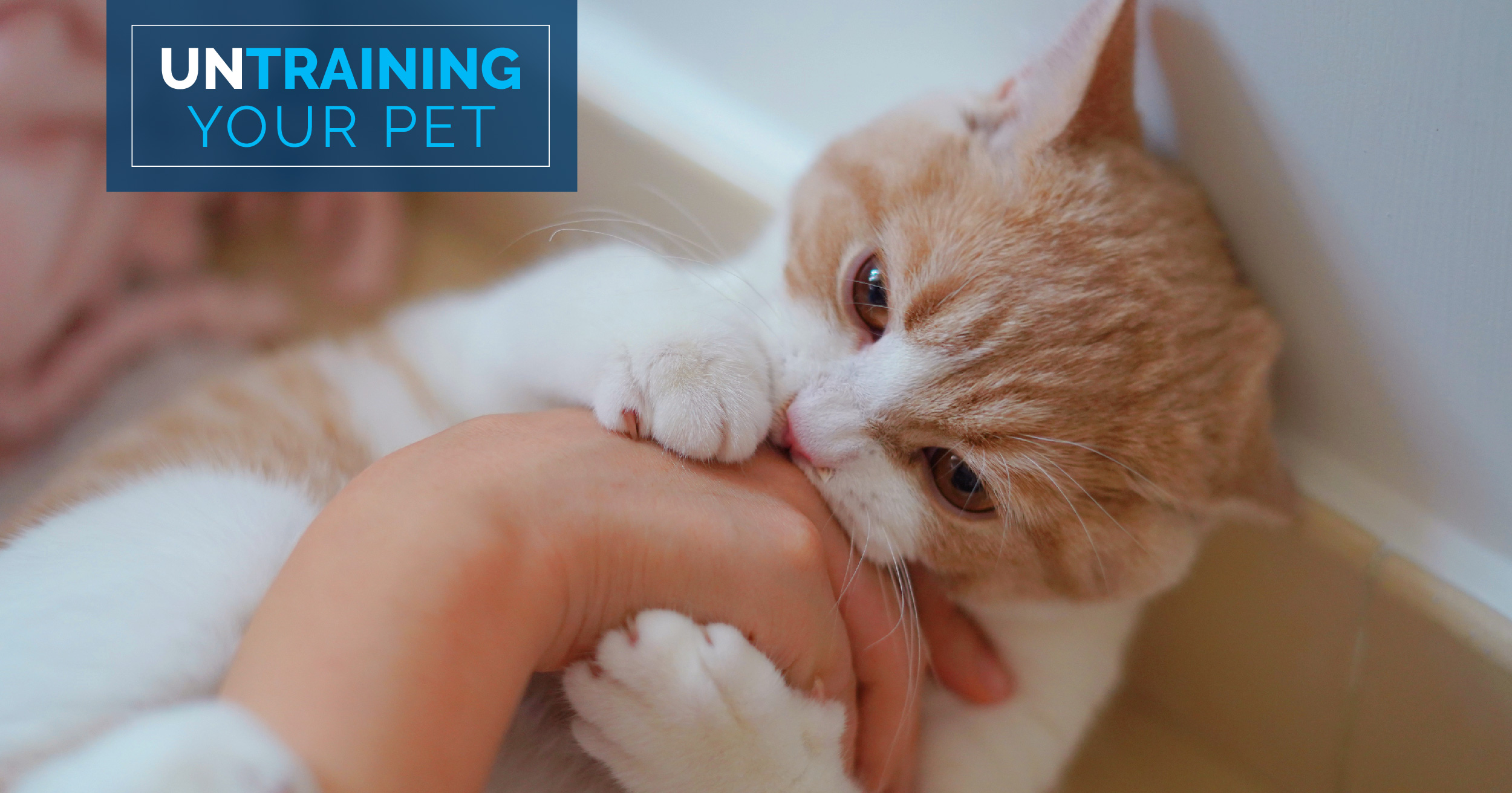
Credit: www.diamondpet.com
Signs Your Cat Is About To Scratch Or Bite
Recognizing the signs that your cat is about to scratch or bite can save you from unexpected pain and help maintain a healthy bond with your furry friend. Cats communicate their feelings clearly, but their signals are subtle. Paying attention to these signs lets you respond appropriately before things escalate.
Body Language Cues
Watch your cat’s posture closely. A tense body, raised fur, or crouched position often means your cat feels threatened or overstimulated. If your cat suddenly freezes or starts shifting weight from one paw to another, it might be preparing to defend itself.
Have you noticed your cat’s eyes dilate or pupils narrow? Both can signal agitation or excitement, increasing the chances of a scratch or bite. Learning to read these cues helps you step back in time.
Tail And Ear Movements
Your cat’s tail is a powerful communicator. A rapidly twitching or lashing tail usually shows irritation or frustration. A stiff tail held low can indicate fear or discomfort, warning you to give your cat space.
Ears flattened against the head or swiveling backward are clear red flags. These movements often precede aggressive behavior. Next time your cat’s ears go flat, try to pause and reassess the situation before continuing interaction.
Vocalizations To Watch For
Pay attention to the sounds your cat makes. Hissing, growling, or low-pitched meows are classic warnings. These vocalizations mean your cat is unhappy and may be ready to lash out.
Even sudden silence can be a signal. When a usually vocal cat becomes quiet and stiff, it might be suppressing its warning signs before striking. Have you ever experienced this silent tension before a cat attack? Recognizing it early can help you avoid bites and scratches.
When Scratching And Biting Are Normal
Scratching and biting are common behaviors in cats. These actions often confuse pet owners. Understanding when these behaviors are normal helps in building a better bond with your cat. Cats use scratching and biting to communicate and explore their world. Recognizing normal behavior prevents unnecessary worry and helps you respond appropriately.
Kitten Playfulness
Kittens use scratching and biting to play and learn. This behavior helps them develop hunting skills. Playful biting is usually gentle and not meant to hurt. Kittens often bite fingers or toes as part of their play. This stage is important for their growth and social development.
Exploring Boundaries
Cats test limits through scratching and biting. They learn what is acceptable by watching your reactions. Scratching furniture or clothing is part of this exploration. Biting can be a way to see how much they can get away with. Setting clear boundaries guides your cat to better behavior.
Attention Seeking
Cats sometimes scratch or bite to get attention. They want interaction or to express needs. This may happen when they feel bored or lonely. Responding calmly helps teach them better ways to ask. Understanding this helps reduce unwanted scratching and biting.
When Scratching And Biting Become A Problem
Scratching and biting are normal cat behaviors but become a problem when they cause harm. These actions might seem playful or accidental at first. Yet, they can lead to pain or fear if they happen too often or too hard. Understanding why cats scratch or bite helps manage and reduce these behaviors.
Aggression Triggers
Cats may scratch or bite due to aggression. This can come from feeling threatened or defending territory. Sudden movements or loud noises might provoke this behavior. Sometimes, cats show aggression to protect their food or toys. Recognizing these triggers helps prevent aggressive incidents.
Fear And Anxiety
Fear makes cats act defensively. When scared, cats may bite or scratch to protect themselves. New environments, strangers, or other pets can cause anxiety. Cats often hide but may lash out if cornered. Creating a safe space reduces fear-based aggression.
Overstimulation
Too much petting or play can overwhelm cats. Overstimulation leads to sudden bites or scratches. Signs include tail flicking, flattened ears, or wide eyes. Short play sessions and watching cat signals prevent overstimulation problems. Respecting their limits keeps interactions positive.
How To Manage And Redirect Scratching
Managing and redirecting your cat’s scratching is essential for a happy home. Cats scratch to mark territory, stretch muscles, and keep claws healthy. Directing this natural behavior helps protect your furniture and keeps your cat content.
Providing Appropriate Toys
Toys can distract cats from scratching people or furniture. Use toys that mimic prey, such as feather wands or small balls. Rotate toys often to keep your cat interested. Interactive toys encourage movement and reduce boredom.
Using Scratch Posts
Scratch posts offer a proper place for cats to scratch. Choose posts with sturdy bases and rough materials like sisal. Place posts near favorite resting spots or entryways. Encourage use by rubbing catnip on the post or playing nearby.
Positive Reinforcement Techniques
Reward your cat when it scratches the right objects. Use treats, gentle praise, or petting as rewards. Avoid punishing your cat for scratching; it can cause fear and worsen behavior. Consistency helps your cat learn what is acceptable.

Credit: www.reddit.com
How To Reduce Biting Behavior
Biting and scratching are common behaviors in cats. These actions can be playful or signs of stress. Reducing biting helps improve your bond and keeps both safe. Consistent actions and calm responses often change your cat’s behavior over time. Below are effective ways to reduce biting.
Setting Clear Boundaries
Teach your cat which behaviors are okay. Use a firm voice to say “no” when biting occurs. Stop play immediately if your cat bites. Walk away or ignore your cat for a short time. This shows biting ends fun. Offer toys to redirect biting from your skin to something safe. Reward gentle play with treats or affection.
Avoiding Rough Play
Use toys instead of hands during playtime. Hands can encourage biting and scratching. Choose wand toys or balls to keep distance. Keep play sessions short and calm. Stop if your cat gets too excited or aggressive. Calm play teaches your cat to control energy and bite less.
Calming Strategies
Create a quiet space for your cat to relax. Use soft bedding and toys in this area. Gentle petting and slow movements help calm your cat. Try pheromone diffusers designed to reduce stress in cats. Regular play and exercise reduce excess energy and frustration. A calm cat is less likely to bite or scratch.
When To Seek Professional Help
Knowing when to seek professional help for your cat’s scratching and biting behavior can save you from frustration and prevent harm. Sometimes, these actions signal deeper issues that you might not easily fix on your own. Recognizing the right moment to get expert advice ensures your cat stays happy and your bond remains strong.
Behavioral Consultation
If your cat’s scratching and biting seem aggressive or sudden, a behavioral consultation can uncover hidden triggers. Professionals can identify stressors or anxiety that cause your cat to act out. Have you noticed specific times or situations when your cat becomes more aggressive? Sharing these details helps the consultant tailor a plan just for your pet.
Veterinary Checkups
Physical health problems often lead to unusual biting or scratching. Your cat might be in pain or discomfort, which you can’t see right away. Regular veterinary checkups rule out issues like skin infections, allergies, or dental pain that could be causing the behavior. Don’t wait if the scratching results in wounds or if the biting is unusually harsh—your vet can diagnose and treat underlying problems quickly.
Training Resources
Sometimes, your cat needs more structured guidance to learn acceptable play and interaction boundaries. Professional trainers offer resources and techniques that you can use at home. These include redirecting your cat’s energy with toys or teaching gentle play through positive reinforcement. Have you tried different toys or commands but still struggle? Training experts can provide fresh ideas that fit your cat’s personality and your lifestyle.

Credit: www.catschool.co
Frequently Asked Questions
Why Do Cats Scratch And Bite Their Owners?
Cats scratch and bite to communicate, play, or defend themselves. It’s natural behavior but may signal overstimulation or stress. Understanding these cues helps improve your bond and manage unwanted actions effectively.
Is Scratching And Biting Necessary For Cats’ Health?
Yes, scratching keeps cats’ claws sharp and muscles toned. Biting during play hones hunting skills. These behaviors are essential for their physical and mental well-being when properly directed.
How Can I Stop My Cat From Scratching And Biting Me?
Redirect your cat’s energy to toys and scratching posts. Use positive reinforcement for gentle behavior. Avoid rough play that encourages biting or scratching to minimize these habits.
Do Cats Bite And Scratch Out Of Aggression Or Play?
Both reasons are common. Playful cats may bite softly and scratch gently. Aggressive cats show harder bites and more intense scratching. Recognizing the difference helps address the cause properly.
Conclusion
Cats scratch and bite to express feelings and explore surroundings. These actions are normal but need guidance. Teach your cat what is okay and what is not. Offer toys to redirect their energy and keep them happy. Pay attention to their mood to prevent unwanted bites or scratches.
Gentle training builds trust between you and your pet. Understanding your cat helps create a peaceful home. Patience and care make a big difference in behavior. Keep communication clear and enjoy a loving bond with your cat.
