


Have you ever wondered if your cat needs a daily walk like a dog? Maybe you’ve seen videos of cats on leashes and asked yourself, “Is this really necessary?” You’re not alone.
Understanding whether your furry friend benefits from walks can change how you care for them. You’ll discover the surprising truth about cats and walking. By the end, you’ll know exactly what your cat needs to stay happy and healthy—no guesswork involved.
Keep reading to find out if walks should be part of your cat’s routine.

Credit: www.petplan.co.uk
Cats And Outdoor Activity
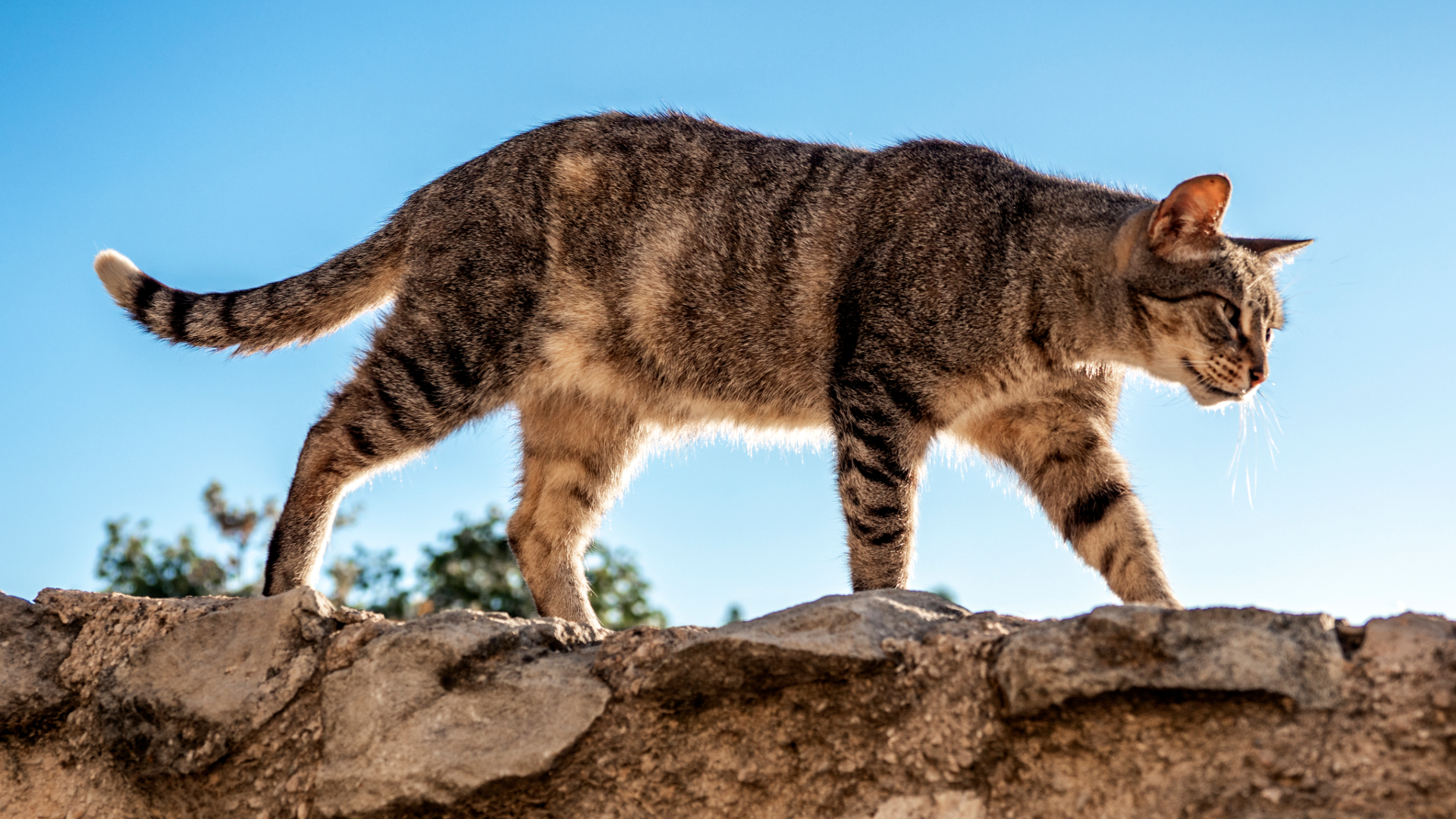
Cats enjoy fresh air and new sights, but they usually don’t need daily walks like dogs. Many cats prefer exploring safely in a backyard or on a leash for short periods. Walking can offer exercise but isn’t essential for every cat’s well-being.
Cats are known for their independent nature. But they also need activity to stay healthy. Engaging in outdoor activities can be beneficial for them. Some cats enjoy the thrill of exploring new places. Others prefer the safety of their home. Understanding a cat’s needs helps in deciding their outdoor activity level.Natural Instincts And Exploration
Cats have natural hunting instincts. They love to chase and explore. Outdoor activities satisfy these instincts. Exploring new environments keeps their mind active. It provides mental stimulation. Cats are curious by nature. They enjoy discovering new sights and smells. Outdoor exploration can be exciting for them.Indoor Vs Outdoor Cats
Indoor cats are often safer. They avoid dangers like traffic and predators. Yet, they might lack physical exercise. Outdoor cats enjoy more freedom. They can roam and explore. But they face risks like injury or getting lost. Balancing outdoor time with safety is important. Consider a secure garden or supervised walks. It provides outdoor experience without the risks.Benefits Of Walking Cats
Walking your cat might sound unusual, but it offers several benefits that can improve your furry friend’s quality of life. Beyond just a change of scenery, walking helps cats stay active, alert, and connected with you in meaningful ways. Have you ever noticed how your cat’s energy spikes after a little outdoor adventure? That’s just the beginning.
Physical Exercise
Cats need movement to maintain a healthy weight and strong muscles, just like people do. Walking encourages your cat to stretch, run, and explore, which helps prevent obesity and related health problems.
Even a short walk can boost their cardiovascular health and keep joints flexible. If your cat tends to be lazy indoors, walking offers a natural way to burn off excess energy.
Mental Stimulation
New sights, sounds, and smells outdoors engage your cat’s senses in ways that indoor life can’t match. Walking exposes them to different environments, which challenges their brain and reduces boredom.
Curious cats benefit from this mental workout, which can decrease destructive behaviors at home. Can you imagine your cat’s excitement when spotting a bird or sniffing fresh grass?
Strengthening Owner Bond
Walking your cat creates unique bonding moments that deepen your relationship. It requires trust and cooperation, which helps your cat see you as a reliable partner.
Sharing outdoor time can make your cat more social and affectionate. Have you tried walking your cat and noticed how they look to you for guidance and comfort?
Challenges Of Walking Cats
Walking a cat sounds simple, but it comes with its own set of challenges that you might not expect. Unlike dogs, cats are naturally cautious and independent, which makes the idea of leash training and outdoor adventures more complex. Understanding these challenges will help you decide if walking your cat is right for both of you.
Training Difficulties
Training a cat to walk on a leash takes patience and time. Cats don’t respond to commands the way dogs do, so you’ll need to use positive reinforcement and gentle encouragement.
Many cats resist wearing a harness at first, often trying to wriggle out or freeze in place. You might find yourself spending weeks just getting your cat comfortable with the harness before even thinking about stepping outside.
Have you noticed how your cat reacts to new experiences? Their cautious nature means you must go slow and respect their limits to avoid stress or fear.
Safety Concerns
Walking a cat outside introduces safety risks that you need to consider carefully. Cars, dogs, and loud noises can scare your cat and cause sudden, unpredictable reactions.
Even in familiar areas, cats might try to bolt or hide, which could lead to injuries or getting lost. Keeping your cat’s collar and ID tags updated is essential before any outdoor excursion.
Think about your neighborhood—are there busy streets or aggressive animals nearby? These factors can make walking your cat dangerous and not worth the risk.
Equipment Needs
Choosing the right equipment is crucial for a successful walk with your cat. A well-fitting harness is better than a collar, as it distributes pressure and prevents choking.
Leashes made specifically for cats offer more control and less chance of tangling. Some owners also carry treats or toys to keep their cats engaged during walks.
Have you checked if your local pet stores stock cat-specific walking gear? Investing in proper equipment shows respect for your cat’s comfort and safety.
Credit: www.petsradar.com
Alternatives To Walking
Not every cat enjoys or needs a walk outside. Luckily, there are plenty of alternatives that keep your feline friend active and happy indoors or in safe outdoor areas. These options can enrich your cat’s life without the risks or hassle of leash training.
Indoor Play And Enrichment
Creating a stimulating indoor environment is key to keeping your cat entertained and healthy. Toys like feather wands, laser pointers, and puzzle feeders challenge your cat’s mind and body. Rotate toys regularly to keep your cat curious and excited.
Try setting up climbing shelves or cat trees to encourage jumping and exploring. Your cat will appreciate having vertical space to survey their territory. Interactive play sessions with you not only provide exercise but also strengthen your bond.
Have you noticed how your cat reacts to different toys? Observing what excites them can help you choose better activities. Simple things like hiding treats or creating paper bag tunnels can spark your cat’s natural hunting instincts right at home.
Catios And Secure Outdoor Spaces
If your cat enjoys the outdoors but you worry about safety, a catio is a great solution. These enclosed patios let your cat experience fresh air and sunshine without the dangers of traffic or predators. Building a catio can be as simple as attaching a mesh enclosure to a window or door.
Secure outdoor spaces also offer fresh scents and sounds that stimulate your cat’s senses. Watching birds or feeling the breeze adds variety to their routine. You can even add climbing platforms, ramps, or shaded spots to make the area more inviting.
Does your cat show interest in windows or balconies? Consider how you can safely extend their environment. Even a small balcony with a sturdy enclosure can become a favorite hangout spot for your cat.
Tips For Walking Cats Safely
Walking a cat can be a fun and rewarding activity. It helps your cat explore safely and get fresh air. Cats are different from dogs. They need gentle guidance and patience to enjoy walks. Here are important tips for walking cats safely.
Choosing The Right Harness
Pick a harness made for cats, not dogs. Cat harnesses fit snugly without hurting. Look for soft, breathable material. Avoid collars for walking; cats can slip out easily. Adjustable straps help get the perfect fit. Test the harness indoors before going outside. Let your cat wear it for short times. This helps them get used to the feel.
Starting Slow And Building Trust
Start with short sessions in a quiet spot. Let your cat explore at their own pace. Carry treats and praise often to encourage them. Avoid busy or noisy places at first. Keep walks short—around 5 to 10 minutes. Gradually increase time as your cat gets comfortable. Always watch your cat’s reactions and respect their limits.
Recognizing Stress Signals
Look for signs of stress to keep your cat safe. Common signs include:
- Ears flat or turned back
- Tail tucked or flicking rapidly
- Hiding or crouching low
- Vocalizing loudly or growling
- Trying to escape or resist the harness
Stop the walk if your cat shows stress. Return indoors and try again later. Patience helps build trust and makes walking enjoyable.
When Walking Might Not Be Needed
Walking cats is not always necessary. Many cats feel happy and active indoors. Their needs depend on many things like breed, personality, and health. Some cats prefer quiet spaces and don’t want to go outside. Others may have health issues that make walking hard or unsafe. Understanding when walking might not be needed helps keep cats safe and stress-free.
Breed And Personality Factors
Certain cat breeds enjoy outdoor walks more than others. Active breeds like Bengals or Abyssinians often love exploring outside. Calm breeds such as Persians or Ragdolls may not show interest in walking outdoors.
Personality also matters. Shy or nervous cats usually prefer staying inside. Bold and curious cats might enjoy walks but only if they feel secure.
- Indoor cats with low energy often don’t need walks.
- Outgoing cats may benefit from short, supervised strolls.
- Some cats get enough exercise playing indoors.
Health Considerations
Health is a key factor in deciding if a cat needs walking. Cats with joint problems or arthritis should avoid long walks. Older cats may tire quickly and prefer resting indoors.
Some cats have medical conditions that make outdoor walks risky. For example, cats with heart or respiratory issues may struggle outside.
- Consult a vet before starting walks with a sick cat.
- Indoor playtime can replace walks for cats with health limits.
- Safe, calm environments reduce stress for sensitive cats.

Credit: www.reddit.com
Frequently Asked Questions
Do Cats Need Daily Walks Like Dogs?
Cats don’t require daily walks like dogs. Most cats get enough exercise indoors. However, some enjoy outdoor walks for stimulation and bonding.
Can Walking Improve A Cat’s Health?
Walking can boost a cat’s physical and mental health. It helps with weight control, reduces boredom, and strengthens your bond with your cat.
How To Safely Walk A Cat Outside?
Use a well-fitted harness and leash designed for cats. Start indoors to build comfort. Choose quiet, safe areas for walks to avoid stress.
Are All Cats Suitable For Walking Outside?
Not all cats enjoy or tolerate walks. Personality, age, and health affect suitability. Always observe your cat’s behavior and never force outdoor walks.
Conclusion
Cats enjoy exploring, but not all need daily walks outdoors. Some cats stay happy inside with toys and playtime. Walking can help some cats stay active and curious. Always watch your cat’s mood and comfort level. Safety matters most when taking cats outside.
Each cat is different, so choose what fits best. Caring for your cat means understanding their unique needs. Keep your furry friend happy with love and attention.
