

Have you ever wondered if your cat needs a license? It’s a question many pet owners don’t think about until it’s too late.
Getting your cat licensed isn’t just a formality—it can protect your furry friend and give you peace of mind. You’ll discover why licensing matters, how it benefits both you and your cat, and what steps you need to take. Keep reading to make sure you’re doing everything to keep your beloved pet safe and legal.
Licensing Requirements
Understanding the licensing requirements for cats can save you from unexpected fines and help ensure your pet’s safety. Licensing is more than just a legal formality—it often supports animal control and public health programs. Knowing what’s required where you live is key to being a responsible cat owner.
Legal Obligations
Many places require cat owners to license their pets, similar to dogs. This legal obligation helps authorities track animals and ensures vaccinations like rabies are up to date. Failure to license your cat can lead to penalties, so it’s crucial to check the rules in your area.
Licensing also benefits your cat directly. If your cat gets lost, a license increases the chances of a safe return. It acts as proof of ownership and health compliance, which can be vital in emergencies.
Variations By Region
Licensing rules for cats vary widely depending on where you live. Some cities or counties require licenses only for outdoor cats, while others may not require any licensing at all. Fees can range from a small annual charge to more substantial costs, depending on local regulations.
For example, in some U.S. states, licensing is mandatory and tied to vaccination records. Meanwhile, in many European countries, cat licensing is less common but may be required for certain breeds or in specific municipalities. Have you checked your local government’s website to see what applies to your area?

Credit: petfoodshop.com
Benefits Of Licensing
Licensing your cat offers more than just a legal formality. It creates a safety net that benefits both you and your furry friend. Understanding these benefits can help you see why licensing is worth considering.
Reuniting Lost Cats
Imagine the stress of losing your cat. Licensing acts like a digital ID tag that helps shelters and vets quickly identify your pet. This speeds up the process of bringing your cat back home safely.
Many licensed cats are returned to their owners within days. Without a license, your cat might stay in a shelter longer or risk being adopted by someone else. Have you ever thought about how a simple license could save your cat from this fate?
Health And Safety Assurance
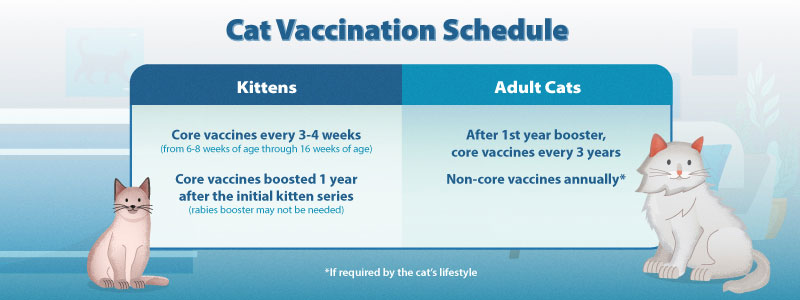
Licensing often requires proof of vaccinations and health checks. This means your cat is less likely to spread diseases to other pets or people. It also encourages regular vet visits, keeping your cat healthier over time.
Communities that require licensing tend to have lower rates of rabies and other illnesses. This creates a safer environment for everyone. How much peace of mind would you gain knowing your cat meets these health standards?
Process Of Licensing
Getting your cat licensed might seem like an extra chore, but understanding the process makes it easier and faster. Licensing ensures your pet is registered with local authorities, which helps if your cat ever gets lost. The process is straightforward once you know what documents you need and where to apply.
Necessary Documentation
Before you apply for a cat license, gather the right documents. You will usually need:
- Proof of your cat’s rabies vaccination
- Identification details like your cat’s breed, age, and color
- Proof of spaying or neutering, if applicable
Having these ready saves time and avoids repeated trips. If your cat is new to your home, getting a vet to provide updated records is a smart move.
Where To Obtain A License
You can usually get a cat license from your local city or county government office. Many places now offer online applications, which makes it very convenient. Some animal shelters and veterinary clinics also help with the licensing process.
Have you checked your local government’s website? It often has detailed steps and fees listed. If you prefer in person, visit the city hall or animal control office and ask about their hours and requirements.

Credit: www.nparks.gov.sg
Costs Involved
Understanding the costs involved in licensing your cat is essential before you decide to get one. These fees can vary widely depending on where you live and the specific regulations in place. Knowing the typical fees and the potential penalties for not complying can save you money and stress in the long run.
Typical Fees
Cat license fees usually range from $5 to $20 annually, but some cities may charge more. Discounts are often available if your cat is spayed or neutered. For example, in some areas, an unaltered cat’s license might cost $15, while a neutered cat’s license is only $8.
Many places offer online payment options, which can make the process quick and easy. Some municipalities bundle pet licenses with other local fees, so it’s important to check your city’s website for exact details. Have you ever checked how much your local cat license costs?
Potential Penalties
If you don’t license your cat as required, you might face fines that can be several times higher than the original license fee. Some areas impose penalties starting at $50 and can go up to $500, depending on how long you delay. These fines are designed to encourage compliance but can hit your wallet hard.
Beyond fines, failure to license your cat could lead to other issues like difficulties proving ownership or problems if your cat gets lost. I once heard about a pet owner who lost their cat and couldn’t reclaim it quickly because the license wasn’t current. This experience highlights how licensing protects you and your pet.
Are you willing to risk these penalties and hassles just to avoid a small fee? Most cat owners find that paying a modest licensing fee is a small price for peace of mind.
Alternatives To Licensing
Licensing is not the only way to keep your cat safe and identifiable. Several alternatives offer protection and peace of mind. These options help reunite lost cats with their owners quickly. They also provide a reliable way to prove ownership if needed. Here are two popular alternatives to licensing that every cat owner should consider.
Microchipping
Microchipping is a small device implanted under your cat’s skin. It carries a unique ID number linked to your contact details. Vets and shelters can scan this chip to find your information. It works even if your cat loses its collar or tag. Microchipping is safe, quick, and permanent. It increases the chances of your cat coming back home safely.
Collar Tags
Collar tags are a visible and affordable way to identify your cat. Attach a tag with your phone number and your cat’s name. Make sure the collar fits well and is breakaway for safety. Collar tags help neighbors or strangers contact you if they find your cat. They are easy to update and replace as needed. Tags work well alongside microchips for extra security.
Common Misconceptions
Many cat owners believe that licensing their pets is unnecessary or only applies to dogs. This misunderstanding can lead to missed opportunities for keeping your feline friend safe and compliant with local laws. Clearing up these misconceptions helps you make better decisions for your cat’s well-being and your responsibilities as a pet owner.
Licensing Vs. Registration
Licensing and registration might sound like the same thing, but they serve different purposes. Licensing is usually a legal requirement enforced by local governments, often involving a fee and proof of vaccinations. Registration, on the other hand, is typically voluntary and may be managed by private organizations or vet clinics to keep track of your cat’s health records.
Think about this: have you ever assumed that because your cat is microchipped, you don’t need a license? Many owners do. Yet, microchipping helps identify your cat, while licensing ensures you’re following local laws and helps animal control return lost pets more efficiently.
Indoor Cats And Licensing
Some people believe indoor cats don’t need licenses because they never go outside. While it might seem unnecessary, licensing indoor cats is still important. Accidents happen—doors get left open or cats escape through windows.
Licensing indoor cats shows you’re prepared for unexpected situations. It also supports community programs that protect all pets, regardless of whether they roam outdoors or stay inside. Have you considered how a license could make a difference if your indoor cat suddenly goes missing?
Advice For Cat Owners
Taking care of a cat means more than just feeding and playing with them. It involves understanding the local rules and making sure your furry friend is safe and identifiable. Licensing your cat might seem like a small step, but it can make a big difference in reuniting lost pets with their owners and supporting community animal services.
Staying Informed
Rules about cat licensing vary widely depending on where you live. Some cities require it, while others don’t. Check your local government’s website or contact animal control to learn what applies to you.
Keep an eye out for updates, especially if you move to a new area or if local laws change. Staying informed helps you avoid fines and ensures your cat is protected legally.
Have you ever wondered what happens when a stray cat is found? Licensing can speed up the process of finding the owner and reduce the stress on both the animal and the community.
Community Resources
Many communities offer resources to help cat owners with licensing and pet care. Some provide low-cost or free licensing options, especially for senior citizens or low-income families.
- Animal shelters often have information sessions or flyers about pet licensing.
- Veterinary clinics sometimes assist with registration during routine visits.
- Local pet stores may have bulletin boards listing upcoming licensing deadlines or events.
Connecting with these resources can save you time and money. Plus, it puts you in touch with other cat owners who can share tips and support.
Credit: www.carecredit.com
Frequently Asked Questions
Do All Cats Need To Be Licensed By Law?
Not all cats require licensing. Licensing depends on local laws and regulations. Some cities mandate cat licenses for identification and safety.
What Are The Benefits Of Licensing My Cat?
Licensing helps identify lost cats quickly. It also ensures your cat is vaccinated. This protects your pet and community health.
How Do I Get A License For My Cat?
You can get a cat license from your local government office. Usually, you need proof of vaccination and a small fee.
Is Cat Licensing Mandatory In Every State?
No, cat licensing is not mandatory everywhere. Requirements vary by state and city. Check local regulations to know the rules.
Conclusion
Cats may need licenses depending on where you live. Licensing helps keep pets safe and healthy. It can also help return lost cats to their owners. Many places require licenses by law. It shows you care about your cat and community.
Check local rules to know what applies to you. Licensing is a small step with big benefits. Protect your cat and follow the rules. It is worth the effort for peace of mind.
