

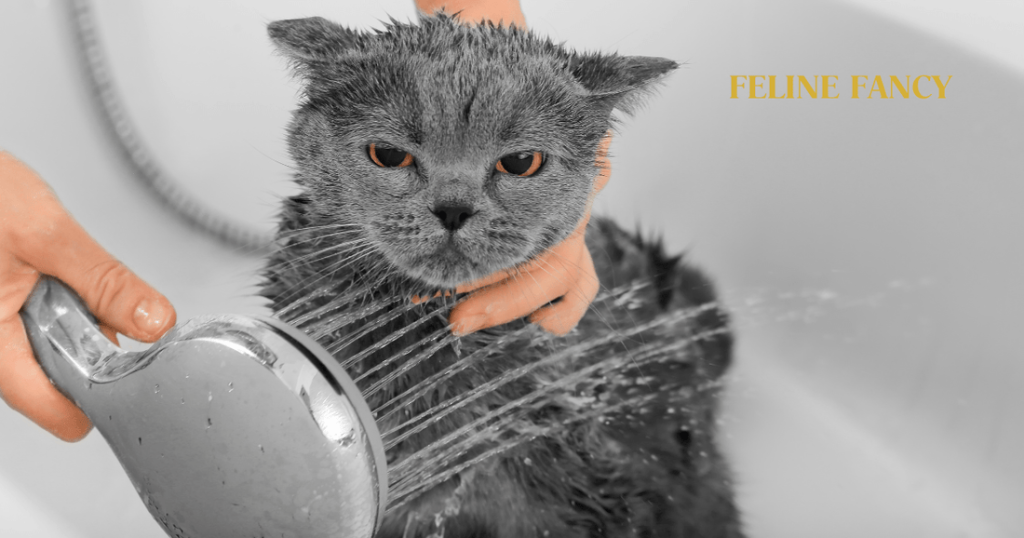
Have you ever wondered if your cat really needs a bath? You might think cats clean themselves perfectly, but there’s more to the story.
Knowing when and how to bathe your feline friend can keep them healthy and comfortable. You’ll discover the truth about cat baths, what signs to watch for, and simple tips to make the process stress-free for both you and your pet.
Keep reading—you’ll learn everything you need to know to care for your cat’s hygiene the right way.
Credit: pethelpful.com
Natural Grooming Habits Of Cats
Cats are naturally clean animals. They spend a large part of their day grooming themselves. This grooming helps them stay clean and healthy. Their tongues have tiny, hook-like structures. These hooks pull dirt and loose fur away from their skin.
Grooming also controls body temperature. It removes excess oils and debris from their coat. Cats lick their fur to spread natural oils evenly. This keeps their fur soft and shiny. Grooming reduces the risk of skin infections too.
How Cats Use Their Tongues For Grooming
A cat’s tongue is rough, like sandpaper. It helps remove dirt and loose fur. Licking also untangles knots and mats in their coat. The tongue’s texture massages the skin. This stimulates blood flow and promotes healthy fur growth.
Importance Of Self-grooming For Cats
Self-grooming calms cats. It reduces stress and anxiety. Grooming acts as a way to mark their scent. This makes them feel safe and secure. Cats groom after eating to clean their whiskers and face. Grooming also helps cats cool down on hot days.
Role Of Grooming In Social Bonding
Cats groom each other to show affection. This is called allogrooming. It strengthens bonds between cats in the same group. They groom hard-to-reach places for each other. It helps keep the group clean and united.
When Bathing Is Necessary
Bathing cats is not usually required often. Cats groom themselves by licking their fur. Their rough tongues clean dirt and loose hair effectively. Still, some situations need a bath for your cat’s health and comfort. Knowing when to bathe a cat helps keep them clean and happy.
Dealing With Fleas And Ticks
Fleas and ticks cause irritation and health problems in cats. A bath with special flea shampoo helps remove these pests. It also soothes itchy skin and stops flea bites. Regular grooming and vet treatments are important alongside bathing.
Handling Skin Conditions
Cats with skin allergies or infections may need baths. Medicated shampoos relieve itching and clear infections. Bathing helps remove allergens and dirt from the skin surface. Always follow your vet’s advice on shampoo type and frequency.
Unusual Dirt Or Substances
Cats can get into sticky or harmful substances. Mud, paint, or oil require immediate cleaning to avoid harm. Use warm water and mild cat-safe shampoo to clean the fur. Avoid harsh scrubbing that may hurt your cat’s skin.
Choosing The Right Products
Choosing the right products for bathing your cat is very important. Cats have sensitive skin and fur. Using the wrong products can cause irritation or dryness. Picking gentle and safe products helps keep your cat comfortable and clean.
Cat-specific Shampoos
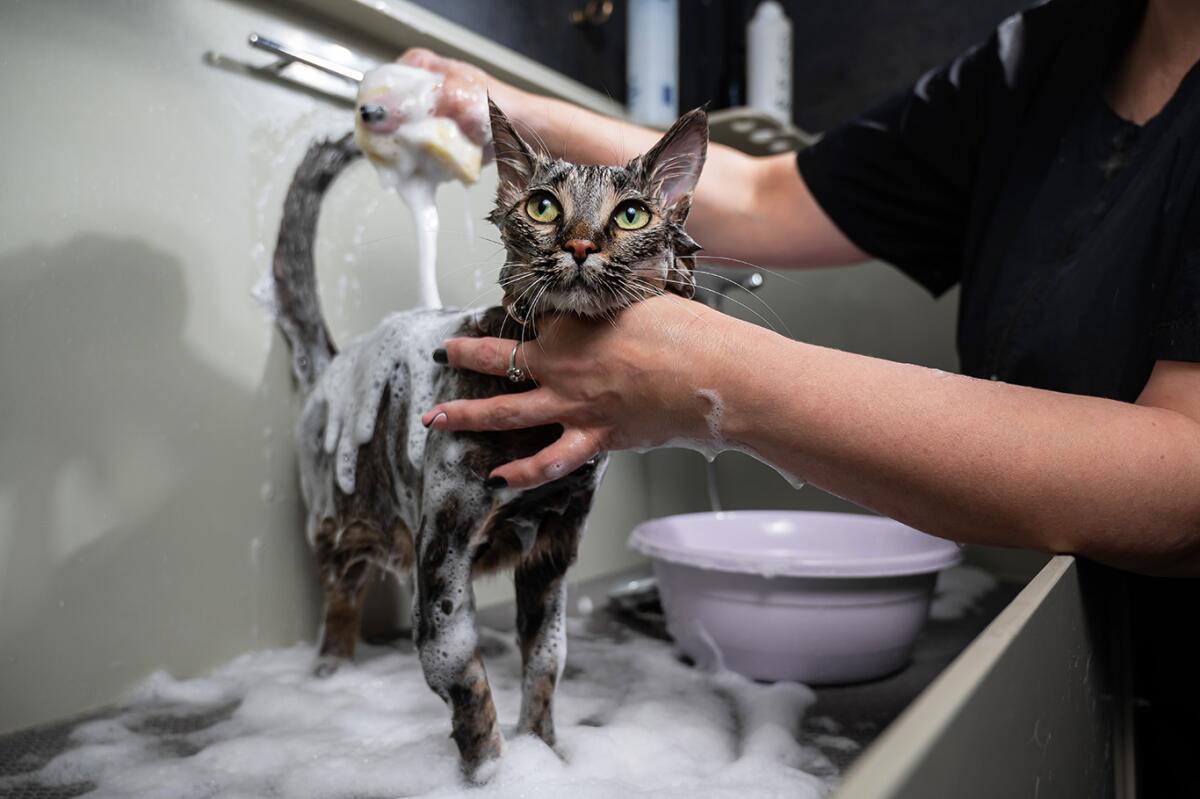
Always select shampoos made specifically for cats. These shampoos have ingredients suited to a cat’s skin and fur. They are mild and less likely to cause allergic reactions. Human shampoos or dog shampoos can be too harsh and damage the coat. Cat shampoos also help maintain the natural oils that protect their skin.
Avoiding Harmful Ingredients
Check the ingredient list carefully. Avoid shampoos with harsh chemicals like sulfates, parabens, and artificial fragrances. These can dry out or irritate your cat’s skin. Look for natural and gentle ingredients such as aloe vera or oatmeal. These soothe the skin and reduce itching. Choosing safe products ensures your cat stays healthy and happy after bath time.
Credit: www.latimes.com
Preparing Your Cat For A Bath
Getting your cat ready for a bath can make the experience smoother for both of you. Preparation is key to reducing stress and ensuring safety. Before you even fill the tub, focus on calming your cat and organizing everything you’ll need.
Brushing Before Bathing
Brushing your cat before a bath removes loose fur and tangles, which helps the water and shampoo reach the skin more effectively. It also reduces the chances of mats tightening when wet. If your cat struggles with brushing, try using a soft brush or even a grooming glove to keep the process gentle.
Have you noticed how your cat reacts to brushing? If they get anxious, spend a few days brushing briefly to build their tolerance. This small step can make the actual bath day less stressful.
Setting Up The Bathing Area
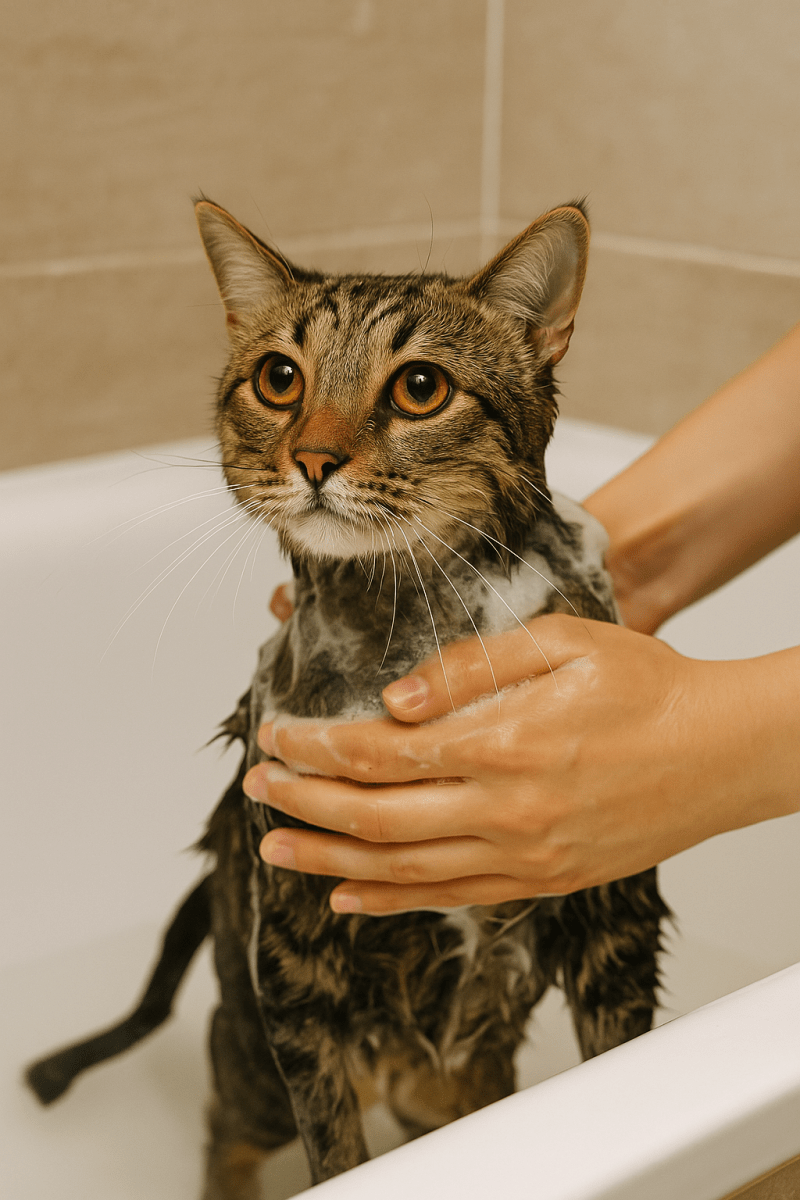
Choose a small, enclosed space like a sink or a bathroom tub where your cat feels secure. Lay down a non-slip mat or towel to prevent slipping and to give your cat some footing. Make sure all bath supplies—shampoo, towels, and a cup for rinsing—are within arm’s reach.
Have you thought about water temperature? Lukewarm water works best; too hot or cold can upset your cat. Keeping everything ready before you start means you won’t have to leave your cat unattended, which can increase anxiety.
Bathing Techniques
Bathing a cat can be a challenging task, but mastering the right techniques makes the experience smoother for both you and your feline friend. Understanding how to keep your cat calm and ensuring proper rinsing and drying are key steps. Let’s look at practical ways to handle these parts of the bath effectively.
Keeping Your Cat Calm
Your cat’s comfort during a bath depends largely on your approach. Speak softly and move slowly to avoid startling your pet. You might find that gently stroking your cat before and during the bath helps ease their anxiety.
Try using a non-slip mat in the sink or tub so your cat feels secure standing. Some cats respond well to a warm towel wrapped loosely around them before the bath, creating a sense of safety. Have treats ready to reward calm behavior, reinforcing positive associations.
Have you noticed how your cat reacts to water? Observing their behavior can guide you in choosing the best time and method to bathe them.
Proper Rinsing And Drying
Rinsing thoroughly is crucial to remove all shampoo, preventing skin irritation. Use lukewarm water and a gentle stream or cup to rinse, avoiding the face and ears. Shield your cat’s eyes and ears with your hand to keep water out.
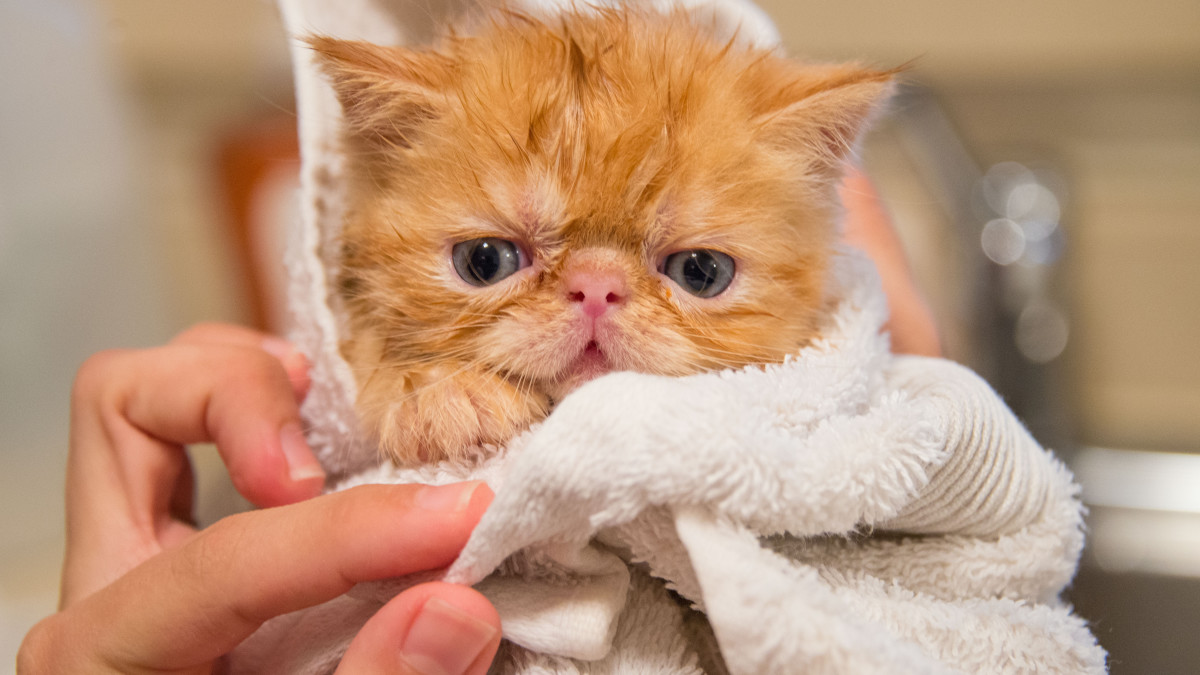
After rinsing, wrap your cat in a large, soft towel and pat dry—avoid rubbing, which can stress your cat and tangle fur. If your cat tolerates it, a hairdryer on the lowest heat and noise setting can speed drying, but keep it at a safe distance.
Have you tried different drying methods with your cat? You might find your pet prefers the quiet of a towel or even just a cozy spot to air dry after their bath.
Credit: dirtbusters.co.uk
Post-bath Care
Bathing a cat is just the start of the cleaning process. Post-bath care helps keep your cat comfortable and maintains their coat’s health. Taking a few simple steps after the bath ensures your cat stays calm and clean.
Brushing After Bathing
Brushing your cat after a bath removes loose fur and tangles. It helps dry the coat faster and prevents mats from forming. Use a gentle brush made for cats to avoid hurting their skin. Focus on areas that tend to get tangled, like behind the ears and under the legs.
Brushing also spreads natural oils across the fur. This keeps the coat shiny and soft. Take your time and be patient. Brushing can calm your cat and make them feel cared for.
Monitoring For Stress Or Discomfort
Watch your cat closely after bathing. Bath time can be stressful for many cats. Look for signs like hiding, excessive grooming, or vocalizing more than usual. These may mean your cat feels uneasy.
Offer a warm, quiet space for rest. Avoid loud noises or sudden movements. Use soft words and gentle petting to soothe your cat. If stress lasts more than a day, consider consulting a vet for advice.
Alternatives To Bathing
Bathing cats can be stressful for both you and your pet. Many cats dislike water and resist baths. Thankfully, there are gentle alternatives that keep your cat clean without a full bath. These options help maintain hygiene and reduce odors while making grooming easier.
Wipes And Dry Shampoos
Pet wipes are a quick way to clean your cat’s fur. They remove dirt and oils without water. Choose wipes made specifically for cats to avoid skin irritation.
Dry shampoos for cats absorb excess oils and freshen fur. They come in powder or foam forms. Apply the product, then brush it out to leave your cat smelling clean.
Regular Brushing And Maintenance
Brushing your cat often helps remove loose fur and dirt. It also reduces shedding and hairballs. Use a brush suited for your cat’s fur type.
Brushing stimulates natural oils in the skin, keeping the coat shiny. It also gives you a chance to check for skin problems or parasites early on.
Frequently Asked Questions
Do Cats Need Regular Baths For Hygiene?
Most cats groom themselves effectively and rarely need baths. Baths are only necessary if they get very dirty or have skin issues.
How Often Should I Bathe My Cat Safely?
Bathing cats is usually needed only a few times a year or when recommended by a vet. Overbathing can dry their skin.
Can Bathing Harm My Cat’s Natural Oils?
Yes, frequent baths can strip natural oils, causing dry skin and irritation. Use cat-specific shampoos and bathe sparingly.
What Are Signs My Cat Needs A Bath?
If your cat smells bad, is greasy, or has fleas, a bath may help. Otherwise, grooming usually suffices.
Conclusion
Cats usually keep themselves clean without baths. Most cats do not need water baths often. Bathing can stress them and cause fear. Use a damp cloth for small dirt spots. Regular brushing helps remove loose fur and dirt. Some cats with health issues might need baths.
Always use cat-safe shampoo if you bathe them. Pay attention to your cat’s comfort and needs. Clean cats are happy cats, but no need to force baths. Trust your cat’s natural grooming habits.
