


Are you sure your cat is fully protected from tiny pests that could cause big problems? Ticks might seem harmless, but they can lead to serious health issues for your furry friend.
You might wonder, do cats really need tick prevention? The answer isn’t as simple as you think. Understanding why tick prevention matters can save your cat from discomfort and dangerous diseases. Keep reading to discover what you need to know to keep your beloved pet safe and happy.

Credit: www.petsmart.com
Understanding Tick Risks For Cats
Ticks pose a real threat to cats, especially those that spend time outdoors. These tiny parasites latch onto the skin and feed on blood. They can carry serious diseases that harm your cat’s health. Understanding tick risks helps protect your feline friend effectively.
Ticks thrive in grassy, wooded, and damp areas. Cats that roam outside face a higher chance of tick bites. Even indoor cats can be at risk if ticks hitch a ride on your clothing or other pets.
Common Tick Habitats
- Tall grass and bushes
- Leaf litter and wood piles
- Shady, moist environments
- Gardens and parks
How Ticks Affect Cats
- Cause itching and skin irritation
- Lead to infections or abscesses
- Transmit diseases like Lyme disease
- Result in anemia in severe cases
Signs Of Tick Infestation
- Excessive scratching or grooming
- Red or swollen skin spots
- Visible ticks attached to fur
- Fatigue or loss of appetite
Symptoms Of Tick Infestation
Ticks on cats can cause many problems. Spotting the signs early helps protect your pet. Symptoms of tick infestation vary from visible signs to changes in behavior.
Physical Signs
- Small, dark spots on the skin or fur
- Red, swollen areas where ticks attach
- Scabs or sores from tick bites
- Hair loss around bite spots
- Visible ticks moving or attached to the body
- Excessive scratching or grooming in certain spots
- Skin irritation or inflammation
Behavioral Changes
- Restlessness or constant scratching
- Less active than usual
- Hiding or avoiding interaction
- Loss of appetite
- Increased irritability or discomfort
- Frequent licking or biting of the skin
Common Tick-borne Diseases In Cats
Ticks pose a serious health risk to cats. They carry diseases that can harm your pet. Understanding common tick-borne diseases helps in protecting your cat effectively. These illnesses often cause symptoms that need quick attention. Early detection can save your cat’s life.
Lyme Disease
Lyme disease is caused by bacteria from tick bites. It leads to fever, joint pain, and lethargy. Some cats may show swollen joints or lose appetite. Treatment involves antibiotics prescribed by a veterinarian. Preventing tick bites is key to avoiding Lyme disease.
Cytauxzoonosis
Cytauxzoonosis is a severe illness caused by a parasite. Ticks transmit this parasite to cats. Symptoms include high fever, weakness, and difficulty breathing. This disease can be fatal if not treated quickly. Veterinary care is essential for any sick cat exposed to ticks.
Feline Infectious Anemia
This disease destroys red blood cells in cats. It is spread by ticks carrying a specific bacteria. Signs include pale gums, weakness, and rapid breathing. Diagnosis requires blood tests from a vet. Treatment often includes antibiotics and supportive care.
Credit: nexgardforpets.com
Effective Tick Prevention Methods
Ticks are more than just a nuisance for your cat—they can carry serious diseases. Preventing tick infestations is key to keeping your feline friend safe and comfortable. You have several effective options to choose from, each with its own benefits and considerations.
Topical Treatments
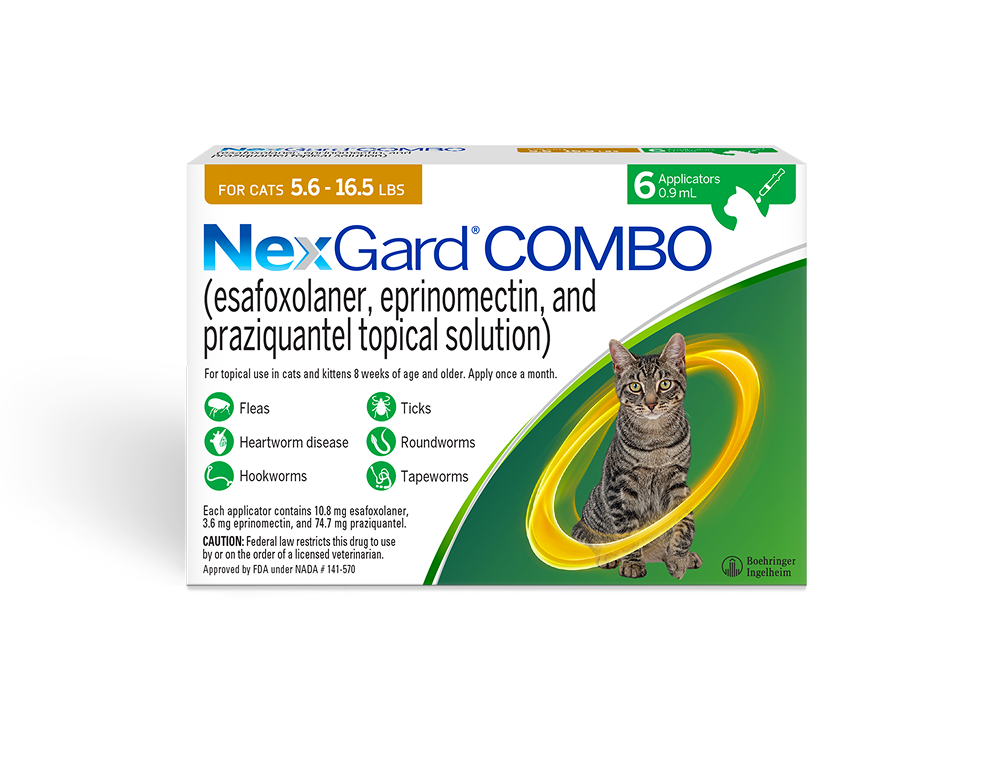
Topical treatments are liquid medications applied directly to your cat’s skin, usually at the back of the neck. They work by killing ticks on contact or repelling them before they can latch on.
One advantage is their ease of use; you apply the treatment once a month. However, it’s important to follow the instructions carefully to avoid irritation or harm.
Have you noticed how some cats seem to tolerate topical treatments better than others? Observing your cat’s reaction can guide you toward the best product.
Oral Medications
Oral tick preventatives come in the form of chewable tablets or pills, making them a good choice if your cat resists topical treatments.
These medications circulate in the bloodstream and kill ticks when they bite. They often provide protection for a month or longer, depending on the product.
Remember to consult your vet before starting any oral medication, especially if your cat has other health issues.
Tick Collars
Tick collars offer continuous protection by releasing chemicals that repel or kill ticks. They are especially useful for cats that spend time outdoors.
Look for collars that are lightweight and adjustable to ensure your cat’s comfort. Some collars also protect against fleas, adding extra value.
Would your cat tolerate wearing a collar, or might it cause stress? Trying it out under supervision can help you decide.
Natural Remedies
Natural options like essential oils or herbal sprays attract many cat owners looking for gentle solutions. While some ingredients may repel ticks, their effectiveness varies.
Be cautious—certain natural substances can be toxic to cats. Always research thoroughly and discuss with your vet before trying these remedies.
Have you ever tried a natural tick prevention method? Sharing your experience might help others find safer alternatives.
Choosing The Right Tick Prevention Products
Choosing the right tick prevention product for your cat is crucial for their health and comfort. Not all products are safe or effective for every cat, so understanding what to look for can save you time and worry. Let’s look at how to make informed decisions that protect your feline friend.
Consulting Your Veterinarian
Your vet knows your cat’s health history and can recommend the safest tick prevention options. Some cats have allergies or medical conditions that limit their choices. Don’t guess—ask your vet about the best products for your cat’s age, weight, and lifestyle.
Have you ever tried a product that caused unexpected reactions? Sharing that experience with your vet helps avoid similar issues. They might suggest newer treatments you haven’t heard of, which could be more effective and easier to use.
Reading Product Labels
Product labels hold valuable information beyond just the brand name. Look carefully for the active ingredients, application instructions, and any warnings about side effects. This helps you understand how the product works and if it’s truly suitable for your cat.
Check if the product is specifically formulated for cats—some tick preventatives for dogs can be toxic to felines. Also, note how often you need to apply it and whether it’s waterproof or needs reapplication after baths. These details impact how well the product fits into your routine.
Home And Yard Tick Control
Controlling ticks around your home and yard is crucial to protect your cat from tick bites and diseases. Ticks thrive in outdoor spaces with tall grass, leaf piles, and damp areas. Keeping these spaces clean and well-maintained reduces the chance of ticks getting close to your pet.
Regular Cleaning
Clean your yard often to remove tick hiding spots. Rake leaves and clear away grass clippings. Keep bushes and shrubs trimmed to reduce shade and moisture. Dispose of yard waste properly to prevent tick buildup. Sweep patios and decks regularly to remove debris. Clean pet bedding and outdoor areas where cats rest.
Outdoor Maintenance
Maintain your lawn by mowing it frequently. Keep grass short to limit tick habitats. Remove brush and wood piles where ticks hide. Create a barrier of wood chips or gravel between your lawn and wooded areas. Check fences and gates to stop wildlife that carry ticks from entering. Water less in shady areas to reduce moisture that ticks need.
Monitoring And Regular Check-ups
Keeping your cat safe from ticks requires more than just prevention products. Monitoring and regular check-ups play a crucial role in catching ticks early and avoiding serious health issues. By staying vigilant and involving your vet, you can protect your feline friend effectively.
Routine Tick Checks
Make it a habit to check your cat for ticks, especially after outdoor adventures. Pay close attention to areas like behind the ears, under the collar, and between the toes where ticks love to hide.
Use your fingers to feel for small bumps or unusual lumps on your cat’s skin. A quick daily check can save you from bigger problems later.
Have you noticed any changes in your cat’s behavior or scratching more than usual? This could be a sign that a tick has latched on.
Regular Vet Visits
Scheduling regular vet visits ensures professional tick checks and timely advice on prevention methods. Your vet can spot ticks that are hard to find and suggest the best treatments tailored to your cat’s needs.
During these visits, discuss any concerns about ticks or changes in your cat’s health. This proactive approach can help catch tick-borne diseases early.
Remember, your vet is your ally in maintaining your cat’s health. Don’t hesitate to reach out if you’re unsure about tick prevention or removal.
What To Do If You Find A Tick On Your Cat
Finding a tick on your cat can be alarming. These tiny parasites latch on quickly and can cause discomfort or transmit diseases. Knowing how to act immediately can protect your pet’s health and ease your worries.
Safe Tick Removal
Use fine-tipped tweezers or a tick removal tool to grasp the tick as close to your cat’s skin as possible. Pull upward with steady, even pressure without twisting or jerking to avoid leaving parts of the tick embedded.
After removal, clean the area with antiseptic and wash your hands thoroughly. Avoid using home remedies like petroleum jelly or heat, as these can irritate the tick and increase the risk of infection.
Keep the tick in a sealed container if you want to show it to your vet later. Have you ever struggled to remove a tick? Knowing the right technique can make the process less stressful for both you and your cat.
When To Seek Veterinary Care
If the tick’s mouthparts remain embedded or the bite site becomes red, swollen, or painful, contact your vet immediately. Watch for signs like lethargy, loss of appetite, or fever in your cat, which may indicate tick-borne diseases.
Your vet can safely remove any parts left behind and may recommend preventive treatments or blood tests. Remember, early intervention can prevent serious health issues, so don’t hesitate to ask for professional advice.

Credit: getfurlife.com
Frequently Asked Questions
Do Cats Really Need Tick Prevention?
Yes, cats need tick prevention to avoid tick-borne diseases. Ticks can transmit infections that harm your cat’s health. Regular prevention helps keep your cat safe and comfortable, especially if they spend time outdoors.
What Are Common Tick Prevention Methods For Cats?
Common tick prevention methods include topical treatments, collars, and oral medications. These options kill or repel ticks effectively. Consult your vet to choose the safest and most suitable method for your cat’s lifestyle.
Can Untreated Ticks Harm My Cat?
Yes, untreated ticks can cause serious health issues. They may transmit diseases like Lyme or cause skin infections. Removing ticks promptly and using preventive measures is essential to protect your cat’s well-being.
How Often Should I Apply Tick Prevention For Cats?
Tick prevention frequency depends on the product used. Most topical treatments require monthly application, while some collars last several months. Follow your vet’s advice and product instructions for best results.
Conclusion
Ticks can cause serious health problems for cats. Preventing ticks helps keep your pet safe and healthy. Regular checks and proper prevention reduce the risk of tick bites. Choose a prevention method that fits your cat’s lifestyle. Talk to your vet about the best options for your cat.
Taking action now can save your cat from discomfort later. Protect your furry friend from ticks every season. It’s a small effort with big benefits. Stay alert and keep your cat tick-free.
