

Are you wondering if your cat really needs shots? It’s a question every cat owner asks at some point.
Vaccinations might seem like just another trip to the vet, but they play a crucial role in keeping your furry friend safe and healthy. Imagine avoiding serious illnesses that could harm your cat or lead to costly treatments. You’ll discover exactly why shots matter, which ones your cat needs, and how they protect your beloved pet.
Keep reading to learn how a simple vaccine can make a big difference in your cat’s life.
Core Vaccinations
Core vaccinations protect your cat from serious and often deadly diseases. These vaccines form the foundation of your pet’s health care. Skipping them can leave your cat vulnerable to infections that are difficult and costly to treat.
Feline Panleukopenia
Feline panleukopenia, also known as feline distemper, is a highly contagious viral disease. It attacks your cat’s immune system and can cause severe dehydration, fever, and often death, especially in kittens. Vaccinating your cat against panleukopenia is crucial because the virus can survive in the environment for months, making it easy to catch.
Feline Herpesvirus
This virus causes feline viral rhinotracheitis, a common cause of upper respiratory infections. Symptoms include sneezing, eye discharge, and nasal congestion, which can become chronic if untreated. The vaccine helps reduce the severity of symptoms and the chance your cat will spread it to others.
Feline Calicivirus
Another major cause of respiratory infections, feline calicivirus can lead to mouth ulcers and pneumonia. It spreads quickly in places where many cats gather, like shelters or multi-cat homes. Vaccinating your cat lowers the risk of serious illness and helps control outbreaks.
Rabies Vaccine
Rabies is a fatal disease that affects the nervous system and can spread from cats to humans. Many places legally require this vaccine because it protects your cat and the people around them. Even indoor cats need this shot since wildlife can sometimes enter your home or yard.
Credit: spallandharveyanimalhospital.ca
Non-core Vaccinations
Non-core vaccinations are not mandatory for all cats but can be crucial depending on your cat’s lifestyle and environment. These vaccines protect against diseases that are less common but can be serious. Deciding whether your cat needs these shots depends on factors like outdoor access, contact with other cats, and specific health risks.
Feline Leukemia Virus
Feline Leukemia Virus (FeLV) is a serious disease that affects a cat’s immune system. Cats that roam outdoors or live with other cats are at higher risk of catching it. Vaccination can help protect your cat, especially if they spend time in places where other cats gather.
If your cat stays indoors all the time and has no contact with other cats, this vaccine might not be necessary. However, if your cat’s social circle changes or if you adopt a new cat, consider this shot to keep them safe.
Feline Immunodeficiency Virus
Feline Immunodeficiency Virus (FIV) weakens a cat’s ability to fight infections. It spreads mostly through bites during fights, so outdoor or aggressive cats face higher risks. The FIV vaccine is not always recommended because it can interfere with testing, but it might be worth discussing with your vet.
You should ask yourself how likely your cat is to get into fights or be exposed to other cats. If your feline friend is a peaceful indoor pet, this vaccine might not be needed.
Bordetella
Bordetella is a bacterial infection that causes respiratory issues, like coughing and sneezing. Cats in crowded places, like shelters or boarding facilities, can catch it easily. If your cat often visits such places, getting the Bordetella vaccine can prevent uncomfortable illness.
Think about your cat’s daily routine. Do they go to grooming salons or stay in kennels? If yes, this shot could save you from unexpected vet visits.
Chlamydophila Felis
Chlamydophila Felis causes eye infections and respiratory problems in cats. It spreads quickly in places where many cats live close together. Vaccination is recommended for cats in shelters or multi-cat households.
If your cat only interacts with a few other cats or lives indoors, this vaccine might not be necessary. Still, it’s good to be aware of the symptoms like eye discharge or sneezing to catch any issues early.
Vaccination Schedule
Understanding your cat’s vaccination schedule is key to keeping them healthy and protected. Vaccines don’t just prevent diseases; they also help you avoid costly vet visits later on. Knowing when and which shots your cat needs lets you plan ahead and stay on top of their care.
Kitten Vaccination Timeline
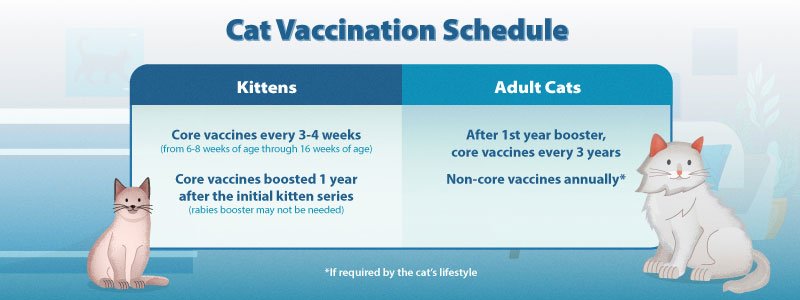
Kittens need a series of vaccines starting as early as 6 to 8 weeks old. These initial shots protect against common illnesses like feline distemper and respiratory infections. Typically, kittens get vaccinated every 3 to 4 weeks until they reach about 16 weeks.
This schedule ensures their immune system builds strong defenses over time. Missing these early shots can leave your kitten vulnerable during their most fragile months. Have you marked your calendar for these important visits yet?
Adult Cat Booster Shots
Once your cat reaches adulthood, vaccines don’t stop—they just change frequency. Booster shots are usually given every 1 to 3 years to maintain immunity. Your vet will recommend which boosters are necessary based on your cat’s lifestyle and risk factors.
For example, outdoor cats often need more frequent boosters than indoor-only cats. Keeping up with boosters means you’re actively preventing diseases rather than reacting to them. How often does your cat see the vet for their boosters?
Special Considerations For Seniors
Senior cats have unique health needs, and their vaccination schedule may need adjustments. Older cats might require fewer vaccines or different types, depending on their health status. Regular vet check-ups help tailor their vaccination plan to avoid over-vaccination and reduce stress.
Pay attention to your senior cat’s overall condition—weight, kidney health, and immune function all play a role. Have you discussed your aging cat’s vaccine needs with your vet recently to ensure they’re comfortable and protected?
Credit: triangleanimalclinic.com
Risks And Side Effects
Vaccinating your cat is essential, but it’s natural to wonder about the risks and side effects. Understanding these can help you make informed choices and prepare for any reactions your cat might have. Let’s look at what you can expect after your cat’s shots and how to handle any issues that arise.
Common Reactions
Most cats experience mild side effects that go away quickly. These include:
- Swelling or soreness at the injection site
- Temporary lethargy or tiredness
- Loss of appetite for a day or two
- Mild fever
These reactions are usually a sign that the vaccine is working. Have you noticed your cat acting a bit off after shots? That’s often normal and should pass within 48 hours.
Serious Complications
Though rare, serious complications can occur. Watch for symptoms like:
- Severe swelling or lumps at the injection site lasting more than a few days
- Difficulty breathing or persistent vomiting
- Sudden collapse or seizures
- Extreme lethargy or weakness
If any of these happen, contact your vet immediately. Ignoring these signs could put your cat’s health at risk.
Handling Adverse Effects
If your cat shows common reactions, provide a calm and comfortable space. Offer water and encourage gentle rest. Applying a cold compress to the injection area can reduce swelling.
For serious symptoms, don’t wait. Keep your vet’s contact details handy and be ready to visit. How prepared are you to act quickly if your cat has a bad reaction? Being proactive can save your cat’s life.
Consulting With A Veterinarian
Consulting with a veterinarian is the best way to determine the vaccination needs of your cat. Every cat is unique, and a vet can assess health risks based on age, environment, and lifestyle. This personalized guidance helps keep your feline friend safe and healthy without unnecessary shots.
Tailoring Vaccines To Lifestyle
Your cat’s lifestyle directly affects which vaccines are necessary. Indoor cats generally need fewer vaccines than outdoor or social cats. If your cat visits a boarding facility or interacts with other animals, your vet might recommend additional shots.
Discuss your cat’s daily routine openly. This helps the vet decide on core vaccines like rabies and feline distemper, and whether non-core vaccines are worth considering. It’s about balancing protection with avoiding over-vaccination.
Frequency Of Vet Visits
Regular vet visits help keep your cat’s vaccinations up to date. Kittens require a series of shots in their first months, while adult cats need boosters every 1-3 years depending on the vaccine type. Your vet will create a schedule based on your cat’s health and exposure risks.
These visits also allow your vet to monitor for any side effects or changes in health that could affect vaccination timing. Do you know when your cat’s next shot is due? Setting reminders can prevent missed vaccinations and keep immunity strong.
Additional Preventative Measures
Vaccines are just one part of your cat’s health plan. Your vet might suggest flea control, deworming, or dental care to complement vaccinations. These steps reduce overall disease risk and improve your cat’s quality of life.
Ask your vet about nutrition and environmental factors that support immunity. Sometimes, simple changes at home can make a big difference in keeping your cat healthy. What small changes could you make today to protect your cat better?

Credit: millsanimalhospital.com
Frequently Asked Questions
Do Indoor Cats Need Vaccines?
Yes, indoor cats still need vaccines. They can catch diseases from other pets or contaminated objects. Vaccination protects their health.
What Core Shots Do Cats Require?
Core shots include rabies, feline distemper, and calicivirus. These vaccines protect cats from deadly and common diseases effectively.
How Often Should Cats Get Vaccinated?
Cats typically need vaccinations annually or every three years. Your vet will recommend a schedule based on your cat’s health and lifestyle.
Are Cat Shots Safe For Kittens?
Yes, shots are safe for kittens. Vaccinations start at 6-8 weeks old to build early immunity against serious diseases.
Conclusion
Cats need shots to stay healthy and safe from diseases. Vaccines protect them from serious illnesses. Regular visits to the vet keep their shots up to date. Shots help prevent the spread of infections to other pets. Protecting your cat also protects your family.
Vaccinations are a simple step with big benefits. Keep your cat happy and healthy with proper care. Shots are an important part of responsible pet ownership. Don’t skip them—your cat will thank you.
