

Are you wondering if your cat really needs a rabies shot every year? It’s a question many pet owners ask but don’t always get a clear answer to.
Keeping your furry friend safe is important, and understanding how often they need this vaccine can protect both your cat and your family. You’ll discover what experts say about rabies shots for cats and why the timing matters. By the end, you’ll know exactly what to do to keep your pet healthy and worry-free.
Keep reading to find out more!

Credit: www.purepawsvet.com
Rabies And Cats
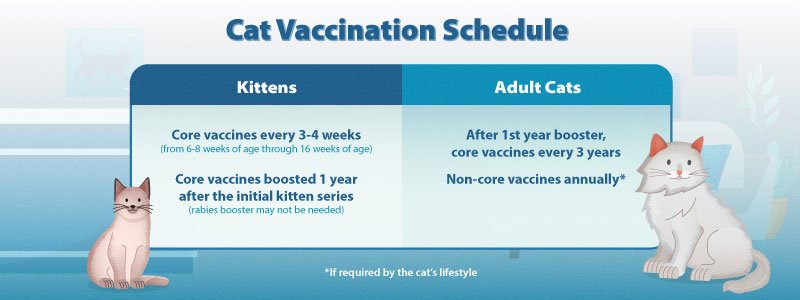
Cats usually need rabies shots every one to three years, depending on local laws and vaccine type. Regular vaccinations protect cats and people from this deadly disease. Always check with your vet for the best schedule.
Rabies is a serious concern for cat owners. This disease affects the brain and nerves. Cats are at risk if they are not vaccinated. Rabies can spread through bites from infected animals. Protecting your cat from rabies is crucial for their health.What Is Rabies?
Rabies is a viral disease. It affects the central nervous system. The virus is usually transmitted through saliva. Infected animals can spread it through bites. Once symptoms start, the disease is almost always fatal.How Cats Contract Rabies
Cats can contract rabies from wild animals. Bats, raccoons, and skunks often carry the virus. Outdoor cats are more exposed to these animals. A bite or scratch can transmit the virus. It’s important to monitor your cat’s interactions.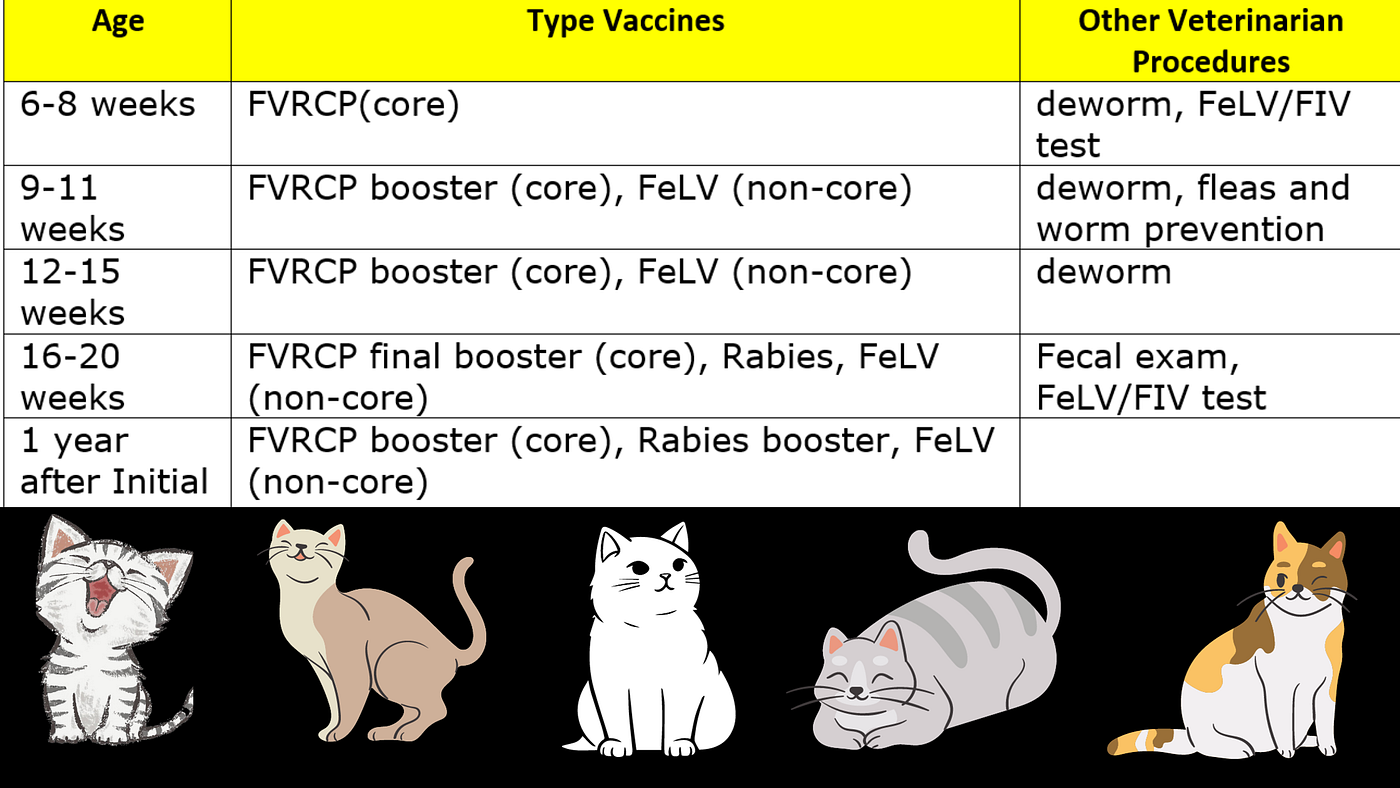
Credit: medium.com
Rabies Vaccination Schedules
Understanding the rabies vaccination schedule is key to keeping your cat safe and healthy. The timing and frequency of shots can vary depending on your cat’s age, lifestyle, and local laws. Knowing when to get the initial shot and how often boosters are needed helps you stay ahead of any risks.
Initial Vaccination Timeline
Kittens usually receive their first rabies vaccine between 12 and 16 weeks of age. This timing ensures the vaccine works effectively, as maternal antibodies from the mother start to fade around this time.
After the initial shot, a booster is typically given one year later. This booster is crucial because it strengthens your cat’s immunity against rabies.
Make sure to note the date of the first vaccination and plan for that booster. Missing it could leave your cat vulnerable to the disease.
Annual Vs. Triennial Shots
Some vets recommend annual rabies shots, while others support a three-year schedule. The choice often depends on the vaccine brand and local regulations.
Annual vaccinations may feel like a hassle but can offer consistent protection, especially if your cat spends time outdoors or around other animals. On the other hand, triennial shots reduce the number of vet visits and injections your cat experiences.
Check your area’s legal requirements—some places mandate yearly rabies shots regardless of vaccine type. Have you asked your vet what works best for your cat’s lifestyle and local rules?
Legal Requirements
Understanding the legal requirements for rabies vaccinations in cats is crucial for every pet owner. These laws are designed to protect both your pet and the community from the dangers of rabies. Knowing what rules apply in your area can help you avoid fines and keep your cat safe.
Vaccination Laws By Region
Rabies vaccination rules vary widely depending on where you live. In many parts of the United States, annual rabies shots are mandatory for cats. Some states, however, allow a three-year vaccine after the initial yearly dose.
Local governments may also have their own regulations. For example:
- California requires rabies vaccination for cats over four months old, with boosters every three years after the first year.
- New York enforces annual rabies vaccinations regardless of the vaccine type.
- Texas allows a three-year vaccine but mandates annual proof of vaccination for licensing.
Checking with your local animal control or veterinary office can give you the exact rules that apply to your cat.
Consequences Of Non-compliance
Failing to vaccinate your cat against rabies can lead to serious legal trouble. You might face fines or penalties, which can be costly and stressful.
Beyond fines, your cat could be subject to quarantine or, in worst cases, euthanasia if it is exposed to rabies and not vaccinated. This risk is a heavy price compared to the simple act of keeping up with vaccinations.
Have you ever considered how much you could save in the long run by staying on top of these vaccinations? Protecting your cat legally also means protecting its health and your peace of mind.
Health Benefits Of Rabies Shots
Rabies shots offer vital health benefits for cats and their communities. These vaccines help stop a deadly virus that affects the brain and nervous system. Giving your cat a rabies shot keeps them safe from this serious disease. It also helps protect people and other animals around them.
Protecting Your Cat
Rabies vaccines shield cats from a fatal infection. The virus spreads through bites from infected animals. Once symptoms appear, rabies is almost always deadly. Vaccination builds immunity, preventing the virus from taking hold. Regular shots keep this protection strong throughout your cat’s life.
Protecting Humans And Other Pets
Cats with rabies can pass the disease to people and pets. Rabies is a risk for anyone bitten by an infected animal. Vaccinating your cat lowers the chance of spreading the virus. It helps keep your family and other pets safe. Communities rely on widespread vaccination to reduce rabies cases.
Risks And Side Effects
Vaccinating cats against rabies is essential for their health and public safety. Like any vaccine, rabies shots can cause some risks and side effects. Understanding these helps pet owners make informed decisions. Most reactions are mild and short-lived. Serious problems are very uncommon but important to recognize.
Common Reactions
- Mild swelling or soreness at the injection site
- Temporary fever or lethargy
- Loss of appetite for a day or two
- Sneezing or mild coughing if vaccine is given nasal
- Occasional mild vomiting or diarrhea
These side effects usually last less than 48 hours. Most cats recover without needing treatment. Watch your pet closely after vaccination.
Rare Complications
- Severe allergic reactions causing swelling or difficulty breathing
- Behavior changes like aggression or confusion
- Injection site abscess or hard lump formation
- Neurological signs such as seizures
- Autoimmune disorders triggered by the vaccine
These reactions require immediate veterinary care. Report any unusual symptoms quickly. The risk of severe complications is very low compared to the protection vaccination offers.

Credit: weareallaboutcats.com
Alternatives And Advances
Vaccination protocols for cats have evolved with new science and technology. Alternatives and advances in rabies vaccines offer pet owners more choices. These developments focus on safety, effectiveness, and longer protection periods.
New Vaccine Options
Scientists developed vaccines that reduce allergic reactions and side effects. Some vaccines use safer ingredients to lower risks for sensitive cats. These options help cats with health issues or older cats. Veterinarians can recommend vaccines based on a cat’s specific needs.
Extended Immunity Vaccines
Extended immunity vaccines protect cats for multiple years. These vaccines reduce the need for annual shots. They keep cats safe from rabies longer, easing stress for pets and owners. Many states accept these vaccines for legal rabies protection.
Veterinarian Recommendations
Veterinarians play a key role in deciding how often cats should get rabies shots. Their advice depends on many factors. These include the cat’s age, health, lifestyle, and local laws. Understanding their recommendations helps keep cats safe and healthy. It also helps pet owners follow the right vaccination schedule.
Tailoring Vaccination To Your Cat
Each cat is different. Vets look at where your cat lives and how it spends time. Indoor cats might need vaccines less often than outdoor cats. Cats in high-risk areas may need yearly shots. The vet also checks your cat’s health history. This helps decide the best vaccine plan.
Some cats have allergies or health issues. The vet adjusts the vaccination schedule to avoid risks. They may suggest blood tests to check immunity. This way, cats get protection without extra shots.
When To Consult A Vet
Schedule a vet visit before the first rabies shot. After that, talk to the vet about booster shots. Keep regular check-ups to monitor health. If your cat shows signs of illness, see the vet immediately. Changes in behavior or wounds also need vet attention.
Local laws may require rabies shots at certain times. The vet knows these rules and guides you. Always ask questions during visits. Clear advice helps keep your cat safe from rabies.
Cost And Accessibility
Understanding the cost and accessibility of rabies shots for cats helps pet owners plan better. Vaccination prices can vary widely. Access to affordable options makes keeping pets safe easier. Knowing where to find low-cost clinics or help programs can reduce the financial burden.
Vaccine Pricing
Rabies vaccine prices depend on location and provider. Typical costs range from $15 to $50 per shot. Annual vaccinations add up over time. Some vets charge extra for office visits or exam fees. Prices may be higher in urban areas. Budgeting for these costs ensures your cat stays protected.
Low-cost Clinics And Assistance
Many communities offer low-cost vaccine clinics. These clinics help owners who need financial support. Animal shelters and local health departments often run these events. Some nonprofits provide vouchers or discounts for pet vaccinations.
- Check local animal shelters for clinic dates.
- Ask about special programs for low-income families.
- Look for mobile veterinary services offering reduced fees.
Access to affordable vaccines helps prevent rabies spread. It keeps cats safe and communities healthier.
Frequently Asked Questions
How Often Should Cats Get Rabies Vaccinations?
Cats typically receive rabies shots every one to three years. The exact schedule depends on local laws and vaccine type. Always follow your veterinarian’s advice for the best protection against rabies.
Are Annual Rabies Shots Mandatory For Cats?
Annual rabies shots are not always mandatory. Many areas require vaccinations every one to three years. Check local regulations and consult your vet to stay compliant and keep your cat safe.
Can Rabies Vaccines Have Side Effects In Cats?
Yes, some cats may experience mild side effects like soreness or tiredness. Serious reactions are rare but possible. Monitor your cat after vaccination and contact your vet if unusual symptoms appear.
Why Is Rabies Vaccination Important For Indoor Cats?
Indoor cats can still encounter rabies through wildlife or infected pets. Vaccination protects them from this deadly disease. Keeping your indoor cat vaccinated ensures their safety and public health.
Conclusion
Rabies shots protect cats from a deadly disease. Most vets recommend yearly vaccines for safety. Some areas allow longer gaps between shots. Check local laws and your vet’s advice. Keeping your cat’s shots current helps prevent illness. It also keeps your family and neighbors safe.
Talk to your vet about the best vaccine plan. Stay informed and keep your cat healthy. Prevention is always better than treatment. Trust experts and protect your furry friend today.
